A complete guide to shipping household goods USA to Australia
Key Takeaways
Moving across continents is a significant life event that benefits from structured preparation and professional guidance. Understanding the specific logistics, customs, and timelines ensures your transition is efficient and successful.
- Start your planning process at least six to eight months in advance.
- Create a comprehensive budget that includes shipping, insurance, and local arrival costs.
- Familiarize yourself with strict Australian biosecurity and customs regulations early.
- Declutter your inventory to focus only on essential items for your new household.
- Partner with expert movers to ensure compliance and safe transit for fragile goods.
Planning your move from the USA to Australia
Transitioning to a new life in Australia requires a strategic approach to managing your household goods. By utilizing Taylor International Movers for your international move management, you ensure that every logistical detail is handled with precision and technological oversight. Establishing a clear roadmap early in the process helps mitigate stress and provides a predictable timeline for your relocation.
Creating a moving timeline
Developing a detailed schedule is the foundation of a successful move. You should ideally begin coordinating your logistics six to eight months before your intended departure date, which accounts for packing, transit times, and potential customs delays. Setting key milestones for document collection and inventory management keeps the transition moving forward consistently.
Budgeting for your international relocation
Financial clarity is essential when managing an overseas move. Your budget must encompass not just the freight costs, but also insurance premiums, customs duties, and initial settling-in expenses upon arrival. It is wise to set aside a contingency fund to accommodate unexpected requirements or service adjustments during transit.
Choosing the right shipping method
Selecting the appropriate transport mode directly influences your costs and transit speed. Our team at Taylor International Movers provides transparency in these decisions, helping you evaluate whether your volume and timeline align better with sea freight or air freight solutions.
Understanding customs and import regulations
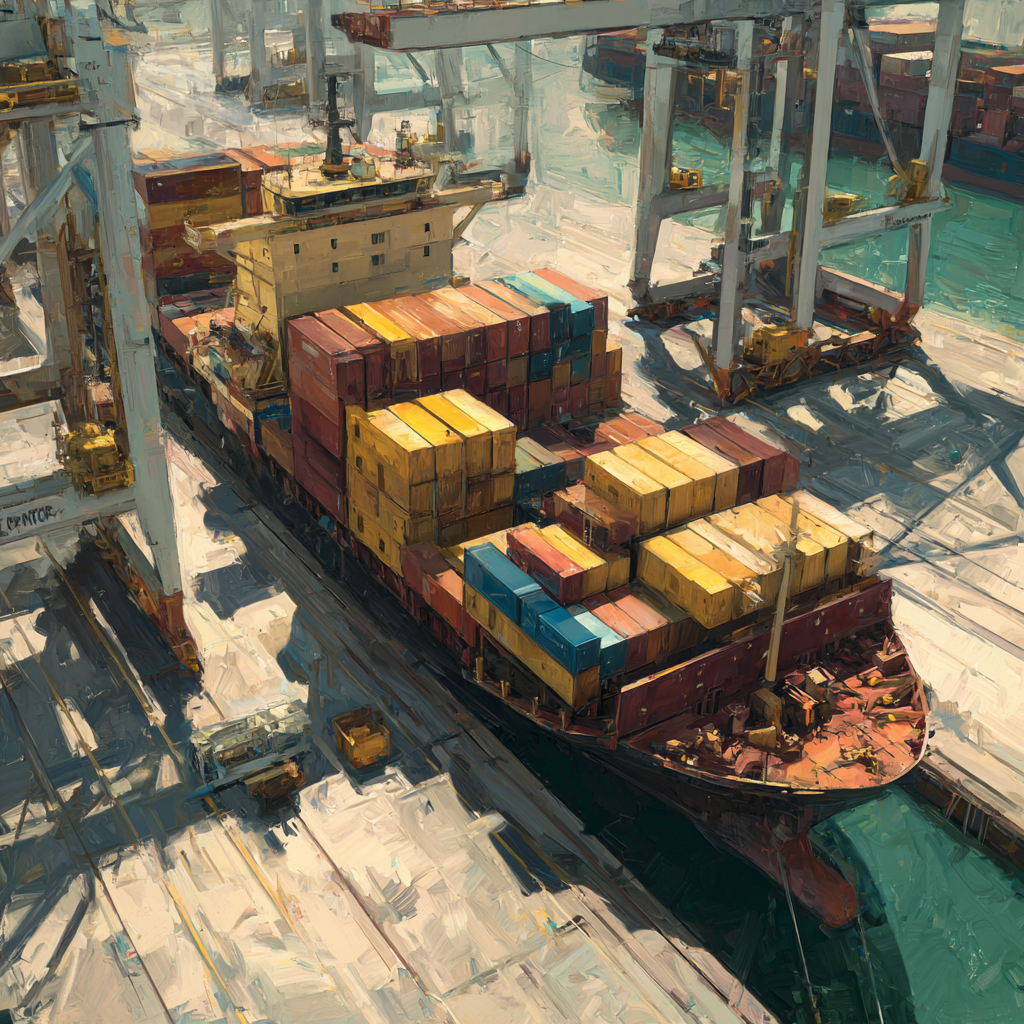
Navigating the bureaucratic landscape is one of the most critical aspects of your journey. The Australian government maintains rigorous standards for all imported household goods to protect their unique ecosystem. Working with an international move management partner ensures your documentation stays compliant with these strict requirements.
Documents required by Australian Border Force
Accuracy is paramount when submitting your paperwork. You will need a comprehensive Packing List, a clear Bill of Lading, and proof of your residency status to clear Australian customs smoothly. Maintaining organized records for every item enables you to navigate border interactions without unnecessary delays or documentation hurdles.
Items restricted or prohibited for entry
Certain items are either banned or subject to mandatory scrutiny before they are allowed into the country. You must check the latest list of prohibited imports, which often includes specific food products, animal materials, and certain wood products. Being proactive with your inventory list prevents customs issues at the final destination.
Managing mandatory quarantine and biosecurity checks
Items exposed to soil, plant matter, or animal material often undergo a mandatory inspection process. Understanding the criteria for biosecurity clearance allows you to pre-clean or prepare your belongings effectively, reducing the likelihood of additional quarantine fees or shipment delays.
Preparing your household goods for international transit
Effective preparation minimizes risk and maximizes space usage for your international shipment. Proper organization allows for a streamlined transit process, ensuring your belongings are handled with care from origin to destination.
Decluttering and organizing your inventory
Start by assessing which items are truly necessary for your new home. For many, it is more cost-effective to replace bulkier or lower-value furniture items once in Australia rather than paying for their international shipping weight.
Professional packing versus DIY options
Choosing the right packing method is essential for high-quality protection. Consider these aspects when deciding:
| Service Aspect | Professional Packing | DIY Packing |
|---|---|---|
| Protection Level | High (Custom-rated) | Variable (Owner dependent) |
| Insurance Claims | Simplified | Often restricted |
| Time Investment | Minimal | Significant |
Using professional services ensures your belongings remain secured and categorized for easier unpacking.
Protecting your most fragile and high-value items
Items of high sentimental or monetary value require specialized crating and handling. Using acid-free materials and custom-sized boxes helps preserve these assets throughout the varying temperatures and humidity levels of global freight.
Exploring logistics and transit options

Choosing the right logistics strategy defines your experience and your timeline. Our experts manage the complex coordination required to move your household goods from the USA to Australia while maintaining open communication channels throughout the transit phase.
Sea freight versus air freight comparison
Sea freight is the cost-effective standard for large household moves, though transit times are longer than air transport. Conversely, air freight is exceptionally fast but carries a higher premium per weight unit, making it ideal for smaller, urgent shipments.
Selecting appropriate container sizes for your shipment
Container selection impacts your overall packing strategy significantly. Whether utilizing a 20-foot or 40-foot container, we guide you on how to optimize your space usage to ensure your items are packed tightly and reach your destination safely.
Managing transit times and anticipated delivery windows
Global logistics involve many variables, including port congestion and seasonal freight volume. We recommend planning for potential variations in delivery gates, allowing sufficient time for customs brokerage before your scheduled move-in day.
Managing arrival and settling into your new home
Once your vessel docks, the final phase of your relocation begins. Having your overseas moving logistics pre-coordinated ensures that customs clearance is handled swiftly, allowing for a smooth transfer to local delivery services.
Clearing your belongings through Australian customs
Prior to arrival, ensure all your import duty exemptions are fully documented. The clearance process requires coordination between your shipping partner and local customs officers to verify the items on your manifest.
Coordinating secure final delivery to your destination
Local transport involves careful handling through your new neighborhood and residence. Professionals verify the accessibility of your new property to ensure large containers or trucks can unload without incident, finalizing the door-to-door journey.
Unpacking and integrating your household goods
After delivery, the focus shifts to internal organization. If you opted for white-glove packing services, your team will help unwrap your items and place furniture according to your layout design.
Specialized shipping considerations for your move
Complex logistical needs deserve direct attention and planning to remain compliant with strict international standards.
Arranging the relocation of family pets
Transporting pets requires adhering to specific health protocols and airline regulations. Planning this as a separate, time-sensitive track in your move ensures your companions receive the care they need during their travel journey.
Regulations for shipping motor vehicles internationally
Vehicle import involves specific customs and quarantine inspections related to cleanliness and technical specifications. Ensuring your car meets all registration standards in Australia before transit is a non-negotiable step in the process.
Specialized handling for fine art and complex collections
For fine art, climate-controlled environments and moisture-resistant packing are vital. We coordinate these movements with expert care to keep your collection intact, offering further information on how we handle these delicate, complex logistics.
Conclusion
Moving your life across the ocean is a complex process, but it becomes much more manageable with professional foresight and reliable international logistics support. By carefully planning your timeline, respecting import regulations, and choosing the right specialized services for your household, you ensure that your transition to life in Australia is a positive and rewarding adventure.
Frequently Asked Questions
How early should I start planning my move to Australia?
It is generally recommended to begin planning your move six to eight months in advance to account for administrative paperwork, decluttering, and logistical coordination.
What do I need to prepare for biosecurity inspections?
Ensure all household items, especially tools, outdoor furniture, and footwear, are meticulously cleaned of all dirt, seeds, and organic matter prior to packing to pass inspection.
Is it better to ship furniture or buy new once there?
Comparing the cost of shipping to the potential replacement value is key, particularly for standard or mass-produced items where shipping might exceed the actual value of the goods.
Are there restrictions on importing specific personal belongings?
Yes, items like certain plant-based materials, wooden handicrafts without certificates, and specific foodstuffs are heavily restricted or prohibited by the Australian government.
How does insurance factor into my shipping costs?
International moving insurance is critical for protecting the replacement value of your goods against the risks of long-distance transit, such as ocean transit damage.
Can I move my vehicle as part of my household shipment?
Yes, but vehicle imports are subject to specific customs laws, duty payments, and quarantine cleaning regulations that differ significantly from general household freight.
What happens if my shipments face a delay at customs?
Customs delays are often caused by incomplete documentation or missing inventory details, which are addressed by working with professional partners who have deep experience in clearance procedures.
Leave a Comment