Choosing the Right International Moving Company for Your United States Relocation

Moving internationally to or from the United States involves many moving parts. Here are the most important things to remember when choosing an international moving company to help you out.
Key Takeaways
- Understand what services a full-service international mover provides, from packing to customs help.
- Get clear quotes and watch out for hidden fees to compare costs accurately.
- Check a mover’s reputation, accreditations, and who will actually handle your belongings.
- Be prepared for customs paperwork and know what you can and cannot ship.
- Consider special needs like moving pets, vehicles, or valuable items.
Understanding International Moving Services for the United States
Moving your life across international borders is a big deal, and it’s not quite like moving across town. You’re dealing with different countries, rules, and a whole lot more logistics. Our international move management services are designed to take the headache out of this complex process, making sure your belongings get from point A to point B safely and efficiently. We handle the details so you can focus on settling into your new life in the United States.
What Full-Service International Moving Entails
Full-service international moving means we manage pretty much everything related to your move. This isn’t just about packing boxes; it’s a complete package. Think of it as having a dedicated team that oversees the entire journey of your possessions. Our services typically include:
- Pre-move surveys: We assess what you’re moving to give you an accurate picture of the scope and cost.
- Professional packing and crating: Our trained crews use specialized materials to protect your items, especially fragile ones.
- Customs clearance assistance: We help you navigate the often-confusing paperwork and regulations required to bring your goods into the U.S.
- Transportation: Whether by air or sea, we arrange the most suitable shipping method.
- Destination services: This can include unpacking, debris removal, and setting up your new home.
We aim to provide a transparent and stress-free experience from start to finish. It’s about more than just moving items; it’s about moving lives, and we take that responsibility seriously.
Navigating the Timeline of an International Move
An international move has a different rhythm than a domestic one. Things take longer, and there are more steps involved. Understanding this timeline is key to planning your move effectively. Generally, you should start planning at least 2-3 months in advance, sometimes even more depending on your destination and the complexity of your move.
Here’s a rough idea of what to expect:
- Initial Consultation & Survey: This is where we discuss your needs and assess your belongings. (Weeks 1-2)
- Packing & Preparation: Our team carefully packs and prepares your items for transit. (Week 3)
- Transit Time: This is the longest phase, varying greatly depending on your shipping method. Sea freight can take weeks, while air freight is much faster but more costly. (Weeks 4-12+)
- Customs Clearance: Your shipment goes through U.S. customs. We manage this process to minimize delays. (Variable, often a few days to a week)
- Delivery & Unpacking: Your belongings arrive at your new U.S. home, and we help you settle in. (Final week)
Planning ahead is the most important step. Rushing an international move often leads to missed details and unnecessary stress. Our move management system helps keep everything on track.
Choosing Between Air Freight and Sea Freight
When it comes to moving your belongings across the ocean, you generally have two main options: air freight and sea freight. Each has its pros and cons, and the best choice depends on your priorities, budget, and timeline. We help you weigh these factors to make the right decision for your move to the United States.
| Feature | Air Freight | Sea Freight |
|---|---|---|
| Speed | Much faster (days) | Slower (weeks to months) |
| Cost | More expensive | More affordable |
| Volume | Best for smaller shipments, high-value items | Suitable for large volumes, household goods |
| Environmental Impact | Higher carbon footprint per item | Lower carbon footprint per item |
Air freight is ideal if speed is your top concern and you’re moving fewer items, perhaps just essentials or high-value goods. Sea freight, on the other hand, is the go-to for full household moves where cost is a significant factor and you have more flexibility with delivery times. We can help you compare international moving quotes to see which option makes the most sense for your specific situation.
Evaluating Costs and Value with an International Moving Company
When you’re planning a move across borders, figuring out the cost can feel like a puzzle. It’s not just about the sticker price; you need to look at what you’re actually getting for your money. Our international move management focuses on giving you clear pricing and real value, so you know exactly what to expect.
Understanding International Moving Costs
The price of an international move depends on a few things. The distance is a big one, of course, but so is the volume and weight of your belongings. The type of service you choose also plays a role. For instance, using air freight is faster but generally costs more than sea freight. We help break down these factors so you can get a clearer picture of your potential expenses. It’s important to remember that the cheapest option isn’t always the best value.
Identifying Hidden Expenses in Overseas Moves
Sometimes, the initial quote doesn’t tell the whole story. There can be extra charges that pop up if you’re not careful. These might include things like customs duties and taxes in your destination country, port fees, or charges for services like packing and unpacking at your new home. We work to identify these potential costs upfront, so there are fewer surprises down the line. Always ask about destination charges and any fees related to customs clearance.
Comparing International Moving Quotes Effectively
Getting multiple quotes is a smart move, but comparing them needs a bit of thought. Don’t just look at the bottom line. Check what services are included in each quote. Does one include packing and unpacking, while another doesn’t? Are insurance options clearly laid out? We suggest making a checklist of what’s important to you and comparing each quote against it. This way, you’re comparing apples to apples and finding the best overall value for your specific needs. You can use tools to help estimate costs, but a detailed quote from a move management specialist is key for accurate international moving costs.
Here’s a quick way to compare:
- Service Inclusions: What exactly is covered? (e.g., packing, loading, shipping, customs clearance, delivery, unpacking)
- Transit Time: What are the estimated delivery windows for each shipping method?
- Insurance: What coverage is offered, and what are the deductibles or claim processes?
- Additional Fees: Are there any potential extra charges for fuel, storage, or special handling?
When you receive a quote, take a moment to really read through it. Ask questions about anything that seems unclear. A good international moving company will be happy to explain every detail, helping you feel confident about your choice.
Ensuring Trust and Reliability in Your Mover Selection
Picking the right international moving company can feel like a big gamble. You’re entrusting them with your entire life, after all. It’s not just about getting your stuff from point A to point B; it’s about peace of mind. We know that feeling, and that’s why our international move management focuses on building that trust from the very start.
How to Determine Mover Reliability
So, how do you actually figure out if a moving company is on the level? It takes a bit of digging, but it’s worth it. Start by looking at their history and reputation. How long have they been in business? What do past customers say? A company with a solid track record and positive reviews is usually a good sign. Don’t be afraid to ask for references – a reputable company will happily provide them. Also, consider how they communicate. Are they responsive? Do they answer your questions clearly and promptly? This is often a good indicator of how they’ll handle your move.
Understanding Accreditations and Certifications
Accreditations and certifications are like badges of honor for moving companies. They show that the company has met certain industry standards. For instance, affiliations with groups like FIDI, IAM, or AMSA suggest a commitment to quality and professionalism. These organizations often have strict membership requirements, meaning companies have to prove they operate reliably and ethically. It’s a way to filter out the less serious players and focus on those who are invested in doing things right. Our own move management program adheres to these high standards, giving you confidence in our process.
Clarifying Who Handles Your International Shipment
This is a big one that often gets overlooked. Sometimes, the company you book with isn’t the one actually moving your belongings across the ocean. They might be a broker who then hires another company. This can lead to confusion and problems down the line. It’s important to know exactly who is responsible for your shipment at every stage. Ask directly: "Will your company be handling the physical move, or will it be a partner company?" Understanding this chain of command helps you know who to contact if issues arise and ensures accountability. With our international move management, we maintain clear oversight of the entire process, working with a vetted network to ensure consistent quality.
When you’re comparing international moving quotes, don’t just look at the bottom line. Dig into what’s included. A lower price might mean fewer services or a less experienced team. Think about the total value – the reliability, the communication, and the overall stress reduction you get from a trusted partner. It’s about finding the best fit for your specific needs and budget, not just the cheapest option.
Navigating Customs and Documentation for Your Move
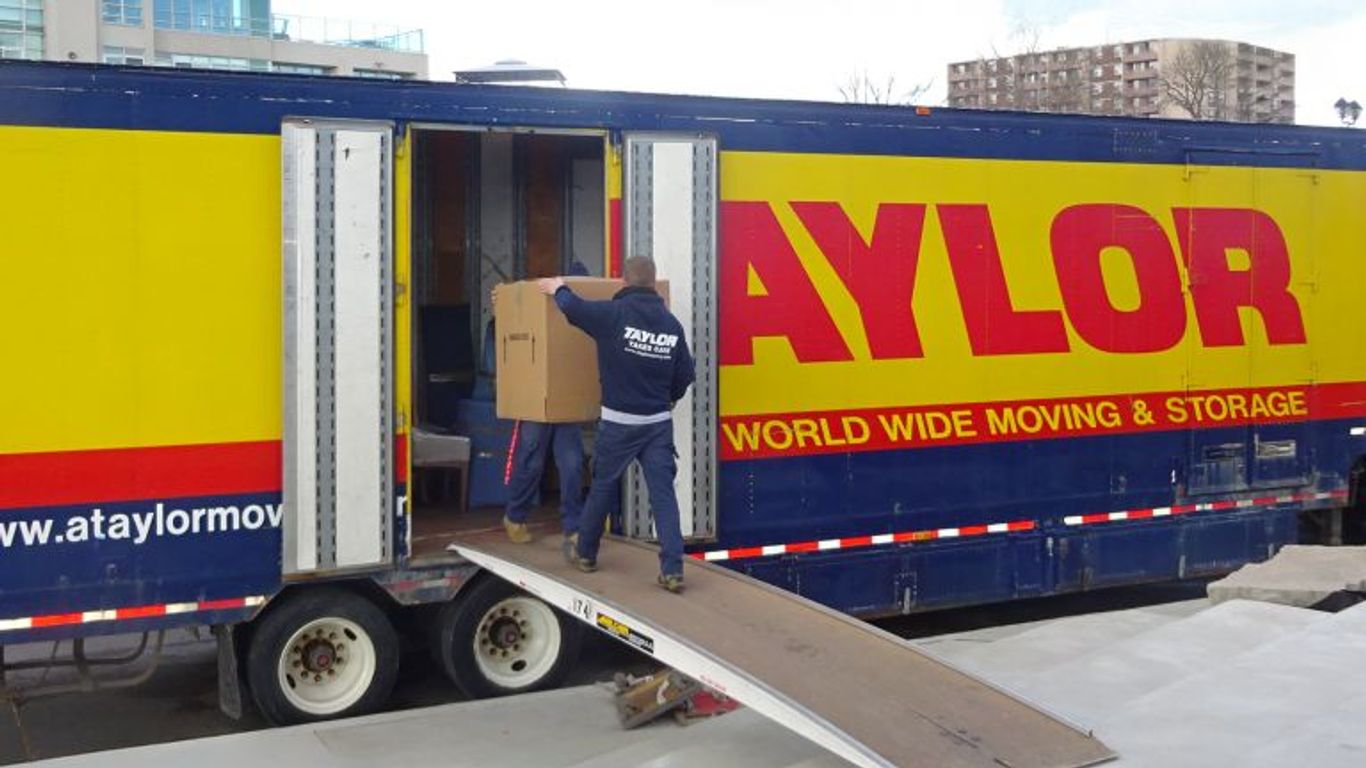
Moving your life across international borders is a big deal, and honestly, the paperwork can feel like the most daunting part. It’s not just about packing boxes; it’s about making sure everything you send complies with the rules of your new country. Understanding and preparing the right documents is key to a smooth transition.
Essential Customs Documents for International Relocation
Every country has its own set of requirements when it comes to importing household goods. For a move to the United States, you’ll typically need to prepare several key documents. Your international move management partner will guide you through this, but it’s good to know what’s generally involved. This usually includes a detailed inventory of everything you’re shipping, often called a packing list or bill of lading. You’ll also need customs declaration forms, which vary by country. For instance, moving to Canada involves specific forms like the BSF186. While the US has its own set of requirements, having a clear, itemized list of your belongings is always a good starting point. This list helps customs officials understand what’s entering the country and can speed up the process.
- Detailed Inventory: A comprehensive list of all items being shipped, including descriptions and estimated values.
- Customs Declaration Forms: Specific forms required by the destination country’s customs agency.
- Proof of Ownership/Residency: Documents like passports, visas, or residency permits.
- Bill of Lading/Air Waybill: The contract between you and the carrier, detailing the shipment.
Understanding What Can and Cannot Be Shipped
This is where things can get tricky. Most countries have lists of prohibited or restricted items. These often include things like hazardous materials (flammable liquids, explosives), certain perishable foods, and sometimes even specific types of plants or animals. For moves into the US, you’ll want to be aware of regulations regarding alcohol, tobacco, firearms, and certain agricultural products. It’s always best to check the official customs website of your destination country or, even better, ask your moving company for a clear list. They deal with this daily and can tell you what’s generally allowed and what might cause problems.
Don’t assume that just because you own something, you can ship it. Many items that are perfectly legal in one country might be restricted or even illegal in another. A little research upfront can save a lot of headaches later.
Minimizing Customs Delays and Risks
Customs delays are a common source of stress during international moves. They often happen because of incomplete or inaccurate documentation, or because items are flagged for inspection. The best way to avoid this is through meticulous preparation. Ensure all your paperwork is filled out correctly and completely. Work closely with your international move management team to double-check everything. Providing clear, honest information about your shipment is vital. If you’re unsure about an item, declare it and ask for clarification rather than trying to hide it. This proactive approach helps prevent unexpected issues and keeps your belongings on track for timely delivery.
- Accurate Documentation: Double-check all forms for completeness and accuracy.
- Clear Communication: Maintain open lines of communication with your moving company.
- Item Declarations: Be upfront about all items, especially those that might be questionable.
- Know the Rules: Familiarize yourself with the destination country’s import regulations.
Addressing Family and Life-Stage Relocation Needs
Moving your whole life across borders is a big deal, and it’s even bigger when you have a family or are in a specific life stage. It’s not just about packing boxes; it’s about packing up routines, comfort zones, and entire family dynamics. Our international move management services are designed to take the weight off your shoulders, no matter your situation.
Making International Moves Less Stressful for Children
Kids often feel the disruption of an international move more than adults. Their school, friends, and familiar surroundings are all changing. The key is to involve them in the process as much as possible, making them feel like part of the adventure rather than victims of circumstance.
- Talk openly: Explain the move in age-appropriate terms. Focus on the exciting new experiences they’ll have.
- Involve them in packing: Let them pack their favorite toys and books themselves. This gives them a sense of control.
- Research together: Look up pictures of their new city, school, or local parks online. This helps build anticipation.
- Maintain routines: Try to keep bedtime routines, meal times, and other familiar activities consistent, even during the chaos of packing.
Moving children internationally requires a delicate balance of practical planning and emotional support. Our move managers can help coordinate with schools and provide resources for family adjustment in your new country.
Considerations for Retirees Moving Abroad
Retiring abroad can be a dream, but it comes with its own set of considerations. Beyond the logistics of moving, there are healthcare, financial, and social adjustments to think about. We help manage the physical move so you can focus on planning your retirement lifestyle.
- Healthcare access: Research healthcare systems and insurance options in your destination country well in advance.
- Financial planning: Consult with financial advisors about managing finances across borders, including pensions and investments.
- Social integration: Look into local clubs, community groups, or expat networks to help you connect with people.
- Documentation: Ensure all necessary visas, residency permits, and identification are in order.
Executive Relocation Planning Tips
For executives and their families, international moves often come with tight deadlines and high expectations. The focus is on efficiency, discretion, and minimizing disruption to professional and personal lives. Our specialized executive relocation services are built for this.
- Pre-move surveys: Detailed assessments of your home and belongings to create an accurate moving plan.
- Dedicated move manager: A single point of contact to oversee every aspect of your move.
- Destination services: Assistance with finding housing, schools, and settling into your new community.
- Temporary accommodation: Arranging short-term living solutions if needed between moves.
We understand that every move is unique, especially when it involves different life stages. Our goal is to provide tailored international move management that fits your specific needs, making your transition as smooth as possible. If you’re planning a move, consider how our services can support your family’s journey across borders.
Special Logistics for Your International Move
Moving your life across borders is a big undertaking, and sometimes the standard packing and shipping just won’t cut it. There are a few special cases that require extra attention and planning. Our international move management services are designed to handle these unique situations, making sure everything arrives safely and according to regulations.
Moving Pets Across Borders
Your furry family members are just as important as any other part of your household. Moving pets internationally involves a lot more than just putting them in a carrier. Each country has its own rules about vaccinations, quarantine periods, and required documentation. Proper planning for your pet’s journey is key to avoiding last-minute stress at the airport or border. We work with specialized pet transport partners who understand these requirements and can guide you through the process, from health certificates to airline-approved crates.
Transporting Vehicles Internationally
Shipping a car or motorcycle overseas adds another layer of complexity. You’ll need to consider the method of transport – whether it’s via container ship or Ro-Ro (Roll-on/Roll-off) service. Each has its pros and cons regarding cost and protection. We also help you understand the necessary paperwork, like title transfers and customs declarations, to ensure your vehicle clears customs without a hitch. It’s important to know that some countries have restrictions on importing older vehicles, so research is vital.
Handling Fine Art and Valuables
Items like fine art, antiques, or other high-value possessions require specialized care. These aren’t your average household goods. We partner with experts in crating and handling delicate items, using custom-built crates with protective padding and climate control if needed. This ensures that even the most fragile pieces are shielded from the rigors of international transit. Understanding the insurance options for these items is also a critical step in protecting your investment. Shipping fragile items can be tricky, but with the right approach, it’s manageable.
When dealing with special logistics, clear communication and detailed planning are non-negotiable. Our move management approach means we coordinate all the moving parts, from documentation to specialized handling, so you don’t have to.
Here’s a quick look at what goes into planning for these special items:
- Pets: Health certificates, vaccination records, breed-specific regulations, quarantine rules, and travel-approved carriers.
- Vehicles: Title and registration documents, customs forms, import duties, and choosing between container or Ro-Ro shipping.
- Valuables: Custom crating, specialized insurance, condition reports, and adherence to any import/export restrictions for specific items.
Moving your life across borders can seem tricky, but we make it simple. We handle all the special details for your international move, so you don’t have to worry. Ready to start your journey? Visit our website today to learn more and get a free quote!
Conclusion
Moving your life across borders is a big deal, and picking the right international moving company for your move to the United States is a huge part of making it go smoothly. Take your time, do your homework, and ask lots of questions. By understanding the services, costs, and what makes a mover trustworthy, you can find a company that will help you settle into your new home without too much stress. Remember, a good mover is an investment in a peaceful transition.
Frequently Asked Questions
What does a full-service international mover actually do?
A full-service mover handles pretty much everything. This means they’ll pack your stuff, load it onto the truck or ship, deal with the shipping details, and often help with customs paperwork. They might even unpack for you when it arrives. It’s like having a moving assistant for your whole trip.
How long does an international move usually take?
It really depends on where you’re moving from and to, and how you’re shipping your things. Sea freight can take weeks or even months because it’s slower. Air freight is much faster, usually just days, but it costs more. It’s best to ask your mover for a timeline specific to your move.
What’s the difference between air freight and sea freight?
Think of sea freight like a big cargo ship carrying lots of things slowly across the ocean. It’s cheaper but takes a long time. Air freight is like sending your stuff on an airplane. It’s super fast but costs a lot more money. You usually pick based on how quickly you need your things and how much you want to spend.
How can I be sure a moving company is trustworthy?
Look for companies that have good reviews and maybe belong to professional groups like IAM or FIDI. Ask them for references and get everything in writing. Also, try to find out if they use their own trucks and people or if they just hire other companies to do the work. Knowing who’s in charge matters.
What kind of documents will I need for an international move?
You’ll likely need a detailed list of everything you’re shipping (an inventory), your passport or visa information, and maybe special forms for customs in the country you’re moving to. Some countries have rules about what you can bring in, so it’s good to check those rules beforehand.
Can my moving company ship my pet?
Many international moving companies can help arrange pet transport, but it’s often a separate service or handled by a specialized pet relocation company they partner with. Pets have their own rules for travel, like health checks and specific carriers, so be sure to ask your mover about this early on.
Leave a Comment