How to Move International: A Comprehensive Guide for a Smooth Transition

So, you’re thinking about moving to another country. It’s a big step, no doubt about it. There’s a lot to sort out, from packing your favorite mug to figuring out all the paperwork. This guide is here to break down how to move international without losing your mind. We’ll cover the basics, the costs, the red tape, and even how to make it easier on your family. Let’s get this move planned.
Key Takeaways
- Understand the general process of international moving, including what full-service movers typically handle and the timeline involved.
- Figure out the costs associated with moving overseas, including common expenses and potential hidden fees, and learn how to compare quotes.
- Get a handle on customs requirements and necessary documentation to avoid delays when shipping your belongings.
- Plan for specific life stages or family needs, whether you’re moving with children, relocating for work, or retiring abroad.
- Choose a reliable international moving company by knowing what to look for, what questions to ask, and how to assess their services.
Understanding International Moving Basics
Moving your life across borders is a big deal, and honestly, it can feel pretty overwhelming at first. You’re not just packing boxes; you’re packing up your entire world and sending it somewhere new. It’s a process that requires a bit of know-how, and that’s where understanding the basics comes in. Our international move management services are designed to simplify this complexity for you.
How International Moving Works
At its core, international moving involves transporting your household goods from one country to another. This isn’t like a local move where a truck shows up and takes everything across town. It involves multiple stages, including packing, loading, international shipping (usually by sea or air), customs clearance in both countries, and final delivery to your new home. The entire journey is a coordinated effort, often involving several different companies and logistics experts. Think of it as a relay race for your belongings, where each leg needs to be handled with precision. We manage these intricate details, so you don’t have to.
What Full-Service International Moving Includes
When you opt for full-service international moving, you’re essentially handing over the reins for the entire process. This typically includes:
- Pre-move survey: An assessment of your belongings to provide an accurate quote.
- Professional packing: Your items are carefully wrapped, boxed, and prepared for international transit.
- Customs documentation assistance: Help with the paperwork needed to get your goods through customs.
- International shipping: Arranging transport via sea freight or air freight.
- Destination services: This can include customs clearance, unpacking, and debris removal at your new home.
- Transit insurance: Options to protect your belongings during the move.
Our approach focuses on providing a complete solution, taking the stress out of every step. We aim to make your transition as smooth as possible, from the moment we provide your first quote to the final delivery of your items.
International Moving Timeline From First Quote to Final Delivery
Planning is key, and knowing the general timeline helps manage expectations. While every move is different, here’s a rough idea of what to expect:
- 8-12 weeks before departure: Get quotes, choose a mover, and book your service. Start decluttering.
- 4-8 weeks before departure: Packing begins. Finalize customs paperwork.
- 1-4 weeks before departure: Shipping arrangements are confirmed. Your belongings are picked up.
- Transit time: This varies greatly depending on the shipping method and destination. Sea freight can take 6-12 weeks, while air freight is much faster, usually 1-2 weeks.
- Customs clearance: This happens upon arrival in the destination country and can take a few days to a couple of weeks.
- Final delivery: Once cleared, your goods are delivered to your new home.
Understanding this timeline is part of creating a solid international moving checklist. We work with you to establish realistic timelines for your specific move.
Air Freight vs. Sea Freight: Making the Right Choice
Choosing between air and sea freight is a big decision that impacts both cost and speed.
- Sea Freight: This is the most common and cost-effective method for international household moves. It’s slower, taking anywhere from 6 to 12 weeks or more, but it’s ideal for larger shipments and when budget is a primary concern. It’s generally better for moving the bulk of your household goods.
- Air Freight: This is significantly faster, typically taking 1-2 weeks. It’s more expensive, so it’s usually reserved for essential items you need quickly or for smaller shipments. Think of it for those must-have items you can’t wait for.
Our move management services help you weigh these options based on your priorities, budget, and timeline. We guide you toward the best shipping method for your unique situation, ensuring your belongings arrive when and how you need them.
The decision between air and sea freight isn’t just about speed versus cost. It’s about understanding your priorities for the move and aligning them with the most practical shipping solution. Sometimes, a combination of both might be the best approach for different parts of your shipment.
Navigating Costs and Value for Your Move
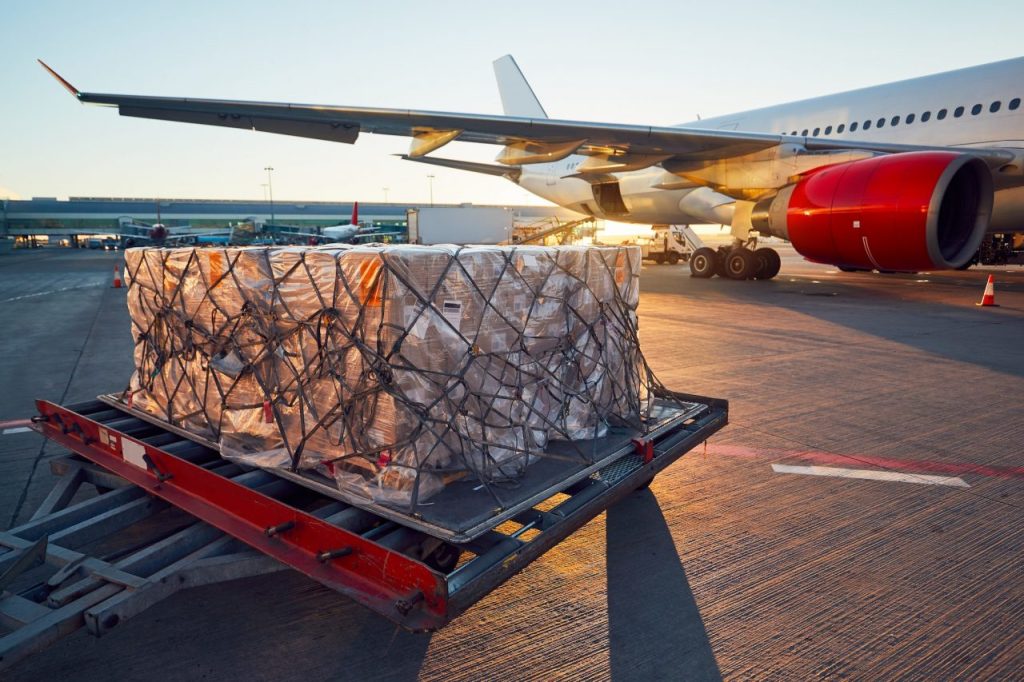
Moving your life across borders can feel like a big financial puzzle. It’s not just about packing boxes; it’s about understanding where your money is going and making sure you’re getting good value for it. Many people worry about unexpected charges popping up, and that’s totally understandable. Our goal is to help you get a clear picture of what an international move really costs, so you can plan wisely and avoid those nasty surprises.
International Moving Cost Guides by Lane
The price of moving internationally isn’t a one-size-fits-all number. It really depends on where you’re going and where you’re coming from. Think of it like planning a trip; flights to Australia cost differently than flights to a neighboring country. The same applies to moving your household goods. We’ve put together some guides based on common moving routes to give you a better idea of what to expect. These guides break down the average costs associated with specific “lanes,” helping you budget more accurately for your specific situation. For example, moving from the US to Canada will have a different cost structure than moving from the US to Asia. Understanding these lane-specific costs is a great first step in managing your budget. moving cost guides
Factors Affecting Overseas Move Expenses
So, what actually makes the price go up or down? Several things play a role. The sheer volume and weight of your belongings are big ones. More stuff means more space needed on a ship or plane, and that costs more. The distance to your new home is another major factor. Shipping across the ocean is naturally more expensive than moving to a nearby country. Then there’s the method of transport: air freight is faster but pricier, while sea freight is slower but more budget-friendly. Beyond that, things like professional packing services, insurance for your items, and any services needed at your destination can add to the total. It’s a lot to consider, and our move management services help you sort through all these details.
Identifying Hidden Costs of Moving Abroad
This is where things can get tricky if you’re not careful. Beyond the main shipping costs, there are often smaller expenses that can add up. These might include fees for customs clearance in your destination country, storage if your new home isn’t ready when your belongings arrive, or even the cost of shipping items that aren’t part of your main household goods, like vehicles or pets. Sometimes, there are charges for specific types of packing materials needed for international transit. Being aware of these potential hidden costs is key to avoiding budget blowouts. We work hard to make these transparent for you.
Comparing International Moving Quotes Effectively
Getting quotes is a smart move, but not all quotes are created equal. When you compare them, look beyond just the bottom line number. Make sure each quote details exactly what services are included. Does it cover packing, loading, shipping, unloading, and unpacking? What about customs assistance? A quote that looks cheaper might be missing crucial services that you’ll end up paying for separately later. Also, pay attention to the estimated transit times. A longer transit time might mean a lower cost, but is it worth the wait for you? Always ask for a detailed breakdown and clarify any points you don’t understand. Our approach focuses on providing clear, all-inclusive estimates so you know precisely what to expect.
Planning an international move requires a good grasp of the financial aspects. It’s not just about the big ticket items like shipping; you also need to account for packing, insurance, and potential destination fees. Being aware of these elements and looking out for any hidden costs is really important for staying on budget and making your relocation smoother. Planning an international move to Canada
Here’s a quick look at what can influence your quote:
- Volume and Weight: The more you move, the more it generally costs.
- Distance: Moving further away typically increases the price.
- Shipping Method: Air freight is faster but more expensive than sea freight.
- Services: Packing, unpacking, insurance, and customs assistance all affect the final cost.
- Destination Fees: Charges related to delivery and customs in the new country.
Essential Customs and Documentation Procedures
Moving your life across borders involves more than just packing boxes. You’ve got to get the paperwork right. This is where customs and documentation come into play, and honestly, it can feel like a maze if you’re not prepared. Getting this part wrong can lead to delays, extra fees, or even your belongings being sent back. Our international move management service helps simplify this whole process for you.
Customs Documents Needed for an International Move
Every country has its own set of rules for what you can bring in. Generally, you’ll need a few key documents to get your shipment cleared. Think of these as your passport for your possessions.
- Customs Declaration Form: This is a standard form that lists what you’re shipping and its value. It’s used by customs officials to assess duties and taxes.
- Inventory List: A detailed list of every item in your shipment. This should include quantities and a general description. The more accurate this is, the smoother things will go.
- Passport/Visa Information: You’ll likely need to provide copies of your passport and any relevant visa or residency permits for the destination country.
- Proof of Ownership/Residence: Sometimes, you might need to show proof that you’ve owned certain items for a specific period (like furniture) or that you’re a resident of the destination country.
What Can and Cannot Be Shipped Internationally
This is a big one. Countries have strict rules about what’s allowed in. Ignorance isn’t bliss here; it can cost you.
Generally, you can ship most household goods and personal effects. This includes furniture, clothing, books, and kitchenware. However, there are always exceptions and specific regulations.
Items that are often restricted or prohibited include:
- Hazardous Materials: Things like flammable liquids, aerosols, batteries (sometimes), and cleaning supplies can be a no-go.
- Perishable Items: Food, plants, and even certain pet foods are usually not allowed due to agricultural and health regulations.
- Firearms and Ammunition: These are heavily regulated and often require special permits or are outright banned.
- Alcohol and Tobacco: Import limits and taxes are common, and some countries have outright bans.
- Certain Medications: Prescription drugs might require a doctor’s note or specific import permits.
- Antiques and Art: While often shippable, these may require special documentation, insurance, and adherence to cultural heritage laws.
It’s always best to check the specific import regulations for your destination country well in advance. We can help you sort through these details.
Reducing Customs Delays and Their Causes
Customs delays are frustrating. They can add weeks to your delivery time and create a lot of stress. Most delays happen because of paperwork issues or prohibited items.
Here’s how to minimize the chances of a holdup:
- Be Honest and Accurate: Fill out all forms truthfully and with as much detail as possible. Don’t try to undervalue items to save on duties; it can backfire.
- Prepare a Detailed Inventory: A clear, itemized list helps customs officials understand what’s in your shipment quickly. Make sure it matches what’s actually packed.
- Know the Restricted Items: Familiarize yourself with the destination country’s list of prohibited and restricted goods. If you’re unsure about an item, ask your mover before packing it.
- Provide All Required Documents Promptly: Have your passport, visa, and any other requested documents ready. Delays in providing these can hold up your entire shipment.
Dealing with customs can feel overwhelming, but with careful planning and accurate documentation, you can significantly reduce the risk of delays. Our team is experienced in managing these requirements, making the process much smoother for you.
Preparing an Accurate Inventory for Your Overseas Move
An inventory list is more than just a packing list; it’s a legal document for customs and insurance purposes. It’s your shipment’s manifest.
When creating your inventory, aim for:
- Itemized Descriptions: List individual items or small groups of similar items (e.g., “5 x dining chairs,” “1 x queen bed frame”).
- Condition Notes: Briefly note the condition of valuable or fragile items before they are packed. This helps if any claims need to be made later.
- Value Assessment: Assign a realistic replacement value to each item or group. This is used for customs duties and insurance calculations.
- Box Contents: If items are packed in boxes, the inventory should list the box number and a general description of its contents (e.g., “Box 10: Kitchenware – plates, bowls, glasses”).
Having a well-prepared inventory is a key part of our move management process. It helps ensure everything is accounted for and speeds up customs clearance. If you’re shipping a vehicle, remember that specific documentation like the title is required, and you’ll need to present a manifest to customs officers detailing the items within it [ef91]. Planning for vehicle shipping also involves understanding import permits and country-specific rules [847e].
Planning Your International Move for Family and Life Stages
Moving your whole life to another country is a big deal, and it’s even bigger when you have a family or are in a specific life stage. It’s not just about packing boxes; it’s about packing up your entire life and setting it down somewhere new. Thinking about how this affects everyone involved is super important for a smooth transition. Our international move management services are designed to help you consider all these personal aspects.
International Moving Strategies for Families
When you’re moving with kids, the whole process can feel a lot more complicated. You’ve got school records to sort out, new routines to establish, and, of course, the emotional side of things for the children. It’s about making sure their world stays as stable as possible during a time of big change. We help families plan for these specific needs, from finding new schools to making sure their favorite toys arrive safely.
- Start the conversation early: Talk to your children about the move in an age-appropriate way. Explain why you’re moving and what exciting new things they can expect.
- Involve them in packing: Let them pack their own special box of treasures. This gives them a sense of control and ensures their most important items are handled with care.
- Research the new location together: Look up parks, kid-friendly activities, and schools online. This can build anticipation and make the new place feel more familiar before you even arrive.
- Plan for their comfort during transit: Long flights or car rides can be tough. Pack a separate bag with snacks, entertainment, and comfort items.
Executive Relocation Planning Tips
For executives on the move, time is often the most valuable commodity. Relocation needs to be efficient, discreet, and well-organized. This often involves coordinating with employers, managing complex visa requirements, and ensuring minimal disruption to your professional life. Our move management approach focuses on providing a high-touch service that handles the intricate details, allowing you to focus on your career.
Retiring Abroad: Key Preparations Before Your Move
Retiring in a new country can be a dream, but it requires careful planning. You’ll need to think about healthcare, finances, and setting up a comfortable life in your new home. It’s about more than just moving your belongings; it’s about moving your lifestyle. We assist retirees by managing the logistics of their move, so they can concentrate on enjoying their retirement years.
- Healthcare access: Research the healthcare system in your destination country. Understand how to register, what coverage you can expect, and if any pre-existing conditions need special consideration.
- Financial planning: Ensure your finances are in order. This includes understanding currency exchange, banking, and any tax implications of living abroad.
- Housing and community: Look into housing options that suit your retirement needs and explore local communities to find places where you can connect with others.
- Legal and administrative tasks: Update wills, power of attorney, and any other legal documents to reflect your new residency.
Making an Overseas Move Less Stressful for Children
Children experience moves differently than adults. They might feel anxious about leaving friends, familiar surroundings, and their school. Our goal is to make this transition as gentle as possible for them. We focus on maintaining routines where possible and ensuring their favorite items are part of the move. Understanding the emotional impact is key, and our services are built to support the entire family’s well-being during this significant life event. Moving with children internationally can be managed with the right support.
Moving internationally is a significant life event that impacts every family member. Addressing the unique needs of children, executives, and retirees requires a tailored approach. Our move management services are designed to provide this personalized support, ensuring that each stage of the relocation is handled with care and attention to detail, from the initial planning to settling into your new home.
Choosing the Right International Moving Company
Picking the right company to handle your international move is a big deal. It’s not like just moving across town; this involves crossing borders, dealing with different rules, and trusting someone with all your belongings. You want a company that knows what they’re doing, plain and simple. Our international move management services are designed to take the guesswork out of this process for you.
How to Select a Reputable International Mover
Finding a mover you can trust is probably the most important step. You’re handing over your life’s possessions, so reliability is key. Look for companies with a solid track record and good reviews. It’s also smart to see if they have experience with the specific countries you’re moving to and from. We focus on building that trust through clear communication and proven processes.
Understanding Accreditations and Certifications
Accreditations can be a good indicator of a mover’s commitment to quality and standards. Organizations like FIDI, IAM (International Association of Movers), and AMSA (American Moving & Storage Association) have specific requirements for their members. While these aren’t the only things to consider, they can help you narrow down your choices. It shows they’re part of a larger professional community.
Key Questions to Ask Before Hiring an Overseas Mover
Don’t be shy about asking questions. A good mover will be happy to answer them. Here are a few things you should definitely ask:
- What is your experience with moves between [Your Origin Country] and [Your Destination Country]?
- Who will be my main point of contact throughout the move?
- What kind of insurance coverage do you offer for international shipments?
- Can you provide a detailed breakdown of all costs involved?
- How do you handle customs clearance and documentation?
Comparing Service Quality, Timelines, and Value
When you get quotes, don’t just look at the bottom line. Compare what’s included. Does one quote seem much lower than others? There might be a reason. Make sure you’re comparing apples to apples. Look at the services offered, the estimated delivery times, and how the company communicates. We aim to provide clear value by managing the entire process efficiently, so you know what to expect from start to finish. Understanding the full scope of international moving is complex, and having a partner who can coordinate all the moving parts makes a significant difference [c80c].
Choosing a mover is about more than just price; it’s about peace of mind. You need a partner who understands the intricacies of international relocation and can guide you through each step with confidence.
Addressing Special Logistics and Unique Moving Needs
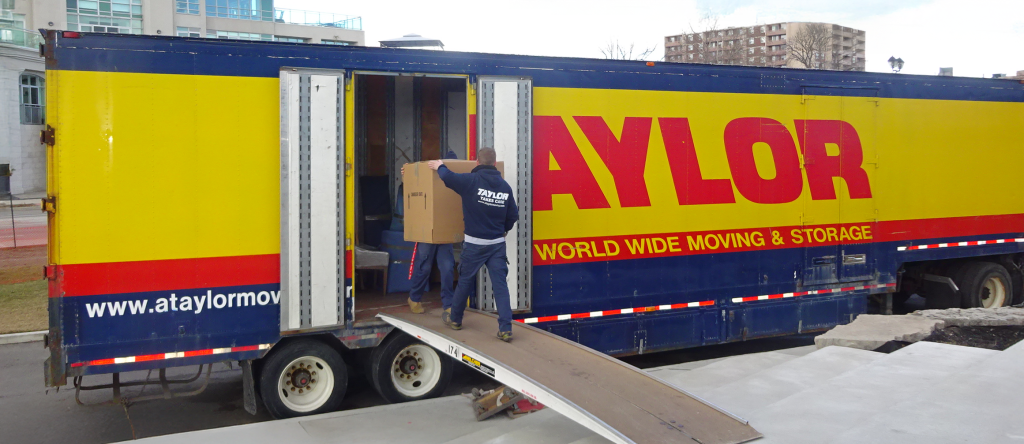
Moving your life across borders is one thing, but what about the things that don’t fit neatly into a standard box? International moves often come with unique challenges, from furry family members to valuable collections. Our international move management services are designed to handle these specific situations with care and precision, making sure every aspect of your relocation is covered.
How to Move Pets Internationally
Your pets are family, and getting them to your new home safely is a top priority. This process involves more than just booking a flight. Different countries have strict rules about vaccinations, quarantine periods, and even the types of carriers allowed. We work with you to understand the specific requirements for your destination country, helping to arrange necessary vet visits, health certificates, and proper travel crates. Planning for pet relocation should start months in advance to avoid last-minute issues.
Shipping Vehicles Overseas: What You Need to Know
Sending a car or motorcycle to another country adds another layer of complexity. You’ll need to consider shipping methods like Ro-Ro (Roll-on/Roll-off) or container shipping, each with its own pros and cons. Import duties, taxes, and registration requirements vary wildly by country. We help you sort through the paperwork and logistics, so your vehicle arrives ready to hit the road in its new location. It’s a big undertaking, but with the right planning, it’s totally doable.
Moving Fine Art and Antiques Internationally
These items aren’t just possessions; they’re often irreplaceable treasures. Moving fine art and antiques requires specialized packing materials, climate-controlled transport options, and careful handling to prevent damage. We partner with specialists who understand how to protect delicate pieces during transit. Proper documentation, including appraisals and condition reports, is also key for customs and insurance purposes. Relocating internationally from Canada can involve these special items, and we’re here to manage it.
Special Considerations for Time-Sensitive or High-Value Items
Some items might be particularly time-sensitive, like a business-critical piece of equipment, or extremely high-value, such as jewelry or important documents. For these, we explore expedited shipping options and enhanced security measures. This could involve air freight for speed or specialized insurance coverage. Our goal is to provide peace of mind, knowing that your most important belongings are protected throughout the entire journey. We focus on comprehensive international moving services that cover every detail.
Got a tricky move or special items? We handle all sorts of unique moving challenges with care. From large furniture to delicate art, we’ve got you covered. Visit our website to learn how we can make your special move easy!
Ready for Your New Adventure
So, you’ve made it through the guide. Moving overseas, whether it’s across Canada, to the US, or even further afield, is a big deal. It’s a lot to think about, from packing up your whole life to figuring out customs and getting your family settled. But with a bit of planning and the right help, it doesn’t have to be overwhelming. Remember to ask questions, compare your options, and trust the process. This is the start of something new, and we hope this guide has made that first step a little easier. Good luck with your move!
Frequently Asked Questions
What’s the first step when planning an international move?
The very first thing you should do is get a quote from a moving company. This helps you understand the potential costs and timeline. It’s also a good time to start thinking about what you’ll need to pack and what you can leave behind.
How much does it cost to move overseas?
The price can change a lot depending on how far you’re moving, how much stuff you have, and how you’re shipping it (by air or sea). Always ask for a detailed breakdown of costs to avoid surprises later on.
What kind of paperwork will I need for an international move?
You’ll likely need a lot of documents! This usually includes things like a detailed list of everything you’re shipping (an inventory), passports, visas, and possibly customs forms specific to the country you’re moving to. Your moving company can help guide you through this.
How do I choose a good international moving company?
Look for companies that are well-known and have good reviews. Ask them about their experience, what services they offer, and if they have any special certifications. Getting quotes from a few different companies will also help you compare their services and prices.
Can I ship my car or my pets internationally?
Yes, you can often ship cars and pets, but it’s a bit more complicated. There are special rules and paperwork for both. It’s best to talk to your moving company early on about these specific needs so they can plan accordingly.
How long does it take for my belongings to arrive in a new country?
It really depends on the shipping method. Moving by sea is usually cheaper but takes much longer, sometimes months. Shipping by air is faster but more expensive. Your moving company can give you a better idea of the expected delivery time.
Leave a Comment