Moving from Canada to Australia: A guide to customs and household goods

Key Takeaways
Moving your household from Canada to Australia requires careful navigation of biosecurity and customs regulations. These are the critical elements for a successful transition:
- Start your international logistical planning at least three to four months before departure.
- Prepare a detailed, descriptive inventory list in English for all personal effects.
- Ensure all household goods have been owned and used for 12 months for duty-free entry.
- Familiarize yourself with Australian Department of Agriculture biosafety requirements for organic materials.
- Utilize professional move management to coordinate complex Pacific transit and final delivery.
Understanding Australian customs requirements for household goods
The role of the Australian Border Force
The Australian Border Force serves as the primary regulator for all goods entering the country, ensuring compliance with both local laws and international trade standards. Navigating these requirements demands a clear understanding of the regulatory landscape to maintain a smooth flow of your belongings from Canada. Taylor International provides the structural support needed to manage these compliance hurdles, acting as a guide through the complex interface of border control and personal shipment management.
Unaccompanied personal effects declaration
When shipping your belongings from abroad, you must properly declare all items as unaccompanied personal effects to qualify for specific import conditions. This declaration is a formal process where you attest to the nature and ownership period of your goods, shielding you from unnecessary tariffs. You must ensure that your documentation accurately reflects the cargo to align with standard port clearance procedures.
Importance of a detailed packing list
Your packing list serves as the primary reference document for customs officers during the review phase of your shipment. It must specify the contents of every box in plain, descriptive language to prevent inspection flags or delays. A precise inventory, when handled with foresight, allows for a seamless Canada to Australia customs moving household goods experience.
Essential documentation for your shipment
Proof of residence and citizenship status
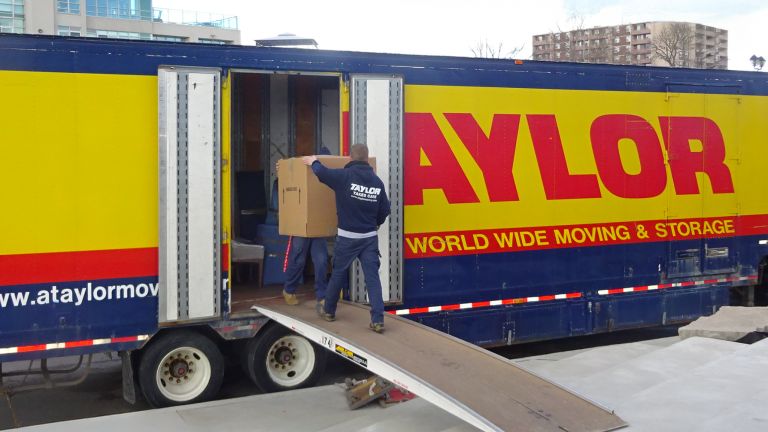
Proving your right to import goods is a foundational step in your relocation, requiring copies of your passport and relevant visa documentation. These papers demonstrate your connection to the destination country, validating that your arrival is authorized. If you are uncertain about specific status requirements, consulting Taylor International Movers resources can provide the clarity needed.
Completion of form B534
The B534 Unaccompanied Effects Form is the mandatory document that bridges the gap between your arrival and your cargo’s processing. It is vital that this document remains error-free, as customs officials rely on its accuracy to determine the status of your shipment. Keeping a clean, original copy of this form is essential, as digital imitations or photocopies are often rejected by authorities.
Organizing shipping and insurance records
Maintaining a centralized folder for all insurance and shipping records allows you to demonstrate ownership and protection of your property while it is in transit. These records act as a secondary layer of evidence should any questions regarding the value or age of your items arise during the clearance process. By working with Taylor International Movers for your transit planning, you ensure that these critical documents are properly aligned with logistical timelines.
What can and cannot be imported into Australia
Prohibited and restricted items
Australia maintains very strict regulations regarding the importation of certain materials to protect its unique native environment. Certain items are strictly forbidden, while others require specific permits or deep cleaning procedures to confirm they are safe to enter the country. It is crucial to review your list of belongings before packing.
| Item Category | Status | Requirement |
|---|---|---|
| Handguns and Weapons | Prohibited | Special Permit |
| Soil and Live Plants | Prohibited | None |
| Used Camping Gear | Restricted | Inspection Required |
Managing quarantine requirements for organic materials
Quarantine inspectors are particularly vigilant when checking items that might contain organic matter, such as wood, plant fibers, or food remnants. Any wooden furniture, wicker items, or bamboo pieces must be clearly noted on your inventory so they can be inspected effectively. Taking these steps significantly reduces the risk of biosecurity holds that often frustrate international movers.
Handling items with sentimental or high value
For high-value items, you should document their origins and purchase dates, keeping these records alongside your primary shipping manifest. While sentimental items rarely face duty, they must be processed within the same, transparent logistics framework used for your standard boxes. Protecting your most important assets during the long-distance sea freight process requires careful preparation and robust insurance coverage.
Navigating the inspection and clearance process
What takes place during physical quarantine inspections
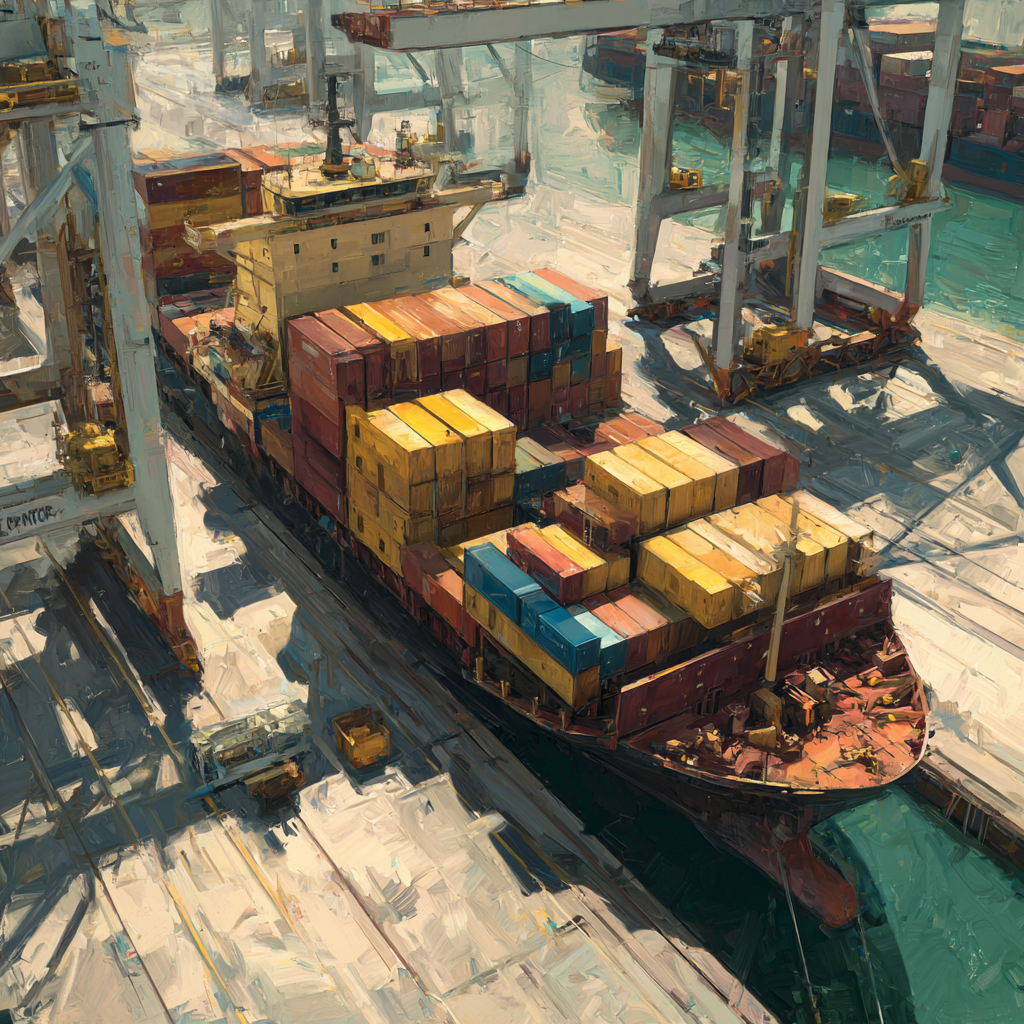
When a shipment reaches an Australian port, border agents may select containers for physical quarantine inspections to check for invasive pests or organic contaminants. These inspections involve specialized technicians carefully sifting through items to ensure that no debris or insects entered the cargo during the transit process.
Clearing your goods with the Department of Agriculture
After passing through basic border scrutiny, your shipment must be cleared by the Department of Agriculture, which focuses specifically on biological integrity and environmental safety. This phase of the import process is non-negotiable and requires that your documentation fully accounts for any items perceived as a potential biosecurity risk. Dealing with these agencies effectively is a fundamental part of your success, and staying proactive during this time is key.
Potential customs duty and tax implications
Understanding your duty and tax exposure is vital before your cargo even leaves the loading dock in Canada. By working with International Moving Inc., you can verify the status of your household assets and avoid unnecessary fiscal surprises upon arrival. It is often necessary to review local customs regulations to ensure you are meeting all financial obligations for your personal effects.
Strategic planning to avoid customs delays
Choosing the right shipping methods
Selecting the appropriate shipping method depends on your timeline and the scale of your household, whether you opt for full container loads or partial shipments. A reliable mover will assist you in mapping out the most direct route to your new residence while keeping transit times predictable. For those researching complex overseas moving needs, careful logistics management is paramount.
Accurate inventory management and labeling
- Number every carton clearly on the outside to match your master list.
- Label contents with descriptive tags like "kitchenware," "linens," or "books."
- Keep a separate inventory log that matches the itemized, digital manifest.
- Ensure all items are categorized consistently to avoid classification errors at the port.
Working with experienced international moving partners
Choosing an experienced provider like Taylor International Movers ensures that every step of your journey is managed with professional oversight and technical precision. They assist in coordinating the complex requirements of 1534 economic hubs, and they provide the guidance needed for bHIP scale operations or off-grid sewage systems if your new property requires specialized setup. You should also consider 3449 for your asset management needs, and if you are sourcing new appliances, understand the b988 import regulations.
Specialized items and logistics considerations
Importing vehicles and motorbikes
Shipping motor vehicles requires specialized licenses and strict adherence to specific Australian vehicle standards that go beyond standard household goods. You must prepare for rigorous cleaning sessions to remove all road grit and mechanical fluids before the vehicle can clear the initial inspection phase. This process is time-consuming and often requires significant notice to shipping partners.
Requirements for transporting pets
Transporting family pets is arguably the most sensitive aspect of your relocation, involving rigorous health checks and quarantine periods. You must ensure all vaccinations are up to date and that you have obtained the necessary import permits well ahead of your travel date. This careful attention to detail helps minimize stress for both you and your animals during the long international journey.
Shipping fine art and fragile collections
Fine art, glass, and fragile collections require specialized crating and climate-controlled environments to resist the fluctuations common in long-distance shipping. Using professional packing materials ensures that your valuables are shielded from vibrations and impact throughout the voyage. It is important to get a quote specifically for these high-value items, as they fall outside standard shipping procedures.
Conclusion
Relocating your life from Canada to Australia is a detailed endeavor that tests your ability to plan and manage complex logistics effectively. By prioritizing clear documentation, understanding biosecurity restrictions, and partnering with an expert firm, you ensure that your belongings arrive safely and that you can focus on building your new life in the southern hemisphere. Our team at Taylor International ensures your relocation process is handled with total professional care.
Frequently Asked Questions
How long should I plan to wait for my belongings to arrive in Australia?
Shipping times typically range from eight to twelve weeks, though this depends heavily on your departure city and shipping method; international sea freight often involves multiple port stops that can affect final transit times.
Are there any specific items I should absolutely leave behind?
Items that are easily replaceable, such as standard kitchen appliances with different electrical plugs or bulky, low-value furniture, are often best donated or sold before you pack, given the high cost of shipping individual boxes overseas.
What happens if I make a mistake on my import paperwork?
Minor errors can usually be addressed through the local agent who clears your goods, but significant inaccuracies can lead to severe fines, prolonged storage fees, and in some cases, the confiscation of your household items for further investigation.
Can I move as a first-time migrant without paying duty?
Most individuals arriving as permanent residents or citizens are eligible for duty-free entry on used household goods, provided you can prove you have owned and used these items for at least twelve continuous months prior to your departure.
What do I need to prepare for a biosecurity inspection?
Preparation involves thoroughly cleaning your items—especially items used outdoors like bicycles, garden tools, or camping equipment—to remove dirt, seed pods, or organic debris that could trigger a biosecurity quarantine.
Is it possible to clear my goods before I actually arrive in Australia?
Yes, it is possible for a customs broker to begin the processing of your shipment before you reach the country, provided all necessary signed paperwork is filed in advance, though your actual ability to collect the goods often waits for your arrival.
Why are wood products so heavily regulated in Australian customs?
Australia’s strict focus on wood products is designed to prevent the introduction of borers, termites, and other timber-pests that could potentially devastate the country’s native forests and local agricultural ecosystems if they were introduced through infected household furniture.
Leave a Comment