Moving Internationally? Here’s What To Do When Moving Internationally
Planning an international move can feel like a huge task. There’s so much to think about, from packing your belongings to figuring out all the paperwork. It’s easy to get overwhelmed. This guide breaks down what to do when moving internationally, step by step, so you can focus on the exciting new chapter ahead.
Key Takeaways
- Understand the entire international moving process, including how to choose between shipping by air or sea, and plan your timeline well in advance.
- Get a clear picture of all potential costs, compare quotes from different companies, and watch out for unexpected expenses.
- Learn about the customs documents you’ll need, what items are restricted, and how to avoid delays with your shipment.
- Figure out the best ways to help your family, especially children, adjust to a new country and community.
- Know what questions to ask moving companies and how to tell if they are reliable before you hire them.
Navigating International Moving Logistics
Moving your life across borders is a big deal, and getting the logistics right from the start makes all the difference. It’s not just about packing boxes; it’s about understanding the whole process, from how your belongings travel to when they’ll arrive. Our international move management service is designed to take the guesswork out of this complex journey, helping you plan and execute your relocation with confidence.
Understanding International Moving Processes
The first step in any international move is to get a handle on how it all works. This involves more than just picking a moving company. You need to think about transit times, customs clearance, and delivery to your new home. A well-coordinated move minimizes stress and unexpected issues. Our approach focuses on providing clarity at every stage, so you know what to expect and when. We help you prepare for the entire journey, from the moment your items leave your old home until they are safely in your new one. This includes understanding the different stages of international shipping and how they impact your timeline. For a detailed look at what goes into planning, check out this international move checklist.
Choosing Between Air and Sea Freight
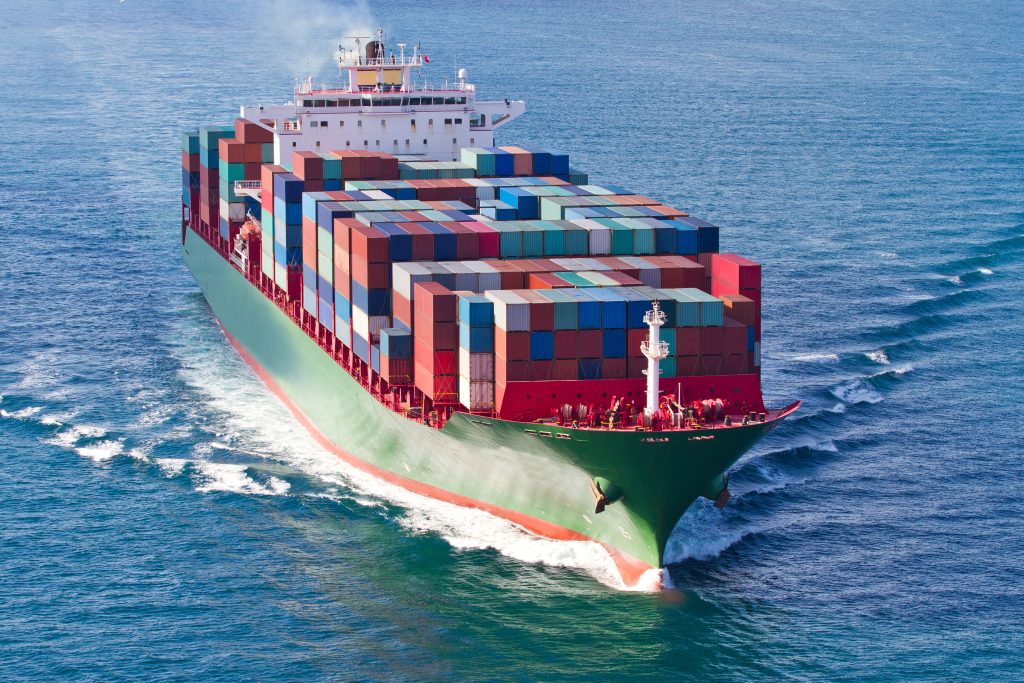
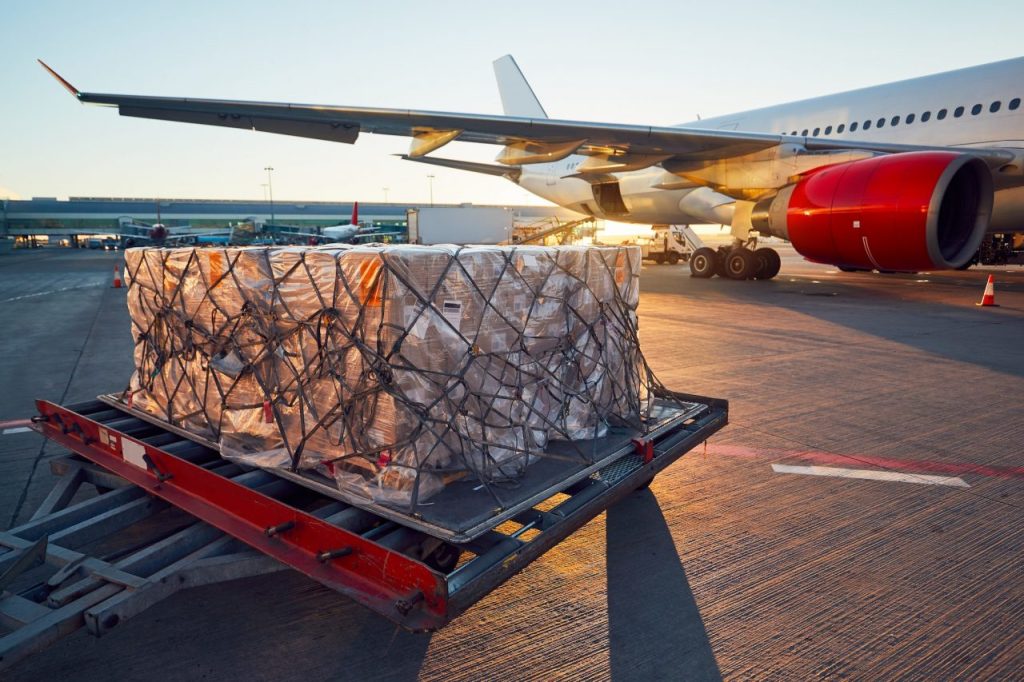
When it comes to transporting your belongings overseas, you generally have two main options: air freight and sea freight. Each has its own set of pros and cons, and the best choice for you depends on your priorities, budget, and timeline. Air freight is significantly faster, making it ideal for urgent moves or when you need to get essential items to your destination quickly. However, it’s also considerably more expensive. Sea freight, on the other hand, is much more economical, especially for larger shipments, but it takes considerably longer.
Here’s a quick comparison:
- Air Freight:
- Faster transit times (days)
- Higher cost
- Best for smaller, high-value, or time-sensitive shipments
- Sea Freight:
- Slower transit times (weeks to months)
- More cost-effective for larger volumes
- Ideal for household goods and furniture
Our move management service helps you weigh these options based on your specific needs, ensuring you select the most appropriate and cost-effective shipping method for your international relocation.
Planning Your International Move Timeline
Creating a realistic timeline is one of the most critical parts of planning an international move. Rushing the process can lead to mistakes, missed deadlines, and added stress. It’s generally recommended to start planning at least three to six months in advance, though longer lead times are often better, especially for complex moves or destinations with specific import regulations.
Here’s a general idea of how to structure your timeline:
- 3-6 Months Before Move: Research moving companies, get quotes, understand customs requirements, and start decluttering.
- 2-3 Months Before Move: Book your moving company, finalize shipping methods (air vs. sea), and begin packing non-essential items.
- 1 Month Before Move: Continue packing, arrange for utility disconnections, and gather important documents.
- 1-2 Weeks Before Move: Confirm details with your mover, pack an essentials box, and notify relevant parties of your address change.
- Moving Day & After: Oversee loading, travel to your new destination, and arrange for customs clearance and delivery.
Effective planning is the bedrock of a successful international move. It allows for flexibility when unexpected issues arise and provides peace of mind throughout the entire process.
We work with you to build a detailed timeline tailored to your move, coordinating all the necessary steps to keep your relocation on track. For more detailed planning, this guide for moving abroad can be a helpful resource.
Managing the Costs of an Overseas Relocation
Estimating Your International Moving Expenses
Figuring out the total cost of moving your life to another country can feel like a puzzle. It’s not just about the big stuff like shipping containers; there are many smaller costs that add up. Getting a clear picture of these expenses upfront is key to avoiding financial surprises. Our move management system helps break down these costs, so you know what to expect. We look at everything from packing materials and transit fees to customs duties and destination services. It’s about providing a transparent view of your international move budget.
Here’s a general idea of what goes into the cost:
- Transportation: This is usually the biggest chunk. It includes the actual shipping of your goods, whether by air or sea, and the associated fuel surcharges.
- Packing and Handling: Professional packing, loading, and unloading services are vital for protecting your belongings. This also covers specialized packing for fragile items.
- Customs and Duties: Each country has its own rules and fees for importing goods. These can vary widely and impact your overall budget.
- Destination Services: This might include things like customs clearance at your destination, delivery to your new home, unpacking, and debris removal.
- Insurance: Protecting your belongings during transit is important. Different levels of insurance are available, each with its own cost.
When you’re planning your move, remember to budget for the initial period after arrival. It’s common to spend more in the first 90 days than you might expect, as you get settled into your new environment. Planning for this buffer can make a big difference.
Identifying Potential Hidden Costs
Beyond the obvious expenses, there are often costs that people don’t think about until they pop up. These can catch you off guard if you’re not prepared. For instance, some countries charge fees for specific types of packaging, or there might be extra charges for delivery to remote locations. Storage fees can also add up if your shipment arrives before you do, or if there are delays in customs. Our detailed planning process aims to uncover these potential hidden costs early on, so they don’t become a problem later. We help you understand the nuances of your specific destination country and its import regulations. This proactive approach is part of our commitment to providing a smooth relocation experience.
Comparing International Moving Quotes Effectively
Getting quotes from different international moving companies is a smart move, but comparing them can be tricky. Not all quotes are created equal. Some might seem lower at first glance, but they might not include all the services you need, or they might have vague terms that lead to extra charges later. It’s important to compare apples to apples. Look closely at what each quote includes: packing, insurance, customs clearance, destination services, and any potential surcharges. Our move management service simplifies this process. We help you understand the details of each quote and ensure you’re comparing them on a level playing field. This way, you can make an informed decision based on true value and service quality, not just the bottom-line price. You can get a better idea of what to expect by looking at international moving cost guides that break down typical expenses.
Mastering Customs and Documentation Requirements
Moving your life across borders involves more than just packing boxes. You’ve got to get through customs, and that means paperwork. Lots of it. It can feel like a maze, but with a little preparation, you can make it through without too much trouble. Our international move management services are designed to help you sort through all of this, making the process smoother.
Essential Customs Documents for International Moves
Getting your belongings into a new country requires specific documents. Think of these as your passport for your stuff. Without the right papers, your shipment could get held up, causing delays and stress. It’s always best to have these ready well in advance.
- Customs Declaration Forms: These are standard for most countries. They list what you’re bringing in.
- Proof of Ownership: Sometimes you need to show you’ve owned items for a certain period, especially for things like vehicles or furniture.
- Inventory List: A detailed list of everything in your shipment. This is super important for customs officials.
- Visa and Immigration Papers: Proof that you are legally allowed to enter and reside in the new country.
The key to avoiding customs headaches is proactive planning. Gathering all necessary documents before your shipment even leaves your old home is the best way to prevent unexpected issues. Our team can provide you with a checklist tailored to your destination country.
Navigating Restricted Items and Import Regulations
Every country has its own rules about what you can and cannot bring in. Some things are obvious, like illegal substances, but others might surprise you. Things like certain foods, plants, or even specific types of electronics can be restricted or require special permits. It’s your responsibility to know these rules for your destination. Ignoring them can lead to fines, confiscation of goods, or even denial of entry for your shipment.
Here are a few common categories to watch out for:
- Food and Agricultural Products: Many countries have strict rules to prevent the spread of pests and diseases.
- Alcohol and Tobacco: Limits and taxes often apply.
- Medications: Prescription requirements can vary widely.
- Antiques and Cultural Artifacts: Some items may be prohibited from export or import.
Reducing Customs Delays for Your Shipment
Nobody wants their belongings stuck in a port or warehouse. Customs delays can happen for many reasons, but a lot of them can be avoided. The most common cause is incomplete or incorrect documentation. Another big one is not declaring restricted items properly. When you work with us for your international move, we help you understand these requirements and prepare your paperwork correctly. This attention to detail is what helps streamline the process of moving to a new country.
Here’s how we help minimize delays:
- Accurate Inventory: We work with you to create a precise inventory list.
- Proper Declarations: We guide you on declaring all items, especially those that might be questionable.
- Destination Knowledge: We stay updated on the specific customs regulations for your destination country.
- Proactive Communication: We maintain open lines of communication with customs brokers and shipping lines.
Relocating Your Family Abroad
Moving your whole family to a new country is a big deal, no doubt about it. It’s not just about packing boxes; it’s about uprooting your lives and starting fresh somewhere completely different. This section focuses on making that transition as smooth as possible for everyone involved, from the youngest to the oldest.
Making a Smooth Transition for Children
Kids often feel the biggest impact when moving internationally. Their routines, friends, and familiar surroundings are all changing. The key is to involve them in the process as much as possible and address their concerns directly.
Here are a few things to consider:
- Talk openly: Explain the move in age-appropriate terms. Focus on the exciting new opportunities, like new parks, schools, or experiences.
- Maintain connections: Help them stay in touch with friends and family back home through video calls and messages. Consider setting up a way for them to share their new experiences with their old friends.
- Explore together: Before you even move, look at pictures or videos of your new destination. Once you arrive, make exploring the new neighborhood, finding a favorite playground, and discovering local spots a family activity.
- School readiness: Research schools well in advance. Visit them if possible, or at least get a good feel for the curriculum and environment. This can be a major source of anxiety for children, so having a plan here is important.
Considerations for Retirees Moving Overseas
Retiring abroad can be a dream come true, offering new cultures and a change of pace. However, it comes with its own set of considerations that differ from moving with a family.
- Healthcare access: Research the healthcare system in your new country. Understand how to access doctors, specialists, and any necessary medications. Many people moving abroad look into international health insurance plans.
- Social integration: Building a new social circle can take time. Look for expat groups, local clubs, or volunteer opportunities that align with your interests. Staying active and connected is vital for well-being.
- Financial planning: Ensure your retirement funds and pensions are accessible and understand any tax implications in your new country. It’s wise to consult with a financial advisor who specializes in international retirement planning.
- Legal and administrative tasks: This includes things like residency permits, driver’s license conversions, and understanding local laws. Having a solid plan for these administrative tasks can prevent a lot of headaches. For a detailed checklist that covers many of these aspects, you might find resources for moving abroad helpful.
Settling into Your New Home and Community
Once the boxes are unpacked, the real work of settling in begins. This is about making your new house a home and becoming part of your new community.
- Establish routines: Creating new daily and weekly routines can provide a sense of normalcy and stability in an unfamiliar environment.
- Learn the local language: Even a basic understanding of the local language can make a huge difference in daily interactions and help you feel more connected.
- Explore local culture: Visit local markets, attend community events, and try local cuisine. Embracing the culture will enrich your experience and help you feel more at home.
- Connect with your mover: A good international move management service doesn’t just move your belongings; they can often provide resources and support for settling in. They understand the challenges and can point you in the right direction for local services or information. This kind of support is part of what makes a move management plan so effective.
Moving your family internationally requires a thoughtful approach that addresses the emotional and practical needs of every family member. By focusing on clear communication, proactive planning, and embracing the new environment, you can create a positive and successful relocation experience for everyone.
Selecting the Right International Moving Company
Picking the right company to handle your international move is a big deal. It’s not like just hiring someone to move your couch across town. This is about getting all your belongings safely from one country to another, which involves a lot of moving parts, literally and figuratively. You want a company that knows the ropes, has a good track record, and makes the whole process feel less like a headache and more like a well-managed project. Our international move management services are designed to take the stress out of this complex process.
Key Questions to Ask Potential Movers
When you’re talking to companies, don’t be shy about asking questions. The more you know upfront, the better you can judge if they’re a good fit. Think about what’s most important to you – is it speed, cost, or how they handle delicate items? Here are some things you should definitely ask about:
- What specific services are included in your quote? Make sure you understand if packing, unpacking, customs clearance assistance, and insurance are covered. Don’t assume anything.
- Who will be handling my shipment at the destination? Sometimes, the company you hire in your home country works with partners abroad. It’s good to know who these partners are and if they have a good reputation.
- What is your process for handling claims if something is lost or damaged? Get the details on their claims procedure, including timelines and required documentation.
- How do you manage communication throughout the move? Will you have a dedicated point of contact? How often will you receive updates?
Understanding Mover Accreditations and Trust Signals
It can be tough to tell if a mover is truly reliable. Look for industry accreditations and certifications. These aren’t just fancy badges; they often mean the company adheres to certain standards of quality, ethics, and financial stability. For instance, organizations like the International Association of Movers (IAM) or the FIDI Global Alliance have strict membership requirements. These signals can help you compare international moving quotes effectively and build confidence in your choice.
Choosing a mover with recognized accreditations provides a layer of assurance that they operate with a certain level of professionalism and accountability. It’s a way to vet companies beyond just their sales pitch.
Evaluating Service Quality and Value
Service quality isn’t just about how carefully your boxes are packed. It’s about the entire experience, from the initial consultation to the final delivery. Think about the company’s responsiveness, the clarity of their communication, and their ability to adapt to any unexpected issues that might pop up. Value isn’t just the lowest price; it’s about getting the best overall service for your money. A slightly higher quote might be worth it if it means a smoother, less stressful move with fewer surprises. We focus on providing exceptional service through our advanced move management systems.
Handling Specialized International Shipping Needs
Moving overseas often comes with unique items that need special attention. We’re talking about your furry family members, your trusty car, or even those priceless pieces of art. These aren’t your everyday household goods, and they require a different kind of planning and care. Getting these specialized items to your new country smoothly is where expert move management really shines.
Relocating Pets to a New Country
Bringing your pet along for the international move can be a rewarding experience, but it’s definitely not as simple as packing their favorite toy. Each country has its own set of rules regarding animal imports. This can include specific vaccination requirements, microchip standards, health certificates issued by accredited vets, and even quarantine periods upon arrival. It’s a lot to keep track of, and missing even one detail can lead to significant delays or problems for your pet.
- Research Destination Country Regulations: Start early to understand the import rules for your specific destination. Some countries have breed restrictions or require extensive paperwork months in advance.
- Consult Your Veterinarian: Work closely with your vet to ensure all health checks and vaccinations are up-to-date and meet the destination’s requirements.
- Choose Pet-Friendly Transport: Select a mover experienced in pet relocation. They can advise on the best travel crates, airline regulations, and direct flights to minimize stress for your pet.
Proper planning for pet relocation is key. It’s about more than just getting them from point A to point B; it’s about their well-being throughout the journey.
Shipping Vehicles Internationally
Your car might be essential for your new life abroad, but shipping it internationally involves more than just driving it onto a ship. You’ll need to consider customs duties and taxes in the destination country, which can add a substantial amount to the overall cost. There are also specific requirements for vehicle preparation, such as cleaning the interior and exterior, and ensuring you have all the necessary ownership and registration documents. Our international move management services can help you sort through these complexities.
Moving Valuables and Fine Art
Items like fine art, antiques, or other high-value possessions need a very delicate touch. These items often require specialized packing materials, climate-controlled transport options, and detailed condition reports before and after transit. Insurance is also a major consideration, as standard policies might not cover the full value of such items during an international move. We help you understand the best ways to protect your cherished belongings during their journey across borders. international move management can simplify this process.
Need to ship something unusual or to a tricky spot overseas? We’ve got you covered. Our team knows how to handle special international shipping needs, making sure your items get where they need to go safely and without a hitch. Don’t let complex shipping worries slow you down. Visit our website today to learn more about our specialized services and get a free quote!
Ready for Your New Chapter
So, you’re packing up and heading to a new country. It’s a big step, for sure, and there’s a lot to think about. From figuring out the paperwork and customs rules to making sure your family, including pets, settles in okay, it can feel overwhelming. But remember, by breaking down the process and getting the right help, you can make this move smoother than you think. Focus on finding a moving company you trust and planning ahead. This isn’t just about moving your stuff; it’s about starting a new life, and with a little preparation, you’ll be well on your way to enjoying your new home.
Frequently Asked Questions
What’s the main difference between moving within a country and moving to another country?
Moving to another country, also called international moving, is way more complicated than moving within your own country. You have to deal with different laws, like customs rules, and figure out how to get your stuff across borders. It involves more planning and paperwork than just moving across town or even across the country.
How do I know if an international moving company is trustworthy?
To find a reliable mover, check for accreditations from well-known industry groups. Also, ask who will actually be handling your belongings at both ends of the move. Good companies are usually upfront about their partners and processes. Reading reviews and getting recommendations can also help.
What are the biggest worries people have when moving overseas?
People often worry about the cost, how long things will take, and all the paperwork. They also stress about how their family, especially kids, will adjust. Figuring out how to move pets, cars, or valuable items can also be a big concern.
How can I make sure my international move doesn’t cost more than I expect?
To avoid surprise costs, get detailed quotes from several companies. Ask specifically about any extra fees, like for packing special items, storage, or if your shipment gets held up at customs. Understanding what’s included in the price is key.
What kind of documents will I need for an international move?
You’ll typically need a detailed list of everything you’re shipping (an inventory), passports, and possibly visas. Each country has its own rules about what you can bring in, so it’s important to research import regulations and any items that are not allowed or need special permission.
How do I choose between shipping my things by air or by sea?
Shipping by sea is usually cheaper but takes much longer, sometimes weeks or months. Air freight is faster and great for important items you need quickly, but it’s significantly more expensive. The best choice depends on your budget and how soon you need your belongings.
Leave a Comment