Navigating Moving from Canada to UK: Your Essential Visa Requirements Guide

Here are the main things to remember when planning your move from Canada to the UK regarding visa needs and the process.
Key Takeaways
- Understand the different visa types available for Canadians, like skilled worker, youth mobility, ancestry, and family visas.
- Gather all necessary documents, including your passport, proof of funds, and any required health or character certificates.
- Complete the online application carefully, book your biometrics appointment, and be aware of the fees and processing times.
- Prepare for life in the UK by thinking about housing, getting your National Insurance number, and understanding healthcare access.
- Be ready for potential challenges like delays or refusals, and know where to find help if you need it.
Understanding UK Visa Pathways for Canadians
Moving from Canada to the UK is a big step, and figuring out the right visa is the first hurdle. It’s not as complicated as it might seem, though. There are several routes available for Canadians looking to make the UK their new home, each with its own set of requirements. The key is to identify which pathway best suits your personal circumstances and long-term goals.
Eligibility for Skilled Worker Visas
The Skilled Worker visa is a popular choice for those with a job offer from a UK employer. To qualify, you’ll need a certificate of sponsorship from your employer, which confirms they can offer you a job that meets specific skill and salary requirements. Your job must be on the list of eligible occupations, and you’ll need to prove you can speak English. The salary threshold varies depending on the type of job, so it’s worth checking the latest figures on the UK government’s website. This visa is a good option if you’re looking to build a career in the UK, and it can lead to settlement in the country after a period of five years.
Exploring Youth Mobility and Ancestry Visas
For younger Canadians, the Youth Mobility Scheme visa is a fantastic opportunity. It allows individuals aged 18 to 30 to live and work in the UK for up to two years. There’s no job offer required beforehand, giving you the freedom to explore different opportunities once you arrive. It’s a great way to experience life in the UK before committing to a longer-term move. Another option, if you have a grandparent born in the UK, is the Ancestry visa. This allows you to live and work in the UK for five years and can also lead to settlement. It’s a pathway that many Canadians overlook, but it can be a straightforward route if you meet the criteria.
Navigating Family and Partner Visa Options
If you have family members already in the UK or are moving with a partner, there are specific visa routes to consider. Partner visas are for those in a relationship with a British citizen or someone settled in the UK. These visas have strict financial and relationship evidence requirements, so it’s important to gather all necessary documentation carefully. Similarly, there are routes for dependent children and other family members. These can be more complex, and often require detailed proof of your relationship and the sponsor’s ability to support you. When planning your move, especially with family, consider how our international move management services can help coordinate the logistics of relocating your household, making the transition smoother for everyone involved.
Essential Documentation for Your Move
Getting your paperwork in order is a big part of moving from Canada to the UK. It might seem like a lot, but having everything ready makes the whole process smoother. Think of it as packing your suitcase for a long trip – you wouldn’t want to forget your passport, right?
Passport and Identification Requirements
First things first, your passport. It needs to be valid for your entire stay in the UK. Make sure it doesn’t expire anytime soon. You’ll need it for your visa application and, of course, to actually get on the plane and into the UK. Beyond your passport, you might need other forms of ID, especially if you’re asked for proof of identity during the visa process or when you arrive. It’s always a good idea to have a couple of different government-issued IDs handy, just in case.
Gathering Financial Evidence
UK immigration wants to see that you can support yourself when you get there. This usually means showing proof of funds. The exact amount can vary depending on your visa type, so check the specific requirements for your situation. Generally, you’ll need to show bank statements that demonstrate you have enough money saved up. This could be a lump sum or consistent savings over a period. It’s not just about having the money; it’s about showing a clear financial history. If you’re moving for work, your employer might also need to provide a certificate of sponsorship, which includes salary details.
Health and Character Certificates
Depending on your visa and how long you plan to stay, you might need to provide a tuberculosis (TB) test certificate from an approved clinic. This is to make sure you don’t have TB when you arrive. You might also need to provide a criminal record certificate, often called a police certificate, from Canada. This shows that you don’t have a criminal history that would prevent you from entering the UK. It’s all about making sure you’re a good fit for the country and won’t be a burden on public services or pose a security risk.
Gathering all these documents can take time, so start early. Missing even one piece of paper can cause delays or even lead to your application being rejected. Think about how you’ll organize everything; a simple folder system or digital scans can make a huge difference when you’re trying to find that one specific document.
When it comes to moving your actual belongings, that’s where our international move management services come in. We help you sort out the logistics so you can focus on these important visa documents. From packing to customs, we handle the heavy lifting so your transition is as smooth as possible. Learn about our services.
The Application Process for UK Visas
So, you’ve picked out your visa and gathered all your documents. Now comes the part where you actually apply. It might seem a bit daunting, but breaking it down makes it much more manageable. Think of it like packing for a big trip – you need to do things in the right order.
Completing the Online Application Form
This is usually the very first step. You’ll head over to the official UK government website and fill out the application form. Be prepared to answer a lot of questions about yourself, your background, and why you want to move to the UK. It’s important to be honest and accurate here; any mistakes or missing information can cause delays or even lead to your application being rejected. Take your time with this, double-check everything, and save your progress often. It’s a good idea to have all your supporting documents handy while you fill it out, as you’ll likely need to refer to them.
Booking and Attending Biometric Appointments
Once you’ve submitted your online form and paid the necessary fees, you’ll usually be directed to book an appointment at a Visa Application Centre (VAC). This is where they’ll take your fingerprints and a photograph. You’ll need to bring your passport and any other required documents to this appointment. Think of this as the official start of the processing for your application. It’s a pretty standard procedure, and the staff at the VAC are there to guide you through it. Make sure you arrive on time for your appointment.
Understanding Application Fees and Timelines
Visa applications come with fees, and these can vary depending on the type of visa you’re applying for and where you’re applying from. It’s wise to check the current fees on the UK government website before you start. As for timelines, these can also differ quite a bit. Some applications are processed faster than others. While you wait, it’s a good time to focus on other aspects of your move, like planning how to ship your belongings. We can help make that part much simpler, taking the stress out of getting your possessions to the UK.
The entire visa application process requires careful attention to detail. Missing even a small piece of information can have a significant impact on your application’s outcome. Stay organized and patient throughout.
Here’s a general idea of what to expect:
- Online Form Submission: The initial digital application.
- Fee Payment: Covering the cost of your visa application.
- Biometrics Appointment: Fingerprints and photo taken.
- Document Submission: Uploading or presenting your supporting papers.
- Processing Time: Waiting for UKVI to review your case. This is when UK Visas and Immigration (UKVI) begins processing your visa application.
Remember, while the visa process is a big hurdle, planning your international move doesn’t have to be. We specialize in making sure your household items arrive safely and on time, so you can focus on settling into your new UK life. Our team has a lot of experience with international relocation and can handle all the complexities of shipping your belongings.
Preparing for Life in the UK
So, you’ve got your visa sorted and you’re actually moving to the UK! That’s a huge step, and honestly, it can feel a bit overwhelming thinking about everything that needs to happen before you even set foot on British soil. But don’t worry, we’ll break down some of the key things to get sorted so you can focus on the exciting part – starting your new life.
Securing Accommodation Before Arrival
Finding a place to live is usually high on everyone’s list. While some people prefer to sort this out once they arrive, booking temporary accommodation like a hotel or serviced apartment for the first few weeks can really take the pressure off. This gives you time to explore different neighborhoods, get a feel for areas, and then find a more permanent home without feeling rushed. It’s also a good idea to have a look at rental websites before you go, just to get an idea of what’s available and what the prices are like in the areas you’re considering.
Understanding National Insurance Numbers
Once you’re in the UK and have the right to work, you’ll need a National Insurance (NI) number. Think of it as your personal account number for the UK’s social security system. You need it to work, pay taxes, and claim benefits. Applying for one usually happens after you arrive, and it can take a little while to get, so it’s good to start the process as soon as you can. You’ll typically need to book an appointment to prove your identity and right to work.
Accessing Healthcare Services
As a resident in the UK, you’ll likely be eligible to use the National Health Service (NHS). This is the UK’s public healthcare system, and it’s mostly free at the point of use for residents. To access it fully, you’ll usually need to register with a local GP (General Practitioner) surgery. It’s a good idea to find one near where you’ll be living as soon as you can. Some visa types might require you to pay an Immigration Health Surcharge as part of your visa application, which gives you access to NHS services.
Getting your bearings in a new country involves more than just unpacking boxes. It’s about understanding the systems that will support your daily life, from finding a roof over your head to managing your finances and accessing essential services. Taking the time to research and prepare for these aspects can make a significant difference in how smoothly you settle in.
When it comes to moving your actual belongings, that’s where things can get complicated. Dealing with international shipping, customs forms, and making sure everything arrives safely can be a real headache. That’s why we recommend using a professional international move management service. They handle all the tricky bits, like packing, customs paperwork, and shipping, so you don’t have to. It really takes a load off your mind when you’re already dealing with so much else. You can look into international move management services to see how they can help simplify your relocation.
Common Challenges and Solutions
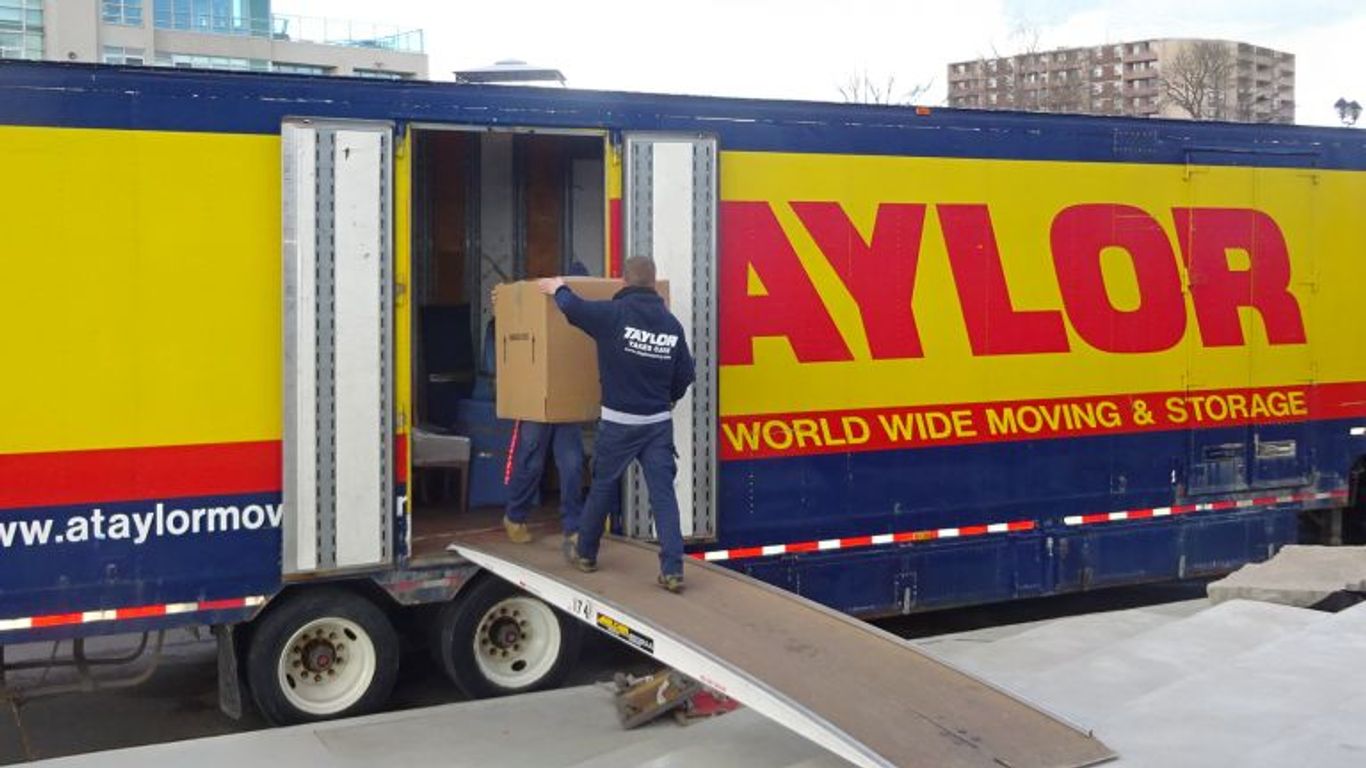
Moving to a new country is exciting, but let’s be real, it can also bring up some worries. You’ve probably spent ages sorting out visas and packing boxes, and now you’re thinking about what else could go wrong. It’s totally normal to feel a bit anxious about the unexpected.
Addressing Potential Visa Delays
Visa processing times can sometimes stretch out longer than you expect. This can happen for all sorts of reasons, like a high volume of applications or if the authorities need more information from you. It’s a good idea to apply well before your planned move date to give yourself some breathing room. If you’re worried about your application, check the official UK government website for the most current processing times. Sometimes, a quick follow-up is all that’s needed, but usually, patience is key.
What to Do If Your Visa Application is Refused
Getting a visa refusal is disappointing, no doubt about it. The first thing to do is carefully read the refusal letter. It will explain the reasons why your application wasn’t approved. Depending on the reason, you might be able to reapply, perhaps with more supporting documents, or you might have the option to appeal the decision. It’s a good idea to get professional advice at this stage to understand your options clearly.
Seeking Professional Immigration Advice
While you can handle a lot of the visa process yourself, sometimes it’s worth getting a professional opinion. Immigration rules can be complex, and a qualified advisor can help you avoid common mistakes. They can also help you understand the best visa route for your situation and ensure all your paperwork is in order. This can save you a lot of stress and potential headaches down the line, especially when it comes to complex cases or if you’re unsure about any part of the process. For help with the practical side of your move, like getting your belongings to the UK, our international move management services can take the pressure off.
Planning for the unexpected is just as important as planning for the expected. Having a backup plan for potential delays or issues can make a big difference in how smoothly your transition goes. It’s all about being prepared and knowing where to turn for help when you need it.
Bringing Your Belongings: Customs and Shipping

Moving your life from Canada to the UK involves more than just packing boxes; it means understanding the ins and outs of international shipping and customs. It can feel like a big hurdle, but with the right approach, it’s totally manageable. The key is planning ahead and knowing what to expect.
Navigating UK Customs Regulations
When you move your permanent residence to Great Britain, you can often get relief from customs charges on your personal belongings. This is a big deal and can save you a good amount of money. Basically, if you’ve owned and used your items before moving, they’re generally considered personal effects and can be brought in without paying import duties. However, there are rules about what you can and can’t bring, and you’ll need to fill out the correct paperwork.
Here’s a quick rundown of what’s usually involved:
- Customs Declaration Form (C3): You’ll need to complete this form detailing all the items you’re bringing. It’s important to be accurate and thorough.
- Inventory List: A detailed list of everything in your shipment, often broken down by room, is usually required. This helps customs officials understand the contents.
- Proof of Residence Transfer: You’ll need to show evidence that you are moving your home to the UK, such as a tenancy agreement or utility bills in your name at a UK address.
- Prohibited and Restricted Items: Be aware of items that are banned or require special permission, like certain foods, weapons, or large amounts of alcohol and tobacco.
It’s always a good idea to check the official UK government website for the most current information on customs regulations before you start packing. Rules can change, and staying updated prevents unwelcome surprises at the border.
Choosing International Moving Services
Selecting the right international moving company is a big part of making this process smooth. You want a company that knows the ropes of moving between Canada and the UK. Our international move management services are designed to take the stress out of this. We handle the logistics, from packing and loading in Canada to customs clearance and delivery in the UK.
When you’re comparing companies, think about:
- Experience: How long have they been doing international moves, specifically between Canada and the UK?
- Services Offered: Do they offer full-service packing, unpacking, storage, and customs assistance? We provide a complete package.
- Insurance: What kind of transit insurance is available for your belongings?
- Communication: How easy is it to get in touch with them, and how clear are they about timelines and potential issues?
Getting a detailed quote is important. Make sure it breaks down all costs, including shipping, customs fees, and any destination services. We aim to provide transparent pricing so you know exactly what to expect.
Shipping Vehicles and Pets
Shipping a vehicle or bringing your beloved pets adds another layer of complexity to your move. For vehicles, you’ll need to consider import duties, taxes, and registration requirements in the UK. It’s a bit of a process, and you’ll want to research the specific steps for your car model.
Bringing pets involves veterinary checks, vaccinations, and specific documentation to meet UK import rules. Planning for pet relocation needs to start months in advance. Each country has its own set of rules, and getting it wrong can lead to delays or even your pet being turned away. We can help guide you through the requirements for both vehicles and pets, connecting you with specialists if needed, to make sure everything arrives safely and legally.
When moving your stuff, especially overseas, you’ll need to know about customs rules and how shipping works. We make it easy to understand what you can bring and how to get it there safely. Want to learn more about the ins and outs of international moving? Visit our website for all the details!
Conclusion
Moving from Canada to the UK is a big step, but with the right information about visa requirements, it’s totally doable. Take your time, gather all your documents, and don’t be afraid to ask for help if you need it. Planning ahead will make your transition much smoother. Good luck with your new adventure across the pond!
Frequently Asked Questions
What’s the easiest way for a young Canadian to move to the UK?
If you’re between 18 and 30 (or 35 in some cases), the Youth Mobility Scheme visa is often a good choice. It lets you live and work in the UK for up to two years. You just need to meet some basic requirements, like having enough money to support yourself.
Do I need a job offer before I can apply for a UK visa?
For many visa types, especially the Skilled Worker visa, yes, you’ll need a job offer from a UK employer who is approved by the government. They’ll give you a ‘certificate of sponsorship’ which you need for your visa application.
How much money do I need to show for a UK visa?
The amount of money you need to show depends a lot on the type of visa you’re applying for. Some visas require you to have a certain amount saved up in your bank account for a specific period. Always check the official UK government website for the exact figures for your visa.
Can I bring my family with me to the UK?
Yes, you can often bring your partner and children with you. This usually falls under family visa routes, like the Spouse visa or Child visa. You’ll need to show you meet specific requirements, like proving your relationship is genuine and that you can support them.
How long does it take to get a UK visa?
Processing times can vary quite a bit. Simple applications might be processed in a few weeks, but more complex ones could take longer. It’s best to apply well in advance of your planned move and check the UK government’s website for current estimated waiting times for your specific visa.
What if my visa application gets denied?
If your visa application is refused, don’t panic right away. You’ll receive a letter explaining why. Sometimes, you can reapply if you fix the issues that caused the refusal. In some cases, you might have the right to appeal the decision. It’s a good idea to get advice from an immigration expert if this happens.
Leave a Comment