Seamless Relocation: Your Guide to Choosing the Best International Movers

Moving overseas is a big deal, right? You’ve got a whole new life waiting, but getting all your stuff there can feel like a massive hurdle. Picking the right international movers is super important. It’s not like just moving across town; there’s a lot more involved. This guide is here to help you figure out how to choose the best international moving company so your belongings arrive safe and sound, and you can focus on the exciting stuff.
Key Takeaways
- Always get quotes from at least three different international movers. Don’t just go for the cheapest; look for good value.
- Check if the company is licensed and insured. Also, see if they have affiliations with groups like FIDI.
- Ask lots of questions about their pricing, what insurance they offer, and who handles your stuff at the destination.
- See if they have a good reputation by reading reviews and asking for references. Make sure they aren’t on any blacklists.
- Find out about extra services like packing, storage, and help with customs paperwork.
Choosing Your International Movers Wisely
Picking the right company to move your life across borders is a big deal. It’s not like just moving across town; this is a whole different ballgame. You’ve got to be smart about it, or you could end up with damaged stuff, a lighter wallet, and a whole lot of stress. So, let’s break down how to find movers you can actually trust.
Researching Reputable International Moving Companies
First things first, don’t just pick the first name you see. You need to put in some legwork. Think of it like dating – you wouldn’t marry the first person you meet, right? Same idea here. You want to find companies that have a solid history and a good name. Look into how long they’ve been in business. A company that’s been around for a while usually knows what they’re doing. Also, see if they have a good reputation. You can check online reviews, ask friends who have moved internationally, or even look at industry forums. The goal is to end up with a shortlist of about three to four companies that seem like good candidates.
Understanding Credentials and Affiliations
This is where you check their report card. Are they legit? Look for memberships in professional organizations. For instance, FIDI (Fédération Internationale des Déménageurs Internationaux) is a big one. Companies that are FIDI accredited usually have to meet certain quality standards. It’s a good sign they’re serious about doing things right. Also, check if they’re registered with the Federal Maritime Commission if they’re shipping by sea. It’s like a stamp of approval that says they’re allowed to do this kind of work.
Comparing Quotes from Multiple International Movers
Once you have your shortlist, it’s time to talk money. Always get detailed quotes from at least three different companies. Don’t just go for the cheapest one; that can be a trap. Look at what’s included in the price. Is packing covered? What about insurance? Make sure the quotes are clear and easy to understand. If something looks fishy or too good to be true, ask for clarification. You want to compare apples to apples, so understand what each company is offering for their price. Sometimes, paying a little more upfront for a company that seems more reliable is worth it in the long run.
Key Questions for International Moving Companies
Inquiring About Pricing Structures and Transparency
When you’re getting quotes, it’s super important to understand exactly what you’re paying for. International moves can get complicated with costs, and you don’t want any surprises later on. Ask them to break down all the potential charges. This isn’t just about the big stuff like shipping weight and volume, but also those smaller fees that can add up. Think about things like port fees at the destination, handling charges, customs duties, and even special fees for awkward items.
Here’s a quick rundown of what to ask about regarding costs:
- Base Shipping Cost: What’s the main charge for moving your stuff?
- Destination Fees: Are there charges when your shipment arrives at the port?
- Customs and Duties: Who handles this, and what’s the estimated cost?
- Packing/Crating: Is this included, or an extra charge?
- Delivery to Door: Does the price include getting your items inside your new home?
Always get a written estimate. Verbal agreements can lead to misunderstandings, and you need something concrete to refer back to if questions arise about the final bill. Make sure the estimate clearly lists all services and their associated costs.
Understanding Insurance Options and Coverage
Moving your life across borders means your belongings are on a long journey, and things can happen. You absolutely need to know what insurance is available and what it covers. Don’t just assume everything is protected. Ask specifically about the different insurance plans they offer. Find out what the deductibles are, what types of damage or loss are covered, and what the process is if you need to make a claim. It’s your responsibility to ensure your possessions are adequately protected.
Clarifying the Role of Destination Country Partners
Most international moving companies don’t handle the entire journey themselves. They often work with partner companies in the destination country to get your belongings from the port to your new home. It’s really important to ask who these partners are. Find out if the moving company has a good working relationship with them and if they have a good reputation. You want to be sure that the people handling your things at the other end are just as reliable as the company you hired initially. Ask if they have a single point of contact who will oversee the delivery process in the new country.
Logistics and Services Offered by International Movers
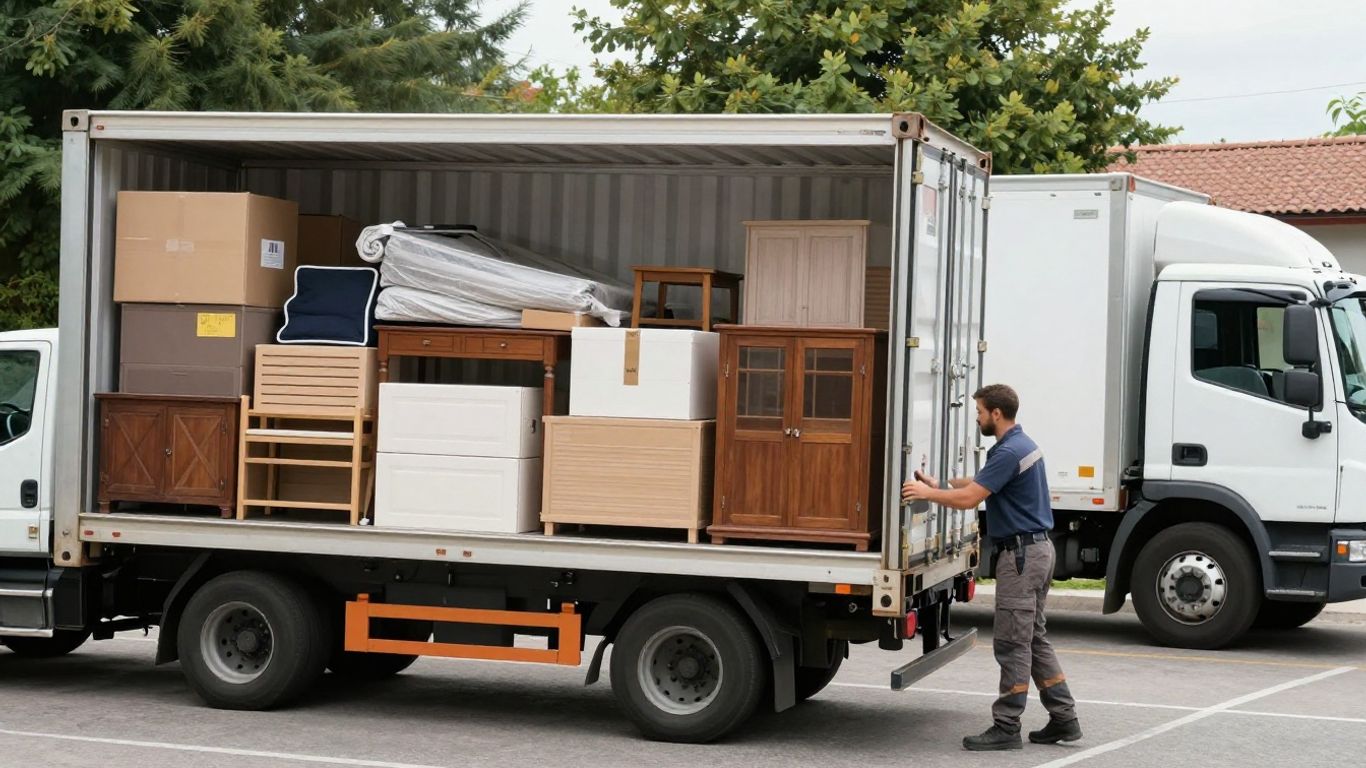
When you’re moving overseas, the actual moving part can feel like a whole different ballgame compared to a domestic move. It’s not just about stuffing things in boxes; there’s a lot more involved to get your stuff from point A to point B across continents. Understanding what services are available and how they handle the nitty-gritty details is super important.
Assessing Packing and Crating Services
How your belongings are packed makes a big difference in whether they arrive in one piece. Some movers offer different levels of packing. You might be able to pack yourself to save a bit of cash, but be aware that if something breaks, the moving company might not cover it if they didn’t do the packing. Professional packing services usually involve specialized materials and techniques, especially for fragile items or furniture. They might also use custom crating for very delicate or valuable pieces. It’s worth asking if they offer crating, especially for things like artwork, pianos, or large furniture.
- Full Packing: Movers pack everything in your home.
- Partial Packing: You pack some items, and they pack the rest.
- Fragile-Only Packing: They only pack your delicate items.
- Crating: Custom wooden boxes built for specific items.
Exploring Storage Solutions for Your Belongings
Sometimes, your new home isn’t quite ready when your stuff arrives, or maybe you need to downsize temporarily. Many international moving companies have storage facilities, either at the origin, in transit, or at the destination. It’s a good idea to figure out your storage needs early on. If you think you might need it, ask about their storage options, including costs, duration, and security measures. Booking storage in advance is usually a good idea, especially during busy moving seasons.
Understanding Customs Regulations and Documentation
This is where things can get complicated. Every country has its own rules about what you can bring in and what duties or taxes you might have to pay. Good international movers will help you with this. They should be able to explain the process, help you with the paperwork, and sometimes even offer customs brokerage services. This means they’ll handle the documents, figure out any taxes, and try to make sure your shipment gets through customs without a hitch. Not understanding customs can lead to delays, extra fees, or even your belongings being sent back.
It’s really on you to know what you can and can’t ship. Some countries have strict rules about things like alcohol, food, or even certain types of electronics. Your mover can guide you, but the final responsibility is yours.
Here’s a quick look at what to ask about:
- Customs Brokerage: Does the company handle customs clearance for you?
- Required Documents: What paperwork will you need to provide?
- Prohibited Items: What items are generally not allowed into the destination country?
- Taxes and Duties: What are the estimated costs for import taxes?
Ensuring Accountability with International Movers
When you’re sending your entire life across oceans, you want to know someone’s watching out for your stuff. It’s not just about trusting the company’s word; it’s about having proof and clear lines of communication. This section is all about making sure your chosen movers are on the hook and that you know exactly who to talk to if something comes up.
Requesting Shipment Photos for Verification
Think of this as a digital handshake. Before your belongings even leave your current home, ask the moving company if they can provide photos of your items being packed and loaded. This simple step adds a layer of accountability. It shows you they’re handling things as promised and gives you a visual record. It’s also a good way to spot potential issues early on. Don’t be afraid to ask for these pictures; it’s a reasonable request for such a big undertaking.
Seeking References and Verifying Experience
Anyone can say they’re experienced, but real proof comes from others. Ask potential movers for references from past international clients. A reputable company should be happy to connect you. You can also inquire about how long they’ve been in the international moving business and the sheer number of overseas moves they’ve managed. This helps you gauge their familiarity with the complexities of international relocation.
Here’s what to look for when checking references:
- Timeliness: Did the move happen within the agreed-upon timeframe?
- Condition of Goods: Did the belongings arrive without significant damage?
- Communication: Was the client kept informed throughout the process?
- Problem Resolution: If issues arose, how were they handled?
Confirming a Single Point of Contact
Trying to track down information about your shipment can feel like a wild goose chase if you’re dealing with a different person every time you call. To avoid this headache, confirm that you’ll have one dedicated person at the moving company who will be your main contact from start to finish. This person should be knowledgeable about your specific move and able to answer your questions promptly. It makes the whole process feel much more manageable and less stressful.
Having a single point of contact means you’re not left guessing who to call when you have a question. It streamlines communication and helps build trust, knowing there’s one person responsible for keeping you in the loop.
Evaluating the Reliability of International Movers

So, you’ve narrowed down your choices for international movers. That’s great! But how do you actually figure out which ones are the real deal and which ones might leave you high and dry? It’s not just about the price tag; you need to be sure your stuff will actually get to your new home in one piece. Let’s talk about how to really check if a moving company is dependable.
Reading Customer Reviews and Testimonials
This is probably the first thing most people do, and for good reason. What are other people saying about their experience? Look beyond just the star ratings. Dig into the details. Did the movers show up on time? Was communication good? Were there any surprise charges? Sometimes, reviewers will even leave their contact info, which can be a good way to get a firsthand account. Pay attention to reviews that mention specific issues or praise specific aspects of the service. It’s also smart to check reviews on different platforms, not just the company’s own website, where they might curate the feedback.
Checking for Blacklisted Companies
This is a bit like checking if a restaurant has had recent health code violations. You want to avoid companies with a history of problems. There are websites out there that keep track of companies that have consistently poor performance or have been involved in scams. A quick search on these sites can save you a lot of headaches down the road. It’s a good way to weed out the ones that just aren’t playing by the rules. You can often find these lists by searching for consumer protection agencies or moving industry watchdogs.
Verifying Licensing and Insurance Status
This is where things get a little more official. Reputable international movers should be properly licensed and insured. For moves involving ocean freight, companies often need to be registered with the Federal Maritime Commission (FMC) as an Ocean Transportation Intermediary (OTI). You can usually check this on the FMC’s website. Some companies also hold accreditations from industry organizations like FIDI, which signifies they meet certain quality standards. Don’t be shy about asking for their license numbers and insurance certificates. It’s your right to know they’re legitimate and that your belongings are protected.
When you’re vetting international moving companies, remember that a company’s willingness to provide documentation and references speaks volumes. If they’re upfront about their credentials and happy to connect you with past clients, it’s a positive sign. Conversely, hesitation or vague answers should raise a red flag. Trust your gut, but back it up with solid research.
Here’s a quick checklist to help you verify:
- Licensing: Confirm they are licensed to operate internationally, especially if crossing borders by sea or air.
- Insurance: Understand their insurance policies. What’s covered? What are the deductibles? Are there options for additional coverage?
- Accreditations: Look for affiliations with recognized international moving associations. These often have strict membership requirements.
- Years in Business: While not a guarantee, a longer history can indicate stability and experience. Check how many international moves they’ve completed.
Beyond the Move: Additional Services
So, you’ve picked your movers, signed the papers, and the big day is approaching. But wait, there’s more! A lot of international moving companies don’t just pack your stuff and wave goodbye. They often have a whole suite of extra services that can make settling into your new country a whole lot smoother. Think of it as a "welcome wagon" from your moving company.
Visa and Immigration Assistance
This is a big one. Dealing with visas and immigration paperwork can be a real headache, especially when you’re already stressed about a move. Some movers partner with immigration specialists or have in-house teams that can help you understand the requirements, fill out the forms, and generally keep you on the right track. It’s not usually a full-service immigration law firm, but they can certainly point you in the right direction and help with the documentation related to your move.
Destination Orientation Services
Imagine landing in a new country and not knowing where to find the nearest grocery store, how the public transport works, or even the local customs. Destination orientation services are designed to help with exactly that. They might offer:
- A guided tour of your new neighborhood.
- Information on local amenities like banks, schools, and healthcare.
- Tips on cultural etiquette and daily life.
- Help setting up utilities in your new home.
It’s like having a local friend show you the ropes before you even start unpacking.
Family and Housing Support
Moving isn’t just about you; it’s about your whole family. Many movers recognize this and offer support for your loved ones. This could include:
- Assistance finding suitable housing in your new location, which can be incredibly difficult from afar.
- Information and support for children’s schooling and integration.
- Help for spouses or partners in finding employment or connecting with local communities.
These services go beyond just moving boxes; they aim to help your entire family feel settled and supported in your new environment. It really makes a difference when you feel like you have a support system in place from day one.
Wrapping Up Your Move
So, moving overseas is a pretty big deal, right? It’s not like just shifting across town. But honestly, with a bit of planning and picking the right people to help, it doesn’t have to be a total headache. We’ve gone over how to find a moving company you can actually trust, what questions to ask them, and why doing your homework really pays off. Remember, getting quotes, checking reviews, and making sure they’re legit are key steps. It’s all about finding that company that makes you feel confident your stuff will get to your new home in one piece. Take your time with this part, and you’ll be well on your way to starting your new adventure without all the added moving stress.
Frequently Asked Questions
How do I find a trustworthy international moving company?
To find a good international moving company, start by doing your homework. Look for companies that have been in business for a while and have a good reputation. Check online reviews from other customers, and ask friends or family if they have any recommendations. It’s also smart to compare quotes from at least three different companies to make sure you’re getting a fair price.
What should I ask potential moving companies?
When talking to movers, ask about how they figure out their prices and if there are any hidden fees. You’ll want to know about their insurance options to make sure your stuff is protected. Also, ask who will be handling your belongings when they arrive in the new country, as many companies use local partners.
How do I know if a moving company is legitimate?
A reliable moving company should be licensed and insured. You can often check if they are licensed by looking them up on the Federal Maritime Commission website. Also, see if they are part of professional groups like FIDI, which means they follow high standards for international moves.
What are the typical services offered by international movers?
Most international movers offer services like packing and crating your belongings to keep them safe. They can also help with shipping, customs paperwork, and sometimes even storage if you need it. Some companies might also offer extra help like finding housing or giving you a tour of your new area.
Why is it important to compare moving quotes?
Comparing quotes from different companies helps you understand the average cost and spot any unusually high or low prices. It’s not just about finding the cheapest option, but the one that offers the best value and clear, honest pricing for all the services you need.
What if my belongings get damaged during the move?
This is where insurance is super important. Make sure you understand exactly what your moving company’s insurance covers and what it doesn’t. Ask about the different plans they offer and what the process is if something does get damaged. Having good insurance can save you a lot of worry and money.
Leave a Comment