Shipping furniture from USA to Europe: A practical guide to costs, customs, and delivery
Key Takeaways
Shipping furniture across the Atlantic involves more than booking space on a vessel. A clear inventory, realistic budget, complete paperwork, and a delivery plan will make the move easier to manage.
- Sea freight is usually the practical choice for a full household shipment.
- Your quote depends on volume, services, destination, timing, and possible customs costs.
- A detailed inventory helps with pricing, packing, insurance, and customs clearance.
- Door-to-door service reduces coordination, while port-to-port service may require more work from you.
- Start planning several months ahead, especially when housing, pets, vehicles, or valuable items are involved.
Understand how shipping furniture from the USA to Europe works
Shipping furniture from USA to Europe is a coordinated international household move, not simply a parcel delivery. Your belongings travel through several hands, from the residence in the United States to a port, across the Atlantic, through customs, and finally to the European address. The exact route and services depend on the origin, destination, shipment size, and delivery requirements.
A useful way to understand the process is to separate transportation from move management. Transportation covers the physical movement of the goods; move management keeps the inventory, documentation, appointments, customs steps, and delivery arrangements connected. Taylor International provides overseas moving and storage services, which can be relevant when your home is not ready at the time your shipment arrives.
What the international moving process includes
A typical move begins with an assessment of the furniture and household goods, followed by a written estimate and a plan for packing, pickup, export handling, freight, customs, and delivery. Depending on the service selected, the mover may pack the shipment, arrange crating, prepare shipping documents, and coordinate destination services. You can also review a practical international moving guide when comparing the stages of a move.
The process is easier to follow when each stage has an owner and a date. Ask for those details before you commit, rather than relying on a single overall delivery promise.
How origin pickup, ocean transport, and destination delivery connect
At origin, a crew collects the furniture and prepares it for international handling. The shipment then moves to an export facility or port, where it is consolidated or loaded into a container. After ocean transport, a destination partner arranges customs clearance, unloading, and final delivery, which may involve a second appointment and different access conditions.
The handoff between these stages matters. A delay in paperwork can hold up a container even when the vessel arrives on schedule, while a narrow European street or apartment lift can affect the final delivery appointment.
The roles of movers, freight forwarders, customs brokers, and local partners
An international mover usually manages the customer relationship and the overall plan. Freight forwarders arrange cargo movement and shipping documentation, customs brokers assist with import formalities, and destination partners handle local delivery or other agreed services. These roles can overlap, but the contract should make clear who is responsible for each one.
Before pickup, request the names or descriptions of the parties involved and ask how updates will be shared. Good coordination reduces the chance that you are left trying to connect separate providers yourself.
How door-to-door and port-to-port services differ
Door-to-door service generally connects pickup at the US residence with delivery to the European residence, subject to local access and customs requirements. Port-to-port service ends at the destination port, leaving you to arrange some combination of customs clearance, collection, transport, unloading, and delivery. Neither option is automatically better; the right choice depends on how much coordination you want to handle.
For a first overseas move, a full-service arrangement may offer useful simplicity. For a smaller or more flexible shipment, a port-based option can sometimes suit the plan, provided its excluded services and destination charges are clear.
Choose the right shipping method for your furniture
Furniture is bulky, comparatively heavy, and often not urgent enough to justify premium transport. That makes sea freight the usual starting point for a household move, although air freight can be sensible for a small set of essentials. The best method is shaped by your budget, delivery date, destination, and the amount you are actually taking.
The choice also depends on whether your shipment needs a shared space or a container of its own. An accurate inventory is more useful than a guess based on the number of rooms, since two homes with the same room count can have very different volumes.

When sea freight is the most practical option
Sea freight suits sofas, tables, beds, cabinets, and boxed household goods moving in substantial volume. It normally costs less per unit of space than air freight, but it requires patience and careful scheduling. Transit is only one part of the timeline; pickup, consolidation, port handling, customs, and final delivery also need to be included.
For a useful lane-specific comparison, see this USA to UK furniture shipping guide, which covers freight choices, inventories, packing, and delivery constraints.
How air freight compares for smaller or time-sensitive shipments
Air freight is faster but generally more expensive, so it is better suited to a limited quantity of clothing, documents, work essentials, or items needed soon after arrival. Large solid-wood furniture can consume space quickly and may not be economical by air. Some households use a mixed approach: air freight for immediate essentials and sea freight for the main shipment.
That split can make the transition more comfortable, but it creates two inventories, two sets of handling arrangements, and potentially two delivery charges.
Choosing between a shared container and a dedicated container
A shared container, often used for a smaller shipment, combines your goods with other consignments. It can reduce the space you pay for, though consolidation and deconsolidation add handling steps. A dedicated container gives your household the container space, which may suit a larger move or furniture that needs a more direct loading plan.
The decision should follow a measured volume estimate rather than a sales label. Ask how the shipment will be packed, secured, and delivered in either arrangement.
How shipment size, timing, and destination affect the decision
A compact apartment shipment may fit a shared sea-freight service, while a large family home may justify dedicated space. An inland destination can add road transport after the European port, and a firm move-in date may make air freight for essentials worthwhile. Seasonal demand, port congestion, and local delivery restrictions can also affect the practical choice.
The goal is not simply to select the cheapest transport mode. It is to select a service that fits the whole move without creating an avoidable gap between arrival and delivery.
Estimate the cost of shipping furniture from the USA to Europe
There is no reliable single price for an overseas furniture move without knowing the shipment volume, origin, destination, and service level. A quote may include some charges and exclude others, so comparing only the headline number can be misleading. Ask for a written breakdown that follows the shipment from the first residence visit through final delivery.
A realistic budget also leaves room for changes. Extra packing, storage, difficult access, customs-related costs, and destination services may arise when the original information is incomplete.
The main factors that determine your moving quote
The largest pricing factors are the amount of furniture, the distance to the US port, the destination location, the shipping method, and the amount of professional service required. A shipment that needs crating or stair carries will be assessed differently from one that is already packed and easy to collect. Timing and seasonal capacity can influence the estimate as well.
For another perspective on budgeting, this USA to UK moving cost guide explains why volume, freight method, packing, customs, storage, and final-mile delivery all belong in the comparison.
Origin services, freight charges, and destination fees
Origin charges may include the survey, packing, disassembly, pickup, transport to port, export handling, and loading. Freight charges cover the international movement itself, while destination fees may include unloading, terminal handling, customs processing, delivery, stairs, lift access, or carrying goods into the home. These categories should appear separately where possible.
A quote that looks inexpensive because it stops at the port may become less attractive after local transport and handling are added.
Customs duties, taxes, storage, and other possible costs
Import duties and taxes depend on the destination country and your circumstances, including whether the goods qualify as used personal effects under local rules. Storage can be charged when the home is not ready, documents are incomplete, or delivery cannot be accepted. Insurance, inspection, fumigation, special handling, and waiting time may also need consideration.
Do not assume that a duty exemption applies automatically. Confirm the requirements with the mover, broker, and relevant customs authority for the country you are entering.
How to compare international moving quotes accurately
Put competing quotes into the same structure before judging them. Check whether each includes packing, export handling, customs clearance, destination delivery, insurance, storage, and access fees. Also check the assumed volume and whether the price is binding, estimated, or subject to a later survey.
A simple comparison table can expose meaningful differences:
| Quote element | Questions to ask | Why it matters |
|---|---|---|
| Shipment volume | What inventory or measurements were used? | Volume affects freight and container space. |
| Origin work | Are packing, pickup, and stairs included? | Extra labor can change the total. |
| Destination work | Is delivery beyond the port included? | Port-to-door costs may be substantial. |
| Customs | Who prepares and submits documents? | Missing paperwork can cause delays and storage. |
After reviewing the table, ask each mover to clarify any blank or vague line. Transparent exclusions are easier to plan for than unexpected additions.
Prepare furniture for overseas transportation
Preparation starts with deciding what deserves a place in the shipment. International freight charges are tied to space, and furniture that is inexpensive or readily available in Europe may not justify its transport. Sentimental, well-made, or difficult-to-replace pieces often have a stronger case than bulky items with little practical value.
The packing plan should protect the furniture while also making inspection and inventory checks straightforward. Photographing condition before packing is a small step that can be useful later.
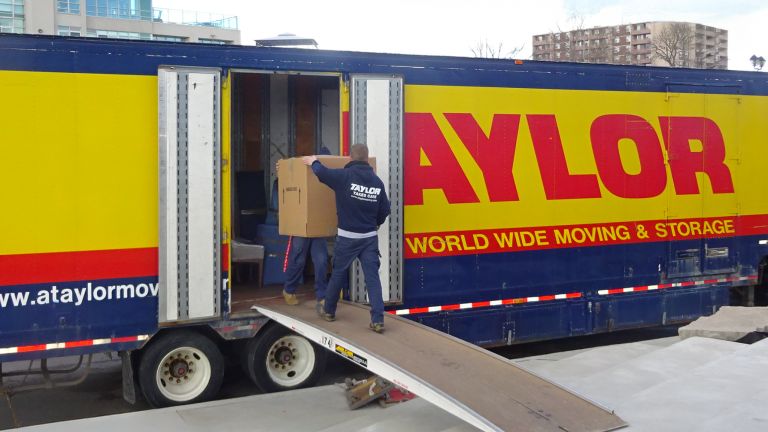
Deciding what to ship, sell, donate, or replace
Separate belongings into essentials, sentimental pieces, useful items, and replaceable goods. Consider purchase price, replacement cost, dimensions, condition, and the layout of the new home. Appliances may also need voltage or plug compatibility checks before you decide to ship them.
This is often the point where a household saves the most space. Removing one oversized, low-value item can be more practical than trying to reduce packing material later.
Creating an accurate household goods inventory
List each item with a plain description, quantity, approximate value, condition, and identifying details such as make or model. Avoid vague entries like “miscellaneous boxes,” particularly for boxes containing electronics, artwork, or kitchen goods. Keep a copy for yourself and make sure the packing crew can match labels to the inventory.
An inventory supports the quote, insurance discussion, customs declaration, and delivery check. It should be updated when items are added or removed.
Measuring furniture and planning container space
Measure length, width, and height, including unusual projections and the space needed after protective wrapping. Note which pieces can be disassembled and keep hardware in labeled bags. A mover can use these details to estimate volume and recommend shared or dedicated container space.
Leave practical access around items that may need inspection or careful unloading. Efficient loading is not just about fitting more in; it is about protecting the shipment and finding items at destination.
Packing, crating, and protecting valuable or fragile pieces
Professional packing can include wrapping, carton packing, furniture protection, and purpose-built crating for fragile or high-value pieces. Glass, marble, mirrors, antiques, and delicate finishes need particular attention because ocean transport involves vibration, handling, and changes in humidity. Ask what packing standard is proposed for each unusual item.
Taylor International’s overseas moving service can be discussed alongside storage solutions when your packing, collection, and housing dates do not align. The right plan should describe both protection and custody, not just the number of boxes.
Manage customs and import documentation
Customs is a separate part of the move from freight transportation. The shipment must be identified, documented, and presented according to the destination country’s rules. Requirements vary across Europe, so advice for the UK may not apply to France, Spain, Italy, Portugal, or another destination.
Begin gathering documents before pickup. A late form can create more trouble than a late box because it may prevent the shipment from being released at all.
Documents commonly required for a household move
Common documents may include a passport or identity document, proof of residence or relocation, a detailed inventory, shipping paperwork, and evidence of ownership or prior use where requested. Some countries require specific declarations or applications for relief from duties and taxes. Your mover or customs broker should give you a destination-specific checklist.
Keep digital and paper copies, and make sure names and addresses are consistent across every document. For country-specific planning, this USA to France relocation guide offers a useful example of the level of detail to expect.
How used personal effects may be treated by customs
Used household goods may receive different treatment from new purchases, but eligibility is not automatic. Customs authorities may consider residence history, ownership, use, import timing, and the accuracy of the inventory. New or commercial-looking quantities may attract additional questions.
Describe goods honestly and avoid assigning a token value simply to reduce possible charges. The broker can explain what evidence is appropriate for your circumstances.
Restricted materials, untreated wood, and other problem items
Food, plants, medicines, firearms, flammable products, alcohol, and some animal or plant materials may be restricted or prohibited. Untreated wood, including some packing materials and furniture components, can trigger inspection or treatment requirements. Batteries and liquids also deserve early review.
Ask about questionable items before they are packed. Removing a problem item at origin is usually simpler than trying to resolve it after arrival.
Common causes of customs delays and how to reduce the risk
Delays commonly arise from incomplete inventories, inconsistent information, missing residence documents, restricted goods, inspections, or an unavailable recipient. Reduce the risk by submitting documents early, describing items clearly, and responding quickly to broker questions. The shipment should not be booked on the assumption that customs is a formality.
For context on structured international web resources, international SEO guidance is separate from customs advice, but the same principle applies here: clear, consistent information helps people and systems interpret what they receive.
Plan the timeline from pickup to European delivery
An overseas move works best when planned backward from the date you need the furniture in your home. Ocean freight includes several milestones, and the final delivery date can depend on customs release and local access. Build a buffer rather than scheduling your lease, hotel checkout, and furniture arrival on the same day.
Taylor International has provided international moving services since 1959, according to its service information, and can discuss an overseas moving plan around your household dates. Experience does not remove uncertainty, but a clear sequence makes it easier to respond when dates shift.
How far in advance to arrange an international move
Start three to four months ahead when possible, especially for a full household shipment or a move to an inland European address. Earlier planning gives you time to reduce the inventory, obtain documents, reserve packing, and coordinate housing. Peak periods and unusual shipments may require more lead time.
If your date is close, ask what can move by air, what must travel by sea, and which documents need immediate attention.
Typical stages and milestones in the shipping process
The main milestones are the survey and quote, booking, inventory confirmation, packing, pickup, export handling, vessel departure, arrival, customs clearance, and final delivery. Each stage may have its own appointment or document deadline. Request updates that distinguish an estimated date from a confirmed one.
A short written timeline is especially helpful when different providers handle origin and destination work. It gives everyone the same reference point.
Factors that can change transit and delivery estimates
Vessel schedules, port congestion, weather, inspections, document errors, customs questions, and limited destination capacity can all affect delivery. An inland address, narrow road, apartment restrictions, or a missing lift reservation can create another delay after release. These are normal planning risks, not necessarily signs that the shipment has been lost.
Ask how you will be notified, what contingency options exist, and when storage or redelivery charges could apply.
Planning around housing, access restrictions, and temporary storage
Confirm that the European residence will be ready, accessible, and able to receive the shipment. Check parking, loading zones, stairs, elevators, building booking rules, and local traffic restrictions. If the home is unfinished or the date is uncertain, arrange temporary storage before the container arrives rather than improvising at the port.
A delivery plan that includes access details is much more useful than an address alone. Share photos or measurements of difficult approaches when requested.
Select a reliable international moving company
Choosing a mover is partly about price, but it is also about accountability. You want to know who surveys the shipment, who packs it, who handles export and import steps, and who will answer when the schedule changes. A professional conversation should make those responsibilities clearer, not more confusing.
Taylor International describes itself as an overseas moving and storage company serving worldwide destinations. When evaluating any provider, compare its documented services with your actual move and request a written explanation of what is and is not included.
Accreditations, insurance, and partner networks to evaluate
Ask about relevant industry memberships, accreditation, cargo liability, valuation or insurance options, and the destination partner network. These details do not replace a careful contract, but they can help you assess how a mover manages international handoffs. Check whether coverage applies during packing, storage, ocean transit, and delivery.
A reliable provider should explain claims procedures before pickup, while there is still time to make an informed decision.
Questions to ask about who handles each stage of the shipment
Ask who will pack, collect, consolidate, clear customs, unload, store, and deliver the goods. Confirm whether a broker is included and whether the same contact will coordinate updates. If a partner is used overseas, ask how responsibility is shared between the companies.
The answers should be specific enough to connect the quote with the actual operating plan. Vague assurances are not a substitute for named services and written terms.
How to verify services, responsibilities, and delivery terms
Read the estimate for assumptions about volume, access, packing, transit, customs, storage, and final delivery. Confirm cancellation terms, payment milestones, claims procedures, and what happens when the inventory changes. You can also review international moving advice while preparing questions for prospective movers.
The strongest quote is not always the lowest. It is the one you can understand, compare, and use to plan the household move with fewer surprises.
Preparing for specialized shipments such as vehicles, pets, or fine art
Vehicles, pets, fine art, antiques, and other sensitive items require separate planning and may involve additional documentation, timing, insurance, or specialist handling. Tell the mover about them at the first consultation rather than adding them after the booking. Pets and vehicles, in particular, can have rules unrelated to ordinary household goods.
Taylor International lists overseas moving among its services; ask directly whether the specialized item can be included in the proposed plan and who will manage its distinct requirements.
Plan Your International Move
If you are preparing a household move across the Atlantic, get a moving quote after creating your inventory and noting your preferred dates. A move specialist can then discuss the shipment, services, and delivery plan with information that is more useful than a rough room count.
Conclusion
Shipping furniture from the USA to Europe becomes more manageable when the shipment is treated as a sequence of connected decisions: reduce the inventory, choose the right freight method, document every item, budget for destination costs, and plan delivery around customs and housing. Clear responsibilities and early communication will not eliminate every uncertainty, but they can make the move easier to coordinate from pickup through arrival.
Frequently Asked Questions
What is the most practical way to ship furniture from the USA to Europe?
Sea freight is usually practical for a substantial household shipment because it accommodates bulky goods at a lower transport cost than air freight. Air freight may suit a small quantity of urgent essentials.
How long does shipping furniture to Europe take?
The total timeline includes estimating, packing, pickup, export handling, ocean transit, customs clearance, and final delivery. Transit and release dates vary by route, season, documentation, and destination conditions.
Should I choose a shared or dedicated container?
A shared container can suit a smaller shipment, while a dedicated container may be appropriate for a larger household or a shipment needing its own space. An accurate volume estimate should guide the choice.
What documents are needed to import household goods?
Requirements vary by country, but commonly include identity and residence documents, a detailed inventory, shipping paperwork, and declarations or evidence related to used personal effects. Confirm the exact list for your destination.
Are customs duties always charged on used furniture?
Not necessarily. Some destinations provide relief for qualifying used personal effects, but eligibility depends on local rules and your circumstances. Do not assume an exemption without confirming the requirements.
What furniture should I leave behind?
Consider selling, donating, or replacing items that are bulky, inexpensive, damaged, incompatible with the new home, or difficult to use with local utilities. Sentimental and hard-to-replace pieces may be more worthwhile to ship.
How early should I contact an international mover?
Three to four months is a useful planning window for many household moves. Start earlier for peak-season travel, complex customs requirements, pets, vehicles, fine art, or uncertain housing dates.
Leave a Comment