The true cost of moving from Canada to Australia: A complete guide
Key Takeaways
Relocating to another hemisphere requires understanding complex logistics, quarantine rules, and pricing methods.
- Shipment volume and weight are the primary factors that determine the initial pricing of ocean or air transport.
- Deciding between shared (LCL) and exclusive (FCL) container options balances transit speed against overall costs.
- Australia enforces strict biosecurity and quarantine standards that affect how personal items must be prepared and declared.
- Moving vehicles or domestic pets involves specialized documentation, health screens, and mandatory holding periods.
- Professional move management mitigates the risks of sudden currency fluctuations, port delays, and custom clearance issues.
Understanding the factors that drive moving costs
Calculating the breakdown of an overseas move can feel overwhelming when crossing the globe. Reliable estimators examine a wide range of logistics options, looking closely at how much you plan to bring and where it will eventually land. Moving is rarely a flat-rate experience, and shipping goods halfway around the world introduces deep variables that must be weighed before booking.
Calculating shipment volume and weight
When securing an international moving quote, the physical volume and weight of your household goods stand as the primary pricing factors. Movers measure your belongings in cubic feet or cubic meters, converting this space into a baseline cost. Minimizing clutter before your survey is the most effective way to keep your overall shipping profile within budget.
The impact of geographic distance and logistics
Distance is more than just miles on a map; it represents fuel surcharges, multi-port handling, and domestic land transportation. Moving from an inland Canadian province requires rail or road transit to a major coastal port before the ocean vessel even departs. Each transfer point adds labor and coordination expenses to the final tally.
Balancing shared container versus exclusive container options
Those shipping a partial household can choose between a shared container, known as Less than Container Load (LCL), or a Full Container Load (FCL) reserved solely for their goods. Shared containers are highly economical but require extra time to accumulate shipments from several clients before sailing. FCL shipments sail immediately once packed, offering faster transit and direct transport.
Comparing international shipping methods
Choosing how your household items cross the Pacific Ocean depends heavily on your budget and timeline constraints. The bulk of your belongings will typically travel by sea, but select items might require a swifter transit route.
Evaluating sea freight for household goods
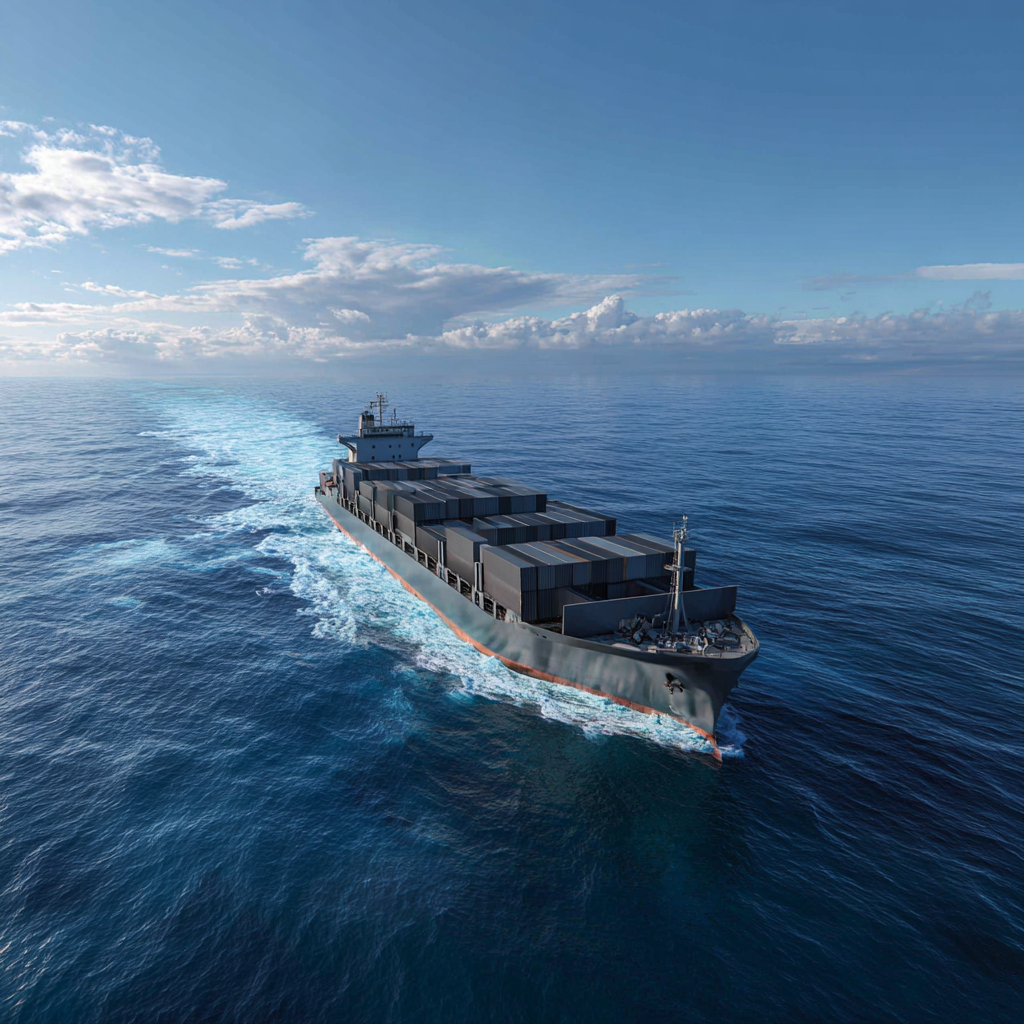
Sea freight remains the standard for transporting large volumes of household furniture across long distances. It presents the most economical cost of moving from Canada to Australia, allowing families to move entire households systematically. While ocean transit generally takes several weeks to cross the Pacific, the massive savings compared to air transport make it the default choice for major relocations.
When to consider air freight for small shipments
Air freight operates on a completely different pricing model, calculating charges based on actual weight or volumetric weight, whichever is higher. This shipping method is rarely practical for heavy furniture, yet it is highly valuable for essential documents, seasonal clothing, or critical electronics. If you need immediate access to items upon arrival without waiting for sea vessels, shipping a small air consignment gets those goods cleared and delivered in days.
Door-to-door versus port-to-port service delivery
Selecting the right service model changes both your personal workload and the final invoice. Under a port-to-port arrangement, your responsibility begins the moment the cargo ships arrive at the destination harbor, leaving you to handle terminal handling, custom clearance, and onward domestic trucking. Opting for a comprehensive door-to-door service removes these logistical headaches, meaning your chosen moving team manages every single handoff from your current residence straight to your new Australian home.
Navigating Australian customs and import regulations
Australia maintains some of the most stringent entry regulations in the world to protect its isolated ecosystems. Navigating these rules successfully requires an organized approach to inventorying and deep familiarity with import laws.
Developing a solid structure is not just a concern for international movers; it is also a centerpiece of personal asset organization, much like how wealthy individuals build asset protection using an offshore trust to secure their holdings from external claims. Preparing your high-value inventory list requires identical accuracy to prevent customs seizures or steep penalties.
Understanding Australian biosecurity and quarantine protocols
Australia’s Department of Agriculture, Fisheries and Forestry inspects incoming shipments for soil, seeds, moisture, and biological matter. Items that have been used outdoors, such as garden tools, hiking boots, and outdoor furniture, must be thoroughly cleaned before packing. If inspectors locate undeclared organic debris, your entire shipment may be subjected to mandatory professional steam cleaning or destruction at your expense.
Required documentation for household shipments
Clearing Australian customs requires a complete set of paperwork, including an Unaccompanied Personal Effects statement (Form B534), passport copies, and a comprehensive, itemized packing list. Preparing these forms accurately ensures that used personal items qualify for duty-free entry. Any errors or missing forms will trap your container in port, causing storage fees to accumulate daily.
Prohibited and restricted item disclosures
Some items simply cannot enter Australia, whereas others require special import permits. Raw wood products, certain plants, and organic materials are strictly prohibited to prevent environmental contamination. Disclosing all items transparently on your inventory list is essential, as concealment leads to immediate customs delays, heavy fines, and potential legal complications.
Budgeting for specialized relocation services
Standard shipping containers are ideal for boxes and furniture, but specialized goods require customized transport solutions. Moving large assets or living animals across borders requires extra planning and highly specific logistics pipelines.
Logistics for shipping a vehicle from Canada
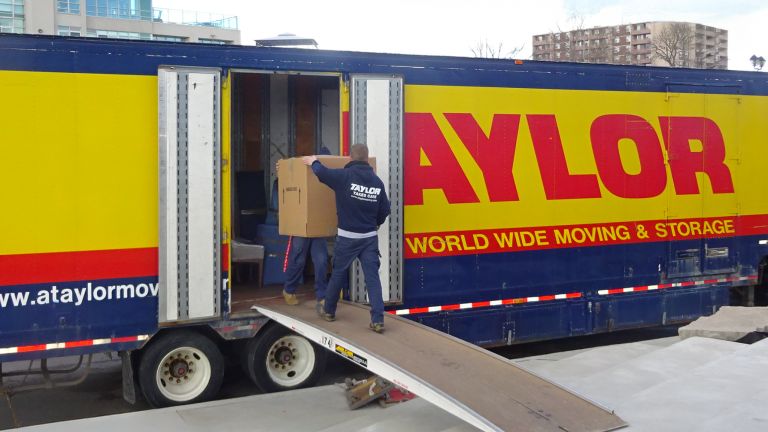
Shipping a vehicle internationally is a major project that requires careful financial calculations. You must navigate vehicle compliance, structural safety checks, and Australian import approval before the vehicle even leaves Canada. For those seeking absolute security, utilizing specialized enclosed shipping is recommended, though its premium pricing resembles how commercial operations review investments like Locus Robotics to optimize high-value processes inside complex environments.
Requirements for international pet relocation
Moving a family pet to Australia requires navigating a strict multi-step vet protocol, with preparations starting at least six months prior to departure. Your pet must undergo specific blood tests, vaccinations, and microchipping before receiving an import permit. Upon arrival, pets are held in a state-run quarantine facility for a minimum of ten to thirty days to screen for exotic pests and diseases.
Insurance coverage for high-value and fragile goods
Because your belongings will travel thousands of miles across unpredictable ocean swells, robust transit insurance is non-negotiable. Regular shipping agreements only offer basic liability, which rarely covers the actual value of damaged or lost items. Investing in an all-risk marine insurance policy ensures your fragile goods, electronics, and valuable heirlooms are fully covered.
Addressing hidden costs and financial variables
Many movers run into unexpected expenses when they fail to budget for the peripheral costs of a global relocation. Understanding these unseen variables ensures that your moving budget remains accurate and predictable.
Professional packing and custom crating needs
Using cheap boxes or packing items yourself is a common mistake that leads to damaged goods during ocean transit. International shipments suffer intense physical forces as container ships roll and pitch, making professional packing essential. Specialists construct custom wooden crates to protect valuable artwork, mirrors, or delicate dining tables from shifting during transit.
Short-term and long-term storage requirements
Managing transit timelines is rarely an exact science, and your household goods may arrive before you have secured a permanent Australian home. In these cases, you will need to utilize secure warehousing close to the arrival port. Below is an outline of the typical storage stages and cost profiles associated with global moves:
| Storage Phase | Typical Duration | Major Cost Drivers |
|---|---|---|
| Port-Side Holding | 3 – 7 Days | Wharfage fees, container demurrage |
| Short-Term Warehouse | 1 – 3 Months | Handling in/out, climate control needs |
| Long-Term Storage | 3+ Months | Monthly space lease, security audits |
These warehouse expenses can rise quickly, so setting aside a dedicated contingency fund for unexpected storage days is highly recommended.
Handling currency fluctuations and administrative fees
International transactions are subject to shifting exchange rates, which can alter your final costs overnight. Because shipping carriers bill their terminal handling fees in local currencies, a sudden drop in the Canadian dollar will raise your costs. Moving services also carry port infrastructure charges, customs processing fees, and documentation administration overhead that must be cataloged in advance.
How to evaluate and compare international moving quotes
Comparing quotes from different international moving companies requires looking past the bottom-line price. To ensure a smooth transition, you must understand exactly which services are included and which will be billed as extras later on.
Your moving details demand the same cautious evaluation as planning high-stakes real-world investments. For instance, just as a couple planning an elaborate destination wedding in Hawaii must carefully weigh custom Hawaii wedding packages to avoid surprise floral or coordinator fees, you must dissect the line items in your moving paperwork to ensure there are no missing services.
Identifying red flags in low-cost estimates
An unusually low quote is often a warning sign of a dishonest moving company. Some operators win jobs by presenting low initial estimates, only to hold your belongings hostage with unexpected fees once the container is loaded. To safeguard your move, it’s wise to consult a comprehensive international moving company guide to learn how to spot suspicious estimates and verify professional credentials.
Comparing inclusions in full-service moving packages
To make a fair comparison, you must review the inclusions of each quote side-by-side. Ensure that every estimate clearly defines who handles the packing, custom clearance, and final delivery inside Australia.
Before finalizing your selected mover, make sure your written agreement covers:
- All-inclusive household packing and custom crating.
- Marine transit insurance options for physical protection.
- Custom clearance handling including duty processing.
- Local delivery inside Australia, including unpacking and debris removal.
Checking that these steps are locked in will protect you from unexpected out-of-pocket charges when your shipment reaches port.
Asking the right questions to ensure reliability
Before signing a contract, speak directly with your moving coordinator about who actually manages the shipment once it arrives overseas. Reliable movers will name their accredited Australian partner network and explain their shipment tracking systems. Asking these detailed questions upfront ensures that you are working with an experienced operator capable of managing complex cross-border logistics.
To begin calculating your custom shipping budget, you can easily request a quote through our professional moving team.
To gain a deeper perspective on how transit options work, look closely at how modern maritime shippers load and track ocean containers. Watching a brief guide on sea transport workflows makes it much easier to understand how your container moves from port to port.
For those managing other specialized situations outside a standard household move, different rules apply. If you are dealing with property loss in the US, such as organizing a smoke damage cleanup after a house fire in Nevada, you will need to document the damage and costs for insurance adjusters carefully. Similarly, those exploring alternative online sports analysis can use a DFS parlay guide to learn about pick’em contest strategies. However, for a major ocean relocation, keeping your household inventory precise remains the single best path to protecting your goods.
There is no substitute for a thorough prep process. We recommend decluttering your home thoroughly before obtaining your final shipping volume estimate to keep your costs as manageable as possible.
Conclusion
Relocating across the globe from Canada to Australia is an incredible life step, but it requires thorough logistical and financial preparation. By understanding what drives ocean cargo pricing, keeping biosecurity regulations in mind, and properly analyzing moving quotes, you can prevent unexpected fees and streamline your arrival. Working with seasoned relocation experts ensures that every transition detail—from the initial packing survey to custom clearance in Australia—is handled with the professional care your belongings deserve.
Ready To Begin Your Relocation?
If you are planning an upcoming international relocation, Taylor International Movers is ready to help manage every step of your journey. With decades of global experience and trusted shipping networks, we simplify cross-border moves and handle your belongings with absolute care. Contact us today at 1-877-832-8010 or request a personalized moving quote online.
Frequently Asked Questions
What is the average cost to move household goods from Canada to Australia?
Moving an average household using maritime cargo systems generally ranges from CAD $4,000 to $12,000, depending on overall volume, departure location, and destination.
How long does ocean freight take to go from Canada to Australia?
Typically, ocean shipments take between five to eight weeks to cross the Pacific and complete customs clearances, depending on the departure and arrival ports.
Can I pack my own boxes for an international move?
While you can pack your own belongings, most professional movers advise against it because self-packed containers often face deeper customs inspections and may not qualify for comprehensive transit insurance.
Do I have to pay import duties on my used furniture in Australia?
Most personal effects and used household goods can be imported into Australia free of duties and taxes, provided you have owned and used them for at least twelve months prior to shipping.
How long must pets stay in quarantine when moving to Australia?
Pets arriving in Australia face a mandatory quarantine period of ten to thirty days at a state-run facility to prevent the introduction of foreign pests and diseases.
What items are completely prohibited from entering Australia?
Australia prohibits raw wood products, soil, seeds, fresh plants, and various organic materials to protect its local ecosystems and agriculture.
What is the difference between shared and exclusive container shipping?
Shared containers combine household goods from multiple clients to save on overall costs, while exclusive containers are reserved solely for one client’s shipment for faster transit.
Leave a Comment