Understanding the cost of moving from Canada to the UK: A complete guide
Key Takeaways
Moving across the Atlantic requires careful planning and a clear understanding of the financial landscape to avoid surprises during your relocation. Here are the most essential considerations to keep in mind:
- Accurately assess the total volume and weight of your belongings early to avoid inaccurate pricing.
- Choose between ocean and air freight based on your budget requirements and specific shipment urgency.
- Leverage the expertise of International Moving Inc. to handle complex customs paperwork and logistical hurdles.
- Budget for additional destination-specific costs like storage, local taxes, and final-mile delivery services.
- Maintain a flexible contingency fund of at least 15% to cover unforeseen port fees or currency fluctuations.
Factors that influence the cost of your international move
Determining the total price of an overseas relocation involves several variables that shift based on your origin and destination. Understanding how these factors interplay is the best way to control your expenses. Reliable service providers like Taylor International Movers help families break down these variables to ensure transparency. Getting a clear grasp of the cost of moving from Canada to UK early in the process remains the most effective strategy for a stress-free transition.
Calculating total volume and weight for household goods
Every cubic foot or kilogram of your shipment impacts the final quote you receive from your international mover. You should begin by categorizing your items into must-haves, donate, and discard piles to reduce the overall bulk of your move. To simplify this phase, start by listing your items based on their displacement:
- Large furniture items like sofas, beds, and tables that require professional disassembly.
- Personal boxes categorized by daily use, long-term storage, and fragile decorations.
- Specialized items that require custom crating, such as musical instruments or artwork.
- Bulkier kitchen appliances and electronics that may be better replaced locally upon arrival.
Distances from departure and arrival logistics hubs
Logistics is essentially the science of managing miles, and the proximity to primary port facilities can change your budget significantly. If you are starting your journey far from major departure hubs like Vancouver or Montreal, the inland transit fee to reach a port for ocean loading will add to your total. Similarly, the physical distance between your destination port in the UK and your final residence influences the complexity of final-mile deployment.
The impact of peak season demand on global shipping rates
The shipping industry is heavily influenced by seasonal trends, much like the travel industry. If you aim to ship during the summer or late spring—when many families choose to relocate—you may encounter higher rates and slower scheduling due to port congestion. By moving during off-peak times, such as mid-autumn or winter, you may find more competitive rates and better availability for priority shipping times.
Choosing between door-to-door and terminal-to-terminal services
Selecting your service level determines how much of the heavy lifting you are responsible for versus what your provider manages. Door-to-door service provides a complete, worry-free experience as it covers everything from your home in Canada to your new front door in the UK. Terminal-to-terminal, while cheaper, leaves the burden of local transport and port-to-residence logistics entirely in your hands, which can be an enormous risk if you are unfamiliar with local infrastructure.
Comparing shipping methods for your household items

Choosing the right transport method determines both your budget and how fast your life settles into the new country. Planning an international move from Canada? This requires evaluating the trade-offs between speed and expense. While air freight offers dramatic speed, sea freight is the industry standard for transporting entire households, as seen in the comparison table below.
Ocean freight alternatives: FCL versus LCL shipping
Full Container Load (FCL) service provides you with a dedicated container solely for your household goods, offering improved security and faster transit as it does not require deconsolidation at the port. In contrast, Less than Container Load (LCL) shipping groups your goods with other shipments, which lowers the cost but increases the potential for extended transit times while your items wait for co-loaders.
Considering air freight for urgent or high-value shipments
Air transport is reserved for items that must arrive within days rather than weeks, often used by families who need essentials immediately upon arrival. While the speed is unmatched, the price per kilogram is significantly higher than ocean shipping, which is why most people save this method for high-value antiques or essential personal documents.
| Transport Method | Cost Efficiency | Speed | Best Use Case |
|---|---|---|---|
| Ocean FCL | High | Moderate | Whole home relocation |
| Ocean LCL | Moderate | Slow/Moderate | Small apartment shipments |
| Air Freight | Low | Very High | Urgent/High-value goods |
Comparing transit timelines across different transport modes
When considering shipping timelines, always factor in the time taken for customs processing and ground transport, regardless of how fast your cargo crosses the ocean.
Calculating your timeline requires adding the port-to-port duration with the pre- and post-shipping transit phases. Ocean shipments generally take several weeks to cross to the UK, while air freight is measured in days, yet both require careful orchestration to ensure arrival lines up with your lease or closing date.
Evaluating the security and handling benefits of each shipping type
FCL shipping naturally entails fewer touchpoints because the container remains sealed from origin to destination, minimizing theft or breakage risks. Conversely, LCL shipments involve consolidation facilities where your boxes are handled by logistics teams, requiring more rigorous and protective packing strategies to maintain integrity during transit.
Navigating customs, duties, and import fees
Passing through borders is typically the most stressful phase of any move, but accuracy in your paperwork mitigates nearly all potential risks. When planning a move from Canada to the UK in 2026? you must ensure that your documentation reflects a full, honest inventory of your personal assets to qualify for standard tax exemptions.
Documenting personal belongings to qualify for duty-free status
Most countries, including the UK, allow residents to import their used household goods without paying duties, provided those items have been owned and used for a specific period. You must create a detailed packing list that identifies the age and condition of every major item to verify that you are not importing new goods for resale.
Addressing restricted and prohibited goods for UK entry
Standard rules prohibit items like hazardous materials, certain chemicals, and specific agricultural goods from entering the country. Checking the current list of banned items in the UK is vital, as any unauthorized materials found during a routine scan can lead to costly seizures or mandatory return shipping at your own expense.
Understanding the role of a professional customs broker
A professional customs broker acts as a specialized intermediary who communicates directly with government authorities to streamline your clearance. Their ability to preemptively address potential technical disputes or documentation errors makes them an indispensable asset for a residential mover managing a cross-continent relocation.
Preparing for potential inspections and port documentation delays
Even with perfect paperwork, random secondary inspections occur occasionally at entry ports. Maintaining high-quality scans of all original documents and ensuring accessibility in the event of an inquiry can drastically reduce the stress associated with these bureaucratic delays.
Managing essential moving-day logistics and services
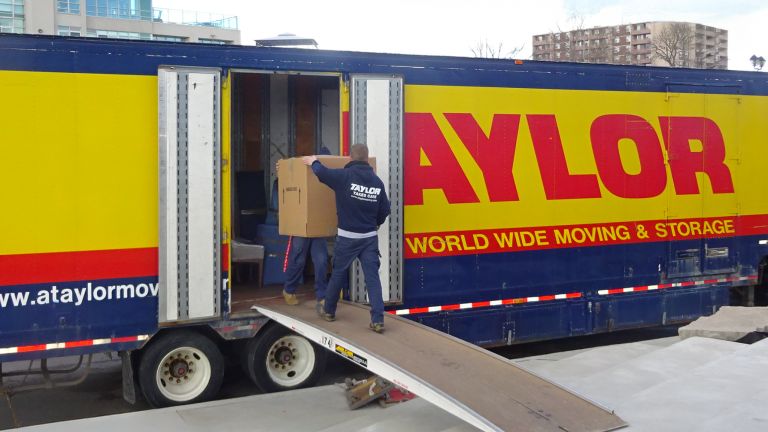
Moving day requires precise timing and coordination, especially when dealing with the realities of navigating two distinct logistics environments. Professional assistance helps ensure that your transition from your Canadian home to your new UK residence is seamless.
The value of professional packing and protective crating
Professional packers do far more than just put items in boxes; they use specialized materials and techniques designed for long-distance transit. Protective crating for your delicate antiques or monitors is a small investment that offers high protection against the vibration and pressure changes common in maritime shipping.
Coordinating residential pickup in Canada
Scheduling your pickup needs to be synchronized with your exit from your primary residence to ensure you are not left moving out after your lease has expired. Clear communication with your moving coordinator ensures the crew arrives ready to handle residential-specific tasks like navigating narrow driveways or apartment hallways without damage.
Navigating restricted access and parking hurdles in the UK
One of the most persistent issues people face upon reaching cities in the UK is the reality of narrow, often historic street infrastructure. Most shipping trucks cannot park on traditional residential streets without special city council permits or smaller shuttle vehicles to bridge the gap between the main truck and your front door.
Selecting comprehensive insurance coverage for long-distance transit
Standard transit insurance is often limited compared to the full value of your household possessions in an international context. You should consider opting for a comprehensive policy that covers transit duration, temporary storage periods, and potential handling damage to ensure total financial peace of mind.
Planning for destination-specific costs in the UK
Arriving in a new country brings a host of administrative and financial requirements unique to that location. Beyond the physical transit of goods, you must factor in the setup costs of your new home.
Budgeting for regional cost-of-living differences across the UK
Regional variation is massive, with cities like London costing significantly more than regions in the North or parts of Scotland. Research carefully how your monthly expenses like utilities and public transport will compare to your life in Canada so you can set an appropriate local budget.
Managing temporary storage needs upon arrival
It is common for the timeline of your arrival to be slightly offset from the availability of your new residence. You should investigate local, secure storage units in the vicinity of your new home to keep your belongings protected until you complete the final move-in process.
Executing the final-mile transport to your new residence
After your goods clear customs into the UK, they move to a regional warehouse before the final push to your home. Managing this final leg is crucial, as it involves the coordination of smaller vehicle crews who are accustomed to driving in the specific local area and parking conditions.
Factoring in local service taxes and municipal requirements
Various local councils in the UK charge municipal fees that differ from the tax structures you are accustomed to in Canadian provinces. Research these local dues early to prevent an unexpected demand for payment during your first month of residency.
Budgeting for unexpected expenses and hidden costs
Even the most planned moves can encounter small, unforeseen hurdles that require immediate financial attention. Having a contingency fund ensures these small bumps do not ruin the excitement of your new start.
Managing potential long-carry or stair fees at delivery
If the moving truck cannot pull up directly to your door, or if your new building lacks an elevator, movers will charge additional fees for the extra labor of lifting items manually. Check your local property layout ahead of time to anticipate these charges.
Handling unforeseen demurrage and port surcharge fees
If your paperwork has a minor error or if port authorities are congested, your container may sit for extra days, accruing daily rent. These port fees, known as demurrage, are significant, so ensuring your documentation is mistake-free is a direct way to save money.
Accounting for currency exchange rate volatility
Exchange rates fluctuate daily, affecting the value of payments made to European providers compared to your Canadian savings. It is a good practice to set aside an extra buffer in your budget to account for these market shifts if you have not locked in your exchange rates.
Setting aside a contingency fund for initial home setup
Beyond shipping, the initial weeks of setting up a household often include buying new linens, grocery stock, or unexpected repair services. A small reserve fund keeps your bank account steady while you wait for your paychecks and standard finances to shift into local currency rhythms.
Call Taylor International Movers Today
Ready to get started? We provide expert management for all your international moving needs. Reach out to our helpful team to navigate your transition smoothly, Get a Quote today or call 1-877-832-8010 to start your journey.
Conclusion
Moving from Canada to the UK is a rewarding experience, provided you approach the logistics with thorough planning and professional support. By focusing on accurate documentation, understanding customs, and staying conscious of both the international and local costs, you can ensure that your transition remains as comfortable as possible for you and your family.
Frequently Asked Questions
What is the most important factor in calculating the cost of my move?
The total volume and weight of your household goods, combined with the distance between your departure and arrival, remain the biggest drivers of the final price.
Can I pack my own boxes for an international move?
You can, but it is often discouraged because professional packing ensures the safety of items and satisfies most insurance provider requirements for coverage against damage during transport.
How soon should I start planning my move to the UK?
It is ideal to begin the planning phase at least three to four months before your desired arrival date to secure shipping space and prepare all mandatory documentation.
Does shipping to the UK take the same amount of time regardless of the port?
No, the type of shipping service, such as FCL or LCL, and the specific inland transport route from the arrival port to your residence will dictate the final arrival timing.
Are there specific limitations on what I can bring to the UK?
Yes, certain hazardous materials, plants, and agricultural goods are restricted or prohibited to protect the local environment and ensure international safety standards are met.
Is moving insurance different from standard contents insurance?
Yes, transit insurance is specifically designed to cover the unique risks of international shipping, such as moisture in containers, vibration during long transit, and heavy port handling.
How do I handle potential unexpected costs upon arrival?
Maintaining a dedicated contingency fund of approximately 15% of your total moving budget is the best strategy to cover unforeseen charges, such as local port fees or unexpected labor requirements.
Leave a Comment