What Does International Move Mean? Understanding the Complexities of Relocating Abroad

So, you’re thinking about packing up and moving to another country. It sounds exciting, right? But what does international move mean, really? It’s way more than just boxing up your stuff and hopping on a plane. It involves a whole lot of planning, paperwork, and figuring out how to get your belongings across borders. We’re talking about a big life change that touches on many different areas, from your finances to your family’s well-being.
Key Takeaways
- An international move means relocating your home and belongings from one country to another, which is different from moving within the same country.
- The process involves significant paperwork, customs checks, and logistical challenges for shipping items across borders.
- Costs can add up quickly, with many factors influencing the final price, including hidden fees, so comparing quotes is important.
- Planning ahead is vital, requiring a detailed timeline and checklist to manage the many steps involved before the move.
- Adjusting to a new country affects the whole family, and special considerations are needed for children, pets, and even vehicles.
Understanding What An International Move Means
Defining International Relocation
Moving your life from one country to another is a big deal. It’s not just packing up your stuff and driving across town. An international move, or international relocation, means crossing national borders with your household goods and personal belongings. This process involves a whole new set of rules, regulations, and logistics that are quite different from moving within your home country. It’s about starting fresh in a new place, with all the complexities that come with it. Our international move management services are designed to simplify this significant life event for you.
Distinguishing Between Domestic and International Moves
Think about moving from New York to California. That’s a domestic move. You’ve got state lines, sure, but the core process of hiring movers, packing, and unpacking is pretty similar. Now, imagine moving from New York to Tokyo. That’s where international moving comes in. The differences are huge. You’re dealing with customs agencies in both countries, different shipping methods (like ocean freight or air cargo), international transit times that can stretch for weeks, and a mountain of paperwork. It requires a different level of planning and specialized support. Our team handles these distinctions daily, making your transition smoother.
The Scope of Global Relocation
Global relocation isn’t just for diplomats or corporate executives. People move internationally for all sorts of reasons: new job opportunities, family ties, retirement dreams, or simply a desire for a change of scenery. The scope can range from a single person moving a few boxes to a family relocating an entire household, complete with pets and vehicles. Each move is unique, and our goal is to provide tailored support, whether you’re moving to a neighboring country or across the globe. We help you understand the full picture of what’s involved in relocating to Canada internationally or any other destination.
Navigating the Complexities of International Moving
Moving your life across borders is a big deal, and honestly, it can feel pretty overwhelming. It’s not just about packing boxes; there are layers of details that need attention. Our international move management service is designed to take the weight off your shoulders, handling the intricate parts so you can focus on settling into your new home.
Paperwork and Customs Hurdles
This is often the most daunting part of an international move. Every country has its own set of rules and regulations for what you can bring in, and the paperwork can be extensive. Think customs declarations, import permits, and proof of ownership for certain items. Missing a single document or misinterpreting a rule can lead to significant delays, extra fees, or even the confiscation of your belongings. We help you understand these requirements well in advance, preparing the necessary documentation to make the customs process as smooth as possible. It’s about being prepared and knowing the specific requirements for your destination country.
- Customs Declarations: Accurate and complete forms are vital.
- Import Restrictions: Understanding what you can and cannot ship.
- Duty and Tax Assessment: Knowing potential costs upon arrival.
Dealing with international customs can feel like trying to solve a puzzle with missing pieces. Our team stays updated on the latest regulations to help you avoid common pitfalls.
Logistical Challenges of Shipping Possessions
Getting your furniture, personal items, and everything in between from point A to point B internationally involves a complex web of logistics. This includes choosing the right shipping method (air or sea freight), proper packing to withstand long journeys, and coordinating with various transport providers. We manage the entire chain, from the initial packing at your old home to the final delivery at your new one. Our goal is to ensure your items arrive safely and on time, without you having to worry about the minute-by-minute coordination. We handle the planning for overseas relocation so you don’t have to.
Understanding Transit Times and Delivery Windows
One of the biggest unknowns in international moving is exactly when your belongings will arrive. Transit times can vary greatly depending on the destination, shipping method, and even global events. It’s important to have realistic expectations. We provide estimated delivery windows based on current shipping schedules and your chosen service level. This helps you plan your arrival and immediate needs in your new country. Knowing these timelines helps you manage your expectations and plan your move effectively.
| Shipping Method | Typical Transit Time (to major ports) |
|---|---|
| Sea Freight | 4-12 weeks |
| Air Freight | 1-3 weeks |
Remember, these are estimates, and factors like customs processing and local delivery can add time.
Addressing the Costs of Moving Abroad
Moving your life to another country is a big deal, and figuring out the cost is a major part of that. It’s not just about paying for a shipping container; there are a lot of moving parts, literally and figuratively. Understanding these expenses upfront can save you a lot of headaches and unexpected bills down the road.
Factors Influencing International Moving Expenses
The price tag for an international move can swing quite a bit. Several things play a role in how much you’ll end up paying. Think about the distance you’re moving – shipping from New York to London will naturally cost differently than shipping from Los Angeles to Sydney. The sheer volume of your belongings is another big one; more stuff means more space, more weight, and more cost. The type of service you choose also matters. Do you want door-to-door service, or are you okay with picking up your items at the destination port? Our international move management takes all these variables into account to give you a clear picture.
Here are some key factors:
- Volume and Weight: The more you ship, the higher the cost. Movers often charge by cubic feet or weight.
- Distance: Longer distances generally mean higher shipping fees.
- Mode of Transport: Air freight is faster but more expensive than sea freight.
- Services Included: Packing, unpacking, customs clearance, insurance, and storage all add to the total.
- Destination Country: Some countries have higher import duties or more complex customs procedures.
Identifying Hidden Costs in Overseas Relocation
Beyond the main quote, there are often smaller costs that can sneak up on you. These are the “hidden” expenses that people sometimes forget to budget for. For instance, customs duties and taxes can vary wildly depending on the country and the items you’re importing. You might also face fees for destination services, like having your belongings delivered to your new home and unpacked. If your new home isn’t immediately accessible, you might need to pay for temporary storage. It’s always wise to ask your move manager about potential surcharges.
Some common hidden costs include:
- Customs Duties and Taxes: These are levied by the destination country’s government.
- Destination Service Fees: Charges for delivery, unpacking, and debris removal at your new home.
- Storage Fees: If your belongings can’t be delivered right away.
- Special Handling Fees: For large, heavy, or unusually shaped items.
- Insurance Premiums: While often optional, it’s wise to consider coverage.
Comparing International Moving Quotes Effectively
Getting quotes from different international moving companies is a smart move. However, not all quotes are created equal. You need to compare them apples to apples. Look closely at what each quote includes. Does it cover packing, loading, shipping, customs, and delivery? Are there any exclusions? Our move management process helps you understand and compare quotes by detailing all services and potential costs. A quote that seems significantly lower might be missing crucial services, leading to unexpected charges later. Always ask for a detailed breakdown and clarify any ambiguities before making a decision. Remember, the cheapest option isn’t always the best value when it comes to something as important as your international relocation.
When comparing quotes, consider these points:
- Scope of Services: Ensure all quotes cover the same services (packing, shipping, customs, delivery, etc.).
- Inclusions and Exclusions: Clearly identify what is and isn’t included in the price.
- Transit Time Estimates: Understand the estimated delivery window for each quote.
- Insurance Options: Compare the coverage and cost of insurance.
- Payment Terms: Note any deposit requirements or payment schedules.
Budgeting for an international move requires careful planning. It’s about more than just the shipping fees; it’s about anticipating all the associated costs, from paperwork to final delivery, to avoid surprises.
Planning Your International Relocation Timeline
Moving your life to another country isn’t like packing up your car for a weekend trip. It takes serious planning, and getting the timing right is half the battle. Starting your planning early is the single most important step you can take. Think of it like building something big; you wouldn’t just start hammering away without a blueprint, right? An international move needs a similar structured approach.
Essential Steps Before Your International Move
Before you even think about booking a mover, there are a few things you absolutely need to sort out. This groundwork makes the rest of the process much smoother. Our international move management service helps you keep track of these critical early stages.
- Research Your Destination: Get a feel for the local culture, cost of living, and any specific import regulations for personal belongings. Some countries have strict rules about what you can bring in.
- Secure Necessary Documents: This includes passports, visas, work permits, and any other legal paperwork required for you and your family to live and work in the new country. Don’t underestimate how long this can take.
- Financial Planning: Figure out your budget. International moves can be expensive, and you’ll need funds for shipping, travel, initial accommodation, and setting up your new home.
- Declutter Ruthlessly: The less you move, the less it costs. Go through everything you own and decide what’s coming with you. Sell, donate, or discard the rest.
Creating a Checklist for Overseas Relocation
A detailed checklist is your best friend when planning an international move. It helps you stay organized and ensures nothing important gets missed. We can help you build a personalized checklist as part of our move management process.
Here’s a sample of what a comprehensive checklist might include:
- 6-12 Months Out: Research destinations, start visa applications, get initial quotes from international movers.
- 3-6 Months Out: Declutter, finalize moving company selection, book flights, arrange temporary housing if needed.
- 1-3 Months Out: Confirm shipping details, pack non-essential items, notify relevant parties (banks, employers, subscriptions) of your move.
- 2-4 Weeks Out: Pack essentials, arrange for utilities to be disconnected, confirm delivery details with movers.
- Moving Day & After: Final walkthrough, travel, unpack essentials, register with local authorities.
The timeline for an international move can vary significantly. Factors like the distance, shipping method (air vs. sea), and customs processing at both ends play a big role. It’s not uncommon for a move to take anywhere from several weeks to a few months from the initial packing to final delivery. This is why early planning is so important; it gives you buffer time for unexpected delays.
When to Start Planning Your International Move
So, when is the right time to kick off your international relocation planning? As a general rule, the earlier, the better. For most people, starting the process at least 3 to 6 months before your intended departure date is a good starting point. However, if you’re dealing with complex visa requirements or moving a large household, you might need to begin even earlier, perhaps 9 to 12 months in advance. Our international relocation planning guide can offer more specific timelines based on your situation. It’s always better to have too much time than not enough when it comes to moving abroad.
Managing Family and Personal Adjustments
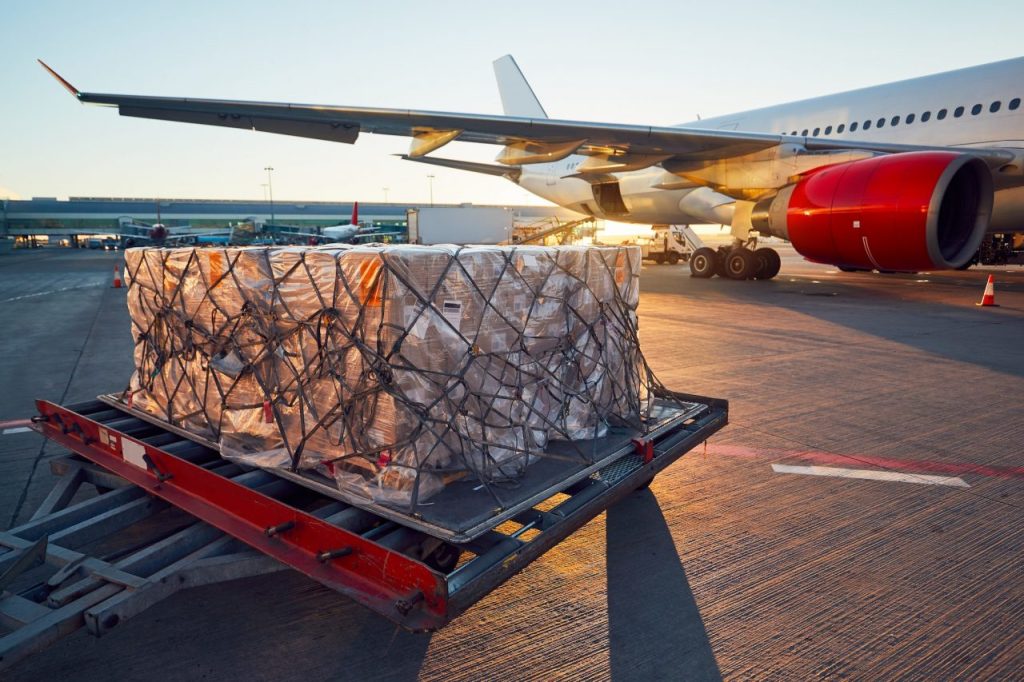
Moving your whole life to another country is a huge deal, and it’s not just about packing boxes. It’s about how everyone in the family handles the change. Kids, especially, can have a tough time adjusting to new schools, friends, and routines. It’s important to talk to them openly about what’s happening and what to expect. Making sure they feel heard and understood can make a big difference.
Relocating Children Smoothly
Getting kids settled in a new place takes time and patience. Think about how to help them connect with others their age. Maybe joining local sports teams or clubs could be a good start. It’s also a good idea to explore the new neighborhood together, finding parks or fun spots that can become their new favorites. Creating a sense of familiarity in the new environment is key.
- Involve them in the planning: Let them help pick out their new room’s decor or research fun activities in the new city.
- Maintain routines: Stick to regular meal times, bedtimes, and homework schedules as much as possible.
- Encourage connections: Help them find playdates or join school activities to build new friendships.
Considerations for Retirees Moving Abroad
Retiring in a new country can be exciting, but it comes with its own set of considerations. Beyond the obvious logistics of moving, think about healthcare access and local customs. It’s also wise to research the cost of living and any potential language barriers. Having a solid plan for these aspects can help make the transition smoother.
Reducing Stress During Family Relocations
Moving is stressful for everyone, but for families, the pressure can be amplified. Our international move management services are designed to take the weight off your shoulders. We handle the complex details of your move, from packing and shipping to customs paperwork, so you can focus on what matters most: your family’s well-being. We aim to make the entire process as straightforward as possible, providing support every step of the way. international moving companies can really help ease the burden.
The emotional side of moving is often overlooked. Acknowledging the feelings of uncertainty, excitement, and even sadness that come with relocating is a vital part of the adjustment process for the whole family. Support systems, whether new or existing, play a big role in how well everyone settles in.
Special Considerations for International Moves
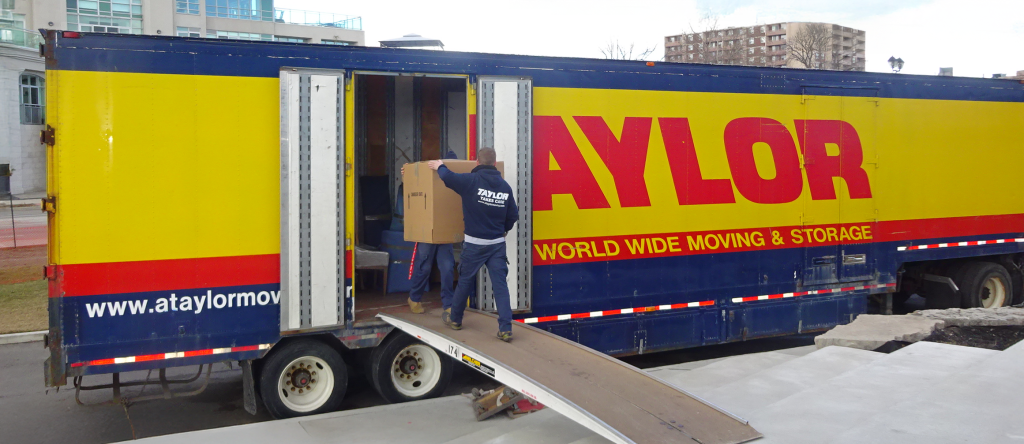
Moving your whole life to another country is a big deal, and sometimes the usual moving advice just doesn’t cut it. There are a few specific things that pop up when you’re crossing borders that you really need to think about ahead of time. Our international move management services are designed to help you sort through these unique challenges.
Moving Pets Across Borders
This is often one of the most stressful parts of an international move for families. Every country has its own rules about bringing animals in, and these can be pretty strict. You’re looking at things like specific vaccinations, microchip requirements, health certificates, and sometimes even quarantine periods. It’s vital to research the destination country’s pet import regulations well in advance. The process can take months, so starting early is key. We help coordinate the necessary paperwork and work with specialized pet transport services to make this as smooth as possible for your furry family members.
Shipping Vehicles Internationally
Deciding whether to ship your car overseas is a big question. It’s not just about the cost, though that’s a major factor. You need to consider import duties, taxes, and registration fees in your new country. Some countries have very specific requirements for vehicle emissions or safety standards, which your car might not meet. It’s also worth looking into whether it’s more practical to sell your car and buy a new one upon arrival. If you do decide to ship, we can help you understand the options, from roll-on/roll-off services to container shipping, and manage the logistics involved.
Transporting Valuables and Fine Art
When you’re moving, your most precious items – like fine art, antiques, or sensitive electronics – need extra care. These aren’t your average household goods. They often require specialized packing, climate-controlled transport, and specific insurance coverage. The value of these items means that standard moving insurance might not be enough. We work with partners who have experience in handling delicate and high-value items, making sure they are protected throughout their journey. Proper inventory and condition reports are a must for these types of shipments.
Planning for these special considerations is part of what makes an international move successful. It’s not just about packing boxes; it’s about understanding the unique rules and requirements of moving your entire life, including all its special pieces, to a new country. Our goal is to simplify these complexities for you.
Choosing a Trustworthy International Mover
Finding the right company to handle your international move is a big deal. It’s not just about getting your stuff from point A to point B; it’s about peace of mind. You’re trusting someone with your belongings, your memories, and the start of your new life abroad. So, how do you pick a mover you can actually count on?
Accreditations That Matter in International Moving
When you’re looking at different moving companies, keep an eye out for industry accreditations. These aren’t just fancy badges; they mean the company has met certain standards for quality, reliability, and ethical practices. Organizations like the International Association of Movers (IAM) or the Federation of International Furniture Removers (FIDI) have strict membership requirements. Belonging to these groups suggests a commitment to professionalism and customer care. It’s a good first step in vetting potential partners for your international move.
Questions to Ask Potential Movers
Don’t be shy about asking questions. The more you know upfront, the fewer surprises you’ll have later. Here are some key things to ask:
- What specific services are included in your quote? Make sure you understand what you’re paying for – packing, unpacking, customs clearance, insurance, storage, etc.
- Who will be handling my shipment at the destination? Many international movers work with a network of partners. Knowing who is involved in the final delivery is important.
- What is your process for handling customs documentation? This can be a major hurdle, so understand how they assist you.
- What are the estimated transit times and delivery windows? Get realistic expectations about when your belongings will arrive.
- What insurance options do you provide? Understand the coverage and any limitations.
Evaluating Service Quality and Reliability
Beyond accreditations and asking the right questions, think about the overall service. How responsive are they? Do they provide clear communication throughout the process? Our move management approach focuses on coordinating every detail, from the initial survey to the final delivery. We use advanced systems to track your shipment and keep you informed, aiming to reduce the stress often associated with moving abroad. A truly reliable mover will make the complex process of international relocation feel more manageable.
Choosing a mover is more than just comparing prices. It’s about finding a partner who understands the intricacies of international shipping and can guide you through every step. Look for companies that demonstrate transparency, offer clear communication, and have a proven track record of successful international moves.
Picking the right company to move your stuff overseas can feel tricky. You want someone reliable and good at their job. We make it simple to find a trustworthy international mover. Ready to make your move stress-free? Visit our website today to get started!
So, What’s the Takeaway?
Moving across countries is a big deal, way more than just packing boxes and changing your address. It’s about paperwork, figuring out customs, and sometimes, moving pets or cars. There’s a lot to think about, and it can feel overwhelming. But with the right planning and a good moving company that knows the ropes, especially for moves between places like Canada and the US, it can actually go pretty smoothly. Remember, it’s not just about getting your stuff from point A to point B; it’s about setting yourself up for a new life. Take your time, ask questions, and you’ll be ready for your new adventure before you know it.
Frequently Asked Questions
What exactly is an international move?
An international move means packing up your belongings and relocating your home to a different country. It’s more than just moving across town; it involves crossing borders, which brings a whole new set of rules and steps to follow, like dealing with customs and different shipping methods.
How is moving to another country different from a domestic move?
The biggest difference is the border crossing. Domestic moves happen within the same country, so paperwork is usually simpler. International moves require you to navigate customs regulations, potentially different languages, and longer transit times for your belongings, often involving ships or planes instead of just trucks.
What are the biggest challenges when moving overseas?
The main hurdles are the paperwork and customs rules, which can be confusing and cause delays. Getting your stuff shipped safely and on time is another big challenge, as is understanding all the costs involved, including unexpected ones. Plus, adjusting to a new country and culture takes time and effort.
How do I figure out the cost of moving abroad?
The price depends on how much you’re moving, how far it’s going, and the services you need. Things like packing, shipping method (air or sea), and any special handling for items like pets or vehicles add to the cost. It’s smart to get detailed quotes from a few companies to compare prices and watch out for hidden fees.
When should I start planning my international move?
It’s best to start planning as early as possible, ideally 2-3 months before you want to move. This gives you enough time to research movers, get quotes, gather necessary documents, and sort out all the details without feeling rushed. The earlier you start, the smoother the process will likely be.
How can I find a reliable international moving company?
Look for companies that have good reviews and are part of reputable industry groups. Ask them lots of questions about their experience, who will actually handle your shipment, and what kind of insurance they offer. Getting recommendations and comparing quotes carefully will help you find a trustworthy mover.
Leave a Comment