Your Guide to Seamless Overseas Moving: Tips and Tricks
Moving to another country is a big deal. It’s exciting, sure, but it can also feel like a lot. You’ve got to figure out where you’re going, what to pack, and how to get it all there without losing your mind or your favorite mug. This guide is here to break down the whole process of overseas moving, making it feel a lot less like a chore and more like the adventure it should be. We’ll cover the planning, the packing, and what happens after you land.
Key Takeaways
- Start your overseas moving plan early with a detailed checklist to keep track of everything.
- Figure out your budget for the move and your new life abroad before you start packing.
- Research your new country thoroughly, covering everything from laws to daily life.
- Pack smart by decluttering first and focusing on what you truly need.
- Choose reliable international movers who can handle the complexities of overseas moving.
Planning Your Overseas Moving Strategy
Before you jump into packing, it pays to take a step back and think through your approach. Getting your overseas move right from the start is all about timing, staying organized, and preparing for the unexpected. Here are some practical ways to get ahead of the chaos:
Create A Comprehensive Moving Checklist
A solid checklist keeps you from missing key steps like visas, pet papers, utility shutdowns, and other details that slip through the cracks.
- Break your move into three stages: before, during, and after the move.
- For each phase, set concrete goals and deadlines.
- Write out every small task, especially paperwork (visa forms, apostilles, translations) and appointments.
- Mark down big dates like shipment pickups, housing lease endings, and doctor appointments.
A detailed international move checklist can make the process much easier to track and manage.
| Task Category | Examples | When To Start |
|---|---|---|
| Legal Documents | Passports, visas, certificates | 6+ months before |
| Health Prep | Vaccinations, prescriptions, exams | 4-6 months before |
| Logistics | Book movers, ship items, arrange housing | 4-5 months before |
| Farewells | Notify jobs/schools, goodbye events, final packing | 1-2 months before |
Small details can sneak up on you. Writing out even the "obvious" tasks gives you a visual map and eases the mental load when things get stressful.
Budgeting and Financial Planning For The Move
If you don’t keep a close eye on costs, moving abroad will get pricey fast. Build a clear budget early, and include a cushion for those surprise expenses that crop up on every big move.
- Total up every expected cost: moving quotes, plane tickets, deposits, insurance, customs fees, early lease terminations.
- Research your new country’s cost of living. Note differences in rent, groceries, and healthcare.
- Consider currency exchange rates and possible fluctuations while you’re getting settled.
- Ask your bank about overseas fees and whether they have partners in your destination country.
You’ll worry less knowing your money situation is mapped out, even if it means saying no to some extras up front.
Research Your Destination Thoroughly
Don’t just look at pretty pictures or weather apps—dig into the regulations, local norms, and neighborhood vibes. Go beyond the travel guides.
- Check the local rules for shipping items: some countries are strict about things like electronics, plants, or cars.
- Learn about the local housing market and whether you’ll need short-term housing before settling in.
- Read up on basic language skills and key cultural differences to avoid rookie mistakes.
Make a list of questions to answer and start connecting with expat groups online to get the inside scoop. The more you know, the fewer surprises you’ll face on arrival.
Expert Tips for Packing For Overseas Moving
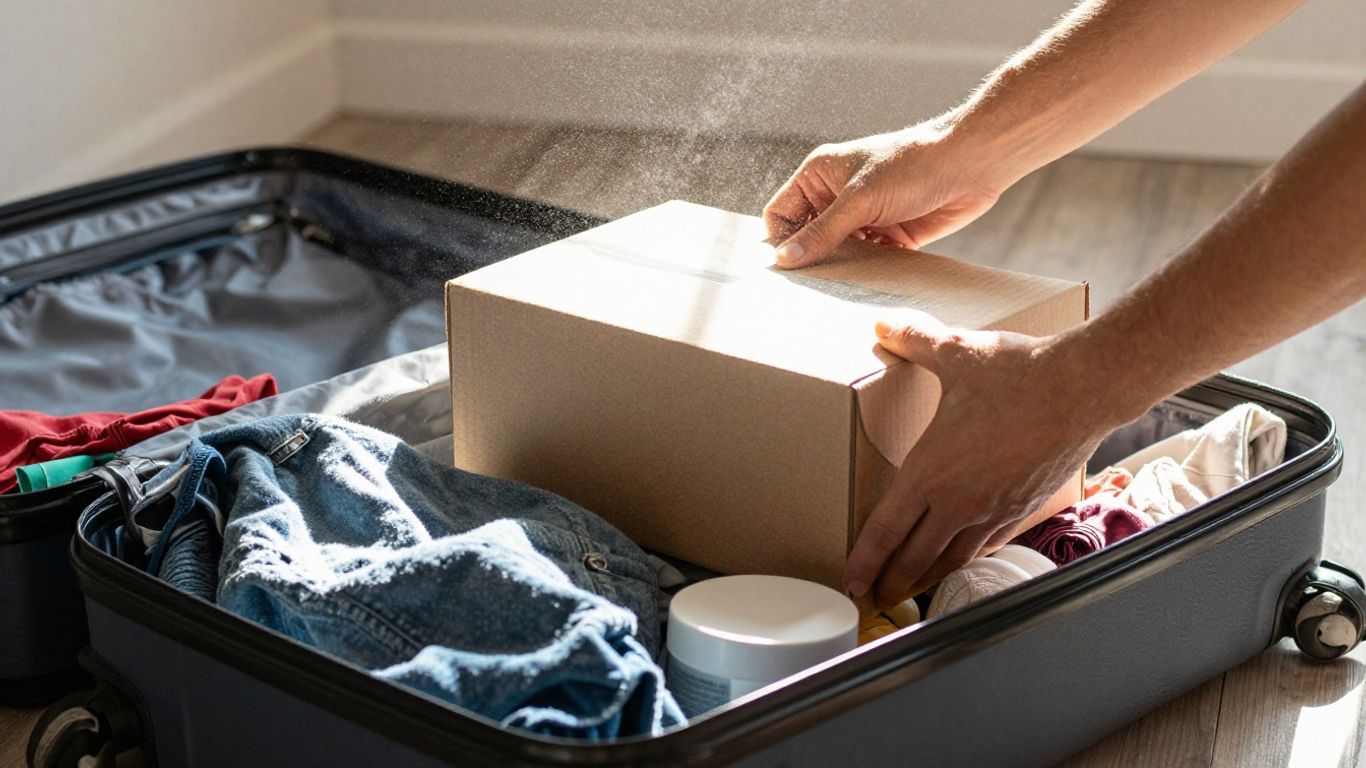
Packing for a move across countries isn’t just about stuffing things into boxes. It’s a big part of the whole process, and honestly, how you pack can really make or break your experience once you land. Get it wrong, and you might find yourself without important stuff or paying way too much. Let’s talk about making this part less of a headache.
Decluttering Before You Pack
Seriously, the first thing you should do is go through everything you own and ask yourself if you really need it. Shipping costs add up fast, usually based on how much stuff you have and how heavy it is. Bringing things you don’t actually use is just throwing money away. Think about it: is that old armchair really worth the cost to ship it halfway across the world? Probably not. This is also a great chance to get rid of things you’ve been meaning to sell or donate. It feels good to start fresh, and honestly, you might find that your new place doesn’t have room for all your old furniture anyway.
Here’s a quick way to think about what to keep:
- Necessity: Will you use this regularly in your new home?
- Cost: Is it cheaper to buy a new one there than to ship this one?
- Practicality: Will this item even work or fit in your new environment (think electronics voltage or room sizes)?
- Sentimental Value: Is it something you absolutely can’t replace?
Don’t underestimate the psychological benefit of decluttering. You’re not just clearing out your closets; you’re making space for a new chapter and a new version of yourself. Letting go of excess items can be surprisingly freeing.
Essentials To Bring When Moving Abroad
After you’ve done the big purge, focus on what absolutely needs to go with you, especially if you’re flying separately from your main shipment. You’ll want a carry-on or a small checked bag with things you’ll need right away. This usually includes about a week’s worth of clothes suitable for the local weather, your important medications (keep them in their original bottles with prescriptions!), and any critical documents. Don’t forget chargers for your phone and laptop – those are easy to lose in a big shipment.
It’s also a good idea to pack a few comfort items. Maybe it’s a favorite book, some photos of family, or even a special blanket. These little things can make a new place feel more like home much faster.
Categorize Your Belongings
Once you know what you’re bringing, sort it all out. This makes packing much more organized and helps when you’re unpacking later. Think about these main groups:
- Immediate Needs: Things you’ll need within the first few days of arriving. This includes toiletries, a few changes of clothes, basic kitchen items if you’re not sure about furnished housing, and important documents. Pack these in a separate, easily accessible suitcase or box.
- Valuables and Important Documents: Anything irreplaceable or very valuable, like jewelry, important papers (birth certificates, passports, etc.), and electronics like laptops. It’s often best to carry these with you personally rather than shipping them.
- Household Goods: This is the bulk of your stuff – furniture, kitchenware, clothing, books, etc. These will likely go in the main shipment. Make sure they are packed securely, especially anything fragile.
- Items to Sell/Donate/Discard: Anything that didn’t make the cut for shipping. Get it out of the way before the movers arrive!
Navigating Customs and Documentation
Okay, so dealing with customs and all the paperwork might sound like a total drag, but honestly, it’s super important for a smooth move. Each country has its own set of rules about what you can bring in, and if you don’t get it right, you could end up paying extra fees or, worse, having your stuff held up. It’s definitely one of those things you don’t want to mess up.
Secure Important Documents Early
Before you even think about packing boxes, get your important papers in order. This means passports, visas, birth certificates, marriage licenses, and any medical records. Make copies of everything, both physical and digital. Keep the originals with you – don’t pack them in your shipment! You’ll need these for all sorts of things when you arrive, and you don’t want to be scrambling to find them.
Required Documents For Customs Clearance
When it comes to getting your belongings through customs, there’s a list of documents you’ll likely need. Your moving company will be your best friend here, guiding you through it. Generally, you’ll need:
- A detailed inventory list of everything you’re shipping. This needs to be super specific, listing each item and its estimated value. Accuracy is key!
- Your passport and visa information.
- A customs declaration form, which your movers will help you fill out.
- Proof of ownership for certain items, especially if you’re bringing a car. You might need the original title for moving internationally with a car.
- Any specific import permits required by the destination country.
Remember, rules can change, and what’s allowed duty-free in one country might be taxed in another. It’s always best to double-check with your moving company or the embassy of your destination country well in advance.
Plan For Customs Delays
Even with all your paperwork perfectly in order, customs can sometimes take longer than expected. Things like holidays, busy shipping seasons, or just a backlog at the port can cause delays. It’s a good idea to factor this into your timeline. Your movers should give you an estimated time for customs clearance, but it’s wise to add a little buffer time, just in case. This is why having temporary housing sorted out is a good idea, so you have a place to stay while you wait for your main shipment to arrive and clear.
Choosing the Right International Movers
Picking the right company to handle your move overseas is a really big deal. It’s not like moving across town; this involves international shipping, customs, and a whole lot more. You want someone who knows what they’re doing, plain and simple. Don’t just go with the cheapest option you find online. A good mover can make the whole process feel way less stressful, while a bad one can turn your move into a nightmare.
Work With Trusted International Movers
When you’re looking for a company, check their background. See if they have good reviews from other people who have moved internationally. Look for companies that are part of professional organizations, like the International Association of Movers (IAM). This usually means they follow certain rules and standards. It’s also smart to ask for references and see if they have experience moving to the specific country you’re headed to. They should be able to explain their process clearly and answer all your questions without making you feel rushed.
Professional Packing Services
Packing for an international move is different from packing for a local one. Items need to be packed in a way that they can withstand a long journey, possibly on a ship. Many moving companies offer professional packing services. They use special materials and techniques to protect your belongings, especially fragile items. If you have a lot of delicate things or just want to save yourself the time and hassle, this is definitely something to consider. It can prevent a lot of headaches down the road.
Insurance and Safety For Your Belongings
Things can happen during transit, no matter how careful everyone is. That’s why insurance is super important. Ask potential movers about their insurance policies. What exactly is covered? What isn’t? How do you make a claim if something gets damaged or lost? You want to make sure your stuff is protected. Also, ask about their safety record. Do they have a history of handling shipments securely? A company that takes safety seriously will be upfront about these details.
Here’s a quick look at what to ask about:
- Insurance Coverage: What types of policies are offered?
- Claim Process: How do you file a claim if needed?
- Liability Limits: What are the limits of the mover’s responsibility?
- Declared Value: What’s the process for declaring the value of your goods?
Choosing a mover is about more than just getting your stuff from point A to point B. It’s about finding a partner who can manage the complexities of international relocation with care and reliability. Think about the long-term implications of a poor choice versus the peace of mind that comes with a reputable service.
The Overseas Moving Process
So, you’ve planned, packed, and sorted all the paperwork. Now comes the actual move itself. This is where all that preparation really pays off. It’s not just about getting your stuff from point A to point B; it’s about making sure it arrives in one piece and on time.
Shipping Methods For Your Belongings
When it comes to getting your worldly possessions across oceans, you’ve got a couple of main routes. Sea freight is usually the go-to for most people. It’s slower, sure, but it’s also way more budget-friendly, especially if you have a lot of stuff. Think of it like a big cargo ship taking its sweet time. Air freight, on the other hand, is the speedy option. It’s perfect if you’re in a rush or only have a few high-priority items. Just be ready for the higher price tag. Your moving company should help you figure out which makes the most sense for your situation.
Here’s a quick look at the trade-offs:
- Sea Freight:
- Pros: Cheaper, good for large volumes.
- Cons: Takes longer (weeks to months).
- Air Freight:
- Pros: Faster (days to weeks).
- Cons: More expensive, best for smaller shipments.
Track Your Shipment
Once your belongings are on their way, you’ll probably want to know where they are. Most reputable international movers offer a tracking system. It’s usually a website or an app where you can punch in a reference number and see the status of your shipment. It’s not quite like tracking a pizza delivery, but it does give you some peace of mind knowing your stuff is moving along as planned. It helps you anticipate arrival dates and plan accordingly for when you’ll need to be there to receive it.
Comprehensive Services From Movers
Good international movers do more than just haul boxes. They often provide a whole package of services. This can include everything from packing your delicate items with special materials to handling all the confusing customs paperwork at both ends. Some even offer unpacking services when your things finally arrive. It’s worth looking for a company that can handle most, if not all, of the logistics. This way, you’re not juggling multiple companies and trying to figure out who’s responsible for what. They act as your main point of contact, simplifying a really complex process.
The physical move is the culmination of all your planning. While it might seem straightforward, the details matter. Choosing the right shipping method and having a way to track your items can significantly reduce stress. Don’t underestimate the value of a mover that offers end-to-end services; it can make a world of difference when you’re already dealing with the big picture of relocating your life.
Settling In After Overseas Moving

So, you’ve made it! Your belongings are (hopefully) on their way, and you’re standing in your new home country. It’s a huge accomplishment, but honestly, the work isn’t quite done yet. The first few weeks can feel like a whirlwind, a mix of excitement and maybe a little bit of ‘what have I done?’
What To Do Right After You Arrive
Those first 24 to 72 hours are pretty important. You’ll want to get the basics sorted so you can start feeling a bit more grounded. Think of it like setting up your new base camp.
- Local Registration: Many countries require you to register with local authorities within a few days. Check the rules for your new location so you don’t miss any deadlines.
- Connectivity: Get a local SIM card or set up a phone plan. Figuring out how to call people or get online is a big one.
- Immediate Needs: Locate the nearest grocery store and pharmacy. Knowing where to get essentials makes a difference.
- Emergency Services: Find out how the local emergency services work. It’s good to know, just in case.
The transition period is a marathon, not a sprint. Be patient with yourself and the process. It’s okay to feel a bit overwhelmed; most people do.
Finding Housing and Settling In
Finding a place to live is usually high on the list. If you haven’t sorted permanent housing before you arrived, you’ll need to figure out temporary accommodations first. This could be a hotel or a short-term rental. Researching the local rental market beforehand is a good idea, as rules and practices can differ a lot from what you’re used to. Getting your living situation sorted quickly will help you feel more settled.
Adjusting To A New Culture and Environment
Culture shock is a real thing, and it can hit even if you thought you were prepared. It takes time and a willingness to adapt. Learning even a little bit of the local language can open up so many doors, from ordering coffee to making friends. Trying to connect with people, both locals and other expats, can build a support system that makes a big difference. Remember, this is a new chapter, and while it has its challenges, it’s also a chance for new experiences and memories. For military families, this adjustment is often a familiar challenge, but no less significant with each move Military spouses commit to moving anywhere in the world.
| Task Category | Initial Steps |
|---|---|
| Legal/Admin | Register with local authorities, update visa/permits |
| Communication | Get a local phone number and internet access |
| Daily Living | Locate grocery stores, pharmacies, banks |
| Social Integration | Join local groups, attend community events |
Wrapping Up Your Big Move
So, you’ve made it through the planning, the packing, and the actual move. That’s a huge accomplishment! Moving overseas is a massive undertaking, and honestly, it’s pretty wild to think about starting fresh somewhere new. Remember all those checklists and tips we went over? They were there to help make things less chaotic, and hopefully, they did. Now that you’re on the other side, take a moment to breathe. Adjusting takes time, so be patient with yourself and the new surroundings. You’ve got this adventure ahead of you, and while there might be bumps along the way, you’re now better equipped to handle them. Here’s to new beginnings and making your new place feel like home.
Frequently Asked Questions
What’s the first thing I should do when planning to move overseas?
The very first step is to create a detailed plan. Think of it like making a big to-do list for your move. This list should include everything from when you need to start packing to what documents you’ll need. Breaking down the big job into smaller tasks makes it much easier to handle and less overwhelming.
How much money should I set aside for an international move?
Moving overseas can cost a lot. You’ll need to figure out a budget that covers everything. This includes the cost of moving your stuff, travel tickets, and setting up a new home. It’s smart to save extra money for unexpected costs, too, because things often pop up that you didn’t plan for.
What documents are super important to get before I move?
You’ll need your passport and visa for sure. Also, gather important papers like birth certificates, marriage licenses, and any school or work records. It’s a good idea to get copies of these and maybe even have them translated if needed. Keep them all in a safe place!
Should I hire movers or do it myself?
For moving overseas, it’s usually best to hire professional movers who specialize in international moves. They know all about packing things safely for long trips, dealing with customs, and getting your stuff to your new home without problems. Doing it yourself can be really tricky.
What should I pack in my suitcase for the first few days?
Pack a separate bag with things you’ll need right away when you arrive. This includes clothes for a few days, toiletries, any important medications, chargers for your phone, and copies of your important documents. You might not get your packed boxes for a while, so this bag is a lifesaver!
What’s the hardest part about moving to a new country?
One of the biggest challenges is getting used to a new culture. Things like language, food, and daily routines might be very different. It takes time to adjust. Also, figuring out new systems like healthcare and transportation can be tough at first. Be patient with yourself as you learn!
Leave a Comment