Your Ultimate Guide to Canada International Moving in 2026
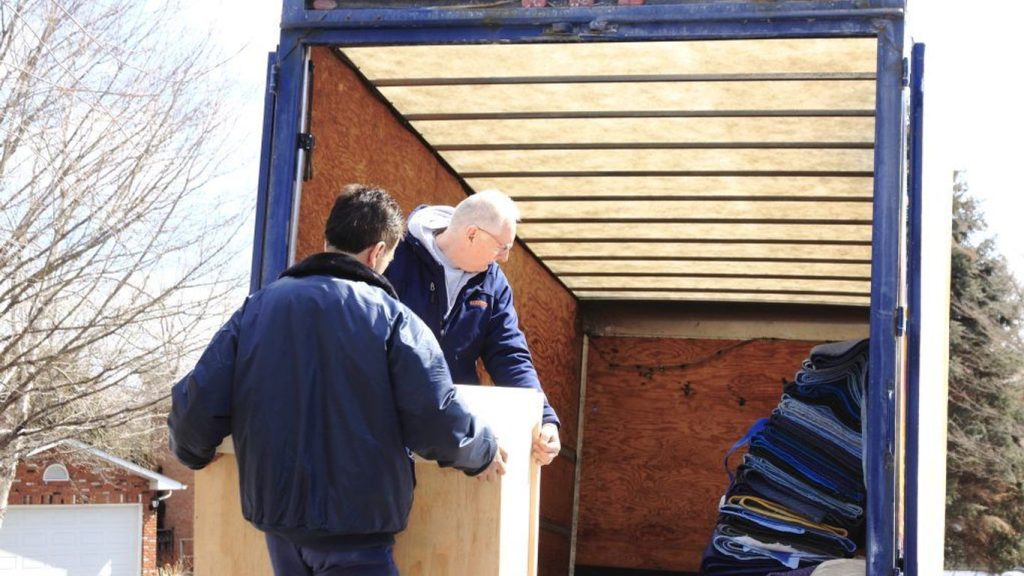
Thinking about packing up your life and moving to Canada in 2026? It’s a big step, and doing it from another country adds a whole other layer of things to figure out. This guide is here to help break down the whole process of Canada international moving, from the initial planning stages right through to getting settled in your new Canadian home. We’ll cover what you need to know so your move goes as smoothly as possible.
Key Takeaways
- Moving internationally to Canada involves understanding basic relocation steps, key planning details, and defining your personal moving needs.
- Proper planning is vital for Canada international moving, including creating a timeline, gathering necessary documents for border crossings, and preparing a detailed inventory.
- Selecting the right international mover for your Canada move means checking their credentials, asking the right questions, and comparing what they offer.
- The costs associated with Canada international moving can vary widely; it’s important to understand what influences prices and to watch out for unexpected charges.
- Special items like pets or vehicles require specific planning, and understanding Canadian customs rules is key to avoiding delays when you arrive.
Understanding Your Canada International Moving Journey
Moving your life across international borders to Canada is a big undertaking. It’s not just about packing boxes; it’s about planning, paperwork, and making sure everything arrives safely. Our goal is to make this process as clear and manageable as possible for you. We focus on providing the support and information you need, from the moment you start thinking about the move until you’re settled in your new Canadian home. Think of us as your dedicated move management team, here to guide you through every step.
Navigating the Basics of International Relocation
International relocation involves a lot more than just transporting your belongings. It’s a complex process that touches on many aspects of your life. Understanding the general flow of an international move is the first step. This includes knowing the typical stages, from initial planning and getting quotes to packing, shipping, customs clearance, and final delivery. We help break down these stages into manageable parts, so you don’t feel overwhelmed. Our approach is to provide clarity on what to expect, helping you anticipate challenges and plan accordingly. We aim to simplify the complexities of moving abroad, making it a more predictable experience.
Key Considerations for Your Move Abroad
Before you even start looking at moving companies, there are several important things to think about. Your personal circumstances play a big role in how your move will unfold. Are you moving with family, pets, or perhaps valuable items like art? Each of these requires specific planning. It’s also important to consider the timeline. International moves often take longer than domestic ones, so starting early is key. Thinking about these factors upfront helps in creating a realistic plan and budget. We help you identify these personal considerations so nothing gets overlooked.
Defining Your International Moving Needs
To manage your move effectively, we first need to understand what you need. This means looking at the volume of your belongings, the specific items you’re shipping (like vehicles or pets), and your desired timeline. Are you looking for a full-service move where we handle everything, or do you need assistance with specific parts of the process? Clearly defining your needs allows us to tailor our services to you. This personalized approach is what makes international moving management so effective. It ensures you get the support you need, without paying for services you don’t. Understanding your unique requirements is the foundation of a successful move to Canada, and we’re here to help you figure that out. You can explore general information about Canada’s Immigration Levels Plan to get a sense of the broader context of moving to Canada.
Planning Your International Move to Canada

Getting ready to move your life to Canada is a big deal, and a solid plan makes all the difference. It’s not just about packing boxes; it’s about setting yourself up for a smooth transition. Our international move management service is designed to help you through every step, taking the stress out of the process.
Creating a Comprehensive Moving Timeline
A well-structured timeline is your best friend when planning an international move. It helps you stay organized and ensures nothing important gets overlooked. Think of it as your roadmap from your current home to your new Canadian address. We help you build this roadmap, breaking down the big task into manageable chunks.
Here’s a general idea of what a timeline might look like:
- 12+ Months Before Move: Start researching Canada, visa requirements, and potential neighborhoods. Get a general idea of moving costs and start decluttering.
- 6-9 Months Before Move: Get quotes from international movers. Finalize your moving company and book your shipping dates. Start gathering important documents.
- 3-6 Months Before Move: Begin packing non-essential items. Arrange for shipping of vehicles or pets if needed. Notify relevant parties of your upcoming move.
- 1-3 Months Before Move: Pack the majority of your belongings. Confirm details with your mover. Arrange for utility shut-offs and forward your mail.
- Last Month: Pack essentials box. Finalize all paperwork. Confirm arrival details in Canada.
A detailed timeline prevents last-minute panic and helps you manage expectations about the entire relocation process.
Essential Documentation for Cross-Border Shipments
Paperwork is a big part of moving internationally, especially when shipping your belongings across borders. Having the correct documents ready is key to avoiding delays at Canadian customs. Our team is experienced in managing the required paperwork, making this part of your move much simpler. We guide you through what’s needed, so you don’t have to figure it all out alone.
Key documents typically include:
- Bill of Lading: This is your contract with the moving company and a receipt for your shipment.
- Detailed Inventory List: A comprehensive list of all items being shipped, including their estimated value. This is crucial for customs and insurance.
- Customs Declaration Forms: These forms declare the goods you are bringing into Canada.
- Proof of Ownership/Residency: Documents that show you own the goods or have lived abroad for a certain period, which can affect duties and taxes.
We help you prepare and organize these documents, ensuring they meet all Canadian requirements. This attention to detail is part of our commitment to a smooth move to Canada.
Preparing Your Inventory for Overseas Transport
Creating an accurate inventory of your household goods is more than just a list; it’s a vital step for customs, insurance, and tracking your items. When you work with us, we help you create a detailed inventory that accurately reflects everything you’re shipping. This process helps you keep track of your possessions and provides a clear record for any potential issues during transit.
When preparing your inventory, consider these points:
- Be Specific: Instead of “kitchenware,” list “10 plates, 12 bowls, 4 pots, 2 pans.” The more detail, the better.
- Note Condition: Briefly describe the condition of items, especially valuable or fragile ones (e.g., “minor scratch on dresser,” “antique vase, good condition”).
- Assign Value: Estimate the replacement value for each item or group of items. This is important for insurance purposes.
This meticulous preparation is part of our move management approach, ensuring your belongings are accounted for from start to finish. It’s a step that many overlook, but it can save a lot of headaches later on.
Choosing the Right International Mover for Canada
Picking the right company to handle your international move to Canada is a big deal. It’s not like just hiring someone to move your couch across town. This is about your entire life, packed up and shipped across borders. You want someone you can trust, someone who knows the ropes, and someone who won’t leave you with a mountain of problems when you arrive.
Evaluating Mover Reliability and Accreditations
When you’re looking at movers, don’t just go for the first name you see. You need to do a little digging. Reliability is key, and accreditations are a good sign of a company’s commitment to quality. Think about it: would you rather hire a contractor who’s certified and has good reviews, or someone who just hung out a shingle yesterday? The same applies here. Look for movers who are part of reputable industry organizations. These groups often have standards that companies have to meet, which gives you a bit more peace of mind. It shows they’re serious about their business and about treating customers right. We focus on providing a transparent process, so you know exactly who is handling your belongings every step of the way.
Questions to Ask Before Hiring Overseas Movers
Before you sign anything, have a list of questions ready. It might feel like a lot, but it’s better to know now than to find out later. Here are some things you should definitely ask:
- Who actually handles my shipment? Sometimes, the company you book with isn’t the one doing the actual moving. Ask if they use partners and if those partners are vetted.
- What kind of insurance is included? Understand the coverage limits and what’s covered if something goes wrong.
- Can you provide a detailed, binding quote? Make sure the price you’re quoted is the price you’ll pay, with no surprises.
- What is your process for handling customs paperwork? A good mover will guide you through this complex part.
It’s also smart to ask about their experience with moves to Canada specifically. Every country has its own rules, and a mover familiar with moving from the U.S. to Canada will likely have a smoother process.
Comparing Service Quality and Value
Comparing movers isn’t just about the lowest price. You need to look at the whole picture. What services are included in that price? Are they offering packing, unpacking, storage, or just transportation? Our move management approach means we coordinate all these details for you, so you get a complete service. Think about what you need most. If you’re moving a lot of delicate items, packing quality might be more important than speed. If you have a tight deadline, transit times will be a bigger factor. It’s about finding the best fit for your specific situation and budget. Remember, the cheapest option often comes with hidden costs or lower quality service, which can lead to more stress down the line.
Managing the Costs of Canada International Moving
Moving your life to a new country like Canada can feel like a big financial undertaking, and honestly, it is. But understanding where your money goes is the first step to managing it well. Our international move management services are designed to bring clarity to this process, helping you budget effectively.
Understanding Factors Affecting Moving Expenses
The price tag on an international move isn’t set in stone. It really depends on a few key things. The sheer volume of stuff you’re bringing is a big one – more boxes mean more space on the ship, and that costs money. Where you’re coming from and where in Canada you’re headed also plays a role, as shipping routes and distances vary. Then there’s the speed; do you need things there yesterday, or can they take their time? Air freight is faster but pricier than sea freight. We help you sort through these variables to get a clearer picture of what your move might cost.
Decoding International Moving Quotes
Getting quotes from different movers can feel like comparing apples and oranges. A good quote should be detailed, breaking down costs for packing, loading, shipping, customs, and delivery. Don’t just look at the bottom line. Ask for a breakdown. We encourage you to compare service quality and value, not just price. Our approach is to provide transparent quotes so you know exactly what you’re paying for.
Here’s a quick look at what influences costs:
- Volume of Goods: More items equal higher costs.
- Distance: Shipping across continents costs more than shorter international routes.
- Shipping Method: Air freight is faster and more expensive than sea freight.
- Services Included: Packing, unpacking, insurance, and storage all add to the total.
- Destination Services: Delivery to your door versus a port.
Identifying Potential Hidden Costs
Sometimes, the biggest surprises come from costs you didn’t see coming. These can pop up with customs duties, unexpected storage fees if there are delivery delays, or even charges for specialized packing of certain items. It’s why we stress the importance of thorough planning and clear communication. Being prepared can help you avoid those unwelcome financial surprises. We aim to help you anticipate these potential costs so there are fewer surprises when you’re settling into your new Canadian home. Planning ahead can significantly lower your expenses when relocating internationally [fe7f].
It’s always a good idea to have a buffer in your moving budget. Unexpected things can and do happen, and having a little extra set aside can save a lot of stress down the line. Think of it as peace of mind money.
Special Logistics for Your Canada Move
Moving your life to a new country like Canada involves more than just packing boxes. Sometimes, you have unique items or companions that need special attention. Thinking about how to move pets, vehicles, or even valuable art requires careful planning and specific knowledge. Our international move management services are designed to handle these complexities, taking the stress out of these specialized logistics.
Relocating Pets and Vehicles Internationally
Moving a beloved pet across borders can feel daunting. Each country has its own rules regarding vaccinations, quarantine periods, and required documentation. We work with trusted partners who specialize in pet transport, ensuring your furry family members travel safely and comfortably, meeting all Canadian import regulations. Similarly, shipping a vehicle internationally involves a different set of procedures. This includes customs declarations, potential import duties, and ensuring the vehicle meets Canadian safety and emissions standards. We can guide you through the process, from arranging transport to handling the necessary paperwork, so your car is ready to drive when you arrive.
Shipping Fine Art and Valuables
Your cherished art pieces and high-value items deserve the utmost care. These items often require specialized packing materials, climate-controlled transport, and specific insurance coverage. We understand the delicate nature of such shipments and employ techniques to protect them from damage during transit. Our team can help you document your valuables and ensure they are handled by professionals experienced in moving fragile and irreplaceable goods. This attention to detail is part of our commitment to providing a complete international relocation service.
Addressing Special Logistics Challenges
Beyond pets and vehicles, other items might present unique logistical hurdles. This could include anything from musical instruments to large furniture pieces that don’t fit standard shipping containers. We assess your specific needs and develop tailored solutions. This might involve custom crating, specialized handling equipment, or coordinating with local services at your destination in Canada. Our goal is to anticipate potential issues and proactively manage them, making your move as smooth as possible. We help you understand the requirements for importing specific goods, so you’re well-prepared for your new life.
Planning for these special logistics early on is key. It allows us to secure the best options and pricing, and it gives you peace of mind knowing that every aspect of your move is being managed professionally. Don’t let unique items add unnecessary stress to your relocation.
When you partner with us for your move to Canada, you gain access to a wealth of experience in handling diverse and challenging shipments. We simplify the process of choosing international movers by offering a transparent and reliable management service for all your belongings, no matter how unique.
Settling into Canada After Your Move
So, you’ve made it to Canada! That’s a huge step, and honestly, the hardest part is probably behind you. Now comes the part where you actually start living your new life. It can feel a bit overwhelming at first, trying to figure out the new routines and systems. But don’t worry, there are plenty of resources and strategies to help make this transition smoother.
Smooth Transitions for Families and Children
Moving can be tough on kids, and it’s totally normal for them to feel a bit unsettled. The key is to create a sense of normalcy as quickly as possible. Think about unpacking their favorite toys and setting up their room first. Getting them involved in exploring the new neighborhood can also help them feel more connected.
- Establish routines early: Try to stick to regular meal times, bedtimes, and school schedules. This predictability can be very comforting.
- Find local activities: Look for parks, community centers, or sports leagues where they can meet other children and make new friends.
- Visit schools: If your children are school-aged, visit potential schools with them before they start. Familiarizing them with the environment can ease first-day jitters.
Remember, our move management services can help coordinate the logistics of your family’s belongings, so you can focus on these important settling-in activities.
Considerations for Retirees Moving Abroad
For retirees, the focus might be on comfort, accessibility, and community. Canada offers a high quality of life, but it’s important to understand the local healthcare system and social services available to seniors. Taking the time to research these aspects before or shortly after your arrival can make a big difference.
- Healthcare access: Familiarize yourself with how to register for provincial health insurance. This is a critical first step for accessing medical services.
- Community engagement: Look for senior centers, clubs, or volunteer opportunities that align with your interests. Staying active and connected is key to enjoying your retirement.
- Accessibility: When looking for housing, consider factors like proximity to amenities, public transport, and any specific accessibility needs you might have.
Understanding Housing and Schooling Options
Finding a place to live and understanding the education system are big pieces of the puzzle. Whether you’re renting or buying, take time to research different neighborhoods. Each area has its own vibe and set of amenities. For families, the school system is a top priority. Canada has a public education system that is generally well-regarded, but it’s administered provincially, so details can vary.
It’s wise to research housing costs and school district ratings in advance. This preparation can save a lot of stress down the line.
Our international move management services can assist with coordinating the shipment of your household goods, making the transition into your new home much easier. We help you get settled by ensuring your belongings arrive safely and on time, so you can focus on exploring your new surroundings and getting your family settled. For more information on the initial steps of moving to Canada, you can check out key steps for moving.
Adjusting to a new country takes time, but with a bit of planning and by utilizing available resources, you can make your Canadian experience a positive one. There are even free services to help you adjust to daily life in Canada, so don’t hesitate to seek them out.
Navigating Customs and Regulations for Canada
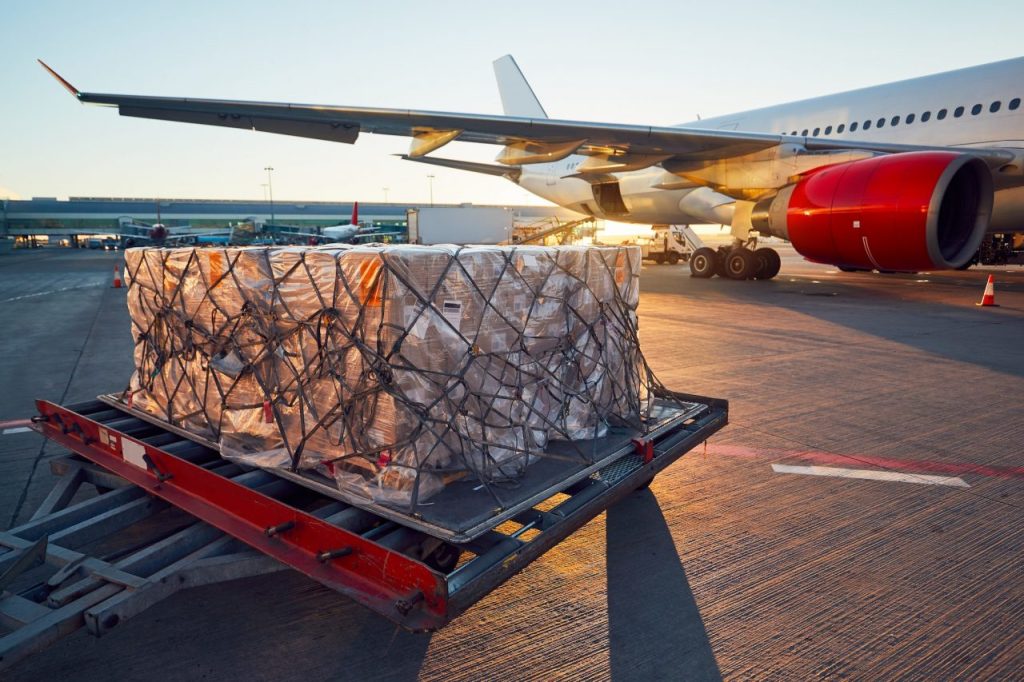
Moving your belongings across international borders can feel like a puzzle, especially when it comes to Canada. There are rules and paperwork involved, and getting it wrong can cause headaches and delays. Our international move management service is here to help you sort through all of it. We work to make sure your shipment meets all the requirements so it gets to your new Canadian home without a hitch.
Required Customs Documents for International Moves
When you’re moving to Canada, you’ll need to have certain documents ready for the Canada Border Services Agency (CBSA). This isn’t just about your personal effects; it’s about proving you’re moving your household goods and not trying to import commercial items. The main document is usually a detailed inventory list, often called a Bill of Lading, which lists everything you’re shipping. You’ll also need proof of your move, like a visa or work permit, and possibly a customs declaration form. We help you gather and prepare these documents accurately, which is a big step in avoiding issues. The CBSA is focused on border security and public safety, so having your paperwork in order is key. Learn about CBSA requirements.
What You Can and Cannot Ship
Canada has specific rules about what you can bring into the country. Generally, personal and household items that you’ve owned and used for a certain period are allowed. This includes furniture, clothing, and kitchenware. However, there are restrictions on certain items. For example, you can’t just ship any food products without checking regulations, and there are rules around firearms, vehicles, and even certain plants or animals. Some items might require special permits or inspections. It’s important to know these details beforehand. We can guide you on what’s typically allowed and what might cause problems, saving you from unexpected surprises at the border.
Reducing the Risk of Customs Delays
Customs delays can be frustrating, especially when you’re eager to settle into your new Canadian life. The best way to avoid them is through careful preparation and clear communication. This means having an accurate and detailed inventory of all your items, properly declaring everything, and understanding any duties or taxes that might apply to certain goods. Sometimes, items that are restricted or prohibited can cause significant hold-ups. Our move management process includes a thorough review of your inventory and the customs regulations specific to your move. This proactive approach helps to smooth the path for your belongings.
Being prepared with accurate documentation and a clear understanding of Canadian customs regulations is the most effective strategy for a swift and stress-free international move. Our team manages the complexities so you don’t have to worry.
Here’s a quick look at common items and their general customs status:
- Allowed (with proper documentation): Furniture, clothing, books, personal electronics, kitchenware.
- Restricted/Requires Special Attention: Vehicles (specific import requirements), pets (vaccination and health certificates), alcohol and tobacco (duty implications).
- Prohibited: Illicit drugs, certain weapons, hate propaganda, and items that infringe on copyright.
Remember, rules can change, so always check with a moving specialist for the most current information. Planning your move from Canada to the USA in 2026, for instance, involves its own set of documentation and regulations moving from Canada to the USA.
Moving to Canada? Understanding the rules for bringing your belongings can be tricky. We make it simple to learn about what you need to know. Visit our website to get all the details and make your move smooth.
Ready for Your Canadian Adventure?
So, you’ve made it through our guide to moving internationally to or from Canada in 2026. It might seem like a lot, but remember, planning is key. Whether you’re heading to the UK, Australia, or just across the border to the US, breaking down the process makes it way more manageable. Think about what matters most to you – getting your family settled, making sure your belongings arrive safely, or just understanding the costs. With the right preparation and a good moving partner, your big move can be a smooth transition. Take it one step at a time, and soon you’ll be starting your new chapter in Canada.
Frequently Asked Questions
What’s the difference between moving within Canada and moving internationally to Canada?
Moving within Canada is like moving across town or to another province. International moving to Canada means you’re coming from another country, like the U.S., the UK, or Australia. This involves different paperwork, customs rules, and often longer shipping times. We focus on these international moves, including cross-border moves between the U.S. and Canada.
How do I pick a moving company I can trust for my move to Canada?
Look for companies that have good reviews and are part of professional moving groups. Ask them about their experience with moves to Canada. It’s also smart to ask who will actually be handling your stuff – is it the company you booked with, or a partner they use?
What kind of stuff can I actually ship to Canada?
Most household items are okay to ship, but there are rules. Things like alcohol, firearms, and certain foods might have restrictions or need special permits. It’s best to check the official Canadian government rules or ask your moving company to be sure you don’t run into problems at customs.
How much does it cost to move my household belongings to Canada?
The cost can change a lot based on how much stuff you have, how far it’s going, and what services you need, like packing or special handling. Getting a few quotes from different companies will help you see the price range and understand what you’re paying for.
What documents do I need to move my things into Canada?
You’ll likely need a list of everything you’re shipping (an inventory), proof of ownership for certain items, and possibly a customs declaration form. Your moving company should guide you through this, but it’s good to be prepared with your personal information and details about your move.
What if I need to move my pet or my car to Canada?
Moving pets and vehicles internationally has its own set of rules and requirements. Pets often need health checks and specific vaccinations. Cars might need inspections and different paperwork to be allowed into Canada. Your moving company can explain these special steps.
Leave a Comment