Your Ultimate Guide to Canada to Australia Moving: Tips and Tricks for a Smooth Transition
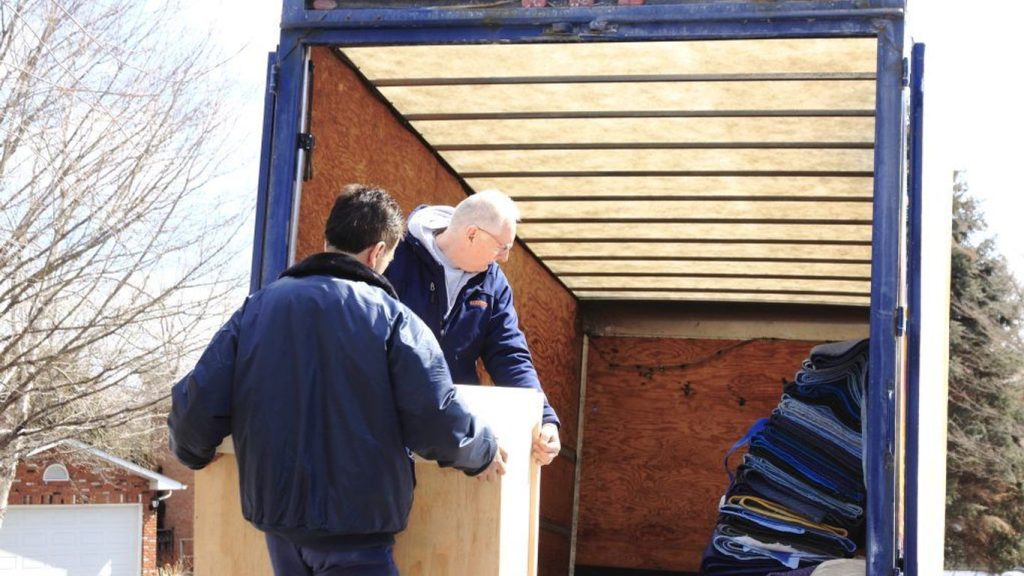
Thinking about moving from Canada to Australia? It’s a big step, and honestly, it can feel a bit overwhelming trying to figure it all out. You’ve got your whole life packed up, and you’re shipping it halfway across the world. This guide is here to break down the whole process of Canada to Australia moving, making it less of a headache and more of an adventure. We’ll cover what you need to know, from the paperwork to packing, so you can get settled down under without too much fuss.
Key Takeaways
- Figure out the basics of international moving early on. This includes understanding how shipping works and setting a realistic schedule for your Canada to Australia moving plans.
- Get a clear picture of all the costs involved in your move. Don’t forget to look out for extra fees that might pop up and compare quotes from different companies carefully.
- Make sure you have all the right paperwork for Australian customs. Knowing what you can and can’t bring will help avoid delays when your belongings arrive.
- Plan how your family, especially kids, will adjust to the move. Think about finding a place to live and understanding the school system in Australia.
- Special items like pets or vehicles need extra planning. Research the rules and requirements for shipping these things to Australia well in advance.
Planning Your Canada to Australia Moving Journey
Moving from Canada to Australia is a big step, and getting the planning right from the start makes all the difference. It’s not just about packing boxes; it’s about setting yourself up for a smooth transition to a new continent. Our international move management services are designed to guide you through every phase, making sure you don’t miss a beat.
Understanding International Moving Basics
International moves have their own set of rules and processes that differ from domestic ones. You’re dealing with different countries, which means different regulations, customs, and logistics. The key is to get a clear picture of what’s involved early on. This includes understanding how international movers operate, what services they typically provide, and how the entire process flows from your Canadian doorstep to your new Australian home. We help break down these complexities, so you know exactly what to expect.
Creating a Realistic Moving Timeline
Time is one of your most valuable resources when planning an international move. Rushing can lead to mistakes and added stress. A good rule of thumb is to start planning at least 3-6 months in advance, especially for a long-haul move like Canada to Australia. Here’s a general timeline to consider:
- 3-6 Months Out: Research movers, get quotes, declutter your home, and start gathering important documents.
- 2-3 Months Out: Finalize your moving company, confirm shipping dates, notify relevant parties (banks, government agencies) of your move, and start packing non-essential items.
- 1 Month Out: Pack essential items, arrange for utility shut-offs in Canada, and confirm arrival details in Australia.
- 1-2 Weeks Out: Final packing, confirm travel arrangements, and say your goodbyes.
- Moving Day: Oversee the movers, do a final walkthrough of your home, and head to the airport.
Choosing Between Air and Sea Freight
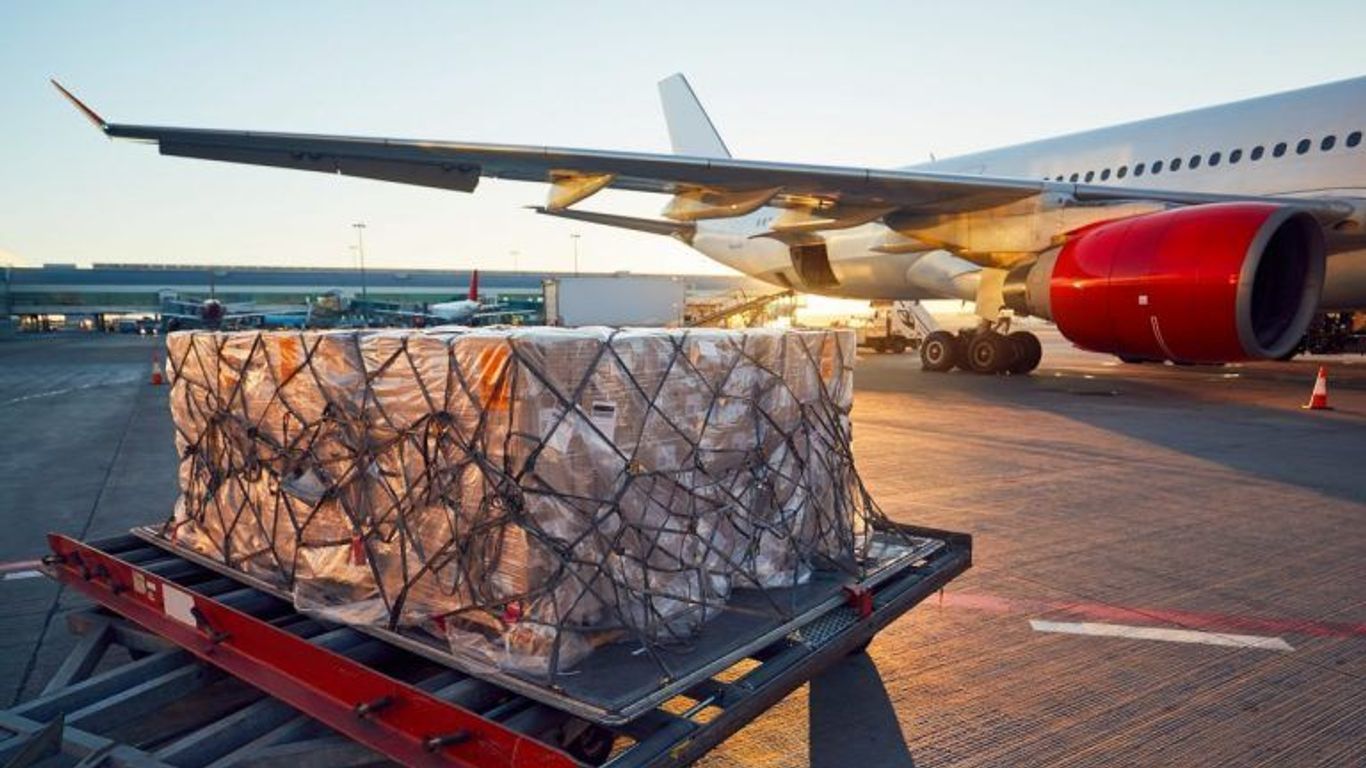
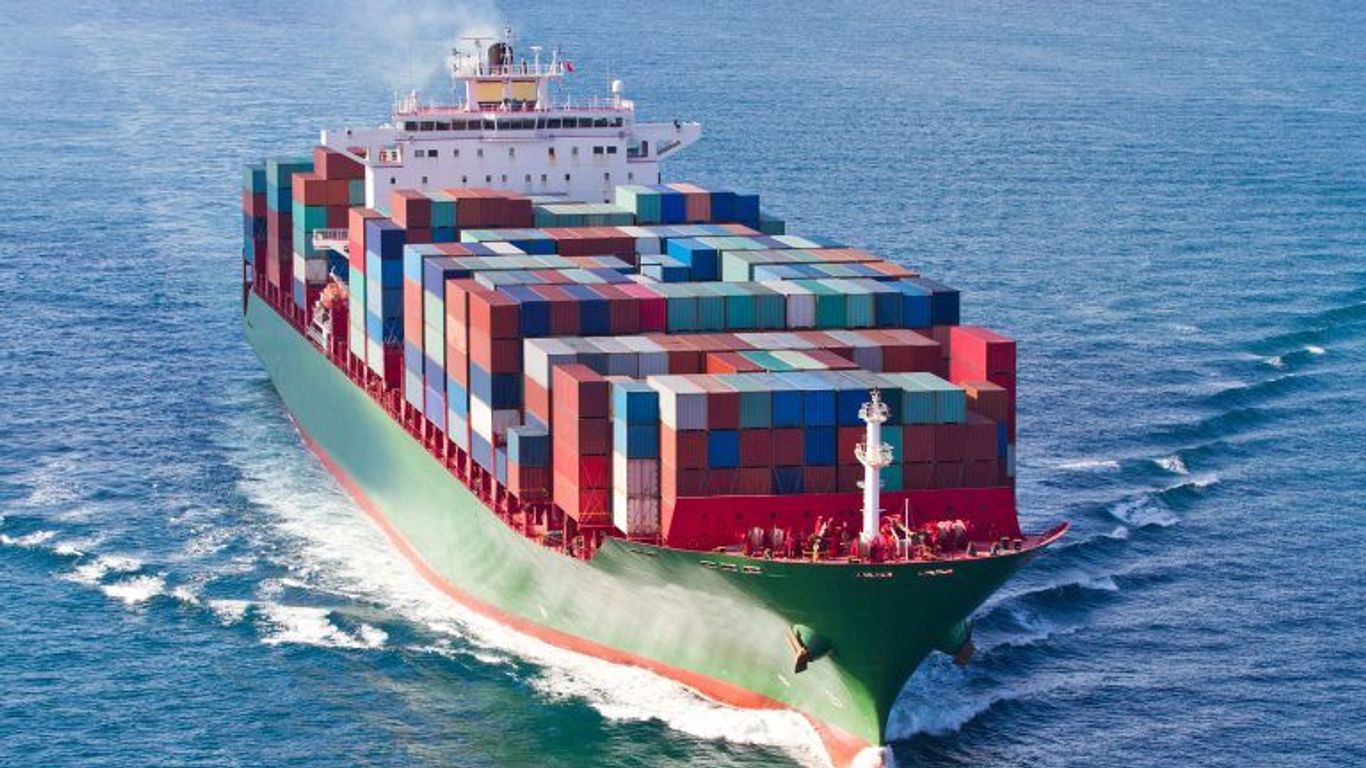
When it comes to shipping your belongings, you generally have two main options: air freight and sea freight. Each has its pros and cons, and the best choice depends on your priorities, budget, and how quickly you need your items.
- Air Freight: This is the faster option, typically taking a few weeks. It’s ideal for urgent items or if you want to minimize the time you’re without your belongings. However, it’s usually more expensive.
- Sea Freight: This is the more economical choice but takes significantly longer, often 6-10 weeks or even more, depending on transit times and customs. It’s perfect for larger shipments and items you don’t need immediately.
We can help you weigh these options based on your specific needs, ensuring your belongings arrive when and how you need them. It’s about finding the right balance between speed and cost for your unique situation.
Navigating Costs and Value for Your Move
Moving your life from Canada to Australia is a big step, and figuring out the money side of things can feel overwhelming. It’s not just about the sticker price; it’s about understanding what you’re paying for and getting the most for your budget. We help you see the whole picture.
Estimating the Total Cost of Your Move
When you’re planning an international move, the cost is usually one of the first things on your mind. It’s more than just the price of a shipping container. Think about the size of your home, the distance, and the services you’ll need. Our approach breaks down these costs so there are no surprises. We look at everything from packing materials to the final delivery at your new Australian address.
Here’s a general idea of what goes into the cost:
- Volume of Goods: More stuff generally means a higher cost.
- Distance: Canada to Australia is a long haul, and that impacts pricing.
- Services: Do you need packing, unpacking, storage, or special handling for items like pianos?
- Shipping Method: Air freight is faster but more expensive than sea freight.
We provide clear estimates that cover all these points, helping you budget accurately.
Identifying Potential Hidden Expenses
Sometimes, the biggest stress comes from costs you didn’t expect. These can pop up if you’re not careful. Things like customs duties, port fees, or even storage if your new home isn’t ready can add up. We make it a point to highlight these potential extras upfront. Our goal is to give you a realistic financial picture, so you can prepare for anything.
Some common hidden costs include:
- Customs Duties and Taxes: Depending on what you’re bringing in and Australia’s regulations.
- Port Handling Fees: Charges at both the departure and arrival ports.
- Temporary Storage: If there’s a gap between your move-out date and your new home’s availability.
- Insurance: While not always hidden, it’s an important cost to consider for peace of mind.
We work to minimize these by advising you on what to expect and how to prepare.
Comparing International Moving Quotes Effectively
Getting quotes from different moving companies is smart, but comparing them can be tricky. Not all quotes are created equal. Some might leave out important details or use vague language. It’s vital to compare apples to apples, looking at the services included, transit times, and insurance options. We help you understand what each quote truly represents. Our move management service ensures you’re comparing like-for-like, so you can make an informed decision based on true value, not just the lowest price. You can find more information on choosing the best movers for your international relocation.
Essential Customs and Documentation for Australia
Getting your belongings from Canada to Australia involves more than just packing boxes. Australia has specific rules about what you can bring in, and there’s paperwork involved. Understanding these requirements upfront can save you a lot of headaches and unexpected costs.
Required Documents for International Shipments
When you’re moving your household across the globe, having the right paperwork is key. It’s not just about getting your stuff there; it’s about getting it through customs without a hitch. We help manage this process, so you don’t have to worry about missing a form.
Here’s a general list of what you’ll likely need:
- Passport and Visa Information: Copies of your passport and any relevant visa documents for Australia are usually required.
- Detailed Inventory List: A comprehensive list of everything you’re shipping, including estimated values. This is often called a packing list or inventory. It helps customs understand the contents of your shipment.
- Customs Declaration Forms: Australia requires specific forms to be filled out. Your moving company will typically provide these and guide you through them.
- Proof of Ownership: For certain items, like vehicles or high-value goods, you might need to show proof that you’ve owned them for a certain period.
Understanding What You Can and Cannot Ship
Australia has strict biosecurity laws to protect its unique environment. This means certain items are either banned or require special treatment. It’s really important to know these rules before you start packing.
Generally, you need to be careful with:
- Food and Plant Products: Most fresh produce, meats, dairy, and even some packaged foods can be restricted or require inspection.
- Animal Products: Items like feathers, skins, or anything derived from animals might be prohibited.
- Wood and Timber: Unprocessed wood, bamboo, or items made from them can carry pests and are often restricted.
- Second-hand Goods: Used items, especially those that might have soil or organic matter attached (like camping gear or outdoor equipment), often need thorough cleaning and declaration.
Our international move management service includes guidance on these restricted items, helping you avoid issues at the border.
Minimizing Customs Delays and Issues
Customs delays can be frustrating, but many can be avoided with good preparation. The biggest factor is usually accurate documentation and declaring everything properly. We work to make sure your shipment is well-prepared for Australian customs.
Here are a few tips:
- Be Honest and Thorough: Declare all items, especially those that might be questionable. Hiding items can lead to confiscation and penalties.
- Clean Everything: Ensure all items, particularly outdoor gear, sporting equipment, and anything that might have come into contact with soil or plants, are thoroughly cleaned.
- Work with Experienced Movers: A reputable international moving company, like ours, knows the ins and outs of Australian customs and can help you prepare everything correctly. They can also help you understand the specific import regulations for your situation.
Dealing with customs and documentation for an international move can feel overwhelming. It’s a complex area with specific rules that change. Having a partner who understands these requirements and can guide you through the process makes a huge difference in ensuring your belongings arrive smoothly and without unexpected problems. international moves are our specialty.
Remember, Australia’s customs process is designed to protect the country. By being informed and working with experienced professionals, you can make this part of your move much easier.
Relocating Your Family Down Under
Moving your whole family from Canada to Australia is a big deal, and honestly, it can feel a bit overwhelming. You’ve got a lot to think about beyond just packing boxes. Making sure everyone, especially the kids, settles in well is super important. Our international move management services are designed to take the stress out of these big family transitions, letting you focus on what matters most – your loved ones.
Making the Move Smooth for Children
Kids often pick up on parental stress, so keeping things calm and positive is key. Involving them in the process, like letting them pack a special ‘adventure box’ with their favorite toys and books, can make them feel more in control. Talking about Australia as an exciting new place to explore, with new friends and experiences, helps build anticipation. We can help coordinate the logistics so that their favorite items arrive with them, making their new room feel like home right away.
Considerations for Retirees Moving Abroad
Retiring in Australia offers a wonderful lifestyle change, but it comes with its own set of considerations. Think about healthcare access, banking, and how you’ll stay connected with family back in Canada. It’s also wise to understand any tax implications. For many, the biggest relief is having a professional international move manager handle the physical relocation of their belongings, allowing them to focus on settling into their new retirement life. If you’re considering permanent migration, understanding visa requirements is a good first step, like looking into the Partner Visa if applicable.
Securing Housing and Understanding Schools
Finding a place to live before you arrive can be tricky. Many families opt for temporary accommodation initially while they explore neighborhoods. Researching school districts is also a priority for families with children. Australia has a great education system, but understanding the enrollment process for international students is important. We can help ensure your household goods arrive in time for you to settle into your new home, making the transition from temporary to permanent housing much easier.
Special Logistics for Your Canada to Australia Move
Moving your life from Canada to Australia involves more than just packing boxes. There are some unique items and situations that need extra attention to make sure they arrive safely and without a hitch. Thinking about these details early on can save you a lot of stress down the road.
Shipping Pets to Australia
Bringing your furry family members to Australia requires careful planning. Australia has very strict biosecurity laws to protect its unique environment. This means your pets will likely need to undergo several health checks, vaccinations, and possibly a quarantine period upon arrival. The process can take many months, so it’s best to start researching the specific requirements for your pet’s breed and origin country well in advance. We can help coordinate with specialized pet transport services to manage the complex paperwork and logistics, making sure your pet’s journey is as comfortable as possible.
Transporting Vehicles Overseas
Deciding whether to ship your car or buy a new one in Australia is a big decision. Shipping a vehicle internationally is a complex process. You’ll need to consider the cost of shipping, insurance, import duties, and taxes in Australia. The total cost can sometimes be more than the car is worth, so do your homework. Different shipping methods are available, like roll-on/roll-off (RoRo) or container shipping, each with its own pros and cons. Our international move management services can guide you through the options and handle the shipping arrangements.
Moving Valuables and Fine Art
Items like fine art, antiques, or other high-value possessions require specialized handling. These items often need custom crating, climate-controlled transport, and specific insurance coverage. It’s important to get detailed appraisals and documentation for these pieces before you move. We work with partners who have experience in handling delicate and valuable items, providing peace of mind that your treasures are protected throughout the entire transit process. Proper inventory and condition reports are key to a smooth experience.
When planning for special logistics like pets, vehicles, or valuables, remember that Australia’s import regulations are among the most stringent in the world. Early research and professional guidance are not just helpful; they are often necessary to avoid unexpected issues or significant delays.
Selecting a Trustworthy Moving Company
Picking the right company to handle your move from Canada to Australia is a big deal. It’s not just about getting your stuff from point A to point B; it’s about peace of mind. You want a company that knows the ins and outs of international moves, especially to a place like Australia with its own set of rules.
Key Questions to Ask Potential Movers
When you’re talking to companies, don’t be shy about asking questions. The more you know, the better you can judge if they’re a good fit. Here are some important things to bring up:
- What specific experience do you have with moves from Canada to Australia?
- Can you explain your process for packing, shipping, and delivery?
- What kind of insurance coverage do you provide for international shipments?
- Who will be my main point of contact throughout the move?
- Do you manage the entire process yourself, or do you work with partners at the destination?
Asking these questions helps you understand their capabilities and how they manage your belongings. It’s also a good idea to ask about their experience with specific items you might be moving, like pets, vehicles, or valuable art.
Understanding Mover Accreditations and Standards
Accreditations can be a good indicator of a mover’s professionalism and adherence to industry standards. Look for companies that are members of reputable international moving associations. These groups often have codes of conduct and dispute resolution processes. For instance, organizations like NAVL have been around for a long time and have a lot of experience in international relocations. Knowing what these accreditations mean can help you sort through your options.
Evaluating Service Quality and Transit Times
Service quality isn’t just about how carefully your items are packed; it’s about the entire customer experience. This includes clear communication, accurate quotes, and reliable transit times. Transit times can vary significantly depending on whether you choose air or sea freight, and the specific route. A good mover will give you a realistic estimate and keep you updated on your shipment’s progress.
Here’s a general idea of what to expect for transit times, though these can change:
| Shipping Method | Estimated Transit Time (to Australia) |
|---|---|
| Air Freight | 1-3 weeks |
| Sea Freight | 4-12 weeks |
Remember that these times are estimates and don’t include customs clearance at either end or potential delays. Always ask for a detailed timeline from your chosen mover.
When comparing companies, don’t just look at the price. Consider the overall value, including the level of service, the clarity of their communication, and their track record. A slightly higher price for a company with a proven history of smooth international moves can save you a lot of stress down the line. Our international move management services are designed to simplify this complex process for you.
Picking the right moving company can feel overwhelming. You want a team you can trust with your belongings. Look for companies with good reviews and clear pricing. Don’t be afraid to ask questions! For a moving company that makes your move easy and stress-free, visit our website today to get a free quote.
Ready for Your Aussie Adventure?
So, you’ve made it through the planning, the packing, and the goodbyes. Moving from Canada to Australia is a huge undertaking, but hopefully, this guide has given you the tools and confidence to make it happen. Remember to take it one step at a time, ask for help when you need it, and try to enjoy the process. Australia is waiting, and with a little preparation, your new life down under will be off to a great start. Good luck with the move!
Frequently Asked Questions
How much does it cost to move from Canada to Australia?
The cost can really add up, depending on how much stuff you have and how you send it. Think about things like packing, shipping, insurance, and any fees when your things arrive in Australia. It’s smart to get a few different price quotes from moving companies to compare.
How long does it take to ship belongings from Canada to Australia?
Moving your things overseas takes time! Shipping by sea is cheaper but can take a few months. Flying your items is faster, usually just a few weeks, but it costs more. Always ask your moving company for a good estimate of the time it will take.
What documents do I need to move my stuff to Australia?
You’ll need to fill out some paperwork for Australian customs. This usually includes a detailed list of everything you’re sending (an inventory) and forms declaring what’s in your shipment. Your moving company can help you with this, but it’s good to know what’s needed.
Are there things I can’t ship to Australia?
Yes, Australia has strict rules about what you can bring in. Things like certain foods, plants, animal products, and even some used goods might be restricted or need special cleaning. It’s best to check the official Australian government website for a list of prohibited and restricted items before you pack.
How do I find a reliable moving company for my international move?
Look for companies that have good reviews and have been around for a while. Ask them lots of questions, like who will actually handle your belongings at both ends and what kind of insurance they offer. Checking if they belong to professional moving groups can also give you peace of mind.
What should I consider if I’m moving with my family, including children?
Moving can be a big change for kids. Talk to them about the move and what to expect. Researching schools and finding a good place to live before you arrive will make settling in much easier for everyone. Making sure your new home feels safe and familiar quickly helps kids adjust.
Leave a Comment