Comprehensive guide to hiring international movers from the USA to the United Kingdom

Key Takeaways
Planning an international relocation requires careful coordination, rigorous budgeting, and an understanding of complex customs frameworks. Managing these logistics effectively ensures your household goods arrive safely and on time.
- Advanced planning and establishing a realistic 3-to-6-month timeline are crucial for a stress-free transition.
- Comprehensive move management systems streamline communications and prevent costly errors.
- Sea freight offers cost savings for larger volumes, while air freight is ideal for urgent, smaller shipments.
- Navigating UK customs requires precise documentation, including Transfer of Residence (ToR) approval for duty-free entry.
- Choosing accredited movers with FIDI-FAIM certification minimizes transit risks and trust anxiety.
Understanding the international moving process
Crossing the Atlantic from the United States to the United Kingdom is a major life transition that involves far more than simply packing boxes and placing them on a cargo ship. A successful relocation requires a high-level view of how goods move globally, from your initial inquiry to the eventual delivery at your new British residence. Understanding this sequence is the first step toward reducing anxiety and ensuring that none of your personal belonging are lost or delayed along the route.
Steps from initial inquiry to final delivery
The journey begins long before the physical packing starts. This progression usually kicks off with an in-home or virtual survey, where moving estimators assess the volume and weight of your household goods. Once you receive your quote and finalize the booking, your moving team schedules the packing dates, coordinates the overland transit to a United States port, and manages the export customs clearance. After ocean or air transit, the destination agent takes over in the UK to manage customs clearance and schedule your final home delivery.
Defining your specific move requirements
Every household is unique, meaning a cookie-cutter approach to shipping will often lead to unexpected delays or unnecessary expenses. You must define what belongings are absolutely necessary to bring versus what can be sold or donated. For those planning a broader international transition, reading a comprehensive international moving guide can help you decide how to categorize your belongings and clarify your overall relocation requirements before signing any contracts.
The role of a professional move management system
In the modern logistics landscape, relying on spreadsheets and manual follow-ups is no longer sufficient. Taylor International utilizes advanced, modern move management systems that integrate tracking, documentation, and communication into a single, cohesive framework. This technology-driven approach ensures that coordination between domestic hubs, ocean carriers, and destination agencies in Great Britain remains completely seamless. Having a unified platform reduces administrative errors and ensures that all stakeholders have instant access to critical shipping milestones.
Establishing a realistic relocation timeline
Time is your most valuable asset when executing a trans-Atlantic relocation. Attempting to rush an international move inevitably leads to inflated costs and incomplete paperwork. Industry professionals recommend starting the process at least twelve to sixteen weeks before your target departure date. This window allows ample time to secure visas, obtain multiple quotes, schedule prep work, and accommodate any unexpected port delays or shipping volume bottlenecks without jeopardizing your moving date.
Determining the true cost of your overseas move

Calculating the financial layout of an international move requires looking beyond the basic shipping estimate. Many families focus solely on the primary quote, only to face unexpected fees upon arrival. Truly understanding your relocation expenses means examining transport modes, port fees, and the overall balance of service quality.
Factors influencing international shipping quotes
The total cost of your move is driven primarily by the overall physical volume of your goods, measured in cubic feet or cubic meters, and the total distance between origin and destination. However, seasonal demand, fuel surcharges, and port handling fees also play a significant role. If you are moving during peak summer periods, expect heightened container rates due to global shipping bottlenecks and carrier capacity constraints.
Comparing sea freight versus air freight options
Choosing how to transport your goods usually comes down to a choice between transit speed and financial efficiency. Sea freight is the traditional, cost-effective choice for shipping the contents of an entire home, utilizing shared groupage or sole-use containers. Air freight is significantly faster but comes at a premium price, making it practical only for essential documents, seasonal clothes, or immediate daily necessities.
Identifying and avoiding hidden transition costs
Beyond basic ocean transit, you must budget for localized side expenses that can accumulate rapidly. These include port terminal handling charges, custom inspection fees, storage costs if your new home is not ready, and delivery access surcharges for narrow UK streets. To help mitigate these surprises, you can consult resources detailing international moving costs to identify where hidden fees commonly lurk and how to budget for them successfully.
Evaluating the balance between cost and service quality
Opting for the absolute cheapest bid often results in sub-par packaging, delayed communications, or unexpected hand-off issues at the destination port. Finding a balance means choosing a provider that offers transparent, comprehensive pricing alongside verified service reliability.
To help you visualize how service levels alter the expected pricing structures for a standard multi-bedroom home move, consider the comparison table below:
| Service Level | Transit Method | Key Inclusions | Best For |
|---|---|---|---|
| Economy Groupage | Sea Freight | Shared container, port-to-port shipping | Budget-conscious moving of non-essential items |
| Full-Service Container | Sea Freight | Sole-use container, professional packing, door delivery | Full household moves with standard timelines |
| Priority Air | Air Freight | Express cargo, customs expediting, rapid door delivery | Urgent relocations or immediate work arrivals |
Selecting the right tier ensures that you do not overpay for speed you do not need, while securing sufficient protection for your most valuable household items.
Navigating customs and documentation for the UK
Entering a foreign country with your life wrapped in cardboard boxes requires clearing rigid regulatory hurdles. The United Kingdom maintains strict inspection standards to protect its borders and economy. Failing to compile the necessary paperwork or misdeclaring items can result in severe port delays, expensive daily storage fees, or the seizure of your personal belongings.
Essential paperwork for household goods
To successfully import your household goods into the UK without paying standard duties, you must complete the Transfer of Residence (ToR) application through HM Revenue and Customs (HMRC). This application must be approved before your goods arrive at the UK port. Along with your approved ToR number, you will need to present clear copies of your passport, valid residency visas, employment contracts or leases, and a comprehensive sea waybill.
Understanding duty-free entry requirements for personal effects
Under current UK regulations, you can import your household effects and personal property free of VAT and import duties, provided you have lived outside the UK for at least twelve consecutive months prior to your arrival. Furthermore, the items you import must have been owned and used by you in your US home for at least six months before transit, and they cannot be lent, sold, or hired out within the first year of your arrival in the UK.
Preparing an accurate and detailed inventory list
An administrative error as simple as writing "miscellaneous kitchen goods" instead of detailing the exact electronic kitchen appliances inside a carton can flag your container for physical examination by HMRC. To avoid this, your packing team must create an incredibly descriptive, itemized inventory list detailing every single carton, its general contents, and its estimated replacement value for customs declarations and moving transit insurance policies.
Managing customs delays and inspection risks
Customs clearance times vary depending on the destination port’s volume and the completeness of your documentation. While most shipments clear within a few days, randomly selected physical inspections can delay your delivery by a week or more. Ensuring your paper trail is flawless and completely matches your shipping container manifest is the only reliable way to reduce these unexpected inspection holding risks.
Trust and credentials: selecting a reliable moving company
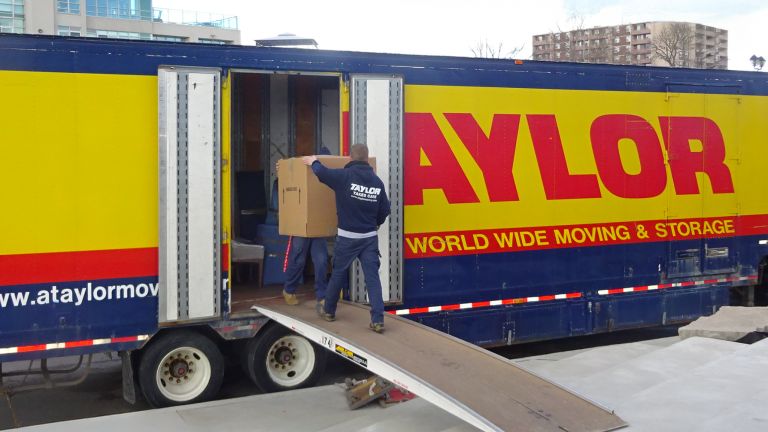
Handing over your lifetime possessions to a moving company requires a massive leap of faith. The moving industry is highly fragmented, making it essential to filter out low-quality operators. Verifying professional accreditations and asking deep operational questions is the best way to safeguard your transition.
Why industry accreditations like FIDI and IAM matter
Accreditations are the gold standard for global relocation quality control. Organizations like the International Association of Movers (IAM) provide a massive global network of trusted logistics partners. Even more rigorous is the FIDI alliance, which subjects moving companies to severe independent audits covering everything from financial stability to the quality of their wrapping materials. Working with an accredited mover ensures that peer-reviewed logistics standards are maintained globally.
Verifying the experience level of international movers
You want to work with a team that maintains a specialized, long-standing trans-Atlantic shipping division rather than a local household mover that occasionally handles global shipments. Experienced firms have spent years building reliable relationships with ocean carriers, port authorities, and UK-based destination agents, ensuring your freight is handled smoothly at every milestone.
The importance of transparent communication and real-time tracking
Unexplained communication gaps from your mover can make the long transit weeks highly stressful. Modern international moving requires clear timelines, upfront pricing, and tracking. Taylor International offers advanced customer visibility and real-time tracking through coordinated logistics portals. This connectivity ensures you always know when your container is loaded, when it departs the US coast, and when it arrives at the UK destination port.
Asking the right questions during the quote process
To ensure you do not receive a lowball estimate that jumps in price right before delivery, you need to interview each potential mover. Always ask who handles the actual physical delivery in the United Kingdom and if port terminal fees are fully itemized inside your initial quote. If you need help structuring your search, reviewing a guide on how to choose an international mover will provide you with the exact questions to ask regarding destination service levels, subcontractor policies, and transit guarantees.
Preparing your family and lifestyle for the UK arrival
Behind the logistics of shipping containers and customs declarations lies the deeply human side of a trans-Atlantic relocation. The emotional impact of moving an entire household to a new cultural environment should never be underestimated. Preparing your family, pets, and financial plans for the realities of British lifestyle ensures a smoother transition once the physical delivery concludes.
Managing the emotional transition for children
Children thrive on routine, meaning the disruption of a trans-Atlantic move can trigger stress, worry, and behavioral changes. Open and consistent communication about the upcoming relocation is crucial to easing this transition. Involving your children in the packing process and emphasizing exciting opportunities—like visiting historic British castles—can help convert anxiety into anticipation. For more advice on navigating these lifestyle changes and preparing your household, check out our relocation tips for families.
Coordinating the complex logistics for family pets
Bringing your dog or cat into the United Kingdom requires strict adherence to the UK’s Pet Travel Scheme (PETS) to avoid a long quarantine period. Your pet must be microchipped, vaccinated against rabies, and issued a valid health certificate by an USDA-approved veterinarian. Furthermore, tapworm treatments are required for dogs, and pets must travel on approved, commercial routes. Because these rules are unforgiving, coordinating with a dedicated pet relocation specialist early in the moving process is highly recommended.
Considerations for retirees moving abroad
For retirees, moving from the USA to the United Kingdom means navigating additional financial and healthcare considerations. You must understand how your US social security benefits, private pension accounts, and healthcare plans transfer overseas. Navigating the UK’s National Health Service (NHS) registration and understanding residency requirements are key components of a stress-free transition for those planning to spend their retirement years across the pond.
Aligning housing and school searches with your moving schedule
One of the most complex parts of a family move is syncing the arrival of your shipping container with your new lease start date or home purchase closing. School admission schedules in the UK can also vary regionally, meaning you must coordinate application deadlines with your physical address verification. It is often wise to arrange temporary furnished housing upon arrival so you can search for permanent homes and ideal school districts in person.
Specialized logistics and item protection
Standard packing methods designed for local domestic moves are entirely insufficient for the rough environments of trans-Atlantic container shipping. For weeks at sea, your shipment will face humidity, thermal shifts, and physical movement on the ocean. Protecting high-value, fragile, or highly complex items requires specialized packing services and comprehensive insurance coverage.
Strategies for shipping delicate items and fine art
High-value items like oil paintings, classical musical instruments, and antique sculptures cannot simply be wrapped in standard bubble wrap. These fragile objects require customized heat-treated wooden crates built specifically to their physical dimensions. These crates provide a protective barrier against physical movement and help stabilize relative humidity levels within the metal shipping container during its oceanic voyage.
Navigating the regulations for shipping personal vehicles
Deciding to ship your car to the UK requires evaluating import taxes, customs duties, and local road compliance rules. Before your vehicle can be legally driven, it must pass an Individual Vehicle Approval (IVA) test to ensure it meets UK safety standards, which may require modifying headlights and speedometers. To avoid costly conversion issues, many expatriates find it far more practical to sell their cars in the US and purchase a right-hand drive vehicle once they settle in the UK.
Leveraging professional packing for long-distance transit
Standard boxes packed by homeowners are rarely covered by international transit insurance policies due to liability regulations. Securing a complete door-to-door transit insurance policy requires professional packing. When you utilize professional packers, they pack your belongings with high-density box walls, customized wrapping paper, and heavy-duty padding designed to withstand multi-layered maritime transits.
To ensure your household goods are packed safely, follow this proven sequential packing routine used by professional international crews:
- Wrap fragile items individually in multiple layers of clean packing paper or heavy bubble wrap before placing them in specialized cartons.
- Fill all empty areas within each box with dense packing paper to prevent shifting or crushing during sea transport.
- Securely tape all box corners and seams with heavy-duty, water-resistant packaging tape.
- Clearly label every individual box with its corresponding inventory number and a brief, descriptive room destination tag.
Applying these rigorous steps ensures that your belongings can withstand the motion of the ocean and the handling stages at both ports, providing total peace of mind.
Understanding insurance coverage options for high-value goods
Standard maritime carrier liability laws offer extremely limited protection in the event of major container damage or a total loss at sea. To safeguard your investment, always purchase an all-risk, door-to-door marine transit insurance policy. This coverage should be based on the actual replacement value of your goods in the United Kingdom, ensuring that you are fully compensated for any damages, moisture exposure, or transit losses during your trans-Atlantic relocation.
During this life transition, relying on a specialized, technologically advanced logistics provider is essential. Working with a company that offers complete transparency and advanced move management software ensures a seamless cross-border experience. When you are ready to plan your trans-Atlantic move, get a quote to discover how professional coordination simplified your relocation.
To illustate how our specialized systems and professional partnerships protect your goods, we often point to other professional service transitions. Just as an office relies on a commercial HVAC repair guide or a business uses a CSM departure transition guide to maintain operations, we apply technical precision to your move. Even specialized industries, from finding a Henderson chiropractor to managing a dog spaying procedure, require this same attention to detail. This level of quality management is why we highlight specialized services like Massachusetts host laundry to show how dedicated specialists maintain consistent quality control.
Conclusion
Moving your life across the Atlantic from the United States to the United Kingdom is a complex, multi-layered journey that requires careful planning, strict customs adherence, and professional logistics support. By establishing a realistic timeline, choosing accredited movers, and leveraging modern move management systems, you can eliminate common transition anxieties. Investing in professional packing, preparing your family emotionally, and selecting a transparent, accredited international mover will ensure your personal belongings arrive safely, allowing you to embrace your new life in the United Kingdom with absolute confidence.
Get Started On Your Journey
If you are planning an international relocation from the United States to the United Kingdom, let our experienced logistics team handle the details for you. Since 1959, Taylor International has combined advanced move management systems with a trusted global partner network to deliver smooth, secure, and stress-free transitions. Reach out to our team today to discuss your moving timeline, understand UK customs, and receive a clear, comprehensive quote tailored to your specific relocation needs.
Frequently Asked Questions
How far in advance should I start planning my move from the USA to the UK?
You should start planning your move at least twelve to sixteen weeks before your target departure date. This window allows you to secure the required visas, get multiple moving quotes, declutter your home, and complete your UK Transfer of Residence application without facing timing issues.
What is a Transfer of Residence ToR application for the UK?
The Transfer of Residence (ToR) is an online customs application submitted to HM Revenue and Customs in the UK. On approval, it grants you a unique reference clearance number, allowing you to import your personal household effects and personal items free of VAT and customs duties.
Can I pack my own boxes for an international move to the UK?
While you can physically pack your own boxes, it is highly discouraged for international relocations. Most maritime transit insurance policies will not cover damage to boxes packed by owner (PBO), and customs officials are more likely to inspect self-packed containers at destination ports.
How long does it take for a shipping container to travel from the US to the UK?
Transit times from the US to the UK vary depending on your origin port. Shipments from East Coast ports like New York usually take 10 to 14 days on the water, while West Coast departures from locations like Los Angeles can take 3 to 5 weeks to reach British ports.
What household items are prohibited or restricted when importing to the UK?
The UK restricts or prohibits several items, including controlled drugs, firearms, self-defense sprays, offensive weapons, endangered plant and animal species, and unlicensed medicines. Food items, plants, and alcohol are also subject to strict customs restrictions and duties.
How can I import my family pet from the US to the United Kingdom?
Pets can be imported without quarantine under the UK Pet Travel Scheme (PETS). Your pet must be microchipped, have an active rabies vaccination, carry a valid health certificate issued by a USDA veterinarian, and be treated for tapeworm before entering the country.
Should I ship my US vehicle when moving to the UK?
Shipping a US vehicle is possible but often impractical due to the high costs of transport, import duties, and mandatory technical modifications. Your car must pass an Individual Vehicle Approval (IVA) test to verify its road compliance, making selling and buying local more cost-effective.
Leave a Comment