Your Ultimate Guide to Moving Internationally: Tips and Tricks for a Smooth Transition

Thinking about moving your life to another country? It sounds like a big deal, and honestly, it is. But with a little planning and some smart moves, you can make the whole process much smoother. This guide is here to help you figure out all the details, from packing your first box to settling into your new home.
Key Takeaways
- Understand the timeline for moving internationally, from initial planning to your final arrival.
- Know what paperwork and customs rules apply to your international move to avoid delays.
- Get clear quotes from international moving companies and watch out for extra costs.
- Plan carefully for moving special items like pets, vehicles, or valuable art.
- Prepare your family, especially children, for the changes that come with moving internationally.
Understanding the Process of Moving Internationally
Moving your life to another country is a big deal, and honestly, it can feel pretty overwhelming at first. There’s a lot to think about, from packing up your current home to setting up a new one thousands of miles away. But with a solid plan and the right help, it doesn’t have to be a chaotic mess. Think of it like planning a really important trip, but one that lasts a lot longer.
Key Steps in an International Relocation
Getting your international move sorted involves several important stages. It’s not just about throwing things in boxes. You’ve got to think about the big picture and the small details. Our approach to international move management breaks this down into manageable steps, so you always know what’s next.
- Initial Planning and Assessment: Figuring out what you’re moving, where it’s going, and what your budget looks like.
- Logistics and Shipping: Arranging for packing, transportation (whether by air or sea), and delivery.
- Documentation and Customs: Gathering all the necessary paperwork and understanding the rules of your new country.
- Settling In: Once your belongings arrive, getting them unpacked and making your new place feel like home.
The entire process can seem daunting, but having a clear roadmap makes all the difference. It’s about reducing surprises and building confidence at each stage.
Timeline: From Planning to Arrival
When you’re planning an international move, timing is everything. Starting too late can lead to rushed decisions and missed details, which nobody wants. Generally, it’s a good idea to begin your planning at least three to six months before your intended move date. This gives you enough breathing room to handle everything without feeling completely swamped. For example, securing necessary visas or work permits can take a significant amount of time, and you don’t want to be waiting on those while your moving truck is scheduled to arrive. Our move management services help keep you on track with a clear timeline, so you can see the progress and know what’s coming up next. Start your international move planning.
Here’s a general idea of how the timeline might look:
- 3-6 Months Out: Researching destinations, getting quotes, starting visa applications, decluttering.
- 2-3 Months Out: Booking your moving company, finalizing shipping details, gathering important documents.
- 1 Month Out: Confirming arrival details, arranging for utilities at your new home, packing non-essentials.
- Moving Week: Final packing, cleaning, saying goodbyes.
- Post-Arrival: Clearing customs, arranging delivery, unpacking, and settling in.
Air Freight vs Sea Freight: What to Consider
When it comes to shipping your belongings across the ocean, you’ve got two main options: air freight and sea freight. Each has its own pros and cons, and the best choice for you really depends on your priorities. If speed is your absolute top concern, air freight is the way to go. It’s much faster, getting your items to your new country in days rather than weeks or months. However, it’s also significantly more expensive. This is often used for a few essential items you need right away, like a suitcase of clothes or important documents.
Sea freight, on the other hand, is the more budget-friendly option. It’s slower, taking several weeks or even months for your shipment to arrive. This is usually the go-to for the bulk of your household goods. It’s a more economical choice, especially for larger moves. When you work with us for your international move management, we help you weigh these options based on your specific needs and budget, making sure you get the most sensible shipping solution for your situation. It’s all about balancing cost, speed, and the volume of items you’re moving.
Navigating Customs and Required Documentation
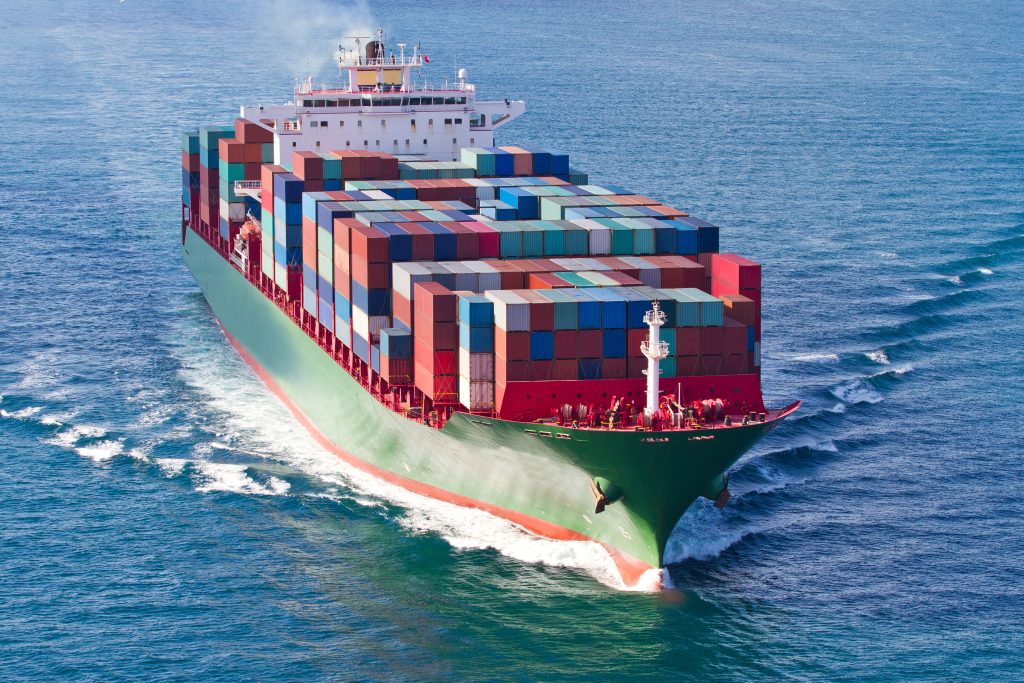
Moving your life across borders means getting friendly with customs paperwork. It might seem like a maze, but understanding the basics can save you a lot of headaches. The key is to be prepared and know what to expect.
Essential Customs Forms and Regulations
Every country has its own set of rules for what you can bring in. You’ll likely run into forms that declare your belongings. For instance, when moving unaccompanied items, you might need to fill out a “Declaration For Free Entry of Unaccompanied Articles.” It sounds official, and it is, but it’s designed to help you declare what you’re bringing without paying duties on used household goods. Our international move management services can help sort through these forms, making sure they’re filled out correctly the first time. This avoids common pitfalls that can lead to delays or unexpected charges.
What You Can and Cannot Ship Across Borders
This is where things can get tricky. Most countries have lists of prohibited or restricted items. Think along the lines of certain foods, plants, firearms, or even large amounts of alcohol or tobacco. It’s always best to check the specific import regulations for your destination country well in advance. Some items might require special permits or licenses. For example, if you’re moving with pets, there are health certificates and quarantine rules to consider. Shipping vehicles or fine art also comes with its own set of documentation and potential duties.
Tips to Avoid Customs Delays and Fines
Nobody wants their shipment held up at customs. One of the biggest reasons for delays is inaccurate or incomplete documentation. Always provide a detailed inventory list of everything you’re shipping. Make sure the values listed are accurate. If you’re unsure about Harmonized System (HS) codes for specific items, get help. Accurate declarations are your best defense against delays and fines.
Here are a few pointers:
- Be Honest and Thorough: Don’t try to sneak things through or downplay values. It almost always backfires.
- Check Destination Country Rules: What’s fine in one country might be a problem in another.
- Keep Records: Hold onto copies of all your shipping documents, inventories, and customs declarations.
- Use Professional Help: Companies specializing in international moves, like ours, have experience with these regulations and can guide you through the process, often handling much of the paperwork on your behalf.
Dealing with customs can feel overwhelming, but with careful planning and accurate information, you can get your belongings to your new home without major issues. It’s about being proactive and understanding the requirements before your shipment even leaves your old home.
Cost Planning for Moving Internationally
Moving your life across borders isn’t just about packing boxes; it’s a significant financial undertaking. Understanding where your money is going is key to a smooth transition. Many people get caught off guard by unexpected expenses, but with a bit of planning, you can avoid those nasty surprises.
How International Moving Costs Are Calculated
The price tag for an international move isn’t pulled out of thin air. Several factors play a big role. Think about the volume and weight of your belongings – the more stuff you have, the more it generally costs to move. The distance between your current home and your new one is another major factor. Moving across the street is one thing, but moving across oceans is another entirely. The type of shipping service you choose also impacts the price. Air freight is faster but pricier, while sea freight is more budget-friendly but takes longer. Don’t forget about packing materials and labor, insurance for your goods, and any potential customs duties or taxes in your destination country. Our international move management services help break down these costs so you know exactly what to expect.
Uncovering Hidden Fees in Overseas Moves
This is where things can get tricky. Beyond the basic shipping costs, there are often smaller fees that can add up. These might include charges for packing and unpacking services, storage if your new home isn’t ready, special handling for large or fragile items, and destination service fees (like port fees or customs brokerage). Sometimes, there are also fees for extended transit times or if your shipment needs to be delivered to a remote location. It’s always a good idea to ask your moving company about any potential extra charges upfront. You can use a tool to get accurate international moving costs and see how different factors influence the final price.
Comparing Moving Quotes and Value
When you start getting quotes from different international moving companies, it’s easy to just look at the bottom line. But that’s not always the best approach. You need to compare apples to apples. Make sure each quote includes the same services. Did one company include packing while another didn’t? Is insurance priced separately? Look beyond just the price and consider the value. A slightly more expensive quote might be worth it if it includes better insurance, more thorough packing, or a more reliable transit time. Always ask for a detailed breakdown of what’s included in each quote. Remember, the cheapest option isn’t always the best value when it comes to moving your entire life.
Planning your international move budget requires looking at the big picture and the small details. Don’t shy away from asking questions; clarity upfront saves a lot of headaches later. Understanding the different cost components helps you make informed decisions and avoid financial surprises.
Here’s a quick look at common cost factors:
- Volume and Weight: More items mean higher shipping costs.
- Distance: The further the move, the higher the price.
- Shipping Method: Air freight is faster but more expensive than sea freight.
- Services: Packing, unpacking, insurance, and customs clearance all add to the total.
- Destination Fees: Port charges, duties, and taxes can apply.
Choosing a Reliable International Moving Company
Finding the right company to handle your international move can feel like a big task. You’re entrusting them with all your belongings, and the thought of them getting lost or damaged on the other side of the world is pretty stressful. It’s not just about picking the cheapest option; it’s about finding a partner who manages the whole process smoothly. Our international move management services are designed to take that worry off your shoulders.
Important Accreditations and Industry Standards
When you’re looking at different moving companies, you’ll see a lot of acronyms and certifications. What do they actually mean for you? These accreditations are like badges of quality. They show that a company follows certain rules and standards for handling international moves. For instance, organizations like FIDI (International Federation of International Movers) or IAM (International Association of Movers) have strict membership criteria. Companies that are part of these groups usually have a proven track record and adhere to best practices in the industry. It’s a good sign they know what they’re doing.
Questions to Ask Your Mover Before Booking
Don’t be shy about asking questions! A good mover will be happy to answer them. Here are some key things you should find out:
- Who actually handles my shipment? Sometimes, the company you book with isn’t the one doing the actual lifting and shipping. They might use a network of partners. It’s good to know who is responsible at each stage.
- What is included in the price? Get a clear breakdown. Does it cover packing, loading, shipping, customs clearance, and delivery to your new home? Understanding this helps avoid surprises later.
- What is your process for handling claims? Accidents can happen. You need to know how the company deals with damaged or lost items and what the claims process looks like.
- What are the estimated transit times? While exact dates can be hard to pin down, you should get a realistic window for when your belongings will arrive.
The biggest mistake people make is not asking enough questions upfront. A little bit of time spent clarifying details now can save a lot of headaches down the road.
Understanding Who Handles Your Shipment
This is a big one. Many international moving companies operate as agents or brokers. They might have a great sales team and a slick website, but the actual physical move could be handled by a completely different company, possibly in another country. This is where our move management approach really shines. We coordinate the entire process, working with a vetted network of global partners to ensure consistent quality and communication from start to finish. You have one point of contact, and we oversee every step, so you always know what’s happening with your shipment. It simplifies things immensely and provides a higher level of accountability. You can find resources that help compare different providers, but understanding the underlying structure of who does what is key how international moving works.
Making International Moves Easier for Families
Moving your family across borders is a big deal. It’s not just about packing boxes; it’s about uprooting lives and starting fresh somewhere new. This can bring up a lot of feelings, especially for kids. Our goal is to help make this transition as smooth as possible for everyone involved. We focus on managing the details so you can focus on your family.
Strategies for Reducing Stress on Children
Kids often worry about leaving their friends, their school, and everything familiar. It’s important to involve them in the process, in ways that make sense for their age. Talking openly about the move, what to expect, and answering their questions honestly can go a long way.
- Visit the new location: If possible, take a trip to your new country before the move. Let the kids see their new neighborhood, maybe even visit their future school. This makes the unknown feel a bit more real and less scary.
- Pack a special box: Let each child pack a box of their favorite toys, books, and comfort items. This box should travel with you or be among the first things unpacked.
- Maintain routines: Try to keep familiar routines in place as much as possible, especially in the initial weeks after arrival. This provides a sense of stability.
- Connect with other families: Once you arrive, look for ways to connect with other families, perhaps through school or local community groups. This helps children build a new social circle.
The emotional side of moving is just as important as the physical logistics. A little extra attention to how your children are feeling can make a world of difference in their adjustment.
Preparing for New Schools and Community Integration
Finding the right school and getting involved in the local community are key to settling in. Researching school options ahead of time is a good start. Look into different types of schools, curriculum, and admission processes. Don’t forget to consider extracurricular activities that might interest your children. Integrating into a new community takes time, but it’s worth the effort. Joining local clubs, volunteering, or simply exploring your new surroundings can help you feel more at home. Our move management services can provide resources and contacts to help you find local information and support networks.
Special Considerations for Retirees Moving Abroad
Retiring in a new country can be an exciting adventure, but it requires careful planning. Beyond the usual moving logistics, retirees often have specific needs. This includes understanding healthcare systems, local laws, and financial considerations in the new country. It’s also important to think about how you’ll stay connected with family and friends back home. Planning for these aspects early can help ensure a comfortable and enjoyable retirement abroad. We can help coordinate the shipment of items that are important for your comfort and hobbies, making your new home feel like yours from day one. For those considering a move to a new country, understanding the initial steps is vital. Learn about international relocation basics.
Managing Special Logistics When Moving Internationally
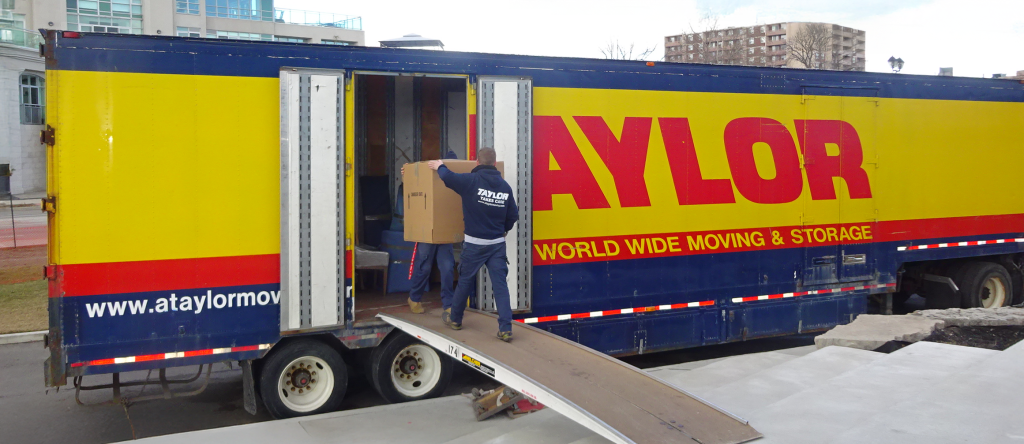
Moving your whole life across borders is a big deal, and sometimes, the usual stuff like boxes of clothes and furniture isn’t the whole story. You might have a beloved pet, a car you can’t live without, or even some really valuable art pieces that need special handling. These aren’t your everyday items, and they come with their own set of rules and challenges.
Transporting Pets, Vehicles, and Fine Art Safely
When it comes to pets, think about their comfort and health. Many countries have strict rules about vaccinations, quarantine periods, and even the type of carrier they can travel in. It’s not just about getting them on a plane; it’s about making sure they arrive healthy and happy. Our international move management services can help sort out all the paperwork and coordinate with specialized pet transport companies.
Shipping a vehicle internationally involves a lot of paperwork too. You’ll need to consider customs duties, registration in the new country, and the actual shipping method – whether it’s on a dedicated car carrier ship or inside a shipping container. The key is to start this process early, as it can take months to get everything sorted.
Fine art and antiques require a delicate touch. This means specialized packing, climate-controlled transport, and often, specific insurance coverage. We work with partners who understand how to handle these sensitive items, keeping them safe from the moment they leave your home until they arrive at your new one. Understanding the chain of custody for these high-value items is really important.
Planning for Items Requiring Extra Attention
Beyond pets, cars, and art, some household items might need a bit more thought. Think about large musical instruments, sensitive electronics, or even just a lot of books. Each might have different packing needs or customs considerations. For example, some countries might have restrictions on certain types of wood or materials.
Here’s a quick look at what to consider:
- Electronics: Ensure they are compatible with the voltage in your new country. You might need adapters or even new appliances.
- Large Furniture: Measure doorways and stairwells at your destination to make sure it will fit. Sometimes, it’s more practical to sell large items and buy new ones abroad.
- Valuables: Keep important documents, jewelry, and sentimental items with you during the move. Don’t pack them in the main shipment.
Timelines for Specialized Shipments
Specialized items often have longer lead times than standard household goods. Pets, for instance, might need several months to get all their vaccinations and health checks in order before they can travel. Vehicles can also take a while to ship, especially if you’re looking for specific transport methods.
Here’s a general idea of timelines:
- Pets: 3-6 months for preparation and booking.
- Vehicles: 1-3 months for shipping and customs clearance.
- Fine Art: 1-2 months, depending on packing and transit time.
It’s always best to discuss these timelines with your move manager. They can help create a realistic schedule so nothing gets overlooked. Planning ahead is really the best way to avoid last-minute stress with these unique items. Moving abroad is a big step, and taking care of these special logistics properly makes the whole experience much smoother, allowing you to focus on settling into your new life. Choosing reliable international moving services is key to managing these complexities.
Country-Specific Tips for Moving Between Popular Destinations
Moving between countries can feel like a whole new ballgame, even if you’ve moved before. Each nation has its own quirks when it comes to bringing your belongings across borders. Let’s look at a few popular routes and what you should keep in mind.
Moving from Canada to the U.S. or UK
When moving from Canada to the United States, things are generally quite straightforward. You’ll want to have your inventory list ready, and understand that most household goods are duty-free if they’ve been owned for at least a year. However, specific items like alcohol or tobacco have strict limits. Our move management services can help you sort through these details, making sure your inventory is accurate and compliant.
Moving to the UK from Canada involves a bit more paperwork. You’ll need to prove residency in the UK and that you’ve owned your goods for at least six months. There are also specific rules about what you can and cannot bring, especially concerning food items and certain plants. It’s always best to check the latest UK government guidelines before you pack a single box.
- Documentation: Ensure all your personal documents are in order, including passports, visas (if applicable), and proof of ownership for your goods.
- Customs Declarations: Complete all necessary customs forms accurately. Mistakes here can lead to delays or unexpected charges.
- Prohibited Items: Be aware of items that are restricted or banned in the UK, such as certain meats, dairy products, and endangered species products.
What to Know When Relocating to Australia
Australia has some of the strictest quarantine laws in the world. This is to protect its unique environment. You’ll need to declare almost everything, especially items that could carry pests or diseases. Think about your furniture, sporting equipment, and even garden tools. Thorough cleaning of these items before packing is a must.
Australia’s biosecurity laws are serious business. Failing to declare items can result in hefty fines or even deportation. It’s better to be overly cautious and declare everything, letting customs officials decide what’s acceptable.
When planning your move to Australia, consider these points:
- Quarantine Declarations: Be prepared to declare all wooden items, plant materials, and anything that has come into contact with soil or water.
- Professional Cleaning: Ensure items like bicycles, camping gear, and lawnmowers are thoroughly cleaned to remove any dirt or plant matter.
- Restricted Goods: Avoid bringing in large quantities of food, certain animal products, and firearms. Our team can provide a detailed list of restricted items for Australia.
Cross-Border Moves: Canada and America
Moving between Canada and the United States, whether it’s from Canada to the US or vice-versa, is a common route. While generally less complex than moves to other continents, attention to detail is still key. You’ll want to understand the duty-free allowances for personal effects. For instance, if you’re moving your car, you’ll need to ensure it meets the safety and emissions standards of the destination country. We help manage the logistics of vehicle shipping, making sure all requirements are met.
- Vehicle Importation: Research the specific requirements for importing a vehicle, including any necessary modifications or inspections.
- Personal Effects: Understand the value limits for duty-free importation of personal belongings. Items exceeding these limits may be subject to taxes.
- Temporary vs. Permanent Moves: The documentation and customs process can differ slightly depending on whether you are moving permanently or temporarily. Clarify your intentions with your move manager.
Planning these cross-border moves requires careful coordination. Our international move management services are designed to simplify these transitions, providing clarity and support every step of the way. If you’re considering a move to a new country, exploring options like home swapping for temporary stays could also be an interesting way to experience a new place like a local. Explore home exchange opportunities for digital nomads and remote workers.
Moving to a new country can be tricky, but we’ve got your back! Our “Country-Specific Tips for Moving Between Popular Destinations” section is packed with helpful advice to make your international move smoother. Ready to plan your next adventure? Visit our website for all the details and get a free quote today!
Ready for Your New Adventure?
So, you’ve made it through the guide! Moving across countries, whether it’s from Canada to the US, the US to the UK, or anywhere else, is a big deal. It’s a lot to think about, from packing up your whole life to figuring out customs and getting settled in a new place. Remember, planning is your best friend here. Take it step by step, ask questions, and don’t be afraid to lean on the experts. You’ve got this. Enjoy the journey and welcome to your new home!
Frequently Asked Questions
How much does it cost to move overseas?
The price of moving internationally can change a lot depending on how much stuff you have, how far you’re moving, and what services you need. Think about things like packing, shipping, and even insurance. It’s a good idea to get quotes from a few different moving companies to compare prices and see what you get for your money. Sometimes there are extra fees you might not expect, so always ask for a full breakdown.
How long does it take to move internationally?
Moving your belongings to another country can take a while. It really depends on the distance and how you’re shipping your items – by plane or by sea. Planning ahead is super important. You should start looking into moving companies and getting quotes at least a few months before you want to move. This gives you time to sort out all the details and avoid last-minute rushes.
What documents do I need for an international move?
You’ll need to gather quite a bit of paperwork for an international move. This usually includes things like passports, visas, and detailed lists of everything you’re shipping (called an inventory). Each country has its own rules about what you can bring in, so it’s smart to check the customs requirements for your new home. Getting this right helps avoid problems at the border.
How do I choose a trustworthy international moving company?
Picking the right moving company is key to a smooth move. Look for companies that have good reviews and are part of recognized industry groups. Always ask them questions about their experience, what services they offer, and who will actually be handling your belongings. Getting a clear understanding of their process and asking for references can help you feel more confident.
How can I make moving internationally less stressful for my family, especially kids?
Moving with family can be tough, especially for children. Try to involve them in the planning process as much as possible. Talk to them about the new place and what to expect. Finding new schools and ways to connect with people in your new community can also help everyone settle in. Keeping routines similar to what they’re used to can also make a big difference.
What special items need extra planning when moving overseas?
Some things need more attention when moving internationally. Pets, vehicles, and valuable items like art often have special rules and require careful packing and specific shipping methods. You’ll need to research the requirements for bringing pets or vehicles into your new country. These types of items might also take longer to ship and could cost more, so plan accordingly.
Leave a Comment