How Much Do International Moving Companies Cost? A Comprehensive Guide

So, you’re thinking about moving to another country. Exciting stuff! But then the big question hits: how much do international moving companies cost? It’s not like moving across town. This guide is here to break down all the things that go into that price tag, from how your stuff travels to what happens when it lands. We’ll help you get a clear picture so you can budget right and avoid any nasty surprises.
Key Takeaways
- The total cost of moving internationally depends on many things, like how far you’re going, what you’re moving, and the services you pick.
- Shipping by sea is usually cheaper but takes longer than shipping by air.
- Don’t forget about extra fees like customs duties, insurance, and services at your new location.
- Picking the right moving company means checking their credentials and asking the right questions.
- Planning ahead is super important, especially for special items or if you have a tight deadline.
Understanding International Moving Costs
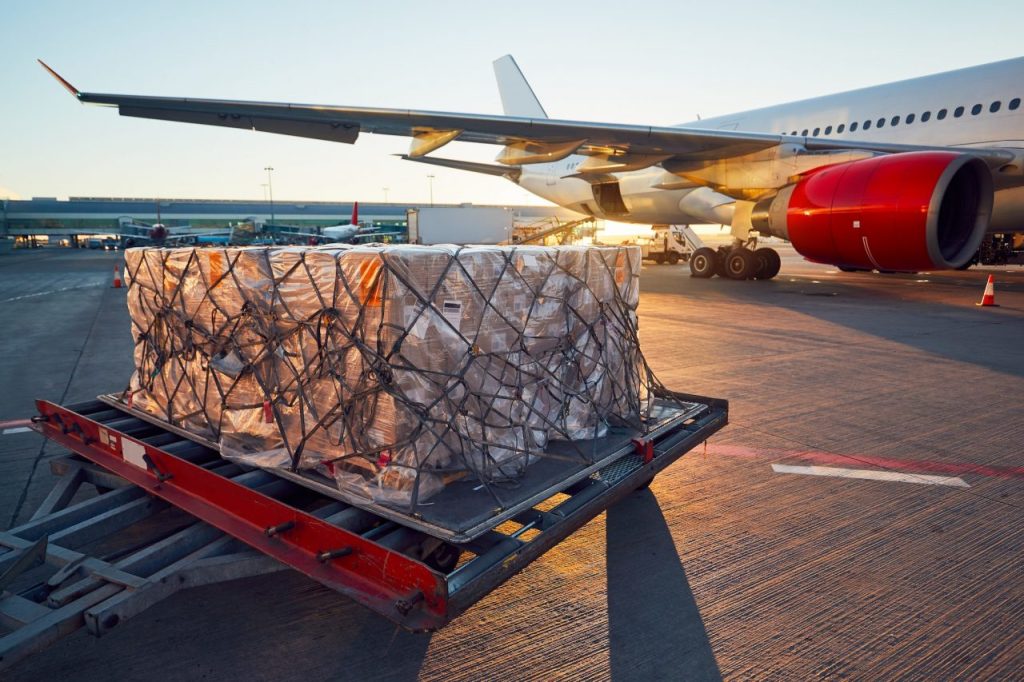
Moving your life across borders is a big deal, and figuring out the cost can feel overwhelming. It’s not just about packing boxes; there are many layers to consider. The price tag for an international move is influenced by a mix of factors, and understanding them upfront is key to avoiding surprises. Our international move management service helps break down these complexities, giving you a clear picture from the start.
Factors Influencing Your International Moving Estimate
When you get an estimate for moving overseas, several things play a big role in the final number. Think about the sheer volume and weight of your belongings – more stuff means more cost. The distance to your new country is another major piece of the puzzle. Then there’s how you choose to ship your items. Are you going for speed with air freight, or are you looking for a more budget-friendly option like sea freight? Each has its own price point. We help you weigh these options to find the best fit for your needs and budget.
Here are some of the main things that affect your moving quote:
- Volume and Weight: The more you move, the more it generally costs.
- Distance: Moving across the globe costs more than moving to a neighboring country.
- Shipping Method: Air freight is faster but pricier than sea freight.
- Packing Services: Professional packing adds to the cost but saves you time and stress.
- Transit Time: Faster delivery options usually come with a higher price.
Comparing International Moving Quotes Effectively
Getting quotes from different international moving companies is a smart move, but it’s not always straightforward. You need to compare apples to apples. Make sure each quote details exactly what services are included. Are they talking about door-to-door service, or will you need to handle things like customs clearance yourself? Look for transparency in their pricing. Our approach is to provide clear, detailed estimates so you know precisely what you’re paying for. This way, you can compare quotes with confidence and choose the provider that offers the best value and service for your specific move.
The True Cost: Beyond the Initial Estimate
It’s easy to focus only on the initial quote, but the real cost of an international move can sometimes be more. There are often additional fees that pop up, like customs duties, taxes, and fees for services at your destination. Sometimes, items might need to be stored temporarily, which adds another layer of expense. We work hard to anticipate these potential costs and help you plan for them. Our goal is to give you a realistic view of the total expense, so there are no unwelcome surprises when your belongings finally arrive.
Planning an international move involves more than just the basic shipping costs. It’s important to consider potential charges for customs, insurance, and any specialized handling your items might require. Being aware of these elements helps in creating a more accurate budget for your relocation.
We help you understand all these moving parts, from the initial quote to the final delivery, making your international relocation as smooth as possible. Learn more about our international move management.
Key Components of International Moving Expenses
When you’re planning an international move, it’s easy to get overwhelmed by all the different costs that pop up. It’s not just about the big stuff; lots of smaller details add up. Understanding these main expense areas will help you budget more accurately and avoid surprises. Our international move management service is designed to help you keep track of all these moving parts.
Transportation Methods: Air vs. Sea Freight
The biggest chunk of your moving cost will likely be the actual transportation of your belongings. You’ve got two main options here: air freight and sea freight. Each has its own pros and cons, and the choice really depends on your priorities, like speed versus cost.
- Sea Freight: This is generally the more budget-friendly option for international moves. Your items are packed into shipping containers and transported by sea. It’s slower, often taking several weeks or even months depending on the destination and route. This method is ideal if you’re not in a rush and have a lot of items to move, as it’s more economical for larger volumes. It’s also a more environmentally friendly choice.
- Air Freight: If speed is your main concern, air freight is the way to go. Your belongings are flown to your destination, significantly cutting down transit time, often to just a few days or weeks. However, this speed comes at a higher price. Air freight is usually best for essential items you need immediately or for smaller shipments where the cost difference isn’t as dramatic.
The choice between air and sea freight isn’t just about how fast your stuff gets there; it’s a major factor in your overall budget. Think about what you absolutely need right away versus what can wait. This decision impacts not just the shipping cost but also how long you’ll be without certain items.
Packing, Loading, and Unloading Services
Beyond just getting your things from point A to point B, the physical handling of your items is a significant expense. Professional international movers provide specialized packing, loading, and unloading services to protect your belongings during the long journey.
- Packing: This includes providing all the necessary materials like boxes, bubble wrap, packing paper, and specialized crates for fragile items. Professional packers know how to pack different types of items securely for international transit, which is often more rigorous than domestic moves. This service can be charged by the hour or by the volume of items packed.
- Loading: Skilled crews will carefully load your packed items onto the transport vehicle (ship or plane). They ensure weight is distributed correctly and that items are secured to prevent shifting during transit. This is often included in the overall service fee but can be a separate line item.
- Unloading: Upon arrival at your destination, movers will unload your items. Depending on the service level you choose, this might just mean getting the container off the truck, or it could include bringing items into your new home and unpacking them.
Customs Duties and Import Regulations
This is where things can get a bit tricky and where costs can really add up if not managed properly. Every country has its own set of rules for what you can bring in and what taxes or duties you might have to pay. Our move management helps clarify these requirements for your specific destination.
- Customs Duties: These are taxes imposed on goods imported into a country. The amount often depends on the type of item, its value, and the country’s import policies. Some countries have agreements that allow certain items (like household goods for relocating individuals) to enter duty-free, but you’ll need to meet specific criteria.
- Import Regulations: Beyond duties, countries have specific regulations about what can and cannot be imported. This can include restrictions on food, plants, alcohol, or even certain types of furniture. You might also need specific documentation, like a detailed inventory list of everything you’re shipping. Failure to comply can lead to delays, fines, or even confiscation of your goods.
- Inspection Fees: Some countries require customs inspections of imported goods. There might be fees associated with these inspections, which can vary widely. Understanding these potential fees and regulations beforehand is key to avoiding unexpected expenses and delays. Calculating international moving costs involves looking at these factors early on.
Navigating customs can feel like a maze. It’s crucial to work with a moving company that has experience with your destination country. They can help you prepare the right paperwork and understand the potential duties and taxes, saving you a lot of headaches and money.
Navigating Hidden Costs and Fees

When planning an international move, it’s easy to get caught up in the big picture – the shipping costs, the packing, the actual move itself. But sometimes, the smaller charges can really add up, catching you off guard. These aren’t usually listed upfront in the main quote, which is why we call them ‘hidden costs’. Understanding these potential expenses is key to avoiding budget surprises.
Storage and Warehousing Charges
Sometimes, your new home isn’t quite ready when your belongings arrive, or maybe you need to store items temporarily before the final delivery. This is where storage and warehousing fees come into play. These charges can be daily, weekly, or monthly, and they can increase quickly if your storage needs are extended. It’s always a good idea to have a clear timeline for when you’ll need your items delivered to avoid accumulating significant storage costs. Our move management services help coordinate these timelines to minimize such fees.
Insurance and Liability Coverage
While international moving companies take great care, accidents can happen during transit. Standard liability coverage offered by movers is often quite limited, usually based on weight rather than the actual value of your goods. This means if something is damaged or lost, you might not get back enough to replace it. Investing in additional insurance or valuation coverage is a smart move. It provides a higher level of protection for your belongings, giving you peace of mind. We can help you understand the different coverage options available to protect your possessions.
Destination Service Fees
Once your shipment arrives in the destination country, there are often services required to get your belongings from the port or airport to your new home. These can include customs clearance assistance, port handling fees, and local delivery charges. Some movers might bundle these into the initial quote, but others may list them separately. It’s important to clarify what’s included in the destination services to avoid unexpected charges upon arrival. Proper planning and clear communication with your move manager can help anticipate and manage these fees effectively. International moving is a complex process involving many steps, and understanding these destination fees is part of that complexity.
Choosing the Right International Moving Company
Picking the right company to handle your international move is a big deal. It’s not like just hiring someone to move your couch across town. This is about your entire life, packed up and shipped across oceans. You want someone you can trust, someone who knows what they’re doing, and someone who won’t leave you with a mountain of problems when you arrive.
Accreditations and Certifications to Look For
When you’re looking at different moving companies, don’t just go by their flashy websites or smooth talk. You need to see some proof that they’re legitimate and reliable. Think of accreditations and certifications as the seals of approval for the moving world. They show that a company has met certain standards and is committed to good practices. Our move management system helps you sort through these details.
- International Association of Movers (IAM): Membership in organizations like IAM often means a mover adheres to a strict code of ethics and has a global network.
- Federation of International Furniture Removers (FIDI): FIDI is a big one, especially in Europe. Their accreditation, like FAIM (FIDI Accredited International Mover), means they’ve passed rigorous quality checks.
- American Moving & Storage Association (AMSA): For moves involving the US, AMSA membership can indicate a commitment to industry standards and consumer protection.
Questions to Ask Potential Movers
Don’t be shy when talking to companies. You’re the customer, and you have a right to know exactly what you’re getting into. Asking the right questions upfront can save you a lot of headaches later. It’s also a good way to gauge their professionalism and how well they manage their international move management.
Here are some key questions:
- Who will be my main point of contact throughout the move? You need one person to go to with questions or concerns.
- What is your process for handling customs clearance? This is often the trickiest part of an international move, and you want a company that knows it inside and out.
- Do you use your own crews and vehicles at both the origin and destination, or do you use partners? If they use partners, ask how they vet them and if they’re still responsible for their work.
- What are your procedures for damage claims? Knowing this beforehand is important.
- Can you provide a detailed, binding estimate? Avoid estimates that can change significantly later.
It’s easy to get caught up in the excitement of moving to a new country, but the practicalities can be overwhelming. Taking the time to thoroughly vet your moving company is one of the most important steps you can take to ensure a smooth transition. Don’t rush this part; your peace of mind depends on it.
Evaluating Service Quality and Reliability
Beyond the paperwork and certifications, you need to look at the actual service. How do they perform? What do other people say? Our approach to move management focuses on consistent quality and reliability, so you know what to expect.
- Read Reviews: Look for reviews on independent sites, not just testimonials on their own website. Pay attention to comments about communication, punctuality, and how problems were handled.
- Ask for References: A reputable company should be willing to provide references from past clients, especially those who moved to your destination country.
- Assess Communication: How responsive are they to your initial inquiries? Do they explain things clearly? Good communication during the quoting process usually means good communication during the move itself. This is a big part of our international relocation services.
- Understand Their Process: A company that can clearly explain their entire process, from packing to delivery, and how they manage each step, is usually a sign of a well-organized operation. Understanding the services included in your move is key here.
Specialized Item Moving Costs
Moving overseas can get complicated when you have items that aren’t your everyday furniture or boxes. Things like cars, pets, or valuable art pieces require special attention and often come with their own set of costs and regulations. It’s not just about packing them up; it’s about ensuring they arrive safely and legally at your new destination.
Shipping Vehicles Overseas
Shipping a car internationally is a big undertaking. You’ll need to consider the method of transport, which usually involves either a roll-on/roll-off (RoRo) service or a container. RoRo is generally more affordable, where your car is driven onto a specialized ship. Container shipping offers more security, as your vehicle is loaded into its own private container, but it costs more.
The final cost depends heavily on the vehicle’s size, the distance to your destination, and any specific import duties or taxes in the destination country. Our international move management service can help you sort through the paperwork and logistics for vehicle shipping, making sure all the necessary documentation is in order.
Relocating Pets Internationally
Moving your furry family members across borders is another area that needs careful planning. Each country has different rules about vaccinations, quarantine periods, and required health certificates. Some airlines have strict guidelines on pet travel, especially for certain breeds or during extreme weather.
- Health Checks & Vaccinations: Ensure your pet is up-to-date on all required shots and has a clean bill of health from a veterinarian.
- Import Permits & Paperwork: Research and obtain any necessary permits or documentation for your destination country well in advance.
- Travel Kennels: Invest in an IATA-approved travel kennel that meets airline and destination country standards.
- Quarantine: Be aware of potential quarantine requirements upon arrival, which can vary significantly by country.
We can help coordinate with specialized pet relocation services to manage these details, taking the stress out of moving your beloved companions.
Transporting Fine Art and Antiques
Fine art and antiques are not only valuable but often fragile and irreplaceable. Moving these items internationally requires specialized packing, climate-controlled transport, and often, specific insurance coverage. The cost will depend on the item’s value, size, fragility, and the level of protection needed.
Handling valuable or sentimental items like art and antiques requires a higher level of care and specialized knowledge. It’s about more than just getting it from point A to point B; it’s about preserving its condition and value throughout the journey. Proper crating, handling by experienced professionals, and adequate insurance are non-negotiable.
Our move management services extend to coordinating with specialists for these unique items, ensuring they are handled with the utmost care from your old home to your new one. You can use North American’s calculator to get a better idea of overall moving costs, which can help in budgeting for these specialized items.
Planning Your International Move Timeline
Moving overseas is a big deal, and getting the timing right is super important. It’s not like packing up your car for a weekend trip; international moves take time, planning, and a good bit of coordination. Starting early is the best way to avoid last-minute stress and potential problems.
Typical International Moving Timelines
International moves don’t happen overnight. The actual transit time for your belongings can vary a lot, but generally, you’re looking at weeks, sometimes even months, from the moment your items leave your old home until they arrive at your new one. This doesn’t even include the time needed for packing, customs clearance, and delivery arrangements.
Here’s a rough idea of what to expect:
- Sea Freight: This is the most common and cost-effective method for larger moves. Transit times can range from 4 to 12 weeks, depending on the destination and shipping route. It’s slower but much cheaper than air freight.
- Air Freight: If speed is your absolute top priority, air freight is the way to go. It can take anywhere from a few days to 2 weeks to reach your destination. However, it’s significantly more expensive and usually reserved for essential items or smaller shipments.
- Door-to-Door Service: When you work with a move management service, they handle the entire process. This includes packing, shipping, customs, and delivery. The total time from your initial consultation to having everything in your new home can be 6 to 12 weeks or more, depending on the complexity and distance.
Factors Affecting Transit Times
Several things can speed up or slow down your move. It’s good to be aware of these so you can plan accordingly.
- Distance and Destination: Moving across the ocean to a different continent will naturally take longer than moving to a neighboring country. Some destinations also have more complex customs procedures or less frequent shipping schedules.
- Method of Transport: As mentioned, air freight is faster than sea freight. The type of container and shipping line used can also play a role.
- Customs Clearance: This is a big one. Each country has its own rules and regulations. Delays can happen if paperwork isn’t perfect, if items are flagged for inspection, or during peak customs periods.
- Weather and Port Congestion: Unforeseen events like bad weather at sea or busy ports can cause delays that are out of anyone’s control.
- Services Used: If you’re just shipping a few boxes versus a full household, the logistics will differ. Our move management services help streamline this, but the sheer volume of goods can impact timelines.
Planning an international move requires careful consideration of timelines, costs, and documentation. International relocations typically take weeks to months, with costs varying based on distance, volume, and services like packing and insurance. Essential documents include an inventory, passports, and potentially visas, with moving companies assisting in navigating customs. Many movers offer comprehensive services beyond shipping, such as packing, unpacking, storage, and pet or vehicle transport, so inquire about their full offerings.
When to Start Planning Your International Relocation
So, when should you actually start the ball rolling? For most international moves, aim to begin the planning process at least 2 to 3 months before your desired moving date.
Here’s a breakdown:
- 3-4 Months Out: This is when you should start researching international moving companies and getting initial quotes. It’s also a good time to declutter your home. The more you can get rid of, the less you’ll have to move, which can save time and money.
- 2-3 Months Out: Once you’ve chosen a mover or a move management service, finalize your booking. Start gathering necessary documents like passports, visas (if applicable), and birth certificates. Begin notifying relevant parties of your upcoming move (e.g., banks, employers).
- 1-2 Months Out: Your movers will likely conduct a pre-move survey (if not done already) to finalize the inventory and estimate. Start packing non-essential items. Arrange for the disconnection of utilities and services at your current home.
- 2-4 Weeks Out: Pack the majority of your belongings. Confirm all details with your moving company. Make travel arrangements for yourself and your family. Arrange for any necessary storage at your destination.
- 1 Week Out: Pack an “essentials” box with items you’ll need immediately upon arrival. Confirm delivery details. Settle any outstanding bills.
By giving yourself ample time, you can work with a move management partner to ensure every detail is handled, from packing to customs, making your transition as smooth as possible. Planning an international move is a marathon, not a sprint, and starting early sets you up for success.
Planning your international move timeline can feel overwhelming, but breaking it down makes it manageable. Think of it like planning a big trip – you need to know when to book flights, pack, and say goodbye. We can help you create a smooth plan so you know exactly what to do and when. Ready to start organizing your move? Visit our website for expert tips and to get a free quote!
So, What’s the Bottom Line on International Moving Costs?
Alright, so we’ve talked a lot about what goes into the price of moving your life across borders. It’s not just a simple number, is it? Things like how much stuff you have, where it’s going, and how fast you need it there all play a big part. Plus, all those little details, like packing fragile items or moving a pet, can add up. Remember, getting a few quotes is key, and don’t be afraid to ask questions about what’s included and what might cost extra. It might seem like a lot to figure out, but with a little planning and by picking the right company, you can make your international move much smoother and less stressful. It’s about finding that balance between cost and peace of mind, knowing your belongings are in good hands as you start your new adventure.
Frequently Asked Questions
How much does it typically cost to move my belongings to another country?
The price can change a lot based on how much stuff you have, how far it’s going, and what services you pick. Think of it like buying a car – a small car is cheaper than a big truck. For a rough idea, moving a few boxes might cost a few hundred dollars, while a whole house could be several thousand. It’s best to get a few quotes to know for sure.
What are the biggest things that affect the price of an international move?
Several things play a big role. The amount of stuff you’re moving is key. Also, where it’s going matters – moving across the street is different from moving across the ocean! How you ship it (by plane or by boat) makes a difference too. Plus, if you need extra help like packing, special storage, or dealing with customs paperwork, that adds to the cost.
Are there any costs I might not expect when moving overseas?
Yes, sometimes there are surprise costs. Things like paying for storage if your new home isn’t ready, fees for special customs paperwork in the new country, or extra charges for delivering to remote locations can pop up. It’s also smart to think about insurance for your belongings in case anything gets damaged or lost during the move.
How can I be sure I’m choosing a good and trustworthy moving company?
Look for companies that have good reviews and are part of professional groups like IAM (International Association of Movers) or FIDI. Ask them lots of questions about their experience, what’s included in their price, and who will actually be handling your shipment. A reputable company will be clear and honest about everything.
What if I need to move special items like a car or my pet?
Moving special items usually costs extra and needs more planning. Shipping a car involves specific paperwork and transport methods. Moving pets has strict rules about health checks, vaccinations, and travel crates, and it can be quite expensive. Companies that specialize in international moves can handle these things, but be sure to ask about the extra costs and requirements upfront.
How long does it usually take for my belongings to arrive in a new country?
It really depends on how you ship your items. Moving by air is much faster, sometimes just a week or two, but it’s more expensive. Shipping by sea is slower, often taking several weeks or even months, but it’s usually more affordable for larger amounts of stuff. Customs checks in the destination country can also add extra time.
Leave a Comment