Unpacking the Process: How Does International Moving Work?
Moving your life across countries can feel like a huge task. You might be wondering, ‘how does international moving work?’ It’s a process with many steps, from getting quotes to unpacking in a new home. This guide breaks down what you need to know to make your overseas move smoother.
Key Takeaways
- International moving involves packing, shipping, customs, and delivery across borders, which is different from moving within a country.
- Full-service international movers handle everything from packing and loading to customs paperwork and final delivery at your new home.
- The cost of an international move depends on distance, volume, shipping method (air vs. sea), and any extra services needed.
- Proper documentation, like customs forms and inventories, is vital to avoid delays and issues when shipping goods internationally.
- Choosing the right mover means asking questions about their experience, services, and how they handle your belongings and the process.
Understanding International Moving Basics
Moving your life across borders is a big undertaking, and it’s totally normal to wonder how it all actually works. It’s not just about stuffing boxes and hoping for the best. International moving involves a lot of moving parts, from packing your favorite armchair just right to making sure your belongings clear customs without a hitch. Our goal is to make this complex process feel manageable for you. We handle the details so you can focus on what’s next.
How Does International Moving Work?
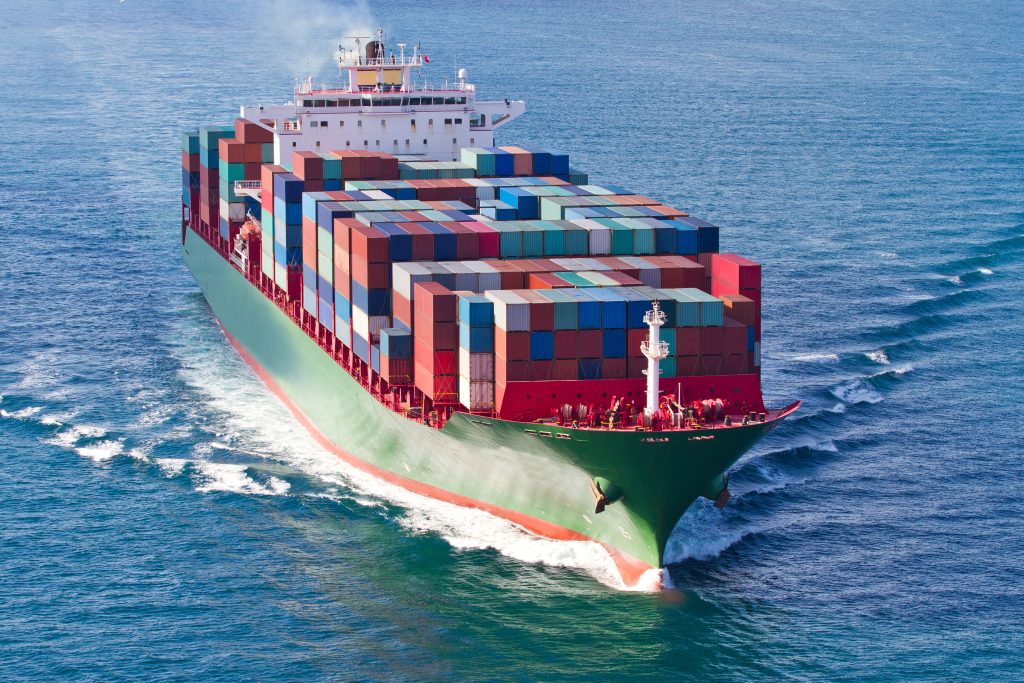
At its core, international moving is the process of transporting your household goods from one country to another. This isn’t a simple point-A-to-point-B delivery. It involves a coordinated effort across different modes of transport – think ships, planes, and trucks – and requires navigating international regulations, customs procedures, and local delivery logistics in your new country. The key to a successful international move lies in meticulous planning and expert coordination. This is where a dedicated move management service comes in, acting as your central point of contact and ensuring every step is handled correctly. We manage the entire journey, from the moment your items are packed until they arrive safely at your new home.
What Full-Service International Moving Includes
When you opt for full-service international moving, you’re essentially handing over the reins for the entire relocation process. This means you get a comprehensive package designed to take the stress out of moving abroad. Here’s a breakdown of what’s typically included:
- Pre-move survey and planning: An assessment of your belongings and a customized moving plan.
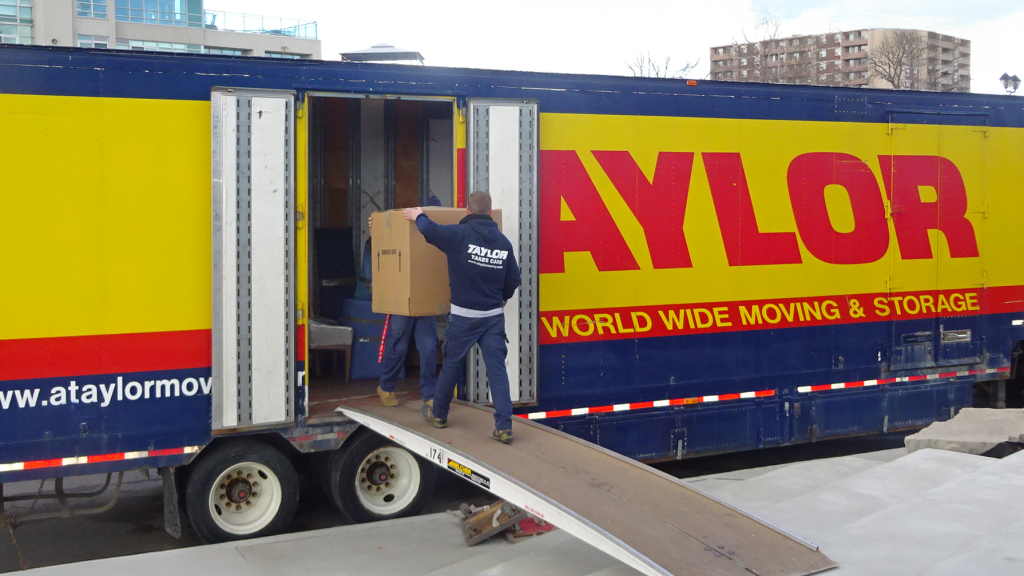
- Packing and loading: Professional packing of your items, using specialized materials to protect them during transit, followed by careful loading onto the transport.
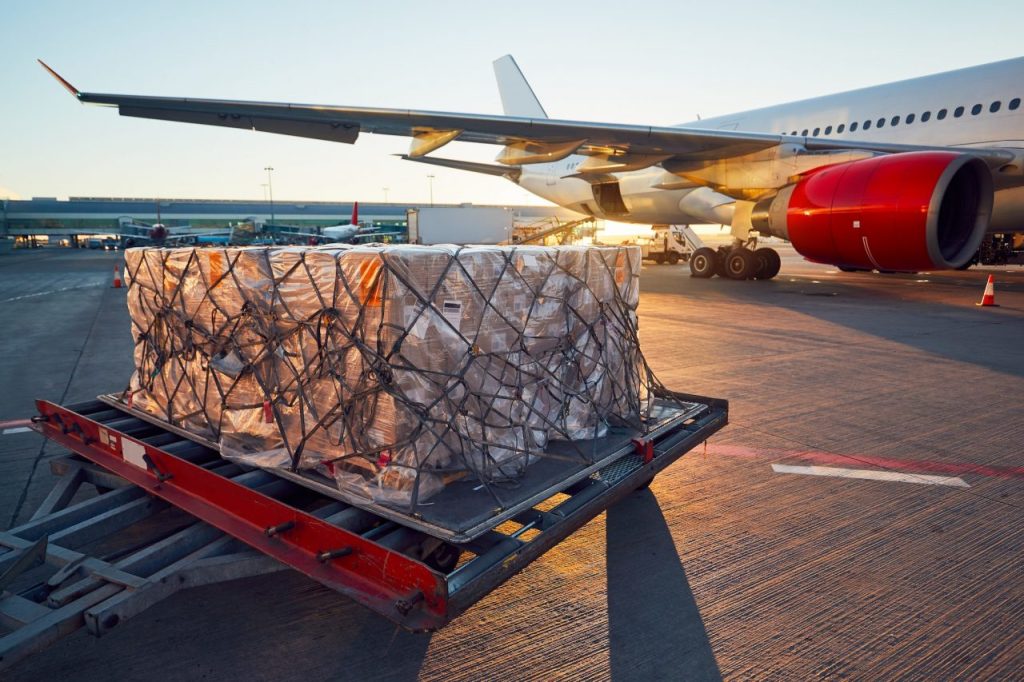
- International shipping: Arranging transport via sea or air freight, depending on your needs and budget.
- Customs clearance: Handling all the necessary paperwork and procedures to get your goods through customs in both the origin and destination countries.
- Destination services: Unloading, unpacking, debris removal, and sometimes even reassembling furniture at your new home.
- Insurance: Providing options for transit insurance to protect your belongings.
This all-inclusive approach means you have one point of contact managing everything, simplifying communication and accountability. It’s about providing peace of mind throughout the entire relocation journey.
International Moving Timeline From First Quote to Final Delivery
Understanding the timeline is super important for planning. While every move is unique, here’s a general idea of what to expect from the moment you get a quote to when your items arrive:
- Initial Consultation & Quote (1-2 weeks): This is where we assess your needs, provide a detailed quote, and answer your questions. Getting this right upfront helps avoid surprises later.
- Pre-Move Planning & Packing (1-2 weeks before shipping): Our team schedules the packing and loading of your belongings. This phase is critical for proper inventory and protection.
- Transit Time (4-12 weeks, depending on method): This is the longest part, where your goods travel by sea or air. Sea freight is more economical but takes longer; air freight is faster but more expensive.
- Customs Clearance at Destination (1-2 weeks): Once your shipment arrives, it needs to go through customs. This can vary greatly depending on the destination country and the accuracy of your documentation.
- Final Delivery (1-3 days after customs clearance): After clearing customs, your belongings are transported to your new home for unloading and unpacking.
It’s generally recommended to start the process at least 2-3 months before your desired move date, especially for overseas moves. This allows ample time for planning, packing, transit, and customs without feeling rushed. Planning an international move requires careful preparation, and we’re here to guide you through each stage.
Navigating Costs and Value
International Moving Cost Guides By Lane
Figuring out the cost of an international move can feel like a puzzle. Prices aren’t set in stone and can change quite a bit depending on where you’re moving from and to. Think of it like planning a trip – flights to Europe might cost differently than flights to Asia. The same applies to moving your household goods across borders. Our move management services help break down these lane-specific costs, giving you a clearer picture of what to expect for your particular destination. We work with a wide network to provide competitive pricing tailored to your specific route.
What Affects The Cost Of An Overseas Move
So, what actually makes the price tag go up or down when you’re moving internationally? It’s not just one thing, but a combination of factors. The volume and weight of your belongings are usually the biggest drivers. More stuff means more space on the ship or plane, and that costs money. The distance is another major player; moving across the ocean is naturally more expensive than moving to a neighboring country. Then there’s the method of transport: air freight is faster but pricier, while sea freight is slower and more budget-friendly. Don’t forget about the services you choose, like professional packing, unpacking, or temporary storage. These all add to the total cost.
Here’s a quick look at some common cost influences:
- Volume/Weight: How much stuff you’re moving.
- Distance: How far your belongings need to travel.
- Mode of Transport: Air freight vs. sea freight.
- Service Level: Packing, unpacking, customs clearance, insurance.
- Destination: Port fees, local delivery costs, and taxes in the destination country.
Hidden Costs Of Moving Abroad
Beyond the main price quote, there are often smaller costs that can sneak up on you if you’re not prepared. These are the “hidden” costs that people sometimes forget to budget for. For instance, some countries have specific import duties or taxes on certain items, even if they’re your personal belongings. There might also be fees for destination services, like navigating local customs procedures or specific delivery requirements at your new home. Sometimes, if your shipment gets held up in customs for reasons beyond your control, there can be storage fees. Being aware of these potential extras is key to avoiding surprises. Our international move management process aims to identify and communicate these potential costs upfront, so you can plan accordingly.
Planning for the unexpected is part of any international move. While we strive for transparency, understanding that destination-specific fees or unforeseen customs requirements can arise is important. Proactive planning and clear communication with your move manager can help mitigate these.
International moves are complex, and understanding the pricing structure is a big part of that. Getting detailed quotes and working with a move management service can help you get a handle on the overall expense. International moving costs can vary widely, so getting specific estimates for your situation is always the best first step. Remember, the cheapest option isn’t always the best value when it comes to protecting your belongings and ensuring a smooth transition.
Customs and Documentation Essentials
Moving your life across borders involves more than just packing boxes. It means dealing with different countries’ rules about what you can bring in and the paperwork needed to make it happen. This part can feel a bit overwhelming, but understanding it is key to a smooth international move. Our international move management service helps you sort through all of this, making sure you have what you need before your belongings even leave your current home.
Customs Documents Needed For An International Move
Every country has its own set of requirements for importing household goods. Generally, you’ll need a few core documents to get your shipment cleared through customs. The most common document is a detailed inventory list of everything being shipped. This list helps customs officials understand the contents of your shipment and verify that nothing prohibited is included. Beyond that, you’ll typically need:
- Customs Declaration Form: This is a standard form provided by the shipping company or the destination country’s customs agency. It lists the general contents and value of your shipment.
- Passport or Visa Copies: Proof of your identity and legal right to reside in the destination country is often required.
- Proof of Residence: Documents like a utility bill or lease agreement from your new country can show you’re establishing residency.
- Original Bill of Lading or Air Waybill: This is the contract between you and the carrier, detailing the shipment.
Some countries might ask for additional paperwork, especially if you’re importing specific items like vehicles or if you’re not a citizen. For instance, moving internationally with a car requires specific documentation, often including the original title and an import permit. Our team stays updated on these varying requirements to help you prepare the correct documents well in advance.
What Can And Cannot Be Shipped Internationally
This is where things can get tricky. Most countries have lists of items that are either prohibited or restricted. Prohibited items are a complete no-go, while restricted items might require special permits, inspections, or have quantity limits. Generally, you can expect the following to be restricted or prohibited:
- Hazardous Materials: This includes things like flammable liquids, corrosives, and explosives.
- Poisons and Controlled Substances: This covers a wide range of items, including certain medications and illegal drugs.
- Perishable Food Items: Fresh foods, plants, and sometimes even certain packaged goods are often not allowed due to agricultural or health regulations.
- Firearms and Ammunition: These are heavily regulated and usually require specific permits or are outright banned.
- Certain Antiques or Cultural Artifacts: Some countries restrict the export or import of items deemed historically significant.
It’s always best to check with your international moving specialist about specific items. We can help you understand what’s allowed and what’s not, saving you potential headaches at customs. For example, while you can usually ship most household furniture, bringing in large quantities of alcohol or tobacco might be restricted. Relocating your life internationally to Canada, for instance, has specific rules about what you can bring.
Why Customs Delays Happen And How To Reduce The Risk
Customs delays are probably one of the most frustrating parts of an international move. They can happen for a variety of reasons, but often it comes down to paperwork or the nature of the shipment. Common causes include:
- Incomplete or Incorrect Documentation: Missing signatures, inaccurate descriptions, or forgotten forms are frequent culprits.
- Undeclared Items: If customs finds something that wasn’t listed on your inventory, it can cause significant delays and potential fines.
- Random Inspections: Customs agencies have the right to inspect any shipment, and sometimes your container might just be selected for a random check.
- Prohibited or Restricted Items: Discovering items that aren’t allowed can halt the entire process.
To minimize the risk of delays, thorough preparation is key. This means working closely with your move management team to ensure all documents are accurate and submitted on time. Providing a clear, detailed inventory list is also vital. We help by pre-clearing as much as possible and communicating directly with customs brokers to keep your shipment moving. Being upfront about everything you’re shipping, even if it seems minor, can prevent surprises down the line.
Navigating international customs and documentation requires attention to detail and a clear understanding of regulations. Our goal is to simplify this complex process for you, ensuring your belongings arrive without unnecessary hold-ups. We manage the communication and paperwork so you can focus on settling into your new home.
Choosing Your International Mover
Picking the right company to handle your international move is a big deal. It’s not like hiring someone to move your couch across town. This is about getting your entire life, your memories, and your essentials safely from one country to another. You want someone who knows the ropes, someone you can trust when you’re already stressed about a new job, a new home, and a new culture.
How To Choose An International Moving Company
When you start looking for an international moving company, it can feel a bit overwhelming. There are a lot of options out there, and they all promise the world. But really, you need to look for a few key things. First off, experience matters. Have they moved people to your specific destination country before? Do they understand the customs and regulations there? Our international move management service is built on years of experience, helping people just like you make smooth transitions.
It’s also about how they operate. Do they use their own teams for packing and loading, or do they subcontract everything out? Companies that manage more of the process themselves, like we do, often have better quality control. This means your belongings are handled with more care from start to finish. You’re not just buying a service; you’re investing in peace of mind.
Questions To Ask Before Hiring An Overseas Mover
Before you sign anything, you need to ask the right questions. Don’t be shy! This is your move, and you deserve to know what you’re getting into.
- What portion of the move do you manage directly? Understanding if they use their own crews or partners is important for accountability.
- Can you provide a detailed, binding quote? Make sure there are no surprises later on about the cost.
- What is your process for handling customs documentation? This is often the trickiest part of an international move.
- What kind of insurance or protection plans do you offer for my belongings? Know what happens if something goes wrong.
- What is the estimated transit time, and what factors can cause delays? Setting realistic expectations is key.
It’s easy to get caught up in the price, but remember that the cheapest option isn’t always the best. Sometimes, paying a little more upfront for a reputable company can save you a lot of headaches and unexpected costs down the line. Think about the total value, not just the initial price tag.
Comparing Service Quality, Timelines, And Value
When you’re comparing different movers, don’t just look at the bottom line. You need to weigh the quality of service against the timeline and the overall value. A company might give you a lower quote, but if their service is poor, your items arrive damaged, or the timeline is completely off, that initial saving disappears quickly.
Consider these points:
- Service Quality: Look at reviews, ask for references, and understand their quality control measures. Do they have specific training for their crews? Our commitment to quality means we focus on careful handling and reliable service.
- Timelines: Get clear estimates for packing, shipping, customs clearance, and final delivery. Understand the difference between port-to-port and door-to-door services.
- Value: This is about what you get for your money. Does the quote include packing, loading, shipping, customs assistance, and delivery? Are there hidden fees? A good international moving company will be transparent about all costs and services. Finding the right international moving company involves looking at the whole picture.
Ultimately, you’re looking for a partner who can manage the complexities of your move with professionalism and care, giving you the confidence to focus on your new life abroad.
Special Logistics and Family Moves
Moving your whole life across borders is a big deal, and sometimes it involves more than just boxes of clothes and furniture. We’re talking about the special items and the unique needs of families that make international moves particularly complex. It’s not just about getting your stuff from point A to point B; it’s about getting your entire life, including your furry friends and your most prized possessions, settled safely in a new country.
How To Move Pets, Vehicles, Or Fine Art
When you’re planning an international move, certain items require extra attention. Pets, vehicles, and fine art aren’t your average household goods. They have specific transport needs, regulations, and potential risks associated with them. Proper planning and specialized handling are key to avoiding issues. For pets, this means understanding quarantine laws, vaccination requirements, and the best travel methods to keep them comfortable and safe. Vehicles often need specific customs declarations and may require different shipping methods than household goods. Fine art, due to its fragility and value, demands expert packing, climate-controlled transport, and specialized insurance.
Our international move management service takes the guesswork out of these special logistics. We coordinate with specialized carriers and ensure all necessary documentation is in order, from pet passports to vehicle import permits. We handle the intricate details so you don’t have to worry about your most sensitive items.
International Moving For Families
Moving internationally as a family brings a whole different set of challenges. It’s not just about packing up the house; it’s about uprooting everyone’s lives. Children, especially, can feel anxious about leaving friends, familiar schools, and their established routines. Spouses might have concerns about new job opportunities or adjusting to a different culture. Open communication is really important here. Talking through everyone’s feelings and involving them in the process, where appropriate, can make a huge difference. It helps everyone feel more secure and united during this big change. Moving internationally as a family requires a thoughtful approach to address these emotional aspects alongside the practical ones.
How To Make An Overseas Move Less Stressful For Children
Kids often absorb the stress of their parents, so keeping things calm and positive is a good start. Before the move, talk to your children about what to expect in the new country. Use maps, books, or even videos to show them what their new home might be like. If possible, visit the new location beforehand. During the packing process, let them pack a special box of their favorite toys and books that they can access immediately upon arrival. This gives them a sense of control and comfort. Once you arrive, try to establish a routine quickly, find new activities or playgroups for them, and be patient as they adjust. Remember, their adjustment period might be different from yours, and that’s perfectly okay. Our goal is to make the entire family’s transition as smooth as possible, addressing concerns about children’s adaptation is a core part of our service.
Moving abroad with pets, vehicles, or young children adds layers of complexity. It’s about more than just logistics; it’s about the well-being and comfort of every family member, including your pets. Careful planning and expert coordination are vital to ensure a smooth transition for everyone involved.
Preparing For Your New Destination
So, you’ve picked up your life and are ready to move it across the globe. That’s a huge step! But before you even think about unpacking, there’s a whole other layer of preparation that happens once you know where you’re going. It’s not just about getting your stuff there; it’s about getting you there, ready to live.
Housing, Schools, And Settling In Considerations
Finding a place to live is usually top of mind. Are you renting or buying? What neighborhoods fit your lifestyle and budget? If you have kids, figuring out schools is a big one. Do you need to apply early? What are the local education systems like? Sometimes, companies help with this, but if not, it’s all on you. It’s also about the little things that make a place feel like home. Think about local transportation, grocery stores, and even just understanding the general vibe of the area. Getting this sorted before you arrive can make a world of difference in how quickly you feel settled.
The transition to a new country isn’t just about logistics; it’s about building a new life. Taking the time to research and plan for housing, education, and community integration can significantly reduce stress and help you feel grounded faster.
Retiring Abroad: What To Plan Before Your Move
Retiring in another country sounds like a dream for many. But it requires some serious groundwork. You’ll need to look into healthcare systems – how does it work there? What are the costs? Then there’s the financial side. How will you manage your money from afar? Are there tax implications you need to be aware of? Many retirees find it helpful to visit their chosen destination for an extended period before making the final move. This gives you a real feel for daily life and helps you spot potential issues. Our international move management services can help coordinate the physical move, but the personal planning is key for a comfortable retirement abroad.
Executive Relocation Planning Tips
For executives moving internationally, time is often of the essence, and the stakes are high. Beyond the personal belongings, there’s the need to quickly establish yourself professionally and personally. This often involves:
- Housing: Securing suitable accommodation, whether temporary or permanent, that meets specific executive standards.
- Family Support: Addressing the needs of spouses and children, including schooling, social integration, and spousal employment opportunities.
- Cultural Acclimation: Providing resources or guidance on local customs, business etiquette, and language basics to ease the transition.
- Logistics Management: Coordinating the shipment of vehicles, managing temporary living arrangements, and handling any specialized items.
Effective executive relocation planning focuses on minimizing disruption to both professional duties and family life. This is where a dedicated move management partner truly shines, handling the complexities so you can focus on your new role and responsibilities. Understanding the nuances of international moving is our specialty, allowing us to support executives and their families through every step.
Getting ready for your new adventure abroad? We make moving to a new country simple. From packing your favorite things to getting them safely to your new home, we handle it all. Don’t stress about the details; let us help you start your new life with ease. Visit our website today to learn how we can help you move!
So, What’s the Takeaway?
Moving your life across borders, whether it’s from Canada to the US, the US to the UK, or anywhere else in the world, is a big deal. It’s not just about packing boxes; it’s about handling paperwork, figuring out customs, and making sure your family, pets, and belongings arrive safely. We’ve walked through the whole process, from getting quotes to the final delivery. It can seem overwhelming, but with the right planning and a good moving partner, it’s totally doable. Remember, understanding the steps involved is half the battle. It’s about knowing what to expect, asking the right questions, and trusting the team that’s helping you make that big leap.
Frequently Asked Questions
How does moving to another country actually work?
Moving to another country is a big deal! It starts with getting quotes from moving companies. Then, they’ll help you pack up your stuff. Your belongings will travel by ship or plane to your new home. You’ll also need to deal with customs paperwork in both countries. Finally, your things will be delivered to your new place.
What’s included when I hire a full-service international mover?
A full-service mover does most of the heavy lifting for you. This usually includes packing your items carefully, loading them onto the transport, handling the shipping and customs forms, and then unloading everything at your new home. Some services might also offer unpacking or storage.
How long does it take to move overseas from start to finish?
The whole process can take a while, often several months. It starts when you get your first price estimate. You’ll need time for packing, shipping, and customs. Delivery can take weeks or even months depending on where you’re going and how your items are shipped (boat or plane).
What makes international moving so expensive?
Several things add up. The distance is a big factor, of course. How much stuff you have matters too. The type of shipping you choose (air is faster but pricier than sea) and any special services like packing fragile items or moving vehicles can also increase the cost. Don’t forget customs fees and insurance!
What kind of paperwork do I need for an international move?
You’ll need quite a bit of paperwork. This often includes a detailed list of everything you’re shipping (an inventory), passports, visas, and specific customs forms for the country you’re moving to. Each country has its own rules, so it’s important to check what’s needed well in advance.
How can I make moving abroad less stressful for my kids?
Moving can be tough on kids. Try to involve them in the packing process by letting them pack their favorite toys. Talk to them about the new country and what to expect. Visit the new place if possible, or look at pictures and videos together. Having familiar items and a routine ready when you arrive can also help them feel more secure.
Leave a Comment