How Much Do International Moving Costs Really Add Up To in 2026?
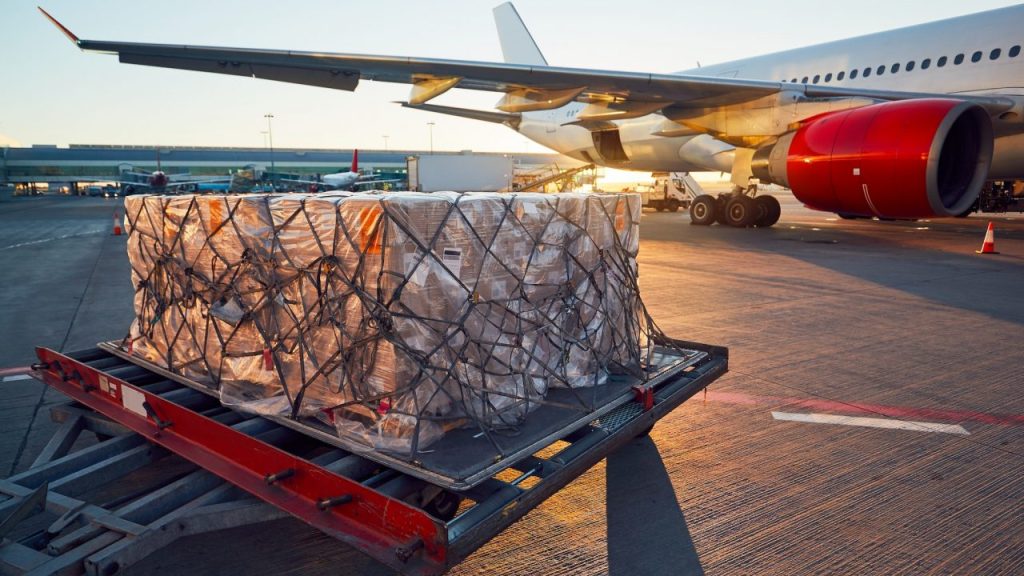
Planning an international move can feel like a huge undertaking. You’re not just packing boxes; you’re packing up your life and getting ready for a whole new chapter somewhere else. Figuring out how much international moving costs can be a big question mark, and honestly, it’s not a simple number. There are so many things that go into it, from how far you’re going to what you’re bringing. Let’s break down what you can expect to spend in 2026, so you can plan better.
Key Takeaways
- International moving costs depend heavily on distance, the amount of stuff you have, and how you ship it (air vs. sea).
- Don’t forget about extra fees like customs duties, insurance, and potential storage costs.
- Shipping special items like pets, cars, or art comes with its own set of requirements and added expenses.
- Getting multiple quotes and understanding what’s included is vital for finding good value, not just the cheapest price.
- Moving abroad involves practical planning for your belongings and emotional preparation for your family’s adjustment.
Understanding the Core Components of International Moving Expenses
How International Moving Works: A Basic Overview
Moving your life across borders is a big deal, and it’s definitely more complicated than just packing up your stuff and calling a local mover. International moving involves a whole different set of rules, logistics, and, of course, costs. Think of it as a multi-stage process managed by specialists who know the ins and outs of global transport. Our job is to coordinate all these moving parts, from the initial survey of your belongings to the final delivery at your new home. We handle the complexities so you don’t have to.
What Full-Service International Moving Entails
When we talk about full-service international moving, we’re talking about a complete package designed to take the stress out of your relocation. This isn’t just about loading boxes onto a ship. It includes professional packing of your items, careful loading onto specialized containers, managing all the necessary documentation for customs, arranging transport via sea or air, and then delivering your belongings right to your doorstep at your destination. We also handle things like customs clearance and can arrange for unpacking and debris removal. Our goal is to provide a smooth, end-to-end experience, managing every detail so you can focus on settling into your new country.
The International Moving Timeline: From Quote to Delivery
Understanding the timeline is key to managing expectations. It all starts with getting a detailed quote. After that, we’ll schedule a survey of your home to get an accurate inventory of what needs to be moved. Packing usually happens a week or two before your scheduled shipping date. The actual transit time can vary significantly depending on the destination and the mode of transport – sea freight can take weeks, while air freight is much faster but more expensive. Once your shipment arrives at the destination port, there’s customs clearance, which can take a few days to a couple of weeks. Finally, delivery to your new home is scheduled. It’s a process that requires planning, often starting months in advance for a stress-free international move.
Here’s a general idea of the stages:
- Pre-Move: Survey, quote finalization, packing, and loading.
- Transit: Shipping your belongings overseas.
- Destination: Customs clearance, port handling, and final delivery.
The entire process, from the initial quote to having your belongings in your new home, can take anywhere from 4 to 12 weeks or even longer, depending on the destination and shipping method. Planning ahead is absolutely vital.
Factors Influencing How Much International Moving Costs
When you’re planning a move across borders, it’s easy to get caught up in the excitement of a new place. But let’s be real, the cost is a big part of the picture. Several key things really shake up the final price tag. Understanding these factors is your first step to getting a handle on your budget and avoiding sticker shock.
Distance and Destination: Key Cost Determinants
The sheer distance your belongings need to travel is a major player in the cost. Moving from New York to Toronto is going to be less expensive than shipping your entire life to Sydney. This isn’t just about miles; it’s about the logistics involved. Longer distances often mean more complex shipping routes, potentially more handling, and longer transit times, all of which add to the expense. The destination country also plays a role. Some countries have more complex import regulations or higher port fees, which can increase the overall cost. Our international move management service helps you sort through these variables, providing clarity on how your specific route impacts the price.
Volume and Weight: The Impact on Your Budget
Think of it like this: shipping a few boxes is vastly different from moving a whole house. The more stuff you have, the more it’s going to cost. Moving companies typically base their charges on the total weight and volume of your belongings. This is why decluttering before you move is so important. Less stuff means a smaller shipment, which directly translates to lower costs. We help you accurately assess the volume of your move, so you get a realistic quote that reflects what you’re actually shipping. It’s about paying for what you need, not for empty space.
Mode of Transport: Air Freight vs. Sea Freight Considerations
How your items get from point A to point B is another big cost driver. You generally have two main options: air freight or sea freight. Air freight is much faster, which can be great if you need your things quickly. However, it’s also significantly more expensive. Sea freight, on the other hand, is slower but much more budget-friendly, especially for larger shipments. Choosing the right mode of transport is a balancing act between speed and cost. For most people moving internationally, sea freight is the more economical choice, and our move management services can help you decide which is best for your timeline and budget. It’s not just about picking the cheapest option, but the one that offers the best value for your specific situation.
The complexity of international moving means that costs can fluctuate. Factors like the time of year you move, fuel surcharges, and the need for specialized packing services can all add up. Being aware of these variables allows for better financial planning.
Here’s a quick look at how different factors can influence your overall moving expenses:
- Distance: Longer distances generally mean higher costs due to increased transportation and logistics.
- Volume/Weight: The more you ship, the more it will cost. Decluttering is key!
- Shipping Method: Air freight is faster but pricier; sea freight is slower but more economical for larger loads.
- Destination: Import duties, taxes, and local handling fees vary by country.
- Services: Professional packing, unpacking, and specialized item handling add to the total.
Our goal is to make this process transparent. By understanding these core factors, you can work with us to get a more accurate estimate and plan your international move with confidence. Get a quote for your specific needs and see how our management approach can help.
Navigating Hidden Costs in Overseas Relocations
When you’re planning an international move, it’s easy to get caught up in the big ticket items like shipping containers and air freight. But there are a bunch of smaller costs that can really sneak up on you if you’re not prepared. Our international move management service helps you anticipate these, so you’re not blindsided.
Customs Duties and Import Regulations
Every country has its own rules about what you can bring in and what taxes you’ll have to pay. These aren’t usually included in your initial moving quote. Think of it like this: you’re essentially importing your household goods. Some countries charge duties on items they consider new or on specific categories like electronics or furniture. It’s important to research the destination country’s customs regulations well in advance. This can involve a lot of paperwork, and sometimes, your belongings might get held up at customs if everything isn’t in order. We help you understand what documentation is needed and what to expect regarding potential duties, which can vary widely.
Insurance and Valuation for Your Belongings
While movers often include basic liability coverage, it’s usually very limited. It might only cover a small amount per pound or per item, which wouldn’t come close to replacing your valuable possessions if something were to happen. You’ll likely want to consider purchasing additional insurance, often called “full value protection” or “declared value coverage.” This means the mover is responsible for the full replacement value of your items, minus any deductible you choose. The cost of this insurance is typically a percentage of the declared value of your shipment. It’s a small price to pay for peace of mind, especially when shipping fragile or expensive items.
Storage and Warehousing Fees
Sometimes, your new home isn’t quite ready when your belongings arrive, or maybe there’s a delay in customs. In these situations, your items will need to be stored. Storage fees can add up quickly, especially if you need long-term warehousing. Some moving companies include a few days of free storage, but after that, you’ll be charged daily or monthly rates. It’s also worth noting that if your shipment is being stored, it might be subject to additional handling fees when it’s finally ready for delivery. Planning for potential storage needs is a smart move, and our team can help arrange this if necessary.
Specialized Item Shipping and Associated Expenses
Moving Pets Internationally: Requirements and Costs
Moving your furry family members across borders is a big deal, and it comes with its own set of rules and costs. Each country has specific regulations about which animals are allowed in, what vaccinations they need, and if any quarantine periods are required. For example, bringing a pet to Australia or New Zealand involves a lengthy process with strict health checks. You’ll likely need to factor in costs for:
- Veterinary examinations and vaccinations: These are non-negotiable and vary by destination.
- Health certificates: Official documents proving your pet is healthy and fit to travel.
- Import permits: Some countries require these before your pet even arrives.
- Specialized travel crates: These must meet airline or shipping standards.
- Airline or shipping fees: Pets often have their own ticket and weight restrictions.
Our international move management service can help you sort through the paperwork and find reputable pet transport specialists, making this part of your move less stressful.
Shipping Vehicles Abroad: Documentation and Fees
Shipping a car or motorcycle overseas is more complex than just putting it on a boat. You’ll need to gather a lot of documentation, including proof of ownership, registration, and sometimes even a temporary import permit for the destination country. The costs can add up quickly, covering:
- Ocean freight charges: This is the main cost, depending on the size of your vehicle and the shipping method (Ro-Ro, container).
- Marine insurance: Highly recommended to protect your investment.
- Customs duties and taxes: These vary wildly by country and can be quite high.
- Port handling fees: Charges at both the departure and arrival ports.
- Inland transportation: Getting the vehicle to and from the ports.
Understanding the specific import rules for your destination country is key to avoiding unexpected charges. We can help you get a clearer picture of these requirements and associated costs.
Transporting Fine Art and Antiques
When it comes to valuable or fragile items like fine art, antiques, or collectibles, the stakes are high. These items require specialized packing, handling, and often climate-controlled transport to prevent damage. The costs reflect this specialized care:
- Custom crating: Professional, custom-built crates are often necessary.
- Specialized packing materials: Acid-free paper, bubble wrap, and custom foam inserts.
- Insurance and valuation: Higher coverage limits are usually needed, and appraisals might be required.
- Climate-controlled shipping: For sensitive items, this ensures stable temperature and humidity.
- Expert handling: Trained professionals who understand how to move delicate objects.
Moving precious items internationally demands a meticulous approach. It’s not just about getting them from point A to point B; it’s about preserving their condition and value throughout the journey. This often means working with movers who have specific experience in handling such delicate cargo, ensuring every precaution is taken.
Our move management services can connect you with partners experienced in handling these unique items, providing peace of mind during your international relocation. Planning for these specialized items early is a smart move, as they often require more lead time and specific arrangements. International moving costs can vary significantly based on these specialized needs.
Comparing International Moving Quotes for Value
Getting quotes for an international move can feel like a puzzle. You’ve got a bunch of companies throwing numbers at you, and it’s tough to figure out who’s giving you the real deal. It’s not just about the cheapest price; it’s about what you actually get for your money. Our international move management service helps you sort through all of this, making sure you understand what you’re paying for.
What to Look For in a Comprehensive Moving Quote
When you get a quote, don’t just glance at the total. You need to dig into the details. A good quote from a reputable international mover will break down all the costs. This includes things like packing, loading, shipping, customs clearance at your destination, and delivery to your new home. It should clearly state what services are included and, just as importantly, what’s not. Sometimes, what looks like a low price upfront can hide extra charges later on.
Here’s a quick checklist of what should be in a solid quote:
- Origin Services: Packing, loading, and transportation from your current home to the port or airport.
- International Shipping: The actual cost of moving your goods via sea or air freight.
- Destination Services: Customs clearance, unloading, unpacking, and delivery to your new address.
- Insurance/Valuation: Details on coverage for your belongings during transit.
- Any potential surcharges: Like fuel surcharges or fees for difficult access at either end.
Questions to Ask Potential International Movers
Don’t be shy about asking questions. The more you ask, the clearer things will become. It’s your belongings and your move, after all. Here are some good ones to get you started:
- Who will be my main point of contact throughout this process?
- What is your process for handling customs documentation and potential delays?
- Can you provide a breakdown of all potential fees, including any I might not expect?
- What kind of insurance or valuation coverage do you offer, and what are the limits?
- How do you handle claims if something is damaged or lost?
- What is your estimated transit time, and what factors could affect it?
Remember, a mover who is transparent and willing to answer all your questions is usually a sign of a trustworthy company. They understand that international relocation is a big deal and want you to feel confident.
Evaluating Service Quality Beyond the Price Tag
It’s easy to get fixated on the numbers, but the quality of service is what truly matters for a stress-free international move. Think about the company’s reputation. Do they have good reviews? How long have they been in business? Our move management approach focuses on partnering with reliable providers who have a proven track record. We help you look past just the dollar amount to assess the overall value, considering factors like communication, reliability, and the actual experience of the moving team. A slightly higher quote might be well worth it if it means your move is handled professionally and without unexpected problems. For instance, understanding the international moving costs from the US can give you a baseline, but comparing the services included in those costs is where the real value lies.
Managing the Emotional and Practical Aspects of Moving Abroad
Moving your life to another country is a huge undertaking, and it’s not just about packing boxes and paperwork. There’s a whole lot of emotional and practical stuff to sort out, too. It’s easy to get caught up in the logistics, but remembering the human side of things is just as important for a successful relocation.
Addressing Family Settling Anxiety During Relocation
When you’re moving the whole family, the kids’ feelings often take center stage, and for good reason. They’re leaving behind friends, familiar schools, and their whole world. It’s natural for them to feel anxious, and sometimes even a bit scared. Open communication is key here. Talk to them about what’s happening, why you’re moving, and what exciting new things they can expect.
- Involve them in the planning: Let them help choose their new bedroom furniture or research fun activities in the new city. This gives them a sense of control.
- Maintain routines where possible: Try to keep meal times, bedtime, and even weekend activities similar to what they’re used to, at least in the beginning.
- Connect with others: If possible, arrange playdates or meetups with other families before you even leave, or as soon as you arrive. Having a friendly face can make a big difference.
For adults, the anxiety can manifest differently. It might be worry about finding a new job, making new friends, or simply feeling out of place. Our international move management services are designed to take the stress out of the physical move, freeing you up to focus on these personal adjustments. Moving abroad offers growth but demands patience.
Tips for a Smoother Transition for Children
Making the transition easier for children involves a multi-pronged approach. It’s about preparing them for the change and supporting them through it.
- Create a visual aid: Use maps, photos, or even a scrapbook to show them what their new home and surroundings will look like. This makes the abstract concept of a new country more concrete.
- Plan for goodbyes: Help them say goodbye to friends and family in a way that feels meaningful, not abrupt. This could be a party, a special outing, or even just a heartfelt exchange of letters or videos.
- Explore the new environment together: Once you arrive, make it a priority to explore parks, playgrounds, and kid-friendly attractions. Turn the unfamiliar into the familiar through shared experiences.
Considerations for Retirees Moving Overseas
Retiring abroad is a dream for many, but it comes with its own set of practical and emotional considerations. Beyond the excitement of a new culture and climate, retirees need to think about:
- Healthcare access and quality: Research the healthcare system in your destination country. Understand how to access doctors, specialists, and any necessary medications.
- Social integration: How will you build a new social circle? Look into local clubs, expat groups, or volunteer opportunities that align with your interests.
- Financial planning: Ensure your retirement income will be sufficient and understand any tax implications of living abroad.
Moving overseas as a retiree requires careful planning, balancing the desire for a new adventure with the need for security and comfort. It’s about creating a fulfilling life in a new place, not just relocating belongings.
Managing the emotional and practical sides of an international move is a big part of the process. While our team handles the complexities of your international move, remember to prioritize your family’s well-being and your own adjustment. Understanding these feelings is key to a successful transition.
Country-Specific Moving Cost Considerations

Moving your life across borders isn’t a one-size-fits-all situation, and costs can really change depending on where you’re headed. Each country has its own set of rules, fees, and even preferred ways of doing things when it comes to bringing your belongings in. Thinking about these specifics early on can save you a lot of headaches and unexpected expenses down the road. Our international move management service helps you sort through these details for any destination.
Moving Between Canada and the United States
This is often one of the more straightforward international moves, but don’t let that fool you into thinking there are no costs. Because it’s a move between two neighboring countries with a long-standing trade relationship, many items don’t face heavy duties. However, you’ll still deal with border crossing fees, potential taxes depending on the province or state, and the actual cost of transportation. The distance within Canada and the U.S. plays a big role here, as does the volume of your goods. Think about the cost of moving your household goods from Toronto to Miami versus Vancouver to New York – the mileage alone makes a difference.
- Customs Declarations: While generally less complex than other international moves, you’ll still need to declare your goods. A detailed inventory is key.
- Taxes and Duties: Be aware of sales tax (like GST/HST in Canada or state sales tax in the U.S.) and any specific duties on certain items, though these are often minimal for personal effects.
- Logistics: The actual shipping cost will depend on whether you use a truck, container, or even air freight for faster delivery. International moving costs can vary widely even on this “shorter” route.
Navigating Moves to and From the United Kingdom
Moving to or from the UK involves a bit more paperwork and consideration. The UK has specific import regulations for personal belongings, and understanding these is vital. You’ll need to ensure your items comply with their standards, and there might be duties or taxes if you’re not moving as a returning resident or under specific visa conditions. The process can feel a bit like a maze, but having a clear plan makes it manageable.
- Customs Declarations: A detailed inventory list is mandatory. You’ll need to declare all items you’re bringing into the UK.
- Potential Duties and Taxes: While personal effects are often exempt if you’ve owned them for a certain period, it’s wise to check current regulations, especially for new items or specific categories like alcohol or tobacco.
- VAT: Value Added Tax might apply to certain goods, depending on their origin and your status as a mover.
The UK has specific rules about what you can and cannot bring in. It’s always best to check the official government guidelines or work with a mover who understands these requirements to avoid surprises at the port.
Understanding Relocation Costs to Australia
Australia is known for its strict biosecurity laws and customs procedures, which significantly impact moving costs. You’ll need to be very thorough with your declarations, especially concerning anything that could be considered organic, like wooden furniture, plants, or even sporting equipment that might have soil on it. The cost of shipping to Australia is also generally higher due to the long distance from most major continents. Thorough preparation and clear communication with your moving company are absolutely essential for a smooth move to Australia.
- Biosecurity and Quarantine: Expect inspections for items like furniture, vehicles, and anything that has been in contact with the ground. Cleaning requirements are common.
- Customs Duty and GST: While personal and household goods are often duty-free if you’ve owned them for over 12 months, Goods and Services Tax (GST) may apply to the value of your goods and the shipping costs.
- Shipping Distance: Australia’s location means sea freight is the most common and cost-effective method, but it also means longer transit times. Moving abroad in 2026 can be a significant undertaking, and Australia is a prime example of a destination requiring careful planning.
When moving to a new country, costs can change a lot depending on where you’re going. Things like taxes, local rules, and even how easy it is to get things done can make a big difference in your moving budget. It’s smart to look into these details early. For a clearer picture of what to expect, check out our website for more information.
So, What’s the Bottom Line on Moving Costs?
Alright, so we’ve talked a lot about what goes into moving your life across borders. It’s definitely more than just packing boxes. From the actual shipping costs to all the little fees you might not think about, like customs or special handling for your pet, it all adds up. Remember, the price can change a lot depending on where you’re going, how much stuff you have, and how fast you need it there. It’s not just about the sticker price, though. Thinking about the stress of paperwork, getting your family settled, and trusting the company handling your belongings is a big part of the picture too. Getting a few quotes and really digging into what they include is key. Don’t just look at the total number; make sure you know what you’re paying for and what to expect. Planning ahead and understanding these costs will make your international move a whole lot smoother.
Frequently Asked Questions
What are the main things that make moving overseas expensive?
The biggest things that affect the cost of moving internationally are how far you’re moving, how much stuff you have, and how you’re sending it (like by ship or plane). Also, some countries have fees or rules for bringing things in, which can add to the cost.
How can I get a good price when hiring an international mover?
To get the best value, get quotes from a few different moving companies. Make sure you understand exactly what each quote includes, like packing, insurance, and delivery. Don’t just pick the cheapest one; compare what you get for your money.
Are there hidden costs I should watch out for when moving abroad?
Yes, there can be. Things like customs fees, special insurance for your belongings, and storage costs if your items can’t be delivered right away can pop up. It’s good to ask your mover about these possibilities.
How does the way my stuff is shipped affect the cost?
Shipping by sea is usually cheaper but takes much longer. Shipping by air is faster but costs significantly more. The best choice depends on your budget and how quickly you need your things.
What if I need to move special items like pets or a car?
Moving pets, vehicles, or valuable items like art often costs extra and requires special planning. There are usually specific rules, paperwork, and handling needs for these items, which will be added to your moving bill.
How do I know if an international moving company is trustworthy?
Look for companies that have good reviews and are part of reputable industry groups. Ask them who will actually be handling your shipment in both countries. A reliable mover will be clear about their process and credentials.
Leave a Comment