How Much Do International Movers Cost? A Comprehensive Guide for 2026

Thinking about moving your life to another country? It’s a big step, and figuring out how much it’s all going to cost is probably at the top of your mind. This guide is here to break down the costs involved in international moves, so you know what to expect. We’ll cover everything from shipping your stuff to dealing with customs, helping you get a clear picture of how much do international movers cost for your specific situation.
Key Takeaways
- The price of moving overseas depends on many things, like how much stuff you have, how far it’s going, and what services you need.
- Shipping your belongings by sea is usually cheaper but takes longer than by air.
- Don’t forget about extra costs like customs fees, insurance, and potential storage.
- Moving special items like cars, pets, or art can add significantly to the overall expense.
- Getting quotes from multiple movers and understanding what’s included is key to finding the right service at a fair price.
Understanding International Moving Costs
Moving your life across borders is a big deal, and figuring out the cost is usually the first hurdle. It’s not just about packing boxes; it’s a complex process with many moving parts, literally. Getting a clear picture of what influences these costs is key to a successful and stress-free international relocation. Our goal is to help you understand these factors so you can budget effectively and avoid surprises.
Factors Influencing Your Overseas Moving Budget
Several things can really change the price tag on your international move. Think about the sheer volume of stuff you’re taking – a studio apartment’s worth is very different from a five-bedroom house. The distance to your new country also plays a huge role; shipping to a neighboring country will cost less than shipping across the globe. Then there’s how you choose to ship your belongings, which we’ll get into more detail about later. Beyond the basics, things like needing specialized packing for delicate items, or requiring temporary storage, can add up. It’s about more than just the weight and distance; it’s the whole package of services you need.
Here’s a quick look at some major cost drivers:
- Volume of Goods: More items mean more space needed on the ship or plane, and higher costs.
- Distance: The further the destination, the higher the transportation expenses.
- Shipping Method: Air freight is faster but pricier than sea freight.
- Packing Services: Professional packing adds to the cost but saves you time and protects your items.
- Destination Services: Customs clearance, import duties, and local delivery fees vary by country.
Estimating the Price of an International Relocation
Pinpointing an exact figure before you get quotes can be tricky, but you can get a ballpark. Generally, international moving costs from the US can range from around $6,300 to $15,900 in 2026. This wide range highlights how many variables are at play. A good starting point is to list everything you plan to move and research the average costs for shipping to your specific destination country. Remember, this is just an estimate; getting personalized quotes is the only way to know for sure. Our move management services help you gather and understand these estimates accurately.
Planning an international move involves more than just estimating shipping fees. You need to consider potential customs duties, import regulations, and the cost of any specialized services required for your move. Being thorough in your initial planning can prevent unexpected expenses down the line.
Comparing International Moving Quotes Effectively
Once you start getting quotes, don’t just look at the bottom line. It’s easy to get swayed by the lowest price, but that can sometimes mean hidden costs or lower quality service. Make sure each quote details exactly what’s included. Does it cover packing, loading, shipping, customs clearance, and final delivery? Are there any potential surcharges listed? Comparing apples to apples is crucial when evaluating different international moving companies. Look for transparency and ask questions if anything is unclear. We help you make sense of these quotes, ensuring you understand the value each provider brings to your international move management plan.
Key Components of International Moving Expenses
When you’re planning to move your life across borders, it’s not just about packing boxes. There are several big pieces that make up the total cost of an international relocation. Understanding these components is the first step to getting a realistic budget together. Our international move management service helps you keep track of all these moving parts.
Shipping Methods: Air Freight vs. Sea Freight
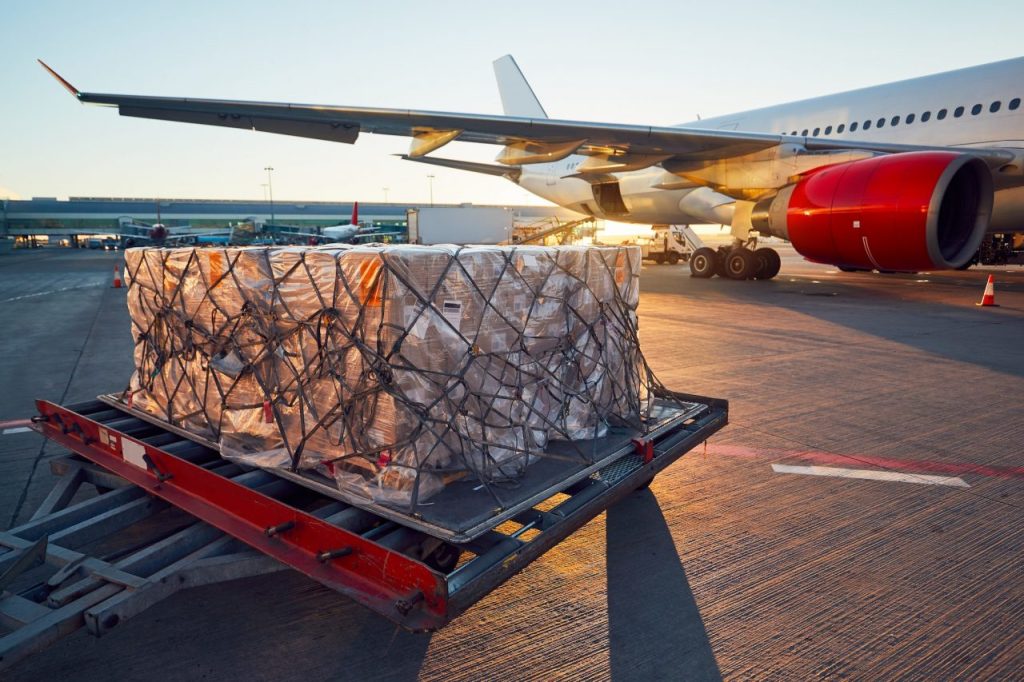
The biggest chunk of your moving expense will likely be the actual transportation of your belongings. You’ve got two main options here: shipping by sea or by air. Sea freight is generally the more budget-friendly choice, especially for larger moves. It’s slower, though, so you’ll need to plan for longer transit times. Air freight, on the other hand, is significantly faster but comes with a higher price tag. Choosing the right shipping method depends on your timeline, budget, and how much you’re moving. For smaller, time-sensitive shipments, air might be worth the extra cost. For a full household move, sea freight is usually the way to go. We can help you weigh the pros and cons for your specific situation.
| Shipping Method | Average Cost (per cubic foot) | Transit Time (approx.) |
|---|---|---|
| Sea Freight | $5 – $20 | 4 – 12 weeks |
| Air Freight | $20 – $50+ | 1 – 3 weeks |
Packing, Loading, and Unloading Services
Beyond just the shipping itself, there are services involved in getting your items ready to go and then getting them into your new home. Professional packing is a big one. Movers will wrap, box, and label everything, which takes time and materials. Loading your items onto the ship or plane, and then unloading them at your destination, also involves labor costs. Some services might include unpacking at your new place, which can save you a lot of hassle. Our move management includes coordinating these services to ensure your belongings are handled carefully from start to finish.
- Professional Packing: Protects your items and saves you time.
- Loading & Unloading: Skilled labor to move items safely.
- Custom Crating: For fragile or high-value items like pianos or artwork.
- Disassembly/Reassembly: For large furniture.
Customs Duties and Import Regulations
This is where things can get a bit tricky and vary wildly depending on your destination country. Most countries have customs duties and taxes on imported goods. The amount you pay depends on the type of item, its value, and the specific import laws of the country you’re moving to. Some countries offer exemptions for household goods if you’re moving permanently, but you’ll still need to fill out a lot of paperwork. Understanding these regulations beforehand is key to avoiding unexpected fees and delays. We work with experienced partners to help you navigate customs requirements and ensure a smoother entry into your new country.
Be prepared for paperwork. Every country has its own set of rules for what you can bring in and what documentation is needed. Missing a form or misunderstanding a rule can lead to your shipment being held up or incurring extra charges. It’s always best to get clear information from your mover or a customs broker well in advance.
Navigating Hidden Costs in International Moves
When planning an international move, it’s easy to get caught up in the big ticket items like shipping and packing. But there are often smaller, less obvious expenses that can add up. Being aware of these potential hidden costs is key to staying within your budget. Our international move management service helps you anticipate and account for these, so you’re not caught off guard.
Potential Surcharges and Fees
Beyond the initial quote, several surcharges can pop up. These often relate to accessorial services or unforeseen circumstances. For instance, if your destination home has narrow streets or is difficult for a large truck to access, you might face a “long carry” fee. Similarly, if your shipment needs to be delivered to a remote location, a “remote area” surcharge could apply. Some movers might also charge extra for packing specific items like electronics or for assembling/disassembling furniture at the destination.
- Accessorial Fees: Charges for services beyond standard door-to-door delivery, like shuttle services for smaller trucks if large ones can’t access your street.
- Fuel Surcharges: These can fluctuate based on global fuel prices and may be added to your final bill.
- Waiting Time Fees: If movers are delayed due to reasons beyond their control (like waiting for customs clearance or for you to be present at the destination), you might be charged for their idle time.
It’s important to get a clear breakdown of what these potential fees are and when they might be applied. A good move manager will help clarify these with the moving company.
Insurance and Valuation Options
While movers are responsible for your belongings, their liability is often limited. Standard liability might only cover a small amount per pound, which is usually not enough to cover the actual value of your items. This is where insurance or declared value protection comes in. Declared value is typically included in the price but offers minimal coverage. Full value protection, on the other hand, costs extra but provides much better coverage, usually based on the total value of your shipment. Understanding the difference between these options is vital for protecting your possessions.
| Option | Cost | Coverage |
|---|---|---|
| Standard Liability | Included (minimal) | Based on weight (e.g., $0.60 per pound per item) |
| Declared Value | Often included, or a small fee | Based on declared total shipment value, but with deductibles/limits |
| Full Value Prot. | Additional cost (percentage of value) | Covers loss or damage up to the declared value of your shipment, no deductibles |
Always ask for the specifics of the policy, including deductibles and claim procedures. International moving costs can be significant, and protecting that investment is smart.
Storage and Warehousing Considerations
Sometimes, your belongings might need to be stored temporarily before they can be delivered to your new home. This can happen if there are delays in customs, if your new home isn’t ready, or if you’re moving into temporary housing. Storage fees can add up quickly, and they are often not included in the initial moving quote. It’s good to know if your mover offers storage solutions and what the associated costs are. Some international moves might require short-term storage at the origin or destination, and these fees need to be factored into your overall budget. Our move management service can help coordinate and find cost-effective storage solutions if needed.
Unexpected storage needs can arise for various reasons, from construction delays at your new residence to unforeseen customs hold-ups. Planning for this possibility, even if it doesn’t happen, can prevent a significant budget overrun and added stress during an already demanding period.
When comparing international moving quotes, always ask about potential storage costs and how they are calculated. This transparency is a hallmark of a reliable moving partner. The entire process of international relocation involves many moving parts, and anticipating these can make all the difference.
Specialized Item Moving Costs
Moving overseas can get complicated when you have items that aren’t your everyday furniture or boxes. Think cars, pets, or even that antique grandfather clock. These special items often come with their own set of rules, costs, and planning needs. It’s not quite like packing up your books, you know?
Shipping Vehicles Internationally
Shipping a car or motorcycle internationally is a big undertaking. You’ve got to consider the method of transport, which can be via a shared container, a dedicated container, or even roll-on/roll-off (RoRo) service. Each has its pros and cons regarding cost and protection for your vehicle. Plus, there are always customs regulations in the destination country to figure out, which can add extra fees and paperwork. Proper documentation and understanding import laws are key to a smooth vehicle relocation. Our international move management service can help sort through these details, making sure your vehicle arrives safely and legally.
Relocating Pets Abroad
Bringing your furry family members along for the ride? This is often one of the most stressful parts of an international move for pet owners. Different countries have strict rules about vaccinations, quarantine periods, and the types of carriers allowed. You’ll need to get health certificates from your vet, and sometimes even specific microchips. The cost can add up quickly with vet visits, airline fees (if flying), and potential quarantine stays. It’s definitely something that requires early planning.
Moving Fine Art and Antiques
Fragile, valuable items like fine art or antiques need extra special care. This usually means custom crating to protect them from any bumps or shifts during transit. The packing materials themselves are specialized, and the handling requires a delicate touch. You’ll also want to look into specific insurance options for these high-value items, as standard coverage might not be enough. The cost for moving fine art and antiques is significantly higher due to the specialized packing, handling, and insurance required. Our team is experienced in managing these sensitive shipments, ensuring your treasures are protected every step of the way.
When planning for specialized items, always get detailed quotes that break down costs for packing, transport, customs, and any destination services. Don’t assume anything is included; ask specific questions about each item type.
Planning Your International Move Timeline

Moving overseas is a big deal, and getting the timing right is super important. It’s not like packing up your car for a weekend trip; this takes serious planning. Starting early is the best way to avoid last-minute stress and potential problems. Our international move management service helps you stay on track from the moment you decide to move until your belongings arrive safely at your new home.
From Initial Quote to Final Delivery
The journey from getting your first estimate to seeing your boxes arrive can take a while. It’s a process that involves several stages, and understanding them helps you set realistic expectations. Here’s a general breakdown of what you can expect:
- Getting Quotes: This is where you reach out to movers and get estimates. It’s wise to get several quotes to compare services and prices. This stage can take a few days to a couple of weeks, depending on how quickly you gather information.
- Booking Your Mover: Once you’ve chosen a company, you’ll book their services. This usually involves signing a contract and paying a deposit.
- Packing and Preparation: Depending on the services you’ve chosen, this could be done by the movers or by you. If movers are packing, they’ll schedule this in advance. If you’re packing yourself, you’ll need to allocate significant time.
- Collection and Loading: Your belongings will be picked up and loaded onto the shipping vessel or aircraft.
- Transit: This is the longest phase, where your items are traveling to your destination country. Transit times vary wildly based on shipping method, destination, and current global logistics.
- Customs Clearance: Once your shipment arrives, it needs to go through customs in the destination country. This can sometimes cause delays if documentation isn’t perfect.
- Delivery: Finally, your items are delivered to your new address.
Factors Affecting Transit Times
Several things can speed up or slow down how long it takes for your stuff to get to you. Knowing these can help you plan better and manage your expectations.
- Shipping Method: Air freight is much faster but more expensive than sea freight. Sea freight can take weeks, sometimes months, depending on the route and whether it’s a direct or consolidated shipment.
- Destination: Moving to a major port city is usually quicker than moving to a remote inland location. Some countries also have more complex customs procedures, which can add time.
- Time of Year: Peak moving seasons (like summer) or holidays can mean more shipments are moving, potentially leading to longer transit times. Unexpected events, like port congestion or weather issues, can also cause delays.
- Customs and Documentation: Incomplete or incorrect paperwork is a common reason for delays. Ensuring all your documents are in order before shipping is key.
Planning an international move requires careful consideration of timelines, costs, and documentation. International relocations typically take weeks to months, with costs varying based on distance, volume, and services like packing and insurance. Essential documents include an inventory, passports, and potentially visas, with moving companies assisting in navigating customs. Many movers offer comprehensive services beyond shipping, such as packing, unpacking, storage, and pet or vehicle transport, so inquire about their full offerings.
When to Start Planning Your International Move
So, when’s the magic number for when you should start getting serious about planning? It really depends on your specific situation, but a good rule of thumb is to begin the process at least 3-6 months before your desired moving date. For very complex moves or destinations with challenging logistics, you might even want to start thinking about it 9-12 months in advance. This gives you plenty of time to research movers, get quotes, sort out paperwork, and make all the necessary arrangements without feeling rushed. Our move management services are designed to guide you through this timeline, making the process smoother and more predictable. Planning an international move is a significant undertaking, and starting early is always the best strategy.
Choosing the Right International Mover
Picking the right company to handle your international move is a big deal. It’s not just about getting your stuff from point A to point B; it’s about peace of mind. You want a partner who understands the complexities of moving across borders and can manage the whole process smoothly. Our international move management services are designed to do just that, taking the stress out of your relocation.
Accreditations and Certifications to Look For
When you’re vetting potential movers, look for signs of legitimacy and professionalism. Certain accreditations show they adhere to industry standards and ethical practices. While there are many organizations out there, some key ones to keep an eye on include:
- FIDI (International Federation of International Movers): This is a big one. FIDI-accredited companies meet strict quality standards for international moving services.
- IAM (International Association of Movers): Membership in IAM indicates a mover is part of a global network and follows certain operational guidelines.
- AMSA (American Moving & Storage Association): For moves originating in or heavily involving the US, AMSA certification suggests adherence to consumer protection and operational standards.
These aren’t just fancy letters; they represent a commitment to quality and reliability. It’s worth spending a little time to see if a company holds these credentials.
Questions to Ask Potential Movers
Don’t be shy about asking questions. The more you know upfront, the better you can compare your options. Here are some important things to ask:
- What exactly is included in your quote? Make sure you understand what services are covered, from packing and loading to customs clearance and delivery at your new home. Ask about potential extra fees.
- What is your estimated transit time? Get a realistic timeframe for how long your belongings will take to arrive. Understand what factors can affect this timeline, like customs or weather.
- How do you handle customs clearance? Ask about their process and if they have experience with the specific countries you’re moving to and from. This can be a major point of delay if not handled correctly.
- What are your insurance and liability options? Understand the coverage provided and what additional protection you might need. International moving costs in 2026 can vary, and insurance is a key part of that budget.
- Who will be my main point of contact? Having a dedicated person to manage your move can make a huge difference.
Evaluating Service Quality and Value
Beyond just the price, think about the overall value and quality of service. A slightly cheaper quote might end up costing you more in the long run if there are hidden fees or if your belongings are damaged or delayed. Our move management approach focuses on providing a clear, predictable experience. We coordinate all the moving parts, from packing to final delivery, so you don’t have to.
Consider the mover’s communication style. Are they responsive? Do they explain things clearly? Do they seem organized? These are all indicators of how well they’ll manage your actual move. Remember, an international relocation is a significant undertaking, and having a reliable partner makes all the difference. Planning ahead is key; starting your preparations early can help you secure the best services and avoid last-minute rushes. A well-structured international moving timeline can be incredibly helpful in this regard.
Picking the right company to help you move overseas can feel like a big task. You want a team that knows the ropes and makes things easy. We’re here to guide you through the process, ensuring your belongings arrive safely and on time. Ready to start your journey? Visit our website today for a free quote!
So, What’s the Bottom Line on International Moving Costs?
Alright, we’ve gone through a lot of details about how much it costs to move your life across borders. It’s not a simple number, is it? We saw how things like distance, how much stuff you have, and what kind of services you pick really change the price. Plus, don’t forget about those extra bits like customs paperwork or moving your car. It can feel a bit overwhelming, I get it. But remember, knowing these factors helps you get a clearer picture and ask the right questions. Getting a few quotes from reputable international movers is the best way to figure out what your specific move will cost. It’s a big step, but with a little planning and the right information, you can make it happen without too many surprises.
Frequently Asked Questions
What makes international moving prices change?
The cost of moving your belongings overseas can change based on a few things. The distance you’re moving, how much stuff you have, and how you choose to ship it (like by boat or plane) all play a big role. Special items like cars or pets can also add to the cost. Plus, fees for customs in the new country and any extra services you need, like packing or temporary storage, will affect the final price.
How can I get a good estimate for my international move?
To get a good idea of the cost, it’s best to get quotes from a few different moving companies. Make sure you tell them everything you plan to move, including any large or unusual items. They’ll usually ask about the size of your home and the services you need. Getting multiple quotes helps you compare prices and services to find the best fit for your budget and needs.
What’s the difference between shipping by sea and by air?
Shipping by sea is usually cheaper but takes much longer, often weeks or even months. It’s a good option for larger shipments or if you’re not in a hurry. Shipping by air is faster, getting your items to you much quicker, but it costs significantly more. It’s better for essential items or if time is a major concern.
Are there any hidden costs I should watch out for?
Yes, sometimes there are extra costs that aren’t immediately obvious. These can include fees for customs clearance, taxes or duties in your new country, and potential charges if your shipment needs to be stored for a while. It’s also important to understand insurance options, as unexpected damage can lead to extra expenses if you’re not properly covered.
How do I know if an international moving company is trustworthy?
Look for companies that are part of well-known professional organizations, like FIDI or IAM. These groups often have standards for quality and reliability. Also, read reviews from other customers and ask the company questions about who will handle your shipment and what their process is. A good company will be transparent and happy to answer your questions.
How far in advance should I plan an international move?
It’s wise to start planning your international move at least 2-3 months before your desired moving date. This gives you enough time to research companies, get quotes, sort through your belongings, and handle all the necessary paperwork. For very complex moves or moves to certain countries, starting even earlier, like 4-6 months ahead, can be beneficial.
Leave a Comment