How to Move Internationally: Your Comprehensive Guide

Thinking about packing up your life and moving to another country? It’s a big step, for sure. Figuring out how to move internationally can feel like a puzzle with a lot of pieces. You’ve got to think about shipping your stuff, dealing with different country rules, and making sure your family, maybe even your pets, are all settled. This guide breaks down the whole process, from the first quote to getting your boxes through customs, so you can make your international move as smooth as possible.
Key Takeaways
- Understand the basics of how international moving works, including what full-service movers typically handle and the general timeline involved.
- Get a clear picture of international moving costs by looking at lane guides, understanding cost factors, and watching out for hidden expenses.
- Familiarize yourself with the customs documents and procedures needed for your move, and know what items you can and cannot ship.
- Plan carefully for family members, including children and pets, and consider specific needs for different life stages like retirement.
- Choose the right international moving company by asking smart questions, checking credentials, and comparing their services and value.
Understanding International Moving Basics
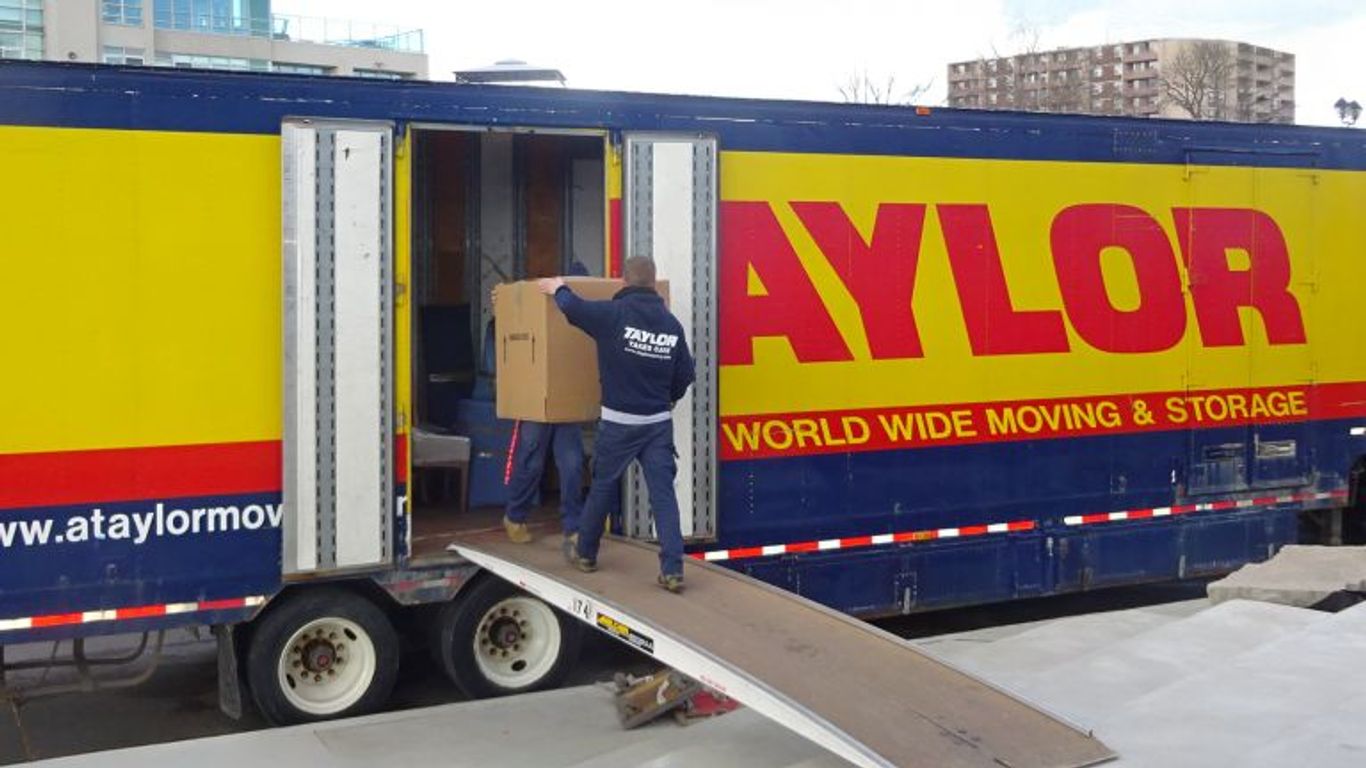
Moving your life across borders is a big deal, and honestly, it can feel pretty overwhelming at first. You’re not just packing boxes; you’re packing up your entire world and getting ready for a new adventure. It’s important to get a handle on how the whole process works before you even start looking at moving companies. This section breaks down the fundamentals so you can feel more in control.
How International Moving Works
So, how does it all happen? When you decide to move overseas, you’re essentially hiring a company to manage the complex logistics of getting your belongings from your old home to your new one, often on a different continent. This involves a lot more than just a truck showing up. It includes packing, loading, shipping via sea or air, customs clearance in both countries, and finally, delivery to your new address. Our international move management service takes care of these intricate steps, coordinating everything so you don’t have to.
What Full-Service International Moving Includes
Full-service international moving is designed to take the burden off your shoulders. Think of it as a complete package. It typically starts with a pre-move survey, either in-person or virtual, to assess what you’re moving. Then comes professional packing and loading of your goods. The company handles all the transportation, whether by ship or plane, and manages the customs paperwork. Once your items arrive in the destination country, they’ll be cleared through customs and delivered to your new home, often with unpacking services available. It’s about having a partner handle the heavy lifting, literally and figuratively.
International Moving Timeline From First Quote to Final Delivery
Planning is key, and knowing the timeline helps immensely. The process usually kicks off weeks, if not months, before your actual move date. Here’s a general idea:
- Get Quotes: Start getting quotes at least 2-3 months before your desired move date. This gives you time to compare and book.
- Pre-Move Survey & Booking: Once you choose a company, they’ll conduct a survey and you’ll book your moving dates.
- Packing & Loading: This usually happens a week or two before your shipping date.
- Shipping: Transit times vary wildly. Sea freight can take 6-10 weeks, while air freight is much faster, usually a few days to a week.
- Customs Clearance: This happens upon arrival in the destination country and can take anywhere from a few days to a couple of weeks.
- Final Delivery: Once cleared, your items are delivered to your new home.
The entire process, from getting your first quote to having your belongings in your new home, can take anywhere from 2 to 3 months, sometimes longer, especially with sea freight.
Air Freight vs. Sea Freight: Choosing the Right Method
This is a big decision that impacts both cost and time. Sea freight is generally the more economical option, especially for large volumes of household goods. It’s slower, though, taking several weeks to cross the ocean. Air freight is significantly faster, ideal for urgent or high-value items you need quickly, but it comes at a higher price point. When you work with us, we help you weigh these options based on your specific needs and budget to find the best fit for your move.
Deciding between air and sea freight isn’t just about speed versus cost. It’s about understanding your priorities for the move and what makes the most sense for your timeline and budget. We help you make that informed choice.
Getting a clear picture of these basics is the first step toward a successful international relocation. It sets the stage for understanding costs, documentation, and choosing the right support for your journey. For a more detailed look at what to prepare, check out this helpful checklist for your move abroad.
Navigating the Costs of Moving Abroad

Moving your life to another country is a big deal, and figuring out the cost is usually one of the first things on your mind. It’s not just about the big stuff like shipping containers; there are a lot of smaller pieces that add up. Understanding these costs upfront can save you a lot of headaches later on. Our international move management service helps you get a clear picture of what to expect, so there are no surprises.
International Moving Cost Guides by Lane
Every move is unique, and the price can change a lot depending on where you’re going. Moving from New York to London will have a different price tag than moving from Los Angeles to Sydney. These differences come from things like distance, shipping routes, and even the demand for moving services in those specific areas. We can help you get a better idea of costs for specific routes, giving you a starting point for your budget. It’s good to look at international moving cost guides by lane to get a general sense, but remember these are just estimates.
Factors Affecting the Cost of an Overseas Move
So, what actually makes the price go up or down? A few big things come into play:
- Volume and Weight of Your Belongings: The more stuff you have, the more it costs to move. We help you sort through what you really need to take.
- Distance and Destination: As mentioned, the miles between your old home and new one matter. Also, some countries have more complex import rules, which can add to the cost.
- Shipping Method: Are you sending things by air or sea? Air freight is faster but more expensive. Sea freight takes longer but is usually cheaper for larger shipments.
- Packing Services: Do you want professional packers to handle everything, or will you pack some items yourself? Professional packing adds to the cost but can save you time and reduce the risk of damage.
- Insurance: Protecting your belongings during transit is important. The level of insurance you choose will affect the overall price.
- Additional Services: Things like temporary storage, special packing for delicate items, or unpacking services at your destination can all add to the final bill.
Identifying Hidden Costs of Moving Internationally
Sometimes, the sticker price isn’t the whole story. There can be costs that aren’t immediately obvious. These might include:
- Customs Duties and Taxes: Depending on the country you’re moving to and the items you’re shipping, you might have to pay import duties or taxes. This varies greatly by destination.
- Port Fees and Handling Charges: Even with sea freight, there can be fees at the origin and destination ports for handling your container.
- Extended Storage: If there are delays with customs or your new home isn’t ready, you might need to pay for extra storage time.
- Disposal Fees: Sometimes, it’s cheaper to buy new items at your destination than to ship certain things, especially large appliances. You might incur costs for disposing of unwanted items before you move.
- Currency Exchange Rates: If you’re paying for services in a different currency, fluctuations in exchange rates can impact the final amount you spend.
It’s always a good idea to ask your moving company about potential extra charges. A good move manager will help you anticipate these and plan accordingly, so you’re not caught off guard.
How to Compare International Moving Quotes Effectively
Getting multiple quotes is smart, but just looking at the bottom line isn’t enough. You need to compare apples to apples. Here’s how to do it:
- Check What’s Included: Make sure each quote details the exact services provided. Does it include packing, loading, shipping, customs clearance, unloading, and unpacking? Are there any services listed as optional extras?
- Understand the Shipping Method: Is the quote for air freight or sea freight? What is the estimated transit time for each?
- Look for Transparency: A good quote will break down the costs. Be wary of quotes that are vague or seem too good to be true. Our approach is to provide clear, detailed estimates so you know exactly what you’re paying for.
- Ask About Insurance Options: What coverage is offered, and what are the deductibles? Understand the protection you have for your belongings.
- Read Reviews and Check Credentials: While not a direct cost, choosing a disreputable mover can lead to unexpected expenses and a lot of stress. Look for companies with good reviews and proper accreditations.
Essential Customs and Documentation Procedures
Moving your life across borders means dealing with more than just packing boxes. Each country has its own set of rules about what you can bring in, and you’ll need specific paperwork to get your belongings through customs without a hitch. It can feel like a maze, but understanding the basics makes a big difference. Proper documentation is your best friend when moving internationally.
Customs Documents Needed for an International Move
Getting your goods cleared by customs in a new country requires a few key documents. Missing even one can cause delays, which nobody wants when you’re already dealing with the stress of a move. Your international move management partner will help guide you through this, but it’s good to know what’s generally needed.
- Bill of Lading: This is your contract with the shipping company and a receipt for your goods. It details what’s being shipped, where it’s going, and the terms of transport.
- Detailed Inventory List: This is super important. It lists every item being shipped, its condition, and its approximate value. The more detailed, the better. It helps customs officials understand what you’re bringing in and is used for insurance purposes too.
- Customs Declaration Form: Each country has its own version of this form. It’s where you declare the contents of your shipment and your intent (e.g., moving household goods).
- Passport and Visa Information: You’ll need to provide copies of your passport and any relevant visa or residency permits for the destination country.
What Can and Cannot Be Shipped Internationally
Every country has a list of items that are restricted or outright banned. These rules are in place for safety, security, and economic reasons. Generally, you can ship most household goods, but there are common exceptions.
Commonly Restricted or Prohibited Items:
- Hazardous Materials: Things like flammable liquids, explosives, corrosives, and even certain cleaning supplies are usually a no-go.
- Perishable Food Items: Fresh food, plants, and sometimes even certain packaged goods can be restricted due to agricultural or health regulations.
- Firearms and Ammunition: These are heavily regulated and often require special permits or are completely banned.
- Illegal Drugs and Narcotics: Obviously, these are prohibited everywhere.
- Certain Animal Products: Depending on the country, there might be restrictions on importing things like pet food or animal hides.
- Alcohol and Tobacco: Import limits and taxes often apply, and some countries have strict rules.
It’s always best to check the specific import regulations for your destination country well in advance. Your moving company can help with this, but the ultimate responsibility is yours.
Dealing with customs can be one of the most confusing parts of an international move. Having a clear understanding of what’s allowed and what’s not, along with the correct paperwork, can save you a lot of headaches and unexpected costs. It’s not just about getting your stuff there; it’s about getting it through the border legally and smoothly.
Reducing the Risk of Customs Delays
Customs delays are frustrating and can throw off your entire moving timeline. The good news is that many delays are preventable with good planning and accurate information. Our move management services focus on anticipating these issues.
- Be Honest and Accurate: Always declare the true value and contents of your shipment. Misrepresenting items can lead to confiscation and penalties.
- Prepare a Thorough Inventory: As mentioned, a detailed inventory is key. Make sure it’s accurate and matches what’s actually in your boxes.
- Understand Prohibited Items: Double-check the list of restricted goods for your destination country. Don’t try to sneak things through.
- Pack Appropriately: Ensure items are packed securely and that nothing is damaged or leaking, which can raise red flags.
- Work with Experienced Movers: Companies that specialize in international moves know the customs procedures for various countries and can help prepare your documentation correctly. They have experience with international shipping and can often expedite the process.
Preparing an Accurate Inventory for Your Overseas Move
Think of your inventory list as the manifest for your personal belongings. It’s a critical document for customs, insurance, and tracking your shipment. When creating it, be as specific as possible.
- Itemize Everything: List each box and major furniture item. For boxes, note the general contents (e.g., "Box 10: Kitchenware – plates, bowls, utensils").
- Note Condition: Briefly describe the condition of valuable or antique items (e.g., "Antique dresser – minor scratches on left leg").
- Assign Value: Estimate the replacement value of each item or group of items. Be realistic; this is used for customs duties and insurance claims.
- Number Your Boxes: Make sure each box has a number that corresponds to your inventory list. This helps immensely if something goes missing or gets damaged.
Creating a detailed inventory might seem tedious, but it’s a vital step that simplifies the customs process and protects your belongings. Our team can assist you in creating this document to ensure accuracy and compliance.
Planning for Family and Life-Stage Relocations
Moving your whole life to another country is a big deal, and it gets even more complicated when you have a family or are in a specific life stage, like retiring. It’s not just about packing boxes; it’s about packing up your entire life and setting it down somewhere new. This section looks at how to handle these unique situations.
International Moving for Families with Children
Moving with kids means thinking about more than just their toys and clothes. You’ve got to consider their schooling, their social lives, and how they’ll adjust to a new environment. The emotional well-being of your children should be a top priority throughout the entire process. It’s a good idea to involve them in age-appropriate ways, like letting them help pack their own special boxes or research fun things to do in the new country. Understanding the legal aspects of moving with children is also important, especially regarding jurisdiction and any custody agreements.
- Research Schools: Look into the education systems in your destination country well in advance. Are you looking at public or private schools? What are the enrollment procedures?
- Prepare Them: Talk openly about the move. Explain why you’re moving and what exciting new experiences await. Read books or watch shows about moving to a new country.
- Maintain Routines: As much as possible, try to keep familiar routines for meals, bedtime, and playtime, even during the chaos of packing and unpacking.
Executive Relocation Planning Tips
When executives move internationally, the stakes are often higher, with tight timelines and significant responsibilities. Our international move management services are designed to handle these complex moves with precision. We focus on minimizing disruption to your professional life while ensuring your family settles in comfortably. This often involves coordinating with your employer and handling all the details, from shipping your household goods to arranging temporary housing.
Retiring Abroad: Key Considerations Before Your Move
Retiring in another country can be a dream come true, but it requires careful planning. You’ll need to think about healthcare, finances, and local laws. What kind of lifestyle are you looking for? Will you need to learn a new language? It’s also important to consider how you’ll stay connected with family and friends back home. Our services can help manage the physical move of your belongings, allowing you to focus on the bigger picture of your retirement.
Making an Overseas Move Less Stressful for Children
Kids often feel the stress of moving more than adults do. They might worry about leaving friends or not understanding the new culture. To help ease their worries:
- Visit Beforehand: If possible, take a trip to your new country so your children can see it before the actual move.
- Connect Them: Help them connect with other children who have moved internationally or find online communities for expat kids.
- Create a Comfort Kit: Pack a special box with their favorite toys, books, and comfort items that they can access immediately upon arrival.
Moving is a significant life event, and for families, it’s a shared journey. Addressing the unique needs of each family member, especially children, can make the transition smoother and more positive for everyone involved. Our goal is to take the logistical burden off your shoulders so you can focus on building your new life.
Choosing the Right International Moving Company
Picking the right company to handle your international move can feel like a big task. It’s not just about getting your stuff from point A to point B; it’s about peace of mind. You want a partner who understands the complexities of moving across borders, from customs paperwork to making sure your belongings arrive safely and on time. Our approach to international move management focuses on simplifying this process for you.
How to Select an International Moving Company
When you’re looking for a mover, it’s easy to get overwhelmed by all the options. Think of it like choosing a contractor for a big home project – you want someone reliable and experienced. We believe in transparency and clear communication throughout your move. Our goal is to make sure you know exactly what to expect, every step of the way.
Here’s what to look for:
- Experience: How long have they been doing international moves specifically?
- Services: Do they offer the full range of services you need, like packing, customs assistance, and delivery?
- Network: Do they have a strong network of partners in your destination country?
- Communication: Are they easy to reach and do they explain things clearly?
We’ve been helping people move internationally for years, and we’ve learned what it takes to get it right. Our move management system is designed to keep everything organized and on track.
Understanding Mover Accreditations and Certifications
Accreditations can be a good indicator of a company’s commitment to quality and professionalism. While not every great mover has every certification, some are definitely worth noting. For instance, organizations like FIDI, IAM, and AMSA have standards that movers often adhere to. These can give you a better sense of a company’s standing in the industry. We work with a network of trusted partners who meet high standards.
Key Questions to Ask Before Hiring an Overseas Mover
Don’t be shy about asking questions! It’s your move, and you deserve to feel confident. Here are some important things to ask:
- Who will be my main point of contact throughout the move?
- What is your process for handling customs clearance in the destination country?
- Can you provide a detailed breakdown of all costs involved?
- What kind of insurance coverage do you offer for my belongings?
- What is the estimated transit time, and how will you keep me updated?
Asking these questions helps you compare companies and understand their service. We pride ourselves on clear answers and a straightforward process.
Comparing Service Quality, Timelines, and Value
When you get quotes, it’s tempting to just look at the bottom line. But the cheapest option isn’t always the best value. Think about the total experience. A slightly higher price might get you better service, faster delivery, or fewer headaches. We focus on providing excellent value through our efficient move management and dedicated support. We aim to give you a smooth move without unexpected surprises. You can find more information on how to compare international moving quotes effectively here.
Choosing a mover is a significant decision in your international relocation journey. It’s about finding a company that not only moves your belongings but also supports you through the entire process, making a complex task feel manageable.
Addressing Special Logistics and Unique Shipments
Moving your life across borders is one thing, but what about the things that don’t fit neatly into a standard box? We’re talking about pets, vehicles, maybe even that antique grandfather clock or a collection of fine art. These items often come with their own set of rules, require special handling, and can add a layer of complexity to your international move. It’s not just about getting your belongings from point A to point B; it’s about getting them there safely and legally, especially when they’re unique.
How to Move Pets Internationally
Your furry (or feathered, or scaled) family members are just as important as any other member of your household. Moving pets internationally involves a lot more than just booking them a spot on the plane. Each country has specific import regulations, which can include vaccination records, microchip requirements, health certificates, and even quarantine periods. It’s a process that demands early planning and attention to detail. We help coordinate with specialized pet transport services to make sure your pet’s journey is as stress-free as possible, handling the paperwork and logistics so you don’t have to worry.
Shipping Vehicles Overseas
Deciding whether to ship your car, motorcycle, or even a boat overseas is a big decision. The costs can add up, and the process involves specific documentation and shipping methods. You’ll need to consider options like roll-on/roll-off (RoRo) shipping, container shipping, or air freight, each with its own price point and transit time. Understanding the customs duties and taxes in your destination country is also a major factor. Our move management services can guide you through the options, help you prepare the necessary paperwork, and connect you with reliable vehicle shipping partners.
Moving Fine Art and Antiques Internationally
Items like fine art, antiques, and other valuable collectibles require a delicate touch. These aren’t your average household goods; they often need specialized packing materials, climate-controlled transport, and specific insurance coverage. The value of these items means that any damage or loss can be financially devastating. We work with specialists who understand how to handle and transport these sensitive items, from custom crating to ensuring proper customs declarations are made to avoid issues. Proper inventory and appraisal are key steps here.
Special Planning for Time-Sensitive or High-Value Items
Sometimes, you have items that are both time-sensitive and high-value, or perhaps just one of those characteristics. This could be anything from critical business equipment needed for a new job to a family heirloom that needs to arrive by a specific date. These shipments often require expedited services, enhanced security measures, and very precise coordination. Our international move management approach focuses on creating a tailored plan for these unique situations, ensuring clear communication and tracking every step of the way. This level of detail helps prevent surprises and keeps your important items on track.
When dealing with special logistics, remember that thorough research and professional guidance are your best allies. Don’t underestimate the paperwork or the specialized requirements for pets, vehicles, or valuable collections. Planning ahead can save you significant stress and unexpected costs.
Got something unusual to ship? We handle all sorts of special items and tricky deliveries with ease. Don’t let complicated logistics stress you out. Visit our website to see how we can help with your unique shipping needs.
Ready for Your New Chapter
So, you’ve made it through the guide. Moving across countries, whether it’s from Canada to the US, the UK, or Australia, is a big deal. It’s a lot to think about, from packing up your whole life to figuring out customs and getting settled in a new place. Remember, planning ahead is key. Take your time, ask questions, and don’t be afraid to ask for help from professionals. This move is the start of something new, and with the right preparation, it can be a smooth transition to your next adventure. Good luck out there!
Frequently Asked Questions
What’s the first step when planning to move overseas?
The very first thing you should do is get a clear idea of what you’re moving. Think about all your belongings, from furniture to small trinkets. Then, start looking for international moving companies. Getting quotes early is super important because it helps you understand the costs and plan your budget. It’s also a good time to start thinking about the timeline of your move.
How much does it typically cost to move internationally?
The price can change a lot depending on where you’re moving from and to, how much stuff you have, and how you choose to ship it (like by air or sea). You’ll also pay for things like packing, insurance, and customs fees. Sometimes there are extra costs you might not expect, so always ask for a detailed breakdown of everything.
What kind of paperwork do I need for an international move?
You’ll definitely need a detailed list of everything you’re sending, often called an inventory. You’ll also need customs forms for both the country you’re leaving and the one you’re going to. Some countries have specific rules about what you can and can’t bring in, so it’s smart to check those rules beforehand to avoid problems.
How do I choose the right moving company?
Look for companies that specialize in international moves and have good reviews. Ask them about their experience, what services they offer (like packing and unpacking), and if they have any special certifications. It’s also wise to ask questions about who will actually be handling your shipment in both countries and how they handle problems.
What’s the difference between shipping by air and sea?
Shipping by air is much faster, but it usually costs more. It’s a good option if you need your things quickly or if you don’t have a lot of items. Shipping by sea is slower, taking several weeks or even months, but it’s generally more affordable, especially for larger moves with lots of furniture and boxes.
How can I make moving with kids less stressful?
Moving can be tough on kids. Try to involve them in the packing process by letting them pack their own special toys. Keep their favorite things with you during the move so they have comfort items. Talk to them about the new place and what exciting things await them there. A familiar routine can also help them feel more secure.
Leave a Comment