Choosing the Right International Moving Company for a Seamless Global Relocation

Moving your life to another country is a big deal. It’s not like just moving across town. There are so many more things to think about, like what you can actually take with you and how it all gets through customs. Finding the right international moving company can make a huge difference, turning what could be a stressful mess into something much more manageable. They handle the heavy lifting, both literally and figuratively, so you can focus on starting your new life.
Key Takeaways
- Understand that international moves involve more than just packing and shipping; they require knowledge of customs, different shipping methods, and international regulations.
- When choosing an international moving company, ask specific questions about their experience, services, insurance, and what happens if something goes wrong.
- Be aware of the factors that influence international moving costs, including distance, volume, shipping method, and any extra services needed, and watch out for hidden fees.
- Different life stages, like moving with children or retiring abroad, have unique planning needs that an international moving company can help address.
- Compare quotes carefully, looking at the total value and service quality, not just the price, to find a reliable international moving company that fits your needs.
Understanding International Moving Company Services
Moving your life across borders is a big deal, and figuring out who’s going to help you get your stuff there can feel overwhelming. International moving companies do more than just haul boxes; they manage a whole process that’s quite different from moving across town. Our international move management approach is designed to simplify this complexity for you.
What Full-Service International Moving Entails
When you hear "full-service" for an international move, it means the company handles pretty much everything from your old doorstep to your new one. This isn’t just about loading a truck. It includes specialized packing for long-distance transit, managing all the paperwork for customs, arranging transport (whether by sea or air), and often, delivering your items right into your new home. Think of it as a complete package designed to take the burden off your shoulders. We coordinate all these moving parts, so you don’t have to.
Distinguishing International from Domestic Moves
Domestic moves are relatively straightforward. You’re dealing with one set of regulations and usually a single company. International moves, however, add layers of complexity. You have to consider:
- Customs Regulations: Each country has its own rules about what you can bring in and what paperwork is needed. This can significantly impact timelines.
- International Shipping Methods: Choosing between slower, more affordable sea freight and faster, pricier air freight is a key decision.
- Currency Exchange and International Payments: Costs can fluctuate, and payment methods differ.
- Language Barriers and Cultural Differences: These can pop up in unexpected ways during the process.
Our move management systems are built to handle these international nuances, providing clarity and control.
Key Services Offered by International Movers
Reputable international movers provide a range of services to make your relocation smoother. These typically include:
- Pre-move surveys: To assess the volume and type of goods.
- Customized packing and crating: Using materials designed for overseas transport.
- International shipping: Arranging freight via sea or air.
- Customs clearance assistance: Helping you navigate the required documentation.
- Warehousing and storage: If you need to store items temporarily.
- Destination services: Including unpacking and debris removal at your new home.
We focus on coordinating these services through our network, ensuring quality and consistency throughout your journey. Understanding these services is the first step toward choosing international movers that fit your needs.
Navigating the Selection Process for Your International Mover
Questions to Ask Before Hiring an Overseas Mover
Picking the right company to handle your international move is a big deal. It’s not like hiring someone to move your couch across town. This is about your belongings crossing oceans, dealing with different countries’ rules, and generally a whole lot more complexity. So, before you sign anything, you need to ask some pointed questions. This helps you get a clear picture of what you’re getting into and who you’re trusting with your stuff.
Here are some key things to inquire about:
- What specific services are included in your quote? Make sure you know if packing, unpacking, customs clearance, insurance, and storage are all covered. Don’t assume anything.
- Who will actually be handling my shipment? Some companies use a network of partners. It’s good to know if your primary contact is the one doing the work or if they’re just the middleman.
- What are your accreditations and licenses? Look for affiliations with reputable industry organizations. This can be a sign of a company that follows certain standards.
- Can you provide a detailed timeline for my move? Understanding the expected duration from pickup to delivery is important for your planning.
- What is your process for handling claims or damaged items? Knowing this upfront can save a lot of stress if something goes wrong.
Comparing Service Quality, Timelines, and Value
When you’re looking at different international moving companies, it’s easy to get caught up in just the price. But honestly, the cheapest option often isn’t the best. You really need to look at the whole package: the quality of service, how long things will take, and what you’re actually getting for your money. Our international move management approach focuses on providing clarity and reliability throughout this comparison process.
Think about it this way:
- Service Quality: Does the company have good reviews? Do they seem organized and professional? A company that communicates well and has a solid process is usually worth a bit more.
- Timelines: Some moves need to be fast, others can take their time. Understand the estimated transit times for different shipping methods (like air vs. sea freight) and how that fits your schedule. Delays can be costly and disruptive.
- Value: This isn’t just about the lowest price. It’s about the peace of mind you get from knowing your move is being handled by experienced professionals. It’s about avoiding unexpected fees and ensuring your belongings arrive safely. Getting a detailed quote that outlines all costs is a big part of understanding the true value.
When comparing quotes, look beyond the bottom line. A slightly higher price might include better insurance, more thorough packing, or faster delivery, all of which contribute to a less stressful experience and can save you money in the long run by preventing damage or delays. Always ask for a breakdown of what’s included.
Understanding Mover Accreditations and Trust Signals
How do you actually know if an international mover is reliable? It can feel like a shot in the dark sometimes. That’s where accreditations and other trust signals come in. They’re like little badges that suggest a company follows certain industry standards and is committed to professionalism. While not a guarantee, they are important pieces of the puzzle when you’re trying to make a confident choice for your overseas relocation. We help you understand these signals so you can make an informed decision about your international move checklist.
Here are a few things to look for:
- Industry Association Memberships: Belonging to groups like FIDI (International Federation of International Movers), IAM (International Association of Movers), or AMSA (American Moving & Storage Association) often means a mover adheres to specific codes of conduct and operational standards.
- Customer Reviews and Testimonials: While you should read these critically, a consistent pattern of positive feedback regarding communication, reliability, and item condition can be a good indicator.
- Years in Business and Specialization: A company that has been operating internationally for a long time and specializes in overseas moves likely has the experience and knowledge to handle the complexities involved.
Managing the Complexity of International Relocation
Moving your life across borders is a big deal, and honestly, it can get pretty complicated. There’s a lot more to think about than just packing boxes. You’ve got paperwork, different country rules, and timelines that can shift. It’s easy to feel overwhelmed, but with the right approach and a good move management partner, you can get through it.
Preparing for Customs and Documentation Requirements
Customs is often the biggest hurdle when moving internationally. Each country has its own set of rules about what you can and can’t bring in, and the paperwork can be extensive. Missing a form or having incorrect information can lead to significant delays, or worse, your belongings being held up or even returned.
- Understand Restricted Items: Some countries ban certain goods, like specific foods, plants, or even used furniture. Always check the destination country’s import regulations well in advance.
- Gather Necessary Documents: This typically includes passports, visas, a detailed inventory list (often called a Bill of Lading or similar), and specific customs forms required by the destination country.
- Accurate Inventory is Key: Your inventory list needs to be precise. It details every item being shipped and its value. This document is vital for customs clearance and for insurance purposes.
Having a clear, detailed inventory is your first line of defense against customs issues. It helps both you and the customs officials understand exactly what is entering the country.
International move management services are designed to help you navigate these exact challenges. They have the experience and knowledge to handle the intricate details of customs and documentation, making the process much smoother for you.
Strategies for Reducing Customs Delays
Customs delays are a common source of stress. They can happen for many reasons, from incomplete paperwork to random inspections. Proactive planning is your best bet to minimize these risks. Our move coordinators are skilled at anticipating potential issues and working to prevent them. They stay updated on international import laws and country-specific requirements, which is a huge help.
- Work with Experienced Movers: Companies with a proven track record in international moves understand the common pitfalls and how to avoid them.
- Be Honest and Thorough: Provide complete and accurate information on all declarations. Trying to hide items or misrepresent values can lead to serious problems.
- Plan Ahead for Specific Items: Items like alcohol, tobacco, vehicles, or high-value art often have special procedures and require additional documentation or duties.
Creating an Accurate Inventory for Overseas Moves
An inventory list, sometimes called a packing list or inventory of goods, is more than just a record of your belongings. It’s a critical document for customs, insurance, and tracking your shipment. When creating one, aim for detail.
- Itemize by Room: Grouping items by the room they came from can make the inventory easier to manage and unpack.
- Describe Each Item: Instead of just ‘books’, list ‘hardcover books’ or ‘paperback novels’. For furniture, note the type and material (e.g., ‘oak dresser’, ‘leather armchair’).
- Assign Value: Estimate the replacement value for each item or group of items. This is important for insurance claims if anything were to happen to your shipment.
Your move management team will guide you through creating this list, often using specialized software to ensure accuracy and completeness. This attention to detail is what separates a well-managed move from a chaotic one.
Considering Different Types of International Moves
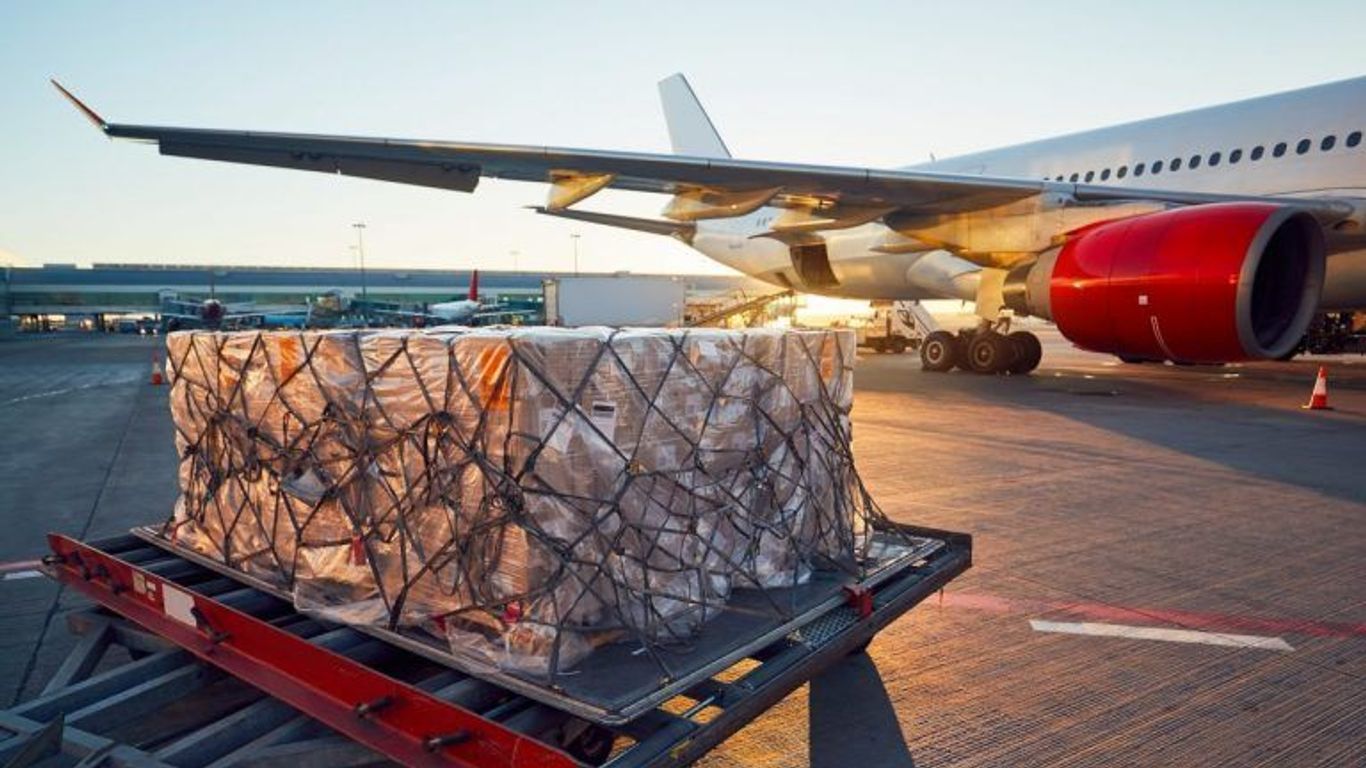
Moving your life across borders isn’t a one-size-fits-all situation. The needs of a young family relocating for work are quite different from those of a retiree settling down in a new country. Understanding these variations helps in choosing the right international moving company and planning your move more effectively. Our move management services are designed to adapt to these diverse requirements, making your transition smoother, no matter your life stage.
International Moving for Families with Children
When you’re moving with kids, the focus shifts beyond just getting your belongings from point A to point B. It’s about minimizing disruption to your children’s lives and ensuring they feel secure during a big change. This often means prioritizing speed for essential items, arranging for familiar comforts to arrive quickly, and having a clear plan for school enrollment and housing.
- Pack a "first night" box: Include essentials like toiletries, a change of clothes, medications, chargers, and some comfort items for the kids.
- Involve children in the process: Let them pack their favorite toys or books in a special box.
- Research schools and childcare: Understand the process for enrolling children in their new location well in advance.
- Plan for immediate needs: Ensure temporary housing is comfortable and that you have access to groceries and basic necessities upon arrival.
Our international move management takes these family-specific needs into account, coordinating with you to ensure that what matters most arrives when you need it. We help manage the logistics so you can focus on your family’s adjustment.
Executive Relocation Planning Tips
For executives, time is often a critical factor, and the move needs to be handled with utmost discretion and efficiency. The goal is a swift transition that allows the executive to resume professional duties with minimal interruption. This usually involves a higher level of service, including dedicated move coordinators and flexible scheduling.
- Prioritize a single point of contact: Having one person to manage all aspects of the move simplifies communication.
- Coordinate with HR and mobility teams: Ensure all corporate policies and benefits are understood and applied correctly.
- Plan for temporary housing: Often, executives need short-term accommodation while permanent housing is secured.
- Consider specialized packing: High-value items, sensitive documents, and office equipment require careful handling.
We provide tailored executive relocation services, focusing on precision and speed. Our move management systems are built to handle complex itineraries and ensure a professional, discreet transition for busy executives. Choosing an international mover is a big step, and for executives, efficiency is key.
Retiring Abroad: Essential Planning Considerations
Retiring in another country is an exciting prospect, but it requires careful planning, especially regarding your possessions. You might be downsizing, selling a home, or shipping a lifetime’s worth of belongings. The focus here is often on cost-effectiveness, long-term storage solutions, and ensuring you bring items that will truly enhance your retirement lifestyle.
- Declutter ruthlessly: Decide what you truly need and want to live with long-term.
- Explore storage options: Consider if you need short-term or long-term storage at your destination or origin.
- Understand import restrictions: Research what you can and cannot bring into your retirement country, especially regarding medications or specific goods.
- Budget for the long haul: Factor in ongoing costs of living and potential future moves.
Our approach to move management for retirees focuses on providing clear cost breakdowns and flexible solutions, like international shipping options that fit your budget. We help you sort through your belongings and plan the most sensible way to transport them, so you can focus on enjoying your retirement.
Evaluating the Cost and Value of International Moving Companies

Figuring out the cost of an international move can feel like a puzzle. It’s not just about how much stuff you have; a lot of things play a role. Understanding these factors helps you get a clearer picture and avoid surprises down the road. Our move management approach focuses on transparency, so you know what to expect.
Understanding Factors That Affect Overseas Moving Costs
Several elements influence the final price tag for your international relocation. Think about the distance your belongings will travel, the volume and weight of your shipment, and the services you choose. For instance, packing services add to the cost, but they can save you a lot of time and hassle. The type of shipping you select also makes a big difference – air freight is faster but pricier than sea freight.
Here are some common cost drivers:
- Distance: The further the destination, the higher the transportation costs.
- Volume/Weight: More items mean more space needed, increasing the price.
- Services: Professional packing, unpacking, storage, and specialized handling all add to the total.
- Shipping Method: Air freight vs. sea freight has a significant cost difference.
- Insurance: Coverage for your belongings is an additional cost but provides peace of mind.
- Destination Fees: Some countries have specific port fees or taxes.
Identifying Potential Hidden Costs
Sometimes, the initial quote doesn’t tell the whole story. It’s important to be aware of potential extra charges that can pop up. These might include fees for navigating narrow streets at your destination, storage if your new home isn’t ready, or charges for items that require special handling. Our move management system is designed to anticipate these, helping you plan better.
Watch out for:
- Accessorial Fees: Charges for services not included in the basic quote, like shuttle services for large trucks or long carries from the curb.
- Storage Fees: If you need to store your items temporarily at either end of the move.
- Customs Duties and Taxes: These vary by country and the type of goods being imported.
- Extended Transit Times: Delays can sometimes lead to additional storage or handling costs.
- Debris Removal: Some companies charge extra for cleaning up packing materials after delivery.
How to Effectively Compare International Moving Quotes
When you get quotes from different companies, don’t just look at the bottom line. It’s vital to compare apples to apples. Make sure each quote details the exact services included, the estimated transit times, and any potential extra fees. A detailed inventory list provided by the mover is also a good sign. Our move management process provides clear, itemized quotes, making comparison straightforward.
When comparing, consider:
- Scope of Services: Does the quote include packing, unpacking, customs clearance, and delivery to your door?
- Transit Time Estimates: Are the timelines realistic for your destination?
- Insurance Options: What coverage is offered, and what are the deductibles?
- Payment Terms: Understand the deposit requirements and when the final payment is due.
- Reputation and Reviews: Look beyond the price to gauge the company’s reliability and customer satisfaction.
Getting multiple, detailed quotes is a smart move. It helps you understand the market and ensures you’re not overpaying for services you don’t need, or worse, underpaying and risking poor service quality. Our goal is to provide a clear, competitive quote that reflects the true cost of your international move, supported by our robust international move management system.
Ensuring a Smooth Transition with Your Chosen Mover
So, you’ve picked your international moving company. That’s a big step! But the work isn’t quite done yet. Getting your belongings from point A to point B across borders involves a lot of moving parts, and staying on top of things is key to avoiding last-minute headaches. Think of it like planning a big trip; you need to know the itinerary, pack right, and be ready for what comes next.
What to Expect During the International Moving Timeline
International moves don’t happen overnight. There’s a process, and understanding it helps manage expectations. Your moving coordinator, if you’re using a move management service, will be your main point of contact, guiding you through each stage. This usually starts with a pre-move survey, followed by packing, loading, shipping, customs clearance, and finally, delivery.
- Pre-Move Survey: This is where the mover assesses exactly what you need to move. It helps them give you a more accurate estimate and plan the logistics.
- Packing and Loading: Professional packers will carefully wrap and box your items. Then, everything is loaded onto the shipping container or air cargo.
- Transit: This is the longest phase, where your belongings travel by sea or air to your destination country.
- Customs Clearance: Your goods arrive at the destination port and go through customs inspection. This can take time depending on the country and documentation.
- Delivery and Unpacking: Once cleared, your items are transported to your new home and often unpacked.
The entire process, from packing to final delivery, can take anywhere from several weeks to several months, depending on the destination and shipping method.
Choosing Between Air Freight and Sea Freight
This is a big decision that impacts both cost and time. Sea freight is generally much cheaper but takes longer. Air freight is faster but significantly more expensive. For most household goods, sea freight is the standard choice because it’s more economical. Air freight is usually reserved for urgent items or very small shipments where speed is the absolute priority.
| Shipping Method | Typical Transit Time | Cost |
|---|---|---|
| Sea Freight | 4-12 weeks | Lower |
| Air Freight | 3-10 days | Higher |
When you work with a move management service, they can help you weigh these options based on your specific needs and budget. They have the experience to know which method makes the most sense for your situation.
Preparing for Delivery and Settling In
Once your shipment arrives and clears customs, the final leg of the journey begins. Your moving company will schedule a delivery date and time with you. Be prepared to be present during delivery to check your inventory list and note any potential damage. Having a plan for immediate needs upon arrival, like essential toiletries and a few changes of clothes, can make a big difference. It’s also wise to have a basic toolkit handy for assembling furniture. Remember, settling into a new home abroad takes time, so be patient with yourself and the process. A good move management partner will help coordinate this final stage, making the transition into your new life much smoother. For more details on how we manage these transitions, you can explore international move management.
The final stages of an international move are just as important as the initial planning. Clear communication with your mover about delivery schedules and being prepared for unpacking can significantly reduce stress. Having a dedicated coordinator to handle the complexities means you can focus on the excitement of starting your new life.
Making sure your move goes smoothly is super important. We help you get ready for the big day with your chosen moving company. Want to learn more about how we make moving easy? Visit our website today!
Ready for Your Next Chapter?
So, picking the right company to help you move overseas can feel like a big deal, and honestly, it is. It’s not just about getting your stuff from point A to point B. It’s about making sure your whole international move goes smoothly, without a ton of extra stress. By doing your homework, asking the right questions, and looking for companies that are clear about their process and what they offer, you can find a partner that makes this huge life change feel a lot more manageable. Remember, a good mover is more than just a service; they’re a key part of starting your new adventure off right. If you’re ready to take the next step, we’re here to help you figure out the details.
Frequently Asked Questions
What exactly does an international moving company do?
An international moving company helps you move your belongings from one country to another. They handle everything from packing your items carefully, getting them transported across oceans (usually by ship or plane), dealing with customs paperwork, and finally delivering everything to your new home. Think of them as your guide and heavy lifter for your global move.
How is moving overseas different from moving within the same country?
Moving overseas is much more complicated. You have to deal with different countries’ rules, called customs, which involve a lot of paperwork and sometimes taxes. The journey is also much longer and involves different types of transport like ships and planes, not just trucks. Plus, you need to be extra careful about what you can and can’t bring into the new country.
What should I ask a moving company before hiring them?
You should ask about their experience with international moves, especially to your destination country. Ask for a detailed breakdown of costs, what services are included, and what isn’t. Also, inquire about their timeline, how they handle insurance, and what happens if something goes wrong. It’s also good to ask about their accreditations or memberships in professional moving organizations.
How do I know if an international moving company is trustworthy?
Look for companies that are part of respected industry groups like FIDI, IAM, or AMSA. These groups have standards that movers must meet. Also, check for reviews from past customers, ask for references, and make sure they provide clear, written estimates. A company that is open about its processes and costs is usually a good sign.
What are customs delays and how can I avoid them?
Customs delays happen when there’s an issue with the paperwork or items being shipped that doesn’t meet the destination country’s rules. To avoid them, make sure you have all the correct documents, like a detailed inventory list and customs forms, filled out accurately. Know what items are restricted or banned in your new country and declare everything honestly.
What’s the difference between moving by air and by sea?
Moving by sea is generally cheaper but takes much longer, often weeks or months. It’s good for large amounts of household goods when time isn’t a major concern. Moving by air is faster, usually just days, but it’s more expensive. It’s better for essential items you need quickly or for smaller shipments.
Leave a Comment