Moving from Canada to Australia: A complete relocation guide
Key Takeaways
Moving across the globe is a significant life event that requires thorough preparation to minimize stress. These five points provide a foundational roadmap for your transition:
- Start your planning at least six months before your departure date.
- Conduct a thorough decluttering to reduce excess weight and shipping costs.
- Create a flexible budget that accounts for unforeseen international logistics fees.
- Familiarize yourself with Australian biosecurity regulations to prevent customs delays.
- Secure professional move management for high-value items and complex transit.
Planning your move timeline
Establishing a structured timeline is the most effective way to navigate the complexities involved in moving from Canada to Australia. You should begin your research well in advance to account for visa processing times, competitive shipping schedules, and the sheer volume of personal administration required. By breaking your relocation into manageable monthly segments, you ensure that no task is overlooked, allowing for a more relaxed transition into your new southern hemisphere environment.
When to start the moving process
Experts typically recommend initiating your planning process at least six to eight months before your intended departure date. This window allows ample room to evaluate long-term residential goals, research expert advice on local requirements, and secure the necessary permits. Getting an early start also helps you coordinate with international relocation specialists who can ensure your timeline aligns with global shipping freight capacity.
Sorting and decluttering your home
Before you gather quotes, physically assessing your belongings is a vital step in maintaining cost efficiency. Because international shipping is often calculated by volume, reducing your load through responsible disposal, donation, or selling will simplify your move significantly. Focus on keeping high-value or sentimental objects while treating bulky furniture as a potential replacement expense rather than a shipping burden.
Creating a budget for your relocation
Developing a realistic budget requires looking beyond the base shipping fee to account for the true total cost of expatriation. Beyond transport, you must factor in temporary housing, initial utility deposits, and the potential for regulatory fees once you arrive. Having a clear international moving company as a partner can provide transparency into these nuances and help you avoid common financial pitfalls associated with cross-continental transit.
Navigating Australian customs and documentation
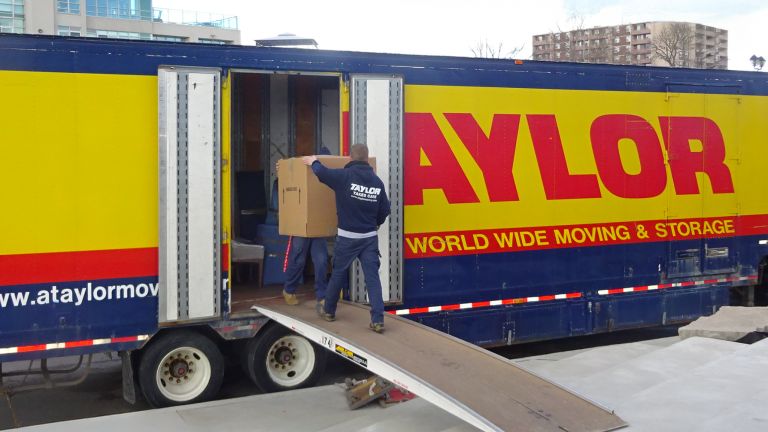
Interpreting the procedural landscape for Australian entry is a critical responsibility that demands your full attention early on. The Australian Border Force maintains a strict mandate, and ensuring your administrative paperwork is prepared with precision will dictate how quickly your assets clear the port. Always prioritize transparency in your documentation to prevent unnecessary inspections or prolonged hold times at the border.
Required import paperwork for household goods
Every shipment requires a detailed inventory and a completed Unaccompanied Personal Effects Statement to facilitate clearance. You will need to itemize your contents thoroughly, which provides customs agents with the data necessary to verify the contents against your declaration. Accurate reporting is the primary tool available to prevent administrative friction throughout the logistics flow.
Restricted items to avoid for Australian entry
Australia enforces some of the world’s most stringent biosecurity laws to protect its unique domestic ecosystem. Prohibited categories commonly include certain plant materials, food substances, and unprocessed animal products that could carry foreign pests or diseases. Failing to declare these items can result in immediate seizure or hefty fines, so scrubbing your inventory for restricted materials is a non-negotiable part of the process.
Understanding quarantine and biosecurity regulations
Once your goods reach an Australian port, they may undergo mandatory inspection to ensure they meet the Department of Agriculture, Fisheries and Forestry standards. Items like outdoor furniture, tools, or gardening equipment must be professionally cleaned to remove any soil contamination before they reach the ocean. Understanding these requirements helps you prepare for the possibility of specialized cleaning or quarantine fees.
Logistics of shipping your belongings
Selecting the right transport method involves balancing transit time against physical safety and overall investment. Whether your goods are destined for a long sea voyage or expedited air transit, the complexity of managing global freight is immense. Reliable logistics allow you to focus on your travel arrangements while the technical details of your shipment handling are managed by industry professionals.
Choosing between air and sea freight
Sea freight remains the standard, cost-effective choice for large household moves due to its capacity for heavy volumes, even if transit takes several weeks. Air freight is reserved for smaller, urgent shipments of essential personal electronics or documentation. Most households prioritize sea shipping but supplement it by air-mailing critical items they need immediately upon landing.
Comparing full container load (FCL) and less than container load (LCL)
| Logistics Type | Ideal For | Typical Volume | Cost Efficiency |
|---|---|---|---|
| FCL Shipping | Large homes | 20-40 ft container | Higher economy |
| LCL Shipping | Small apartments | Shared container | Pay per volume |
| Air Freight | Essentials only | Small parcels | Higher per kg |
Selecting between these modes depends entirely on your total volume and urgency. Choosing a full-service international move often simplifies this decision, as coordinators can recommend the best container layout to maximize your budget.
Protecting your goods with international moving insurance
International transport subjects your belongings to varied temperatures, humidity, and handling environments during long-haul transit. Standard liability can be insufficient, making comprehensive insurance coverage an essential component of your risk management strategy. Investing in a robust policy ensures that damage or loss—while rare when using professionals—is financially mitigated.
Managing specialized relocation needs

Relocating items that fall outside the category of standard household goods requires bespoke logistical planning and rigorous oversight. Because these objects often possess significant monetary or emotional value, they deserve care that goes beyond standard box-and-tape protection routines. If your inventory includes living assets, motor vehicles, or fragile treasures, you need to ensure they are handled by entities experienced in compliant domestic and cross-border transport.
Safely transporting pets to Australia
Moving an animal to Australia is a highly regulated process that requires early veterinary coordination and strict adherence to quarantine protocols. You will typically work with specialized pet shippers who manage the documentation to ensure the animal meets Australia’s stringent requirements upon arrival.
Requirements and logistics for moving a vehicle
Bringing a motor vehicle into Australia requires significant pre-approval and compliance with Australian Design Rules. The importation process is complex and can involve significant storage fees if the vehicle is not properly prepared according to local standards. It is generally advisable to use a professional moving quote to evaluate if local vehicle sourcing is more viable than the costs of importation, tax, and registration updates.
Handling fine art, instruments, and fragile collections
Valuables such as musical instruments, artwork, or antique collections require custom crating and climate-controlled storage solutions to prevent damage from temperature fluctuations. These items often require supplemental documentation to prove their value for insurance and customs filing purposes, ensuring they remain protected from point A to point B.
Settling into your new life in Australia
Settling into a new country involves both practical and emotional adjustments, from securing keys to understanding community norms. Having an ultimate relocation guide helps track the necessary administrative registrations that allow for a seamless transition into daily life. This period is the final stage of your relocation, turning your new house into a home.
Finding temporary versus permanent housing
Most expatriates prefer arranging short-term, fully furnished housing upon arrival to facilitate a search for permanent real estate. This temporary base allows you to explore neighborhoods, verify commute times, and decide where you truly want to settle. Having local support to identify safe and reliable areas is invaluable during this phase.
Understanding the Australian healthcare system
Australia offers the Medicare system for citizens and permanent residents, but many new arrivals must secure private health insurance to fulfill visa obligations. Familiarizing yourself with local clinics and the provider network well ahead of medical needs will help you avoid stress. Always keep your coverage documents accessible alongside your passport and personal identification.
Setting up local banking and administrative services
Essential administrative tasks include setting up an Australian bank account, obtaining a Tax File Number, and registering for municipal services. These services are the pillars of independent living, allowing you to manage salary deposits and recurring expenses effectively. Establishing these records early ensures that your transition feels complete and that you are integrated into the local economy.
Cost factors for your international move
Understanding the variables that dictate moving costs helps you maintain control throughout the entire relocation timeline. Factors such as volume, distance, and current global freight demand all play distinct roles in determining the final price tag for your move. Being transparent with your service provider about your inventory needs will lead to the most accurate estimations available.
Factors influencing the cost of overseas shipping
- The physical volume of goods being shipped via container.
- The specific route and port-to-port distance traveled.
- Seasonal demand that impacts freight capacity and rates.
- The complexity of customs clearance and destination duties.
Each of these points influences the final bottom line, and having a detailed list of these costs allows you to prioritize which items are truly essential to transport versus replacing locally. This list should be carefully reviewed against your relocation plan.
Identifying and planning for hidden moving costs
Many individuals focus solely on shipping fees and neglect costs associated with terminal handling, port inspections, or local pickup charges at the final destination. You should specifically ask about doorway-to-doorway estimates to uncover potential additional fees connected to specialized handling or long driveway navigation. Transparency in these numbers is part of what makes working with a professional move manager reliable.
How to effectively compare international moving quotes
When comparing tenders, ensure each company provides a breakdown of services that covers the exact same scope of work to avoid ‘apples to oranges’ confusion. Prioritize companies that provide clear documentation and have extensive experience in moving residents between Canada and Australia. The best quotes are those that clearly define what is included, such as packing labor, container fees, and customs processing, helping you trust your relocation investment.
Conclusion
Successfully moving to Australia demands rigorous organization, a clear understanding of international logistical chains, and an objective approach to your household inventory. By breaking the move into discrete, manageable phases—from early decluttering and documentation to final setup—you turn a daunting logistical challenge into a structured transition. With expert support managing the transport of your life’s assets, you are well-positioned to enjoy the vibrant culture and natural beauty that await you in your new home.
Frequently Asked Questions
How soon can I take my household goods into Australia?
Personal effects can be imported once you have the appropriate visa and have landed or are in the process of moving to Australia, provided they meet all biosecurity standards.
What is the biggest cause of shipping delays?
Incomplete or inaccurate inventory paperwork is the primary cause of customs delays, often compounded by non-compliance with biosecurity cleaning requirements.
How do I ensure my mover is reputable for international travel?
Look for established companies with specific experience in international routes, documented accreditation from global moving associations, and a transparent approach to providing written quotes.
Can I move a car from Canada to Australia?
Moving a vehicle is possible but requires substantial preparation for Australian safety compliance, which often adds complexity and cost that can exceed the value of the vehicle itself.
What do I need to prepare for my pets prior to moving?
Pet relocation requires a precise veterinary timeline involving microchipping, specific vaccinations, and mandatory testing to ensure your furry companion meets Australia’s import requirements.
Why should I choose sea freight over air shipping?
Sea freight is significantly more cost-effective for whole-home shipments, making it the standard choice for household items despite the longer transit time compared to air travel.
What are the most important documents for customs?
Your most essential documents include a detailed packing list, a clear inventory of all boxes, and your signed Unaccompanied Personal Effects Statement for the Australian Border Force.
Leave a Comment