Moving from Canada to Australia: A complete visa and relocation guide
Key Takeaways
Relocating to Australia involves a structured approach to visa acquisition, customs compliance, and logistics. This guide provides essential insights for a successful move.
- Canadians must identify the appropriate visa pathway based on employment or family status.
- Professional move management ensures that complex logistics, including sea and air freight, are handled efficiently.
- Australian customs and biosecurity regulations require meticulous documentation to avoid delays.
- Relocation costs are influenced by freight mode, distance, and the volume of household goods.
- Settling into a new country involves proactive financial, housing, and administrative planning upon arrival.
Navigating the Australian visa system for Canadians
The process of moving abroad requires a careful assessment of migration options tailored to your specific circumstances. Understanding the legal framework is the first step toward securing your right to live and work in Australia.
Understanding working holiday visas for young professionals
The Working Holiday visa is a popular option for young Canadians looking to explore Australia while working temporarily. This visa classification is designed for individuals between 18 and 35 who want to experience the local lifestyle for a defined period, often up to a year. It remains one of the most accessible routes for those seeking an initial taste of life Down Under.
Skilled migration pathways and permanent residency
Australia maintains a points-based immigration system that prioritizes individuals with skills in high-demand industries. Prospective migrants may qualify for various subclasses, such as the Skilled Independent or Nominated visas, depending on their occupation and qualifications. Engaging with official resources like the beginner guide for Australians moving to Canada can provide context on how shifting professional landscapes influence migration patterns globally.
Employer-sponsored visa requirements
Often, the most secure path to permanent residency involves an established job offer from an Australian employer. Companies acting as sponsors must demonstrate a genuine need for your specific skill set within their operational structure. This route effectively links your legal status in the country directly to your professional role, offering a stabilized transition for many working individuals.
Partner and family visa categories
For those moving with a spouse or dependent children, Australia provides clear, albeit rigid, family migration categories. These visas focus on maintaining the integrity of the family unit, requiring strict proof of relationship and documentation for each family member involved. Navigating these requirements effectively is crucial for a smooth entry, ensuring all family members possess the necessary authorizations before departure.
Planning your residential move from Canada to Australia
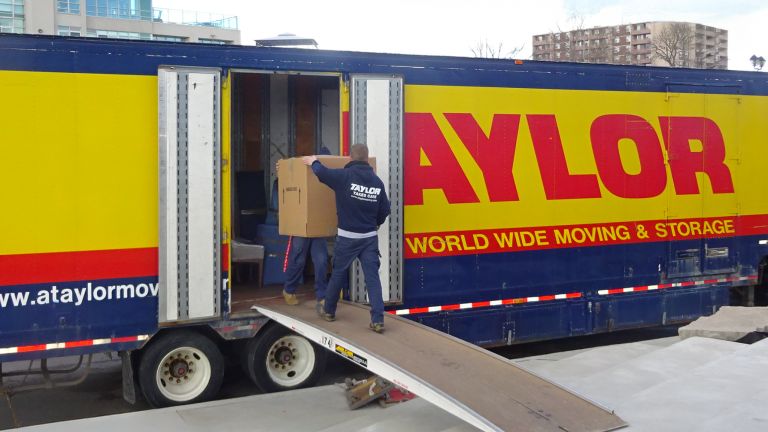
Relocating across oceans requires a higher standard of logistical planning to ensure that personal belongings arrive intact. Whether you are moving a few rooms or an entire estate, the complexity of international transit demands professional coordination.
Selecting a reliable international moving partner
Choosing the right partner is vital when distance complicates the logistical chain. Experts at Taylor International Movers suggest evaluating providers based on their network, communication capabilities, and their ability to handle documentation requirements. A reliable team ensures that the entire international moving process remains transparent from the initial survey to final delivery.
Creating a detailed household goods inventory
An accurate inventory is the cornerstone of a stress-free relocation, as customs officials require a comprehensive understanding of what is entering the country. You must itemize every box and item, noting its content and estimated value. This document serves as the basis for your shipping declarations and insurance coverage during the transit period.
Choosing between sea freight and air freight
Deciding how to transport your items depends on your needs, your budget, and how soon you need your belongings to arrive. Consider these primary differences when evaluating your options:
- Sea freight provides a cost-effective solution for large volumes of household goods over several weeks.
- Air freight is significantly faster, making it ideal for essential items required immediately upon arrival.
- Consolidated shipping options can reduce costs for smaller, non-urgent shipments through sharing container space.
- Transit times for sea freight are highly dependent on global shipping schedules and port congestion.
Understanding these variables will allow you to tailor your international move strategy effectively, balancing cost against your personal requirements.
Understanding the international moving timeline
Establishing a schedule allows you to manage expectations regarding the arrival of your household goods. Initial planning begins months in advance, involving home surveys and booking freight capacity, followed by the actual packing and port handling. Staying ahead of these milestones ensures that your household goods clear customs and reach your new home with minimal delay.
Understanding Australian customs and import regulations

Australia maintains one of the strictest customs and biosecurity protocols in the world to protect its unique environment. As such, familiarity with allowed and restricted items is essential for every migrant.
Prohibited and restricted items for import
Strict controls are in place for goods that could introduce foreign pests or diseases to the Australian ecosystem. Items must be declared, and many may be confiscated if they do not meet the stringent standards set by authorities. The following table highlights common categories that require attention during your planning.
| Item Category | Status | Requirement |
|---|---|---|
| Fresh Produce | Prohibited | Dispose before travel |
| Wooden Artifacts | Restricted | Must be treated/clean |
| Animal Products | Restricted | Inspection required |
Careful examination of your possessions will help you avoid costly fines and significant customs delays at the point of arrival.
Documentation required for personal household goods
Proper paperwork is the engine of a successful international move. Migrants must provide detailed packing lists, proof of residency, and official clearance declarations to customs brokers. Preparing these documents in advance significantly reduces the risk of long-term storage fees or shipment hold-ups at the border.
Assessing biosecurity and quarantine protocols
Biosecurity officers inspect residential shipments for seeds, dirt, and invasive flora or fauna. All outdoor equipment, including garden tools and camping gear, must be professionally cleaned and decontaminated before being packed. Ensuring these items are spotless is not just an administrative burden but a legal requirement for entry.
Duty-free allowances for migrants moving to Australia
Most personal items and household goods that you have owned and used for at least twelve months may qualify for duty-free entry into Australia. You must provide evidence of ownership duration to benefit from these exemptions. Failure to substantiate these details could result in applicable taxes being levied against your personal property.
Managing relocation costs and financial preparation
Overseas relocation involves a significant investment, making a budget a critical component of your transition plan. By breaking down costs early, you can avoid financial strain during your first months abroad.
Factors that influence the cost of your international move
Total moving expenses are primarily driven by the volume of goods, the distance between homes, and the level of service chosen. Additional costs often arise from customs clearance fees, insurance premiums, and specialized handling requirements for delicate items.
How to compare international moving quotes accurately
When collecting estimates, ensure you are comparing like-for-like services and exclusions. A low initial quote may not include port handling or inland delivery in Australia, which can lead to unexpected surcharges. Always request detailed breakdowns for every get a quote request to find the most accurate total cost.
Accounting for hidden costs of moving overseas
Unexpected expenses often emerge in the form of currency fluctuations between CAD and AUD, storage fees, or unplanned quarantine inspections. It is prudent to maintain a financial buffer to cover these variances, ensuring your move remains securely funded throughout the process.
Financial planning for your first months in Australia
Beyond shipping costs, residents often face high upfront housing expenses, such as security deposits and utility connections. Developing a local budget before arriving helps you navigate the cost differences between Canadian and Australian markets, providing a foundation for your new life.
Settling into life in Australia
Transitioning into a different country involves more than just a change of address; it requires adapting to a new community and culture. Success in this area is personal and depends on your proactive engagement with local services.
Finding housing and neighborhoods in major Australian cities
Australian housing markets are dynamic, and competitive renting environments are common in urban centers like Sydney and Melbourne. Utilizing online platforms and consulting with local agents will provide insight into neighborhood accessibility, commuting, and amenities that fit your lifestyle.
Navigating the Australian healthcare system
The public system, known as Medicare, provides essential coverage for citizens and permanent residents. Understanding your eligibility and the role of supplementary private insurance will ensure that you have consistent access to providers as you settle in, providing stability for your health needs.
School registration and education for families moving abroad
For families, identifying the right schooling options early is a priority. Australia offers a robust selection of government and private schools, requiring registration well in advance of the academic year. Researching local catchments or enrolling in private institutions should begin before you even step off the plane.
Essential administrative tasks to complete upon arrival
Shortly after arrival, you must prioritize mundane yet critical tasks like obtaining a tax file number, opening a local bank account, and updating your driver’s license. These administrative milestones allow you to participate fully in the workforce and society, transforming your arrival into a permanent residency.
Specialized moving requirements for families and individuals
Planning for pets and sensitive items adds another layer of complexity to your relocation, often requiring specialized logistics partners. Approaching these requirements with extra time and care ensures that no detail is overlooked.
Coordinating safe pet relocation to Australia
Australia has specific health and vaccination requirements for pets, with mandatory quarantine periods often applicable for certain countries. Consulting with an expert pet transport service is necessary to navigate the complex health certificates and permit applications required to move your animal companion safely.
Shipping vehicles and specialized household equipment
Shipping a vehicle involves strict compliance with vehicle safety and emission standards, which can be prohibitively expensive to modify after arrival. It is often evaluated carefully against the cost of buying a vehicle locally. Similarly, specialized equipment should only be moved if it is compatible with local plumbing or electrical grids.
Managing the logistical impact of moving for families
Moving is often stressful for children or aging relatives, requiring a focus on emotional preparation alongside physical logistics. Ensuring that personal items, daily routines, and favorite entertainment materials are prioritized can help maintain stability during the transition period.
Protecting high-value and sentimental items throughout transit
High-value belongings, such as fine art or collections, require customized crating and premium shipping protection. Discussing these specific items with your movers early allows them to provide appropriate transit insurance and expert handling services to minimize risk during your significant move.
Conclusion
Relocating from Canada to Australia is a transformative journey that rewards thorough planning and professional support. By managing your visa, customs requirements, and moving logistics with expert guidance, you can shift your focus from the complexity of the move to the excitement of your new life abroad.
Frequently Asked Questions
How long does it usually take for shipping from Canada to Australia?
Sea freight typically arrives within 8 to 12 weeks, depending on the route and port processing, while air freight can take between 1 and 2 weeks.
Are my personal household goods subject to Australian duty taxes?
Generally, used household goods that have been in your possession for at least twelve months are eligible for duty-free entry, provided they meet biosecurity standards.
Do I need a specific visa to look for work in Australia?
Yes, you must hold an valid visa that permits working rights before you are legally allowed to accept employment or conduct job interviews in the country.
Can I transport my own car when moving to Australia?
This is possible but may require costly modifications to meet local safety standards; you should check the Department of Infrastructure website before shipping.
How are health services accessed by new migrants?
Most permanent residents gain access to Medicare upon arrival, though many also opt for private supplementary insurance for broader coverage and faster access to specialists.
What is the most important step in the customs clearance process?
Having a comprehensive and accurate packing list, paired with the correct residency documentation, is essential to expedite the clearance of your personal shipment.
How can I prepare myself for the cost of living in Australia?
Researching rental prices, utility averages, and grocery costs in your target city prior to your move will help you develop a realistic financial plan for your first several months.
Leave a Comment