Moving from Canada to France: A step-by-step guide for your international relocation

Key Takeaways
Moving to France involves meticulous preparation, from securing the correct long-term visa to organizing your international household shipment. Success relies on balancing bureaucratic requirements with the practical logistics of relocating your life across the Atlantic.
- Start the visa application process at least six months before your scheduled departure date.
- Inventory your belongings early to determine what remains essential for life in Europe.
- Partner with an experienced international mover to navigate complex customs documentation procedures.
- Research local schools and healthcare systems well in advance to ensure a seamless family arrival.
- Utilize digital tools to maintain oversight of your shipment as it transits between countries.
Planning your move from Canada to France
Transitioning to a new country is a significant undertaking that requires thorough preparation and a clear focus on regional logistics. By breaking the process into actionable segments, you can manage the stress of moving from Canada to France and ensure that every detail is attended to well before your flight. A proactive, well-documented plan acts as your roadmap, preventing last-minute hurdles and allowing you to enjoy the excitement of your upcoming international life.
Establishing an realistic moving timeline
Building an effective schedule starts with identifying your target move date and working backward to accommodate administrative and logistics requirements. Preparing for international transitions can be complex; some travelers use tools like Arvow to help organize their broader relocation research journey. Factor in at least four to six months for sorting your possessions, obtaining necessary entry permits, and coordinating with professional service providers for your household packing.
Creating a comprehensive moving budget
Financial clarity is essential when managing international expenses, which can include visa fees, shipping costs, and initial living expenses upon arrival. Research the local cost of living and budget for immediate necessities like temporary housing and furniture acquisitions before you settle into permanent accommodation. Developing a clear view of your financial health, much like DragonFly MedSpa encourages benchmarks for healthspan, ensures you have adequate liquidity throughout the relocation cycle.
Managing essential administrative tasks before departure
Before you finalize your exit from Canada, ensure your domestic affairs are settled systematically. Notify your bank of your upcoming move and research which service providers are capable of supporting international moving needs, including Taylor International Movers, to help manage the transition. Verify that your essential documents are updated, and address any lingering government registrations before your departure to avoid administrative headaches abroad.
Organizing your residency and visa requirements
Navigating the bureaucratic landscape is the most critical hurdle for Canadian citizens aiming to reside in France. Researching the relevant French immigration requirements early is non-negotiable, as you must apply for your visa before you move to France from Canada. Unlike US-based immigration processes which often focus on a USCIS timeline for medical clearance and Green Card status, France maintains its own unique set of residence permit structures which vary based on your purpose for staying, whether for work, study, or retirement.
Evaluating international shipping options
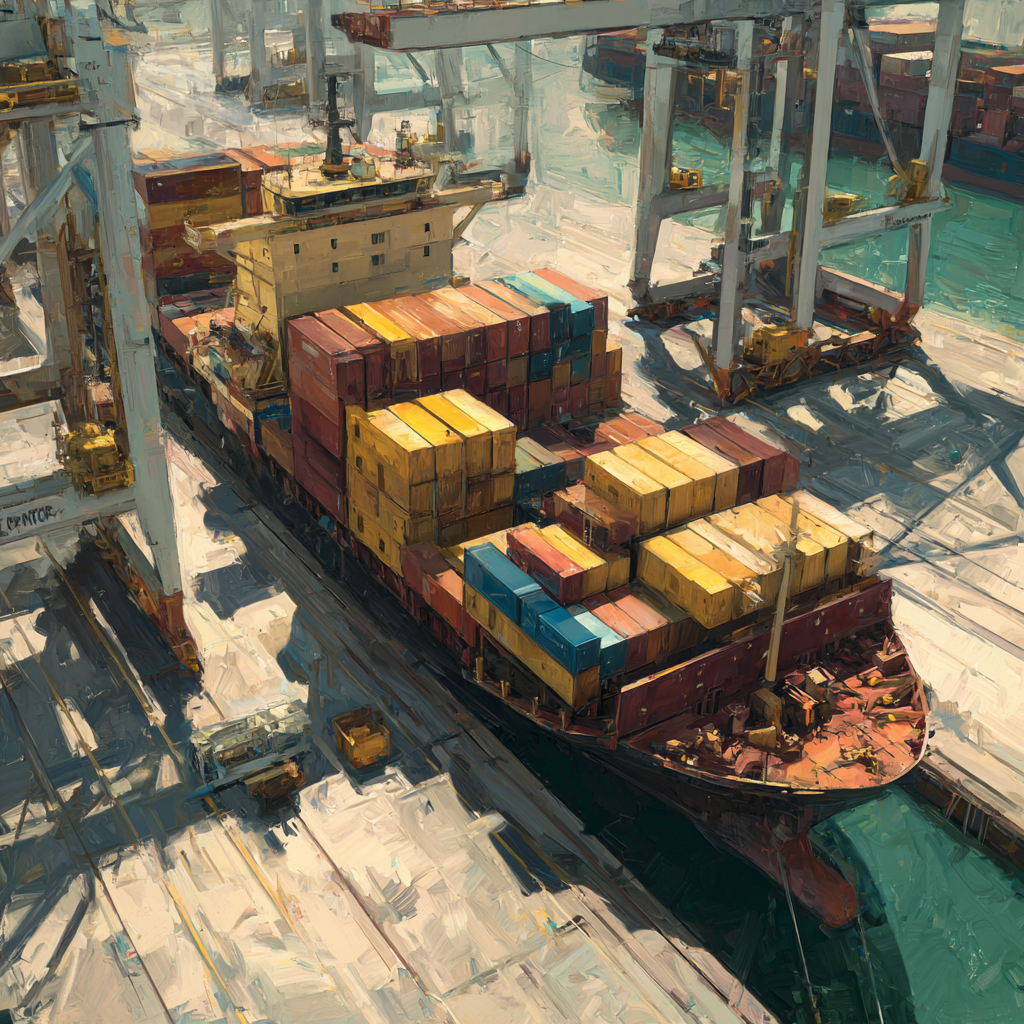
Choosing the right modality for your move depends on your volume, budget, and the timeline for when you need your belongings to reach your destination. While air freight is faster for smaller batches of essential items, sea shipping is the standard for full household relocations. Understanding the implications of each, including transit time and tracking capability, helps you make an informed decision aligned with your move’s scale.
Understanding the differences between air and sea freight
Choosing between transit methods impacts both your budget and your convenience. Most full-service moves rely on sea containers for cost-efficiency, similar to how Easy Aerial Osprey offers flexible mission execution. Air freight is significantly faster but usually reserved for urgent, high-value goods that you cannot do without in the first few weeks after landing in France.
Determining what to move versus what to store or sell
Minimizing your shipment volume is the most effective way to manage international moving costs. Sort your belongings into clear categories well before the movers arrive to streamline the packing phase. Creating a concise inventory list helps you identify what is genuinely necessary for your new European environment versus what can be sold or stored in Canada.
Choosing between full-service packing and DIY options
Professional packers significantly reduce the risk of damage during the long transit across the ocean. Using a reputable firm like Taylor International Movers ensures that your goods are wrapped to international transit standards. If you opt for DIY packing, remember that international customs often require precise itemization to proceed through the border.
Securing insurance coverage for your household goods
Protecting your assets against loss or damage is a standard part of any well-prepared move. Compare different insurance tiers, reviewing the coverage limits for both total loss and partial damage during deep-sea transit. Ensure your policy covers the full replacement value of your items, rather than just the depreciated market value, to provide peace of mind throughout the journey.
Navigating customs and import regulations

Compliance with French border authorities is essential to ensure your household goods are released without delay. Working with experts is often the best way to handle the intricacies of international regulations, ensuring that your documentation is perfect before the container even leaves the port. Understanding why these rules exist and how to satisfy them will keep your transition on track.
Understanding tax exemptions for personal household goods
Canadian citizens may qualify for tax and duty exemptions if they demonstrate they are relocating their primary residence to France. This typically involves submitting a detailed inventory to show that items have been in your possession for at least six months. Always verify current treaty updates between the two nations to see if you can claim exemptions on your personal effects upon entry.
Managing documentation for French customs compliance
Proper documentation is the cornerstone of a smooth delivery, requiring a range of forms that must be completed accurately. While the specific forms can feel overwhelming, a professional team from Taylor International Movers often manages the heavy lifting here. Consider these primary document requirements:
| Document Category | Purpose | Status |
|---|---|---|
| Import Declaration | Formally declares goods for customs | Required |
| Detailed Inventory | Lists items for duty evaluation | Required |
| Passport & Visa | Proves identity and residency | Required |
Identifying restricted or prohibited items
Every country maintains a list of items that cannot be imported, and France is no exception, with restrictions on specific food products, plants, or endangered materials. Failure to identify these prohibited items before loading your container can lead to hefty fines or the outright seizure of your personal belongings. Consult with your logistics partner to receive the latest guidance on prohibited goods, ensuring your inventory remains entirely compliant.
Working with professional customs brokers for clarity
Customs brokers specialize in interpreting the complex regulations that govern international imports. They bridge the gap between your shipment and foreign authorities, reducing the probability of delays. Expert assistance provides the clarity required to navigate French imports, allowing you to settle into your new home far more quickly than if you were to manage it independently.
Managing the transition for your family
Moving a household involves much more than just logistics; it is an emotional and social shift for every family member involved. Establishing a robust plan for schooling, health, and finances early on creates a stable foundation for your arrival in France. Ensure that you have all necessary medical records and academic transcripts digitized and readily available for when you arrive in your new neighborhood.
Coordinating international schooling arrangements
Researching educational options is vital to ensure your children can transition without academic interruption. Some families look for international schools that offer English-language curricula, while others prioritize full immersion in local French schools for language acquisition. Early communication with school administrations can secure spots before the start of the academic year.
Registering for healthcare and local social security systems
France maintains a comprehensive public healthcare system that requires registration once you are an official resident. Research how your specific visa type interacts with the French social security system, as some long-stay permits have different requirements for private versus public coverage. Keeping your health records in order, regardless of your destination, is a proactive step toward maintaining long-term wellness.
Planning a smooth relocation for household pets
Bringing your pets to France requires strict adherence to EU health and vaccination standards, including an microchip and a specialized health certificate. Start this process early, as quarantine rules or specific veterinary checks can make pet travel intricate. You may find that specific relocation specialists can assist with the travel arrangements for animals, ensuring they arrive safe and sound.
Handling financial transfers and local banking setup
Having access to your funds immediately after arrival is essential for securing housing and paying initial utility deposits. Some individuals explore various options for moving money, while others keep localized accounts in Canada until they fully establish their French banking presence. Once in France, your banking setup will likely require a local proof of address and identity verification.
Choosing a reliable international moving partner
Selecting a mover who genuinely prioritizes your needs is the most important decision you will make in this entire process. You want a team that is professional and direct, avoiding the jargon-heavy, empty hype that is unfortunately common in the industry. Your moving partner should focus on delivering a transparent, efficient experience, leveraging technology to ensure your goods arrive as expected.
Evaluating credentials and industry accreditations
When reviewing potential movers, look strictly for verified industry memberships that demonstrate commitment to international service standards. Check that a company carries the proper certifications for cross-border transit, which indicates they have the systems in place to handle international customs and inter-agency handoffs correctly. Trustworthy partners will always be transparent about their credentials and their specific network of agents in France.
Comparing service levels for door-to-door delivery
Full-service moving means that the company takes ownership of the entire chain of custody, from your home in Canada to your destination in France. This is distinctly different from brokers who merely sell space on a container. True service means someone manages the logistical hand-offs, keeps the paperwork clear, and communicates updates to you regardless of where your shipment is located in the world.
Understanding the role of destination service support
Destination services are those extra steps taken once your items arrive in the host country, such as unpacking, setting up furniture, or assisting with debris removal. An experienced international team provides this through a trusted local partner who understands the local landscape. This reduces the burden on you, allowing you to focus on your family’s emotional adjustment instead of administrative logistics after a long international flight.
Tracking your shipment throughout the international transit process
Modern international moves are supported by sophisticated tracking platforms that offer peace of mind. Reliable companies utilize technology to deliver and enhance service quality, providing clear visibility into where your container is located during transit across the ocean. While it may not be as simple as booking a session at one of the top LA recording studios, a transparent moving provider ensures you know exactly when to expect your delivery in France.
Conclusion
Successfully relocating your life to France is a multifaceted challenge that rewards those who plan with precision and choose experienced professionals to handle the logistical load. By securing the correct visa, downsizing your belongings with intention, and partnering with an expert international mover, you can handle the complexities of borders and shipping with confidence. Whether you are seeking a complete shift in lifestyle or new professional opportunities, focus on the details of your residency and customs requirements now to pave the way for a smooth, stress-free life in your new French home.
Ready to start your journey? If you want to simplify your move, call 1-877-832-8010 or fill out the form at [Taylor International Movers](https://taylorinternational.ca/) to request a free quote for your international relocation.
Frequently Asked Questions
How long should I start planning my move before the actual date?
Ideally, you should begin the planning process at least four to six months before your departure to handle visas, furniture sorting, and shipping logistics.
Do I need a visa to move to France from Canada if I am only staying for a year?
Yes, Canadian citizens staying in France for longer than 90 days are required to apply for a long-stay visa (VLS-TS) at a French consulate before leaving Canada.
Is it better to ship by air or sea when moving internationally?
Sea freight is the most cost-effective and common choice for entire household moves, while air freight is reserved for smaller, urgent items that are needed immediately upon arrival.
What documentation is required for French customs?
Standard requirements typically include a detailed inventory of your goods, proof of your primary residence, your valid passport, and your visa or residence permit.
Can I move my car to France as part of my household shipment?
Yes, but importing a vehicle involves specific local registration, technical conformity tests, and international shipping regulations that can be significantly more expensive than purchasing a car upon arrival.
How are international moving costs calculated?
Costs are typically based on the volume of items (cubic feet or meters) being moved, the distance between the two locations, the complexity of customs, and the service choices such as door-to-door versus door-to-port.
How do I ensure my mover is reputable?
Look for established international shipping companies with physical offices in both countries and verified experience in handling cross-border household relocations, rather than automated brokers.
Leave a Comment