Moving from Canada to New Zealand: A comprehensive relocation guide
Key Takeaways
Moving to New Zealand requires meticulous preparation, integrating visa acquisition with clear logistical planning. This article outlines the essential steps for a successful transition and long-term settlement.
- Start your international planning process at least six to nine months before your departure date.
- Secure the appropriate visa category based on your skills, job offer, or specific residency pathway.
- Engage a professional firm to manage documentation, biosecurity compliance, and fragile shipments.
- Inventory your personal items and familiarize yourself with New Zealand’s strictly enforced biosecurity regulations.
- Establish your legal, financial, and healthcare systems early to minimize stress upon landing in a new country.
Planning your international move
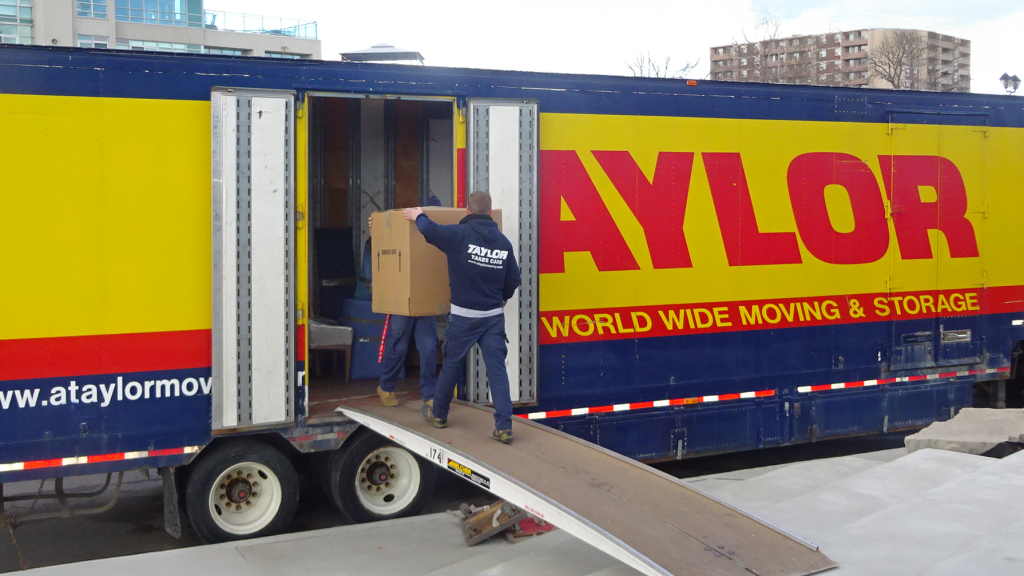
Moving across the globe is a complex endeavor that requires a steady approach and expert guidance. When you begin moving from Canada to New Zealand, managing every logistical detail can feel overwhelming without professional assistance. Taylor International provides the necessary global relocation services to ensure your household belongings are handled with precision from departure in Toronto to arrival in your new home abroad. Establishing a firm foundation early in the process creates the time required to address unforeseen challenges and ensures that each phase of your transition remains on schedule.
Creating a realistic moving timeline
An effective relocation relies on a structured schedule that accounts for every mandatory action item. Begin by setting a target departure date and counting backward to determine the deadlines for visa applications, selling or renting your primary residence, and booking your international logistics provider. Allocating sufficient time for securing necessary documentation and arranging transit helps avoid the last-minute stress often associated with global transitions.
Budgeting for your relocation expenses
You must account for a wide variety of costs, from international shipping fees to initial housing deposits. When planning your financials, consider taxes, potential currency fluctuations, and the cost of establishing a new household upon arrival. It is often helpful to categorize expenses as either fixed or variable to better manage your cash flow during the transition.
| Expense Category | Description | Priority Level |
|---|---|---|
| Shipping Logistics | Sea vs Air freight costs | High |
| Immigration Fees | Visa processing and legal aid | High |
| Temporary Housing | Initial lodging until permanent setup | Medium |
| Insurance Premiums | Coverage for personal household items | Medium |
| New Household Setup | Utility deposits and local essentials | Low |
After mapping your initial costs, revisit your budget quarterly to adjust for any changes in your specific needs, such as shifts in the global transit market.
Selecting a reliable international moving partner
Choosing the right partner is vital for a smooth transition, as a professional provider handles the complexities of international regulations and transport. A qualified team evaluates your needs, identifies potential risks, and provides you with essential checklists to keep your move organized. By relying on experienced industry experts, you gain the assurance that your high-value belongings will receive proper care throughout every step of their journey.
Breaking down the pros and cons of air versus sea freight
Deciding between transit methods depends on your specific timeline and volume of household effects. Sea freight is generally the most economical choice for those with a significant amount of furniture and household goods, though it involves longer transit times. Air freight offers unparalleled speed but at a higher cost, making it better suited for smaller, essential items needed upon arrival.
Understanding New Zealand immigration requirements

Navigating the immigration system is perhaps the most critical component of your transition after you decide on moving from Canada to New Zealand. Each visitor must carefully evaluate their situation against national standards to ensure a legal and stable arrival. For those seeking pathways, exploring an immigration guide for Canada helps clarify the requirements for visas, work permits, and residency applications. Being prepared means having your documents organized, your health checks in order, and a clear understanding of your long-term objectives in your new country.
Navigating visa categories for Canadian citizens
Canadian citizens have several options when considering a move to Aotearoa, ranging from work visas to residency pathways. Whether you are aiming for a skilled migrant visa or a working holiday program, the criteria evolve frequently to suit the local labor market. Understanding your eligibility is the first step toward submitting a successful application and securing your position in the country.
Documentation needed for residency applications
Your application packet should be complete and accurate to avoid delays or rejection by the authorities. Common requirements include proof of professional experience, identity verification through passports, and evidence of financial stability to ensure you can support yourself initially. Gathering these records well in advance and keeping them in a designated, secure folder is an essential practice for any applicant.
Meeting health and character requirements
New Zealand enforces strict health and character standards to preserve the safety of their communities. Applicants may need to undergo comprehensive medical screenings or provide background checks from every country they have resided in over the past several years. These assessments are standard, yet they provide vital peace of mind for the immigration authorities and demonstrate your commitment to a smooth entry.
Understanding the path to permanent residency
Moving toward permanent status often starts with holding a valid work permit while contributing to the local community. By securing a professional relocation plan that aligns with your career goals, you can navigate the transition between various temporary status updates. Consistency in employment and maintaining a good standing within the local record-keeping systems will eventually open doors to higher-level residency status.
Customs and import regulations for personal belongings
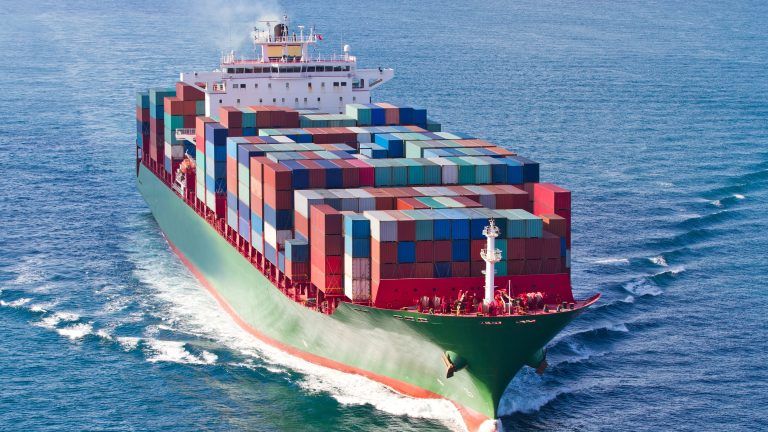
Customs clearance processes ensure that all items entering the country comply with regional biosecurity and trade laws. Preparing your belongings requires an appreciation for the details of international moving companies and how they facilitate the transition of personal effects. When you prepare your inventory, you assist officials in accurately assessing the nature of your goods and ensuring your shipment proceeds without interruption.
Managing household goods and personal effects entry
To move your belongings successfully, you must provide a detailed inventory list categorized by content and estimated value. Taylor International utilizes robust move management solutions to organize these inventories efficiently, reducing the chance of mislabeled packages. Your provider will guide you through the declarations required for personal items, ensuring everything is accounted for accurately before it hits the port.
Prohibited and restricted items to avoid
Strict regulations exist to prevent the inadvertent introduction of pests, diseases, or environmental hazards into the island nation. You must avoid shipping items that may trigger flagged inspections or confiscation, as common household goods can sometimes fall into these categories if they are not cleaned correctly or lack required certifications.
- Fresh produce or untreated plant materials
- Unsterilized soil or gardening equipment with dirt residues
- Certain animal products including food with meat ingredients
- Restricted medicines or undocumented chemical compounds
Reviewing these rules carefully helps you streamline your packing process and prevents significant headaches during the customs arrival stage.
Clearing biosecurity inspections for your items
Every shipment typically undergoes a biosecurity audit to confirm compliance with national standards. These officials look for hidden risks, especially in outdoor items like bicycles, camping gear, or footwear that may harbor soil organisms. Ensuring that every item is thoroughly deep-cleaned prior to the movers arriving significantly reduces the risk of your container being held for costly inspection or quarantine.
Completing mandatory customs documentation
There is no room for error with your paperwork, as customs officials require precise data to process your clearance. From detailed packing lists to declarations of value, every form serves a specific purpose in protecting trade integrity. Rely on your service provider to manage the filing process, allowing you to focus on the personal aspects of your move.
Logistics for specialized shipments
Moving specialized assets like vehicles or collectibles requires a refined approach to security and transport. While household goods are straightforward, items that have high financial or sentimental value often need additional insurance and handling protocols to ensure their safety. If you have fragile items that require medical-grade handling, remember that resources such as pain relief centers exist domestically to keep you healthy, just as specialized movers exist to keep your valuables intact.
Shipping vehicles from Canada to New Zealand
Importing a car requires adhering to specific emissions and safety standards that may differ significantly from North American requirements. Before you ship your vehicle, confirm that the make and model meet the local compliance rules, as the cost of retrofitting or certification can be substantial. You may need to provide proof of ownership and a history of maintenance to verify the vehicle’s safe operating status for the local transport agency.
Relocating pets under stringent biosecurity regulations
Moving pets involves a complex set of veterinary requirements, including specific vaccinations and microchipped identification protocols. Since pets are living family members, you must ensure their health records are up-to-date and have undergone any necessary quarantine periods demanded by local law. Start this planning early to coordinate with animal transport experts who specialize in moving animals across international borders.
Protecting fine art and fragile collectibles
High-value items, such as original paintings, antique furniture, or heirloom ceramics, require custom crating and climate-controlled environments. These pieces are often unique and irreplaceable, making the choice of carrier crucial. Ensure your chosen company has experience in packing fragile goods with specialized cushioning, humidity control, and shock-absorbent containers that maintain safety during transit.
Determining insurance coverage for high-value items
Beyond standard shipment insurance, it is wise to secure a premium policy that covers the full appraised value of your specialized assets. Document the condition of each item with clear photographs before it is packed. If you are ever unsure about the adequacy of your policy, consult with an independent insurance professional to ensure you have protection against all potential transit risks.
Settling into life in New Zealand
Arriving in a new country brings a mix of excitement and the immediate need to master local systems. Once you have moved your belongings, the focus shifts toward integrating into your community, which is informed by advice for relocation and local cultural insights. Having a strategy for the first few weeks makes a tremendous difference in how quickly you feel at home.
Finding initial housing in major cities
The rental market is competitive, particularly in major centers like Auckland, Wellington, or Christchurch. Many newcomers opt for short-term, furnished rentals while they explore different neighborhoods to see which area offers the best quality of life for their families. It is sensible to research the transit connections, local schooling, and proximity to your workplace before committing to a long-term lease.
Navigating the local banking and finance systems
Setting up a local bank account typically requires residency status or a valid work visa alongside proof of address. Having an account established early is essential for paying utilities, receiving a salary, and managing day-to-day costs in the local currency. You may also want to investigate currency conversion tools to help you transfer funds from your home country with minimal friction or unfavorable exchange rates.
Registering for healthcare services as an expat
New Zealand offers a robust public health system; however, understanding where you fit as an expat is important. You will need to determine if you are eligible for the national health system or if you should maintain a private health insurance policy to cover specific needs. Registering with a local general practitioner soon after your arrival is a proactive way to ensure continuity of care for your family.
Planning for educational and childcare needs
If you have children, selecting the right school or preschool is often the highest priority for your transition. Research local school zones and the types of institutions, such as private, public, or integrated schools, that align with your family’s educational priorities. Many schools have specific intake processes for international families, so contacting them directly well in advance can help manage the transition safely.
Adapting to the local cost of living and taxation
Understanding your tax obligations is a critical aspect of being a resident, as you will need to comply with local authorities regarding your global income. Additionally, the daily cost of living—including groceries, energy, and transportation—may differ from what you are used to in North America. By adjusting your budget within the first few months, you can better plan for your long-term success and minimize any unforeseen financial stresses.
Conclusion
Successfully moving to a different country is a multifaceted endeavor that reflects your commitment to personal growth and new beginnings. By focusing on detailed preparation—from securing visas to coordinating complex logistical chains—you create the space for a smooth transition. Relying on professional resources and staying informed about individual requirements helps to demystify every stage of the process. With early planning and a flexible mindset, you will soon find yourself comfortably settled within your new community, fully prepared to embrace the unique experiences and opportunities that wait for you.
Frequently Asked Questions
What is the best way to move to New Zealand from Canada?
The best approach involves combining an early-stage visa assessment with professional logistics management. Start by checking your eligibility via official government portals and securing a reputable moving partner to handle the transport of your personal effects.
How early should I start planning my move?
Ideally, you should begin the planning process at least six to nine months in advance. This timeframe allows sufficient room to manage visa processing times, sell or store your property, and ensure your logistics provider has enough lead time to coordinate your move.
Are there specific visa categories for skilled workers?
Yes, the Skilled Migrant Category uses a points-based system to attract workers with expertise in high-demand fields. Applicants must demonstrate their skills, receive a job offer from an accredited employer, and meet the specific criteria outlined by immigration officials.
How does biosecurity affect what I can bring?
New Zealand has highly stringent biosecurity rules designed to protect its native environment. You are strictly prohibited from bringing in unauthorized soil, certain types of food, and plant materials that could harbor pests, requiring careful cleaning of all outdoor gear.
Is it worth shipping my car?
Shipping a vehicle is a major logistical and financial commitment, and you must confirm that your specific model meets local certification and compliance regulations. For many, selling the vehicle in Canada and purchasing a new one locally is often more cost-effective.
What documents will I need for my arrival?
You will need a valid passport, your approved visa stamped or letter of authorization, and complete manifests for all household goods. Keeping digital and physical copies of these items in your carry-on luggage ensures you have them ready for port authorities.
How can I make my children feel comfortable in the new country?
Focus on maintaining consistent routines during the move and involve them in selecting their new neighborhood or school if possible. Identifying local activities, after-school clubs, or community sports is a great way for them to connect with peers and find a sense of belonging.
Leave a Comment