Moving from Canada to Scotland: A comprehensive guide for your relocation
Key Takeaways
Moving to a new country requires careful preparation, clear documentation, and a reliable partner to handle the complexities of international logistics. These key steps will help you organize a smooth transition from your Canadian home to the landscapes of Scotland.
- Start your planning process at least six months before your desired departure date.
- Secure a professional international mover to navigate complex customs and freight requirements.
- Create a comprehensive inventory of household items to ensure accurate insurance and transit planning.
- Research visa requirements and local housing markets early to minimize arrival stress.
- Budget for additional costs such as professional packing, specialized transit, and initial setup in a new country.
Planning your move from Canada to Scotland
Transitioning across the Atlantic requires more than just booking a flight; it involves harmonizing your logistics to ensure your life arrives with you. When you are moving from Canada to Scotland, the journey starts with understanding the unique geographic and cultural requirements of your destination. Professional support from a firm like Taylor International can transform an overwhelming list of tasks into a structured, manageable plan that keeps your belongings moving forward steadily.
Creating a realistic relocation timeline
A move of this scale is best initiated six months in advance to account for visa applications, lease cancellations, and the physical sorting of your property. Establishing this window allows for a buffer should documentation processes experience unexpected delays or if shipping schedules shift due to international transit volume.
Evaluating international moving service options
Not every mover manages long-distance transit with the same level of care and regulatory expertise. For a successful transition, search for partners who specialize in residential overseas relocations and possess an understanding of European customs. As described in this international moving guide, selecting a provider that integrates technology for tracking and data analysis will allow you to maintain transparency throughout the transit duration.
When to book your international movers
Booking your moving team at least three to four months before your move date is critical to securing your preferred shipping slot. Early booking ensures that your mover has sufficient lead time to manage the specific logistical requirements for UK entry. Relying on an expert ensures that overseas moving services are fully aligned with your specific timeline and cargo needs.
Managing the logistical and emotional aspects of moving
Relocation is as much a mental transition as a physical one, and acknowledging this is vital for your well-being. By delegating complex logistical hurdles—such as international freight coordination—to a global relocation specialist, you can better focus on the emotional aspects of saying goodbye to your local community and preparing your family for their new life abroad.
Managing the costs of an international relocation
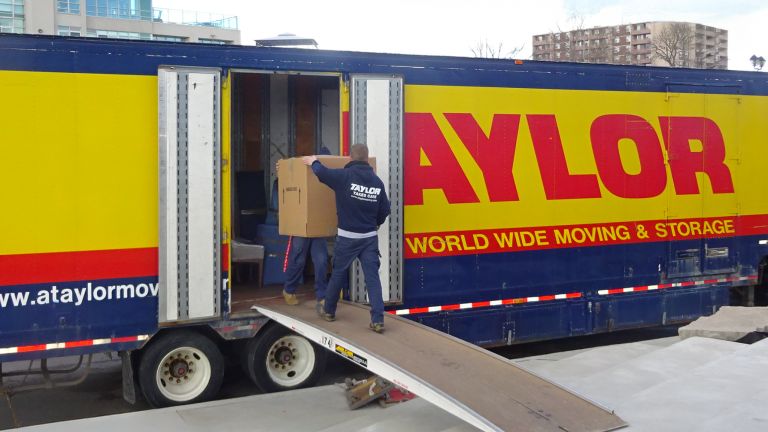
Budgeting for an international relocation involves more than just a transit quote; it requires a deep dive into the costs of moving specific volumes of goods across the sea. Many factors—including volume, container options, and transit insurance—will impact your final expenditure. Professional move management teams use data-informed processes to help you navigate these costs, ensuring transparency while avoiding common financial pitfalls associated with international transit.
Understanding factors that dictate shipping prices
Shipping costs are largely driven by the physical volume of your goods and the chosen transit method. Air freight offers incredible speed but carries a significantly higher price point, while sea freight remains the industry standard for full-household migrations due to its balance of cost and reliability.
How to request and compare accurate moving quotes
When requesting quotes, ensure each company provides a detailed breakdown encompassing handling, terminal fees, and the cost of customs clearance documentation. Comparing like-for-like quotes is essential, as some lower base prices may omit critical destination services that become mandatory upon reaching the UK port.
Planning for hidden costs and unexpected expenses
International moves can often incur surprise fees related to port storage, special handling for narrow access streets in Scottish cities, or local tax duties. Maintain a flexible emergency fund to accommodate these shifts, and discuss potential hidden shipping fees with your consultant during your initial consultation phase to prepare accordingly.
Budgeting for your initial arrival in Scotland
Setting yourself up in your new location involves immediate costs like utility deposits, temporary housing, and essential household items you may choose to replace once you arrive. You should budget for these foundational expenses as a separate category from your transit contract fees.
Navigating customs and required documentation
Preparing your paperwork correctly is the most effective way to prevent delays at the border. The UK government maintains specific regulations for household goods, and failure to present the correct inventory or proof of residency can result in significant hold-ups for your shipment. Partnering with a dedicated move coordinator ensures your documentation is formatted exactly as required for timely clearance.
Essential paperwork for your household goods
Customs officials require a complete, itemized packing list that details the value and contents of each box packed for your journey. This document serves as your declaration and is the primary tool used by officials to determine eligibility for relief on individual items.
Understanding Transfer of Residence (ToR) relief
If you are relocating your main residence to the UK, you may be eligible to import your household goods free of duty and tax under the Transfer of Residence (ToR) relief program. Proper preparation of your ToR application is essential, as it requires proof of your past residence in Canada and your intent to stay in the UK for a significant period.
Managing restricted or prohibited import items
Certain items, including specific types of food, plants, and hazardous goods, are strictly prohibited or limited by UK import law. Review the current customs regulations provided by your move manager to ensure you do not inadvertently pack prohibited goods, which could lead to your entire shipment being flagged for inspection.
Partnering with move coordinators for customs clearance
Professional move coordinators act as your advocate during the customs process, ensuring your paperwork aligns with current regulations. Their primary role is to bridge the gap between your physical shipment and the legal requirements, effectively insulating you from the typical stressors of border documentation.
Preparing your household for international transit

Deciding what to ship and what to leave behind is an essential part of the preparation phase, especially when moving to a region with different housing configurations. In Scotland, historic properties often feature narrower doorways and smaller room proportions compared to modern Canadian suburban homes. We recommend a decluttering process that focuses on keeping items that provide high utility or strong sentimental value, as transporting unnecessary goods will only increase your overall shipment cost.
Deciding what to move versus what to replace
Evaluate each larger piece of furniture for its structural integrity and its ability to fit into a typical Scottish dwelling. Many individuals find that selling large, generic furniture in Canada and purchasing locally sourced replacements reduces transit risks and allows them to adjust their decor to match their new surroundings.
Benefits of professional packing for long-distance transit
Professional packing teams utilize international-grade materials, such as double-walled crates and specialized wrapping for fragile surfaces, to ensure goods survive the intense vibration and handling cycles of overseas travel. This professional approach protects your belongings and creates a valid foundation for insurance claims should any damage occur during transit.
Preparing items for sea freight versus air freight
Sea freight is suitable for your general household items and can take several weeks, while air freight is reserved for urgent necessities that you require immediately upon arrival. Segregating your shipment based on these transit methods requires clear labeling and careful communication with your moving team to ensure the right items end up in the correct container.
Creating a detailed inventory for insurance purposes
Creating a room-by-room inventory record is essential for securing transit insurance. This list should include descriptions and photos of high-value items, as it acts as your primary proof of condition should an item be damaged during long-distance shipping or customs handling.
Logistics for specialized personal items
Items of high value or personal significance—such as musical instruments, family heirlooms, or private vehicles—require specific logistics plans that differ from standard household goods. Coordinating these movements involves specialized crating techniques and, often, separate insurance riders. It is important to address these needs early in the planning process, as some items require special documentation or quarantine periods before they can be officially processed for entry into Scotland.
Navigating pet import requirements for Scotland
Relocating pets involves strict veterinary checks, microchipping, and specific transit conditions to ensure their safety and comfort. Because pet entry requirements are rigorous, we suggest scheduling a consultation with a specialist who understands the UK Border Force requirements for animal entry.
Shipping private vehicles from Canada to the UK
Importing a vehicle into Scotland requires assessing the cost-effectiveness against local market prices for compatible vehicles. Consider the differences in road size and fuel costs, and ensure your vehicle will comply with UK emissions and safety standards before committing to the heavy expense of overseas vehicle shipping.
Handling fine art, antiques, and fragile collections
Art and fragile collectibles should be handled by team members trained in fine art shipping, utilizing custom-built wooden crates and climate-controlled environment storage. These items deserve a level of protection beyond the standard packing methods used for standard household goods to maintain their finish and heritage integrity.
Securing specialized transit insurance for high-value items
Standard shipping insurance often carries limits that may not adequately cover the full replacement value of specialized collections. Investing in a tailored insurance policy for your high-value items ensures you have adequate coverage through every leg of the trip, from your home in Canada through the ocean to your final destination.
Settling into life in Scotland
Settling into your new life is a multi-layered process that goes beyond just unpacking your final box. Whether you are finding your way through the Scottish housing market or navigating administrative setups, patience is your best tool for integration. Residents in Scotland are often noted for their direct and friendly nature, which can be a wonderful resource as you begin to map out your new daily routine and neighborhood community.
Understanding the Scottish housing market for newcomers
Scotland’s housing market offers a variety of options, from urban apartments in historic centers to rural cottages in the Highlands. When you start your search, consider renting initially to understand the specific neighborhood amenities that suit your working and lifestyle requirements before you commit to purchasing property.
Navigating school registration and childcare systems
Investigate your local council school registration dates as soon as you have a confirmed address in Scotland. Researching available community childcare and early education centers early will provide you with a head start on securing spots for your children, as these resources are often highly sought after in popular neighborhood areas.
Setting up local utilities and essential services
Setting up bank accounts, local utilities, and healthcare registration is your first step toward local independence. This practical advice guide provides tips on managing those early weeks of infrastructure setup, including the documentation you will need—typically a utility bill or tenancy contract—to secure essential services.
Preparing for environmental and cultural adjustments
Scotland’s climate and topography require a shift in your daily habits, from the way you pack for weekend trips to how you manage heating energy during the winter months. Many find that joining local groups or participating in cultural festivals helps immensely with the emotional shift of integration and provides a support system for your new life.
Below is a comparison of common shipping routes for a standard three-bedroom home for reference during your planning.
| Transit Type | Typical Transit Time | Cost Factors | Priority Level |
|---|---|---|---|
| Ocean Freight | 6-8 Weeks | Container size | High Volume |
| Air Freight | 3-7 Days | Weight/dimens. | Personal Necessity |
| Courier/Express | 1-3 Days | Small parcels | Documents/Essentials |
Conclusion
Your journey from Canada to Scotland is a life-changing endeavor that demands organization and a thoughtful approach to international logistics. By prioritizing strong planning, working with experienced international movers, and understanding the nuances of customs regulations, you can ensure that your move remains an exciting milestone rather than a source of stress.
Frequently Asked Questions
When is the best time of year to move to Scotland?
Moving in the spring or early summer is generally considered ideal, as it allows you to settle into your new home and explore your surroundings during the warmer months. Spring also aligns well with school terms and academic start dates, making it an easier transition for families.
Do I need a visa to move from Canada to Scotland?
Canadian citizens typically require a valid UK visa to live and work in the UK for longer than six months. It is essential to determine which visa category matches your employment, education, or family status by checking official government requirements well before your intended departure.
What should I look for in an international moving company?
Look for a company that demonstrates a commitment to transparency, maintains clear communication protocols, and possesses verifiable experience in handling shipments from Canada to the UK. A truly reliable provider will be able to answer your questions about the chain of custody for your belongings and explain exactly how they handle international customs documentation.
Is moving a house worth the cost versus replacing items?
For many, shipping sentimental or high-value items is well worth the investment, while replacing bulky, generic furniture in Scotland can be more cost-effective. Evaluate the cost of shipping against the replacement value of your current items to determine what provides the best value for your move.
How long does the average international shipment take?
Standard sea freight for a household move typically takes between six and eight weeks, depending on the chosen route and ocean transit conditions. You should always factor in additional time for customs clearance and the final delivery by local haulers to your residence.
What are the main cultural differences I should prepare for?
Adjusting to a new culture often involves learning local customs, workplace norms, and perhaps some regional terminology if you are moving to a more rural or historical area. Many find that taking the time to learn about local traditions, festivals, and the specific history of their new town helps build a faster social connection.
How will the smaller living spaces in Scotland affect my move?
Scottish homes, particularly those in historic urban centers like Edinburgh or Glasgow, often feature rooms and entryways that are smaller and narrower than typical Canadian homes. Measuring your larger furniture pieces and comparing them to those in your new prospective home is a crucial step to avoid having pieces that fail to fit.
Leave a Comment