Moving from Canada to the UK with pets: A complete relocation guide
Key Takeaways
Relocating your furry companions across the Atlantic is a complex endeavor that requires precise timing and strict adherence to international standards. Following these guidelines ensures a smoother experience for both you and your pets during your transition.
- Ensure a compliant ISO-standard microchip is implanted before any rabies vaccinations occur.
- Rabies vaccinations must be administered at least 21 days before your intended travel date.
- Obtain an official health certificate from a licensed veterinarian within the specified pre-departure window.
- Specific tapeworm treatments are mandatory for dogs entering the UK.
- Research and choose a reputable international pet transporter to handle complex logistics.
Understanding UK pet import regulations
Microchip requirements for entry
Every pet arriving in the UK must be identified by a microchip that complies with ISO standards. This chip must be implanted before your pet receives their rabies vaccination to ensure the record remains valid and linked correctly to their health data. If your pet already has a microchip, verify it functions properly and is readable by international scanners before making travel plans.
Mandatory rabies vaccination timelines
Once the microchip is securely in place, you can proceed with the rabies vaccination. The UK government enforces a strict waiting period of 21 full days after the primary vaccination date, or the date of the latest booster, before the pet is permitted entry. It is crucial to maintain accurate records, as any gaps in vaccination history can result in immediate re-testing or quarantine upon arrival.
Pet health certificates and official documentation
Documentation requires precision to navigate international transit. You will need to obtain a pet travel document issued by an authorized veterinarian in Canada. This paperwork confirms your pet meets the health standards prescribed by the UK government. Missing a single signature or timestamp can lead to significant delays at customs, so it is highly recommended to cross-reference all documents with current official checklists.
Understanding tapeworm treatment rules for dogs
For canine travelers, the UK maintains specific biosecurity protections regarding tapeworms. Dogs must receive an approved treatment by a vet no less than 24 hours and no more than 120 hours, which is 5 days, before their scheduled arrival. This treatment must be documented clearly in the pet’s official health files to prevent potential complications at the point of entry.
Planning the logistics of your pet’s journey

Choosing between air cargo and checked baggage
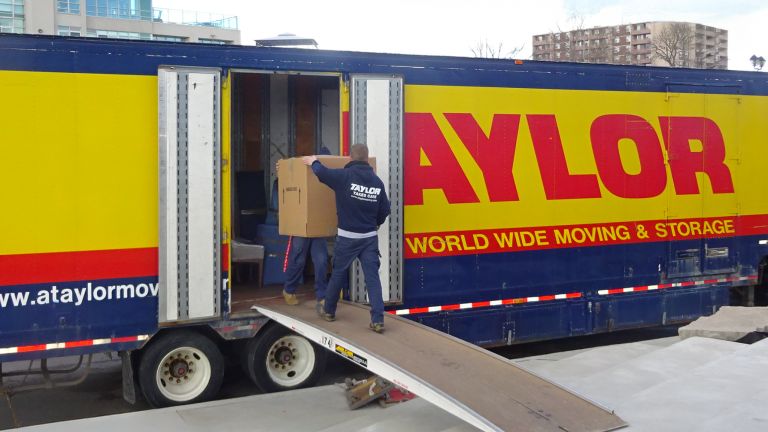
Deciding how your pet travels depends largely on airline policy and the pet’s size. While some owners prefer having their pet on the same flight, many long-haul routes require pets to travel as manifest cargo for their safety. Working with Taylor International Movers can clarify these options, as professional move management ensures your pet’s journey is coordinated with their overall household relocation schedule.
Selecting a pet-friendly airline
Not all airlines offer the same care for animals, so you must select a carrier with proven expertise in live-animal transport. Look for companies that prioritize temperature-controlled holds and reliable ground handling services. You should always confirm the airline’s specific policies on crate dimensions and ventilation requirements long before the booking stage.
Coordinating transit with international moving partners
Managing transit involves synchronized efforts between your vet, airline, and customs brokers. Relying on professional guidance helps in navigating the intricate steps of moving from Canada to UK with pets without the stress of managing each hand-off yourself. Experienced teams help ensure that your pet’s transit schedule aligns perfectly with your own arrival date, minimizing time spent apart.
Temporary kenneling or pet boarding considerations
Sometimes the arrival of your belongings does not perfectly align with your pet’s entrance into the country. Having a contingency plan for temporary boarding is a wise move for those whose housing in the UK may not be ready immediately. If you have questions about move timelines, you can get a quote today to start planning your specific requirements.
Preparing your pet for the move
Managing stress and anxiety during travel
Traveling can be physically and emotionally taxing for animals. Helping them adjust to their travel crate weeks in advance creates a sense of familiarity during the actual flight. Making the crate a comfortable den with familiar blankets or toys often helps to soothe their nerves while in an unfamiliar environment.
Pre-departure veterinary assessments
A final wellness check is essential to certify your pet is fit for the journey. This assessment is the perfect time to discuss anxiety-reduction strategies with your vet, ensuring your pet is healthy enough to endure the stresses of long-distance transport.
Updating vaccination and parasite records
Maintaining an organized folder of your pet’s health history is non-negotiable. Beyond the mandatory rabies and tapeworm records, it is best practice to have a complete history of all routine parasite treatments and core vaccines. This comprehensive file serves as proof of long-term preventative healthcare when presenting documentation at the border.
Creating a travel survival kit for your pet
Packing a "go-bag" for your pet is just as critical as your own luggage. We recommend including the following items in your kit:
- Several days of their regular food
- A copy of all veterinary medical records
- An extra leash and a sturdy collar with current tags
- Familiar-scented comfort items from home
Having these items easily accessible prevents last-minute scrambling during long travel days and keeps your pet feeling grounded through the entire process.
Costs and budget considerations for pet relocation
Veterinary fees and certification expenses
Budgeting for your pet’s big move requires looking at more than just the flight itself. Veterinary visits can be costly, especially when you include the mandatory treatments, microchipping, and formal certifications required for international travel. It is a standard procedure to allocate a significant portion of your pet logistics budget to these medical administrative costs.
Transportation and specialized crate shipping fees
You must account for wide variations in transport costs based on the weight and size of your pet. Professional Taylor International Movers manage the complexities of pet transit, helping you identify the most cost-effective methods for shipping specialized crates. We have compiled a typical cost allocation below to assist your financial planning:
| Expense Category | Average Cost Range | Notes |
|---|---|---|
| Veterinary & Certification | $400 – $800 | Includes exams and paperwork |
| Air Transport & Crates | $1,500 – $3,500 | Variable by pet size and carrier |
| Customs/Handling Fees | $300 – $600 | Processing at UK arrival |
Customs clearance and handling charges
Upon arrival in the UK, your pet will undergo inspection, which may incur standard handling or clearance fees. These costs depend on the port of entry and the time of travel, so having extra funds set aside for these terminal costs is a standard recommendation for international pet owners.
Hidden costs of professional pet relocation services
Many owners fail to foresee the cost of specialized third-party services that facilitate the actual transfer of the pet between terminals or to your destination. When engaging moving professionals like Taylor International Movers, it is useful to confirm what is covered in their handling fee to avoid surprises once you land at your destination.
Settling into your new home in the UK
Registering with a local veterinarian
As soon as you arrive, finding a reputable local clinic should be one of your first tasks. Getting registered quickly ensures that your pet is in the system should they experience any post-move health issues, especially if they are getting used to new local parasites or allergens.
Finding pet-friendly temporary and long-term accommodation
Securing housing that welcomes pets requires patience and a good sense of local rental policies. While searching for your permanent home, verify the pet policy for any temporary rental or long-stay hotel you choose. Being upfront with landlords about your pet’s size and history often makes the search far easier.
Adapting your pet to a new climate and environment
Moving to the UK often brings a significant change in weather and terrain compared to Canada. Give your pet time to acclimatize to the local environment, perhaps by keeping exercise routines consistent but shorter until they find their confidence. Gradually increasing their exposure to local green spaces helps build their comfort levels in their new environment.
Navigating local leash laws and pet owner responsibilities
Each UK municipality maintains its own leash and waste disposal laws which travelers should respect. Taking a few hours to read the local government websites regarding pet-friendly parks will help you avoid fines and establish yourself as a responsible member of the community.
Conclusion
Moving internationally with a pet is undeniably a major undertaking that demands significant preparation and professional coordination, but the reward is having your beloved companion by your side for your new adventure in the UK. By meticulously following medical requirements, planning your logistics early, and enlisting the right support, you can ensure the process is as safe and stress-free as possible for your four-legged family member.
Frequently Asked Questions
Can my pet fly in the cabin with me?
This depends entirely on the specific policies of the airline you choose to fly with, as many international flights prohibit live animals in the passenger cabin.
Are there any banned dog breeds in the UK?
Certain breeds are restricted in the UK, so you should check the official government list of prohibited dogs well before booking your relocation.
How long should I allow for planning a pet move?
It is generally recommended to start the planning process at least 4 to 6 months before your departure date to handle vaccinations and document processing.
Do I need a special import permit for my pet?
For common pets like cats and dogs coming from Canada, a formal import permit is rarely required if you meet all standard health vaccination rules.
What happens if my pet does not have the right health certificate?
Failure to provide the correct documentation often results in your pet being refused entry, placed into quarantine, or even sent back to the country of origin at your expense.
Is it better to ship my pet separately or on my flight?
Shipping your pet as manifest cargo with a dedicated pet shipping service is often safer and more reliable than trying to travel on the same aircraft as an ordinary passenger.
How soon should I register my pet with a vet upon arrival?
We suggest registering within the first week of your arrival to ensure you have a contact in place should your pet need care for any minor transition-related stress.
Leave a Comment