Moving to Australia from Canada: A comprehensive guide for selecting international movers
Key Takeaways
Moving between these nations involves significant planning, but breaking the process into manageable phases ensures a smoother transition for your entire household.
- Start your logistics planning at least three to four months before the intended departure date.
- Inventory documentation must be precise to avoid delays during the customs clearance process in Australia.
- Choosing experienced international providers like Taylor International helps mitigate risks associated with long-haul ocean transit.
- Specialized requirements apply to vehicles, pets, and cultural items that necessitate professional, advanced organization.
- Success depends on balancing budget expectations with the reliability of your chosen global logistics partner.
Understanding the international moving process between Canada and Australia
Relocating to the other side of the world requires a clear understanding of international transit networks. By utilizing professional move management, you can gain visibility into every stage of your shipment’s journey across the Pacific. This level of oversight is vital for maintaining the safety of your goods and ensuring the timeline remains realistic. For those seeking resources to navigate this path, check out essential tips and checklists for international movers.
The logistics of shipping across the Pacific
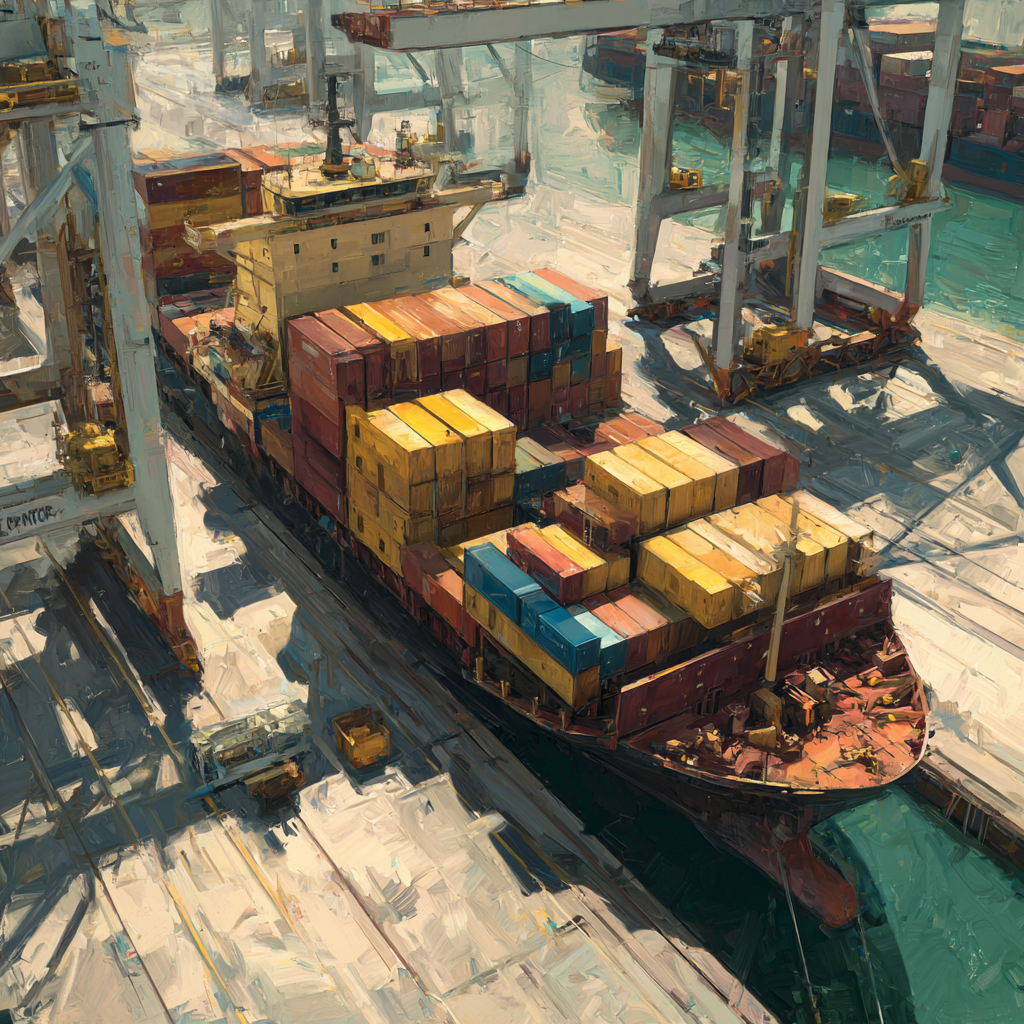
Shipping household goods across such a distance generally involves sea freight, which acts as the backbone of trans-oceanic moves. Large containers are sealed at your origin residence and remain virtually untouched until they reach your new home, provided customs processes are clear. Because of the vast distances, transit times can shift based on port congestion and vessel schedules, making reliable logistics coordination essential.
Full-service versus partial packing options
When you engage with professionals, you often decide between full-service packing and partial assistance. Full-service options involve crews wrapping and packing every item using industry-grade materials designed for long-transit survival. Conversely, partial service allows you to handle specific rooms yourself while delegating delicate items to the experts, though this choice shifts the responsibility for the durability of your packing onto your own shoulders.
Key differences in cross-continental transit timelines
Unlike local relocations measured in days, an international move spans several weeks. Understanding these nuances, such as shipping the bulk of your household via sea, allows families to plan their transition. For more help selecting the right international moving company, see our comprehensive guide to ensure you avoid common pitfalls.
Cost factors for your residential move
Financial planning for an overseas transition involves evaluating several fluctuating variables that influence your final quote. Shipping costs are primarily driven by the volume of items you intend to bring, as total cubic footage determines container usage. By working with experts at Taylor International, clients receive transparent guidance on these variables.
Calculating shipping container sizes and household volume
Determining whether you require a full container load or a shared shipping option is a fundamental step in budgeting. The total volume of your belongings, categorized by weight and size, dictates the space reserved on a vessel.
| Item Category | Estimated Shipping Volume | Cost Impact |
|---|---|---|
| Small Studio | 200 cubic feet | Low |
| Two-Bedroom Home | 600-800 cubic feet | Moderate |
| Full Family Household | 1200+ cubic feet | High |
After calculating these dimensions, your move manager can provide a clearer picture of expenses. Focusing on international moving cost guides is helpful for those navigating these financial decisions.
How distance and transit mode influence your quote
The distance between your specific Canadian province and your destination in Australia plays a role in the total transit period, but the frequency of sailings from origin to port of entry is a greater factor. Sea freight remains the most cost-effective solution for household goods, though urgent essentials might arrive faster if sent via air, which commands a higher price bracket.
Understanding international moving insurance and valuation coverage
Protecting your assets is non-negotiable when items spend weeks at sea. It is worth noting that valuation coverage operates differently than standard home insurance, often requiring a detailed inventory list confirmed by your moving provider. Ensure your plan covers all contingencies, including common international transit risks.
Navigating customs and import requirements
Customs in Australia are famously strict due to biosecurity concerns, meaning every item must be declared accurately to avoid expensive delays. Expert help becomes invaluable here, as the complexity of import regulations can overwhelm the average household. Companies like International Moving Inc. guide individuals through these bureaucratic hurdles by ensuring documentation is filed correctly.
Essential documentation for household goods shipments
To move personal effects, you will need a comprehensive packing list, copies of your visa, and legal identification for entry into the country. Every page of your documentation must be consistent to mirror the contents of your shipment, with any discrepancies triggering manual, and often costly, border inspections.
Understanding Australian regulations for restricted or prohibited items
Items that may appear benign in Canada, such as certain wooden souvenirs, plant-based crafts, or used outdoor equipment, are subject to mandatory fumigation or confiscation upon arrival in Australia. These regulations are designed to protect unique ecosystems and are enforced with rigor. Avoid packing any food, seeds, or soil-contaminated items, as these will almost certainly be pulled and either treated at your expense or destroyed.
Collaborating with customs brokers to simplify border clearance
Professional customs brokers provide the bridge between local enforcement and your cargo. By leveraging their expertise, you ensure that your paperwork is lodged accurately before the vessel docks. This proactive approach is the best way to avoid the logistical bottlenecks often associated with international cargo intake.
Selecting the right international moving company
Finding a trustworthy partner is the single most important decision for your move, as your chosen team will handle everything from door-to-door coordination. When vetting potential partners, look for longevity and a proven history of managing overseas relocations. For a seamless experience, you should consider professional move management to handle these transitions.

Key questions to ask before hiring your moving partner
When interviewing your potential movers, ask specific questions that reveal their actual capability. Consider these points:
- Do they utilize a reliable partner network in major Australian cities?
- How do they manage documentation and translation requirements?
- Can they provide evidence of similar past successful household shipments?
- What specific insurance protocols do they use for long-distance transit?
- How quickly do they respond to mid-shipment status inquiries?
Asking these questions helps separate well-equipped global players from regional providers who may lack the necessary international infrastructure.
Identifying industry-recognized accreditations and certifications
Look for industry-standard certifications, which serve as proof that a company meets global standards for quality and security in international storage and shipping. These certifications typically require ongoing audits of the provider’s operations, business practices, and safety performance.
Assessing the reliability of international partner networks
An established and reliable partner network is the most significant factor that allows a company to perform seamless door-to-door service. Your mover’s ability to coordinate with a local Australian crew ensures that once your shipment arrives, it is handled by professionals familiar with the final delivery neighborhood and specific local regulations.
Special logistics for unique and delicate belongings
Items of high emotional or financial value require specialized logistics that differ significantly from standard household furniture. Whether it is an antique collection or a vehicle, these assets often need custom crating or specific transport certifications. For those moving pets, these services often require specialized air travel arrangements separate from your regular goods.
Preparing fine art and high-value collectibles for long-haul transit
Fine art, such as paintings and sculptures, must be stored in climate-controlled environments and protected by custom-built archival crates. Professionals use precision measuring to ensure these items withstand the vibrations of maritime shipping while preventing damage from moisture fluctuations.
Requirements and safety standards for vehicle shipping
Moving a vehicle requires a complete cleaning of the undercarriage to comply with strict biosecurity standards in Australia. Additionally, fuel must be drained, and batteries disconnected according to international safety standards for cargo ships. You will also need to review if your vehicle meets domestic import certification standards before starting the engine in your new home.
Coordinating professional pet relocation services
Moving an animal entails stringent quarantine rules and specific health protocols that must be started months in advance. Pet relocation is a field that requires absolute expertise to track vaccination schedules and permit wait times. Many international moving experts provide access to specialized pet handlers, ensuring your companions arrive safely with all health checks completed.
Preparing your household for a successful arrival
As you approach your departure, managing your household requires a focus on settling into your new environment. Establishing a clear timeline for your family’s transition—starting with school applications and health documentation—will help reduce stress upon landing. To learn more about expert international relocation services, see how teams assist with these logistical phases.
Creating an effective moving timeline for your family
Divide your pre-move phase into monthly milestones, clearly separating logistics like shipping from life-admin tasks like banking and health records. Having an international move strategy helps keep every family member aligned during the most chaotic weeks.
Managing the logistical challenges of international transition
Transitioning to a new culture often brings unexpected bureaucratic requirements, such as temporary housing arrangements or utility set-ups. Maintaining a central digital folder of all your relocation documents allows you to quickly retrieve necessary information at government intake points upon arrival.
Essential steps for settling into your new community in Australia
Once you arrive, securing an international household shipment delivery is just the first step. Focus on community integration by seeking local social groups in your city, registering with neighborhood health services, and understanding the local transit options. The best path to a successful move includes understanding important moving costs and keeping your schedule flexible during the first month.
Conclusion
Relocating from Canada to Australia is a complex but rewarding journey that succeeds when you partner with experienced logistics professionals. By diligently managing your inventory, adhering to strict customs requirements, and coordinating your professional shipments well in advance, you minimize risks and pave the way for a smooth arrival. With Taylor International, you are supported by experts who prioritize data-driven care and reliable transit to keep your household on track until you are settled comfortably in your new Australian home.
Frequently Asked Questions
How long does it usually take for household items to arrive in Australia?
Shipping household goods from Canada to Australia typically takes between 8 and 12 weeks, depending on the shipping route, current port volumes, and your final inland destination.
What are the main biosecurity risks when shipping to Australia?
Australia has strict quarantine laws, so items must be free of soil, seeds, insects, or plant matter, which could pose a risk to the fragile local environment.
Can I pack my own boxes for an international move?
While you can pack some items, it is often recommended that professional movers pack high-value, fragile, or complex items to ensure they meet the rigorous transit standards and insurance requirements.
How does sea freight differ from air freight for international relocation?
Sea freight is the standard, cost-effective option for whole households, while air freight is reserved for smaller, urgent shipments due to its significantly higher price per mass unit.
Should I ship my vehicle or buy a new one in Australia?
Shipping a vehicle requires meeting strict clean-air and safety standards in Australia, which can be expensive and logistically complicated, so many people choose to sell their car in Canada and buy or lease locally upon arrival.
Do I need to be present for customs clearance when my goods arrive?
Usually, your moving company or an assigned customs broker acts as your agent, meaning you do not need to be physically present at the port, though you must sign critical authorization documents in advance.
What should I prioritize first when planning an international move to Australia?
Begin by researching visa requirements and establishing a realistic moving budget, as these two factors set the baseline for all other logistics and timeline planning.
Leave a Comment