Shipping household goods from UK to USA: A complete guide for families
Key Takeaways
Shipping household goods from the UK to USA involves more than booking transport. A clear inventory, realistic schedule, and well-defined service scope can make the move easier to manage.
- Sea freight is usually the practical choice for a full household shipment.
- Air freight can suit urgent, smaller consignments despite its higher cost.
- Quotes should show origin work, freight, customs-related charges, and delivery separately.
- Accurate inventories and complete paperwork help reduce avoidable delays.
- A reliable mover should explain who manages each stage from packing to final delivery.
Understanding how international household shipping works
A household move across the Atlantic is a chain of connected services rather than one single journey. Your belongings may pass through collection, packing, export handling, ocean or air transport, customs clearance, and destination delivery. Understanding the handoffs helps a family ask better questions before committing to a quote.
What counts as household goods for a UK-to-USA move
Household goods generally means the personal belongings used by you and your family at home, such as furniture, clothing, books, kitchenware, and ordinary personal effects. New commercial stock, hazardous materials, and certain regulated items should not be treated as routine household contents. The more clearly you separate personal belongings from items that need special treatment, the more accurate your assessment is likely to be.
A useful starting point is this UK-to-USA moving guide, which can help families think through housing dates, shipment choices, documentation, and timing. Keep in mind that eligibility, duties, and restrictions can depend on the item and your circumstances.
How door-to-door international moving services are structured
Door-to-door service usually begins at your UK residence and ends at an agreed address in the USA. The scope may include a pre-move survey, professional packing, collection, export preparation, freight, customs coordination, delivery, and unpacking, but those inclusions should be written into the quotation. Taylor International provides international moving services and overseas moving and storage, so a household can discuss the overall move rather than treating each transport stage as an isolated booking.
Ask whether stairs, long carries, lift access, storage, appliance preparation, and unpacking are included or priced separately. Small access details can affect both the cost and the delivery plan.
The roles of freight forwarders, carriers, customs brokers, and destination crews
Different parties may manage different parts of the shipment. A freight forwarder coordinates transport and shipping documents, the carrier operates the ocean or air route, a customs broker assists with entry formalities, and destination crews handle local delivery. Your mover may coordinate these parties directly or work through an international partner network.
That division is normal, but responsibility should remain clear. Before booking, ask who receives your paperwork, who contacts you if customs asks a question, and who is accountable for arranging delivery after release.
When to choose a full-service mover versus arranging shipping yourself
Arranging freight yourself can appear simpler when you have only a few boxes and plenty of time. A full-service mover becomes more attractive when you are shipping furniture, need professional packing, have a narrow collection window, or want one point of contact for customs and delivery.
For a family move, convenience is not just about carrying boxes. It is also about reducing the number of decisions you must coordinate while arranging visas, housing, travel, schools, and utilities.
Choosing between sea freight and air freight
The right transport method depends mainly on volume, urgency, budget, and the belongings you need immediately. Sea freight generally offers more practical capacity for furniture and larger household shipments, while air freight can shorten the transport stage for a smaller consignment. Compare the whole service, not only the advertised freight rate.

Why ocean shipping suits most household moves
Ocean shipping is commonly suited to households moving substantial quantities because containers can accommodate furniture, packed cartons, and larger personal effects. It normally takes longer than air freight, but the cost may be more manageable for a complete home shipment. The route still includes collection, export handling, port processes, customs, and final delivery, so freight time is only one part of the schedule.
Taylor International’s overseas moving and storage service is relevant when a family needs to coordinate a larger international household move and may need storage as part of the wider plan. Confirm the precise storage terms and delivery arrangements in writing.
When air freight may be worth the higher cost
Air freight can make sense for documents, clothing, essential children’s items, or a small group of belongings needed soon after arrival. It is generally faster, but the available space and pricing structure make it less suitable for most full-home shipments. Weight, dimensions, packaging, and carrier restrictions all matter.
A sensible approach is to send only the essentials by air and allow the main household shipment to travel by sea. That can give the family a workable first week without turning the entire move into an air cargo project.
How shipment volume affects your transport options
Volume is often assessed in cubic feet or cubic metres, alongside the number, size, and weight of the packages. A small consignment may fit into a shared container, while the contents of a larger home may justify a dedicated container. A professional survey or detailed inventory is more dependable than estimating from the number of rooms alone.
Measure awkward items such as sofas, wardrobes, bicycles, and garden equipment carefully. Their dimensions may affect loading plans even when the overall quantity appears modest.
Planning for shared-container and full-container shipping
With shared-container shipping, your goods occupy part of a container alongside other consignments. A full-container arrangement reserves the container for one shipment, which may offer a more direct loading plan for a larger household. The better option depends on volume, budget, schedule, and the destination address.
Ask whether the quote covers consolidation, deconsolidation, port handling, and delivery from the destination terminal. These details explain why two apparently similar container quotes can differ.
Estimating the cost of shipping household goods from UK to USA
International moving prices are built from several stages, so a single headline figure can hide important assumptions. Distance, volume, packing requirements, access, season, transport method, and destination location may all affect the quotation. A useful estimate describes what is included and what remains conditional.
The main factors that influence your moving quote
The volume of goods is usually central, but it is not the only factor. A large home with easy access may be simpler to collect than a smaller shipment in a narrow street with multiple flights of stairs. The chosen freight method, timing, insurance valuation, packing standard, and delivery distance in the USA can also change the total.
Prepare a room-by-room list before requesting quotes. Include approximate dimensions for bulky items and flag anything fragile, unusually heavy, valuable, or difficult to access.
Origin services, freight charges, and destination delivery costs
Origin services may include the survey, packing materials, packing labor, collection, export preparation, and UK terminal handling. Freight charges cover the international transport, while destination costs can include customs-related work, terminal handling, unloading, delivery, unpacking, and storage. Not every quote uses the same labels, so compare the underlying service scope.
The UK-to-USA shipping service page is a useful reference point for the broad sequence of packing, customs clearance, transport, and final delivery. Treat any online description as a starting point and request a shipment-specific quotation.
Customs duties, taxes, port fees, and other possible charges
Used personal belongings may be treated differently from new goods, but duty and tax treatment depends on the applicable rules and your situation. Port, terminal, inspection, storage, redelivery, and special handling charges may also arise if a shipment is selected for examination or cannot be delivered as planned.
Do not assume that a quote marked “door to door” includes every possible government or third-party charge. Ask which charges are included, which are estimates, and which would be passed through at cost.
How to compare international moving quotes accurately
Comparing line by line is more useful than choosing the lowest total. Check the service address, inventory basis, packing level, container type, insurance or valuation terms, customs assistance, destination delivery, storage, and cancellation conditions. A clear scope matters most when prices are close.
| Quote detail | Why it matters | Question to ask |
|---|---|---|
| Shipment volume | Determines space and transport planning | How was volume calculated? |
| Packing scope | Affects labor, materials, and protection | Who packs which items? |
| Destination delivery | May include different access or handling work | Is final-mile delivery included? |
| Customs assistance | Clarifies help with entry paperwork | Who coordinates customs questions? |
After reviewing the table, ask each mover to explain differences rather than quietly accepting assumptions. A slightly higher quote may include work that another provider has left out.
Preparing your household goods for export and transit
Preparation starts with deciding what deserves space in the shipment. Overseas transport, port handling, and repeated loading make careful sorting worthwhile. A smaller, better-organized shipment is often easier to value, pack, clear, and deliver.
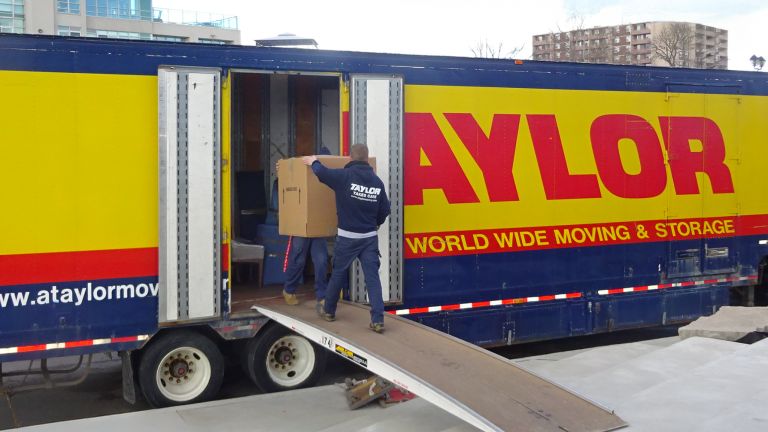
Deciding what to ship, sell, donate, or replace
Compare the cost and effort of transporting bulky, inexpensive items with the cost of replacing them in the USA. Furniture that fits the new home and has sentimental value may be worth shipping, while worn appliances or low-cost storage items may not be. Check voltage, dimensions, and compatibility before including electrical goods.
Create separate groups for ship, sell, donate, recycle, and carry personally. Keep passports, medication, vital records, jewelry, and immediate travel essentials out of the freight shipment unless a specialist has advised otherwise.
Packing standards for long-distance ocean and air transport
International packing must protect goods through lifting, vibration, stacking, changes in temperature, and handling at terminals. Professional packing may be appropriate for furniture, glass, artwork, electronics, and irregularly shaped items, while sturdy cartons and consistent labeling help with ordinary belongings.
Do not overfill cartons or leave empty movement space around fragile contents. Number each package and keep the labels consistent with your inventory so questions can be answered quickly.
Creating an accurate inventory and valuation
An inventory should identify each package and describe its contents in plain language. “Kitchen items” is less useful than “six used ceramic plates, two saucepans, and one toaster.” Record quantities, condition, approximate age, and replacement value where requested.
Take photographs of valuable or delicate belongings before packing. An accurate inventory supports customs declarations, insurance or valuation discussions, and claims documentation if something arrives damaged or missing.
Protecting fragile, valuable, and sentimental belongings
Tell the mover about antiques, fine art, musical instruments, collections, and high-value jewelry before the survey. These items may need specialist packing, crating, separate valuation, or a different transport arrangement. Keep irreplaceable documents and small valuables with you during travel whenever possible.
Family memories deserve practical protection as well as emotional care. Photograph condition, save receipts or appraisals when available, and understand the claims process before the shipment leaves the UK.
Managing US customs and import requirements
Customs clearance is a formal part of the move, not an administrative detail to handle at the last minute. The shipment must be described accurately, documents must match the goods, and restricted items need early review. Rules can change, so use current official guidance and ask your mover or customs professional about questions specific to your shipment.
Documents typically needed for a personal household shipment
Common paperwork can include identity documents, a packing or inventory list, shipping documents, an address in the USA, and forms connected with customs entry. Your immigration or residence circumstances may affect what additional information is required. Make sure names and addresses are consistent across documents.
Provide documents early enough for review rather than sending hurried photographs on collection day. Keep digital copies and a complete personal file for your records.
Declaring used belongings and understanding duty considerations
Used household goods should be described as used personal effects where that is accurate, with realistic values and quantities. Do not label everything generically or assign implausibly low values. Duty and tax treatment is determined under applicable rules, not simply by whether an item is old.
For another perspective on personal-effects declarations, this USA import guide discusses what to pack, what to leave behind, and the importance of obtaining an appropriate quote. It is background information rather than a substitute for shipment-specific advice.
Items that may be restricted, regulated, or prohibited
Food, plants, alcohol, tobacco, firearms, ammunition, chemicals, fuels, batteries, medicines, and certain animal products may require special treatment or may not be accepted. Cleaning products and garden chemicals are particularly easy to overlook when packing a household. Declare anything uncertain before it is boxed.
If you are unsure, place the item in a review group instead of hiding it among ordinary belongings. Early disclosure gives the mover time to check carrier and import requirements.
How incomplete paperwork can cause delays and extra costs
A missing signature, vague inventory entry, inconsistent address, or undeclared restricted item can interrupt clearance. Delays may lead to storage, inspection, redelivery, or additional handling charges, while a shipment waiting at a port can also complicate a family’s temporary accommodation plans.
Use one document checklist and update it as plans change. A customs question answered promptly is usually easier to resolve than a problem discovered after the shipment has arrived.
Building a realistic UK-to-USA moving timeline
A transatlantic household move needs more flexibility than a domestic move because several organizations and border processes are involved. Start with the dates that cannot move, such as visa appointments, lease termination, flights, school enrollment, or property completion. Then work backward to create collection and packing windows.
What to arrange several months before moving day
Several months before departure, begin sorting belongings, researching shipment methods, gathering documents, and requesting detailed surveys or quotations. Confirm whether your preferred collection window aligns with your housing and travel plans. The UK-to-USA planning checklist can help organize tasks, even though every family’s circumstances will differ.
Early planning is especially useful if you need storage, specialist packing, pet arrangements, or a dedicated container. It also leaves time to resolve questions about items that may not be accepted.
Coordinating packing, collection, and departure schedules
Packing and collection should be scheduled around the final days in the UK, not treated as isolated appointments. Keep a travel kit, basic household supplies, and documents separate from the shipment. Tell the mover about parking limits, stairs, lifts, narrow entrances, and any building booking requirements.
A written collection plan should state what is being packed, what remains with you, and when the crew is expected. This reduces the chance of essential belongings being loaded accidentally.
Allowing for transit times, port handling, and customs clearance
Ocean or air transit is only one segment of the journey. Export processing, consolidation, vessel or flight schedules, destination port handling, customs review, and release can all affect the final delivery date. Weather, congestion, inspections, and documentation questions may also change the estimate.
Plan around a delivery window rather than one guaranteed day. If you must vacate your UK home before arrival, arrange temporary essentials and consider whether storage in the USA may be needed.
Preparing for delivery, unpacking, storage, or final-mile delays
Before delivery, confirm the address, access, parking, building rules, and the people authorized to receive the shipment. Decide whether you want unpacking and debris removal, and identify where each room’s cartons should go. If your new home is not ready, ask about storage terms and the later delivery process.
Keep an emergency household kit with clothes, toiletries, chargers, basic cookware, and children’s necessities. That small buffer can make an unexpected delay far less disruptive.
Choosing a reliable international moving company
The right mover should make the process understandable without promising certainty where several outside parties are involved. Look for experience with residential international moves, clear quotations, careful packing practices, customs coordination, and responsive communication. A conversation before booking often reveals how seriously a company treats the details.
Questions to ask about experience on the UK-to-USA route
Ask how the company handles UK collection, export documentation, ocean or air freight, US customs coordination, and final delivery. Find out whether it has managed shipments similar in size and destination, and whether partners will be involved after arrival. You can also review this route-specific moving advice when preparing questions about volume, timing, and door-to-door scope.
Avoid relying on broad claims about experience. Ask for a written explanation of the actual process for your addresses and shipment.
Accreditations, insurance, claims support, and service standards
Ask which industry memberships, quality standards, insurance arrangements, and claims procedures apply to the service you are buying. Read exclusions and valuation conditions carefully, particularly for fragile or high-value belongings. A low price is less useful if the protection and claims process are unclear.
Request the name of the party responsible for handling a claim and the deadline for reporting damage. Keep photographs, inventories, and condition records together until the move is complete.
Confirming who will handle loading, unloading, and destination delivery
Your quotation should identify who packs, loads, unloads, clears, stores, and delivers the shipment. Confirm whether destination crews are employees, agents, or partner companies, and ask how handoffs are communicated. Taylor International is an international moving company serving overseas moving needs, so ask directly how its team coordinates the destination portion of your particular move.
This is also the right moment to discuss stairs, elevators, long carries, narrow roads, parking restrictions, and building appointments. Practical access information can prevent a last-minute change in delivery arrangements.
Evaluating communication, transparency, and personalized support
Good communication means more than receiving a quote quickly. The mover should explain assumptions, identify open questions, update you when schedules change, and provide a clear contact for decisions. Written follow-up is valuable because international moves involve many dates, documents, and item descriptions.
Use a short test: can the representative explain your shipment in plain language, including its risks and limits? If not, ask for clarification before signing. For a direct next step, you can request moving information and compare the response with the questions in this guide.
Conclusion
Shipping household goods from UK to USA becomes more manageable when you plan the shipment as a complete process: sort carefully, choose transport based on volume and urgency, document every item, prepare customs paperwork early, and compare movers by service scope rather than price alone. Plan Your Move: Taylor International can discuss international moving services and help you shape a practical plan for your household’s journey.
Frequently Asked Questions
How long does shipping household goods from UK to USA take?
The total time depends on packing, collection, export handling, transport mode, port processes, customs clearance, and final delivery. Sea freight generally requires more planning time than air freight, and neither should be treated as a guaranteed single-day schedule.
Is sea freight or air freight better for a family move?
Sea freight usually suits larger household shipments and furniture, while air freight can suit smaller quantities or items needed urgently. Many families use a combination, sending essentials by air and the main shipment by sea.
What household items should not be shipped?
Hazardous materials, firearms, ammunition, certain foods, plants, chemicals, fuels, medicines, and other regulated goods may be restricted or prohibited. Review uncertain items before packing rather than assuming they can travel as ordinary household goods.
Do I need a detailed inventory for US customs?
Yes, a clear inventory helps describe the shipment, support customs declarations, and connect packages with their contents. Use specific descriptions, quantities, realistic values, and consistent package numbers.
Can used household goods enter the USA duty-free?
Used personal belongings may receive different treatment from new goods, but eligibility and any duties or taxes depend on the applicable rules and your circumstances. A customs professional can explain the requirements for your situation.
What is the difference between shared and full-container shipping?
Shared-container shipping combines your goods with other consignments and charges for the space used. Full-container shipping reserves a container for one shipment and may suit a larger household or a move requiring a dedicated loading plan.
How early should I start planning an international move?
Begin several months before departure when possible, particularly if you need a survey, professional packing, storage, specialist handling, or a dedicated container. Early planning also provides time to prepare documents and resolve restricted-item questions.
Leave a Comment