A comprehensive US to UK moving checklist for a stress-free transition
Key Takeaways
Moving across the Atlantic requires significant organization, from securing the right visas to navigating complex international customs. By following a structured approach, you can manage the physical and emotional weight of your relocation efficiently.
- Start your international planning process at least 4-6 months before your target move date.
- Inventory management is the foundation of any accurate moving quote and successful customs clearance.
- Understanding UK customs, specifically the Transfer of Residence (ToR) relief, can save considerable duty costs.
- Professional move management provides a transparent and efficient alternative to tackling logistics alone.
- Budgeting for hidden costs, such as final-mile delivery and storage, prevents surprises upon arrival.
Planning your move from the US to the UK
Relocating to the United Kingdom is an exciting milestone that requires a methodical approach to ensure every detail is accounted for. Establishing a clear roadmap early in the process creates the necessary breathing room to manage the transition without unnecessary pressure on you or your family.
Setting a realistic timeline for your relocation
The complexity of an international move cannot be overstated, meaning you should begin your preparations 3-6 months in advance. A successful relocation relies on having enough time to navigate visa applications, which can fluctuate in processing duration based on current demand. Starting early allows you to gather all required documents without last-minute rushing, which is crucial when coordinating across time zones.
Researching your destination and lifestyle in the UK
Choosing where to reside in the UK goes beyond proximity to your workplace; it involves finding a community that matches your lifestyle needs. Whether you prefer the fast pace of London or the quieter charm of Scotland, knowing the local nuances is key. For those curious about the essential information for transatlantic moves, familiarizing yourself with the constituent nations and their unique regional centers helps you narrow down your search for the perfect new home.
Establishing a priority list for your move-out process
Distinguishing between what stays in the US and what makes the journey across the pond is a core element of your move. If you create a detailed priority list, you can focus your physical efforts on high-value or sentimental items that genuinely belong in your new UK household. This stage is about reducing volume and ensuring your shipment is as lean and purposeful as possible before booking your mover.
Managing your budget and moving costs
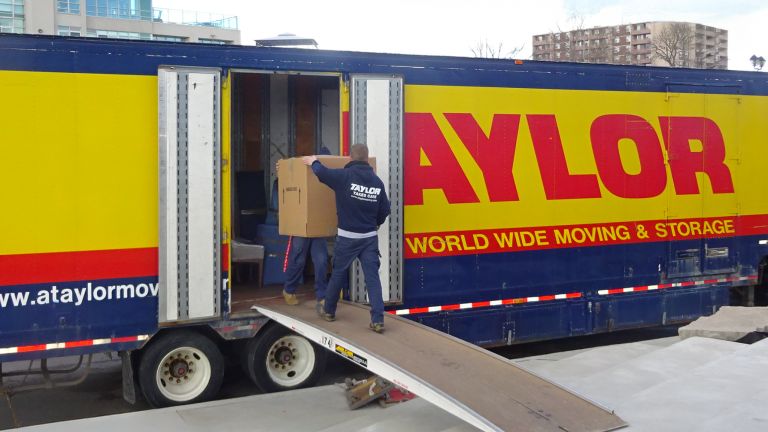
Financial foresight is essential when moving across borders to ensure your plan remains viable from the initial estimate to the final delivery. Every international move carries inherent costs that adjust based on volume, distance, and the specific level of service required for your transition.
Understanding the primary factors affecting your quote
Your moving quote is primarily driven by the cubic volume of your household items and the specific transit route selected. Because professional move management involves complex logistics, it is best to provide an accurate inventory to avoid fluctuating prices during the packing phase.
Identifying and accounting for hidden costs
Many travelers forget to account for costs beyond the ocean freight, such as port fees, final-mile delivery, and potential storage needs. It is important to ask your moving partner specifically about these items when reviewing your quote, ensuring you understand the complete financial picture upfront.
Comparing different service levels and shipping options
Not all shipping methods are equal, and choosing the right one can make the difference between a stressful arrival and a smooth one. To help you evaluate, consider the following trade-offs:
| Service Level | Transit Speed | Typical Cost | Best Use Case |
|---|---|---|---|
| Sea Freight | 6-8 weeks | Lower | Full household moves |
| Air Freight | 1-2 weeks | Higher | Essential items only |
| Door-to-Door | Variable | Premium | Complete, worry-free moving |
Selecting a service level that balances your budget with your timeline is essential. For instance, prioritizing essential living items for air transit while shipping your main furniture via sea is a common and effective strategy for many families.
Preparing your inventory and packing strategy
Successful international shipping requires diligent preparation and a clear understanding of what makes the journey safer. A well-organized pack is the first line of defense for your belongings when they are transit-bound across the Atlantic.
Conducting a thorough home inventory audit
Before you start packing a single box, conduct a comprehensive audit of your worldly goods to establish an accurate manifest. This is more than just a packing list; it is a vital document for customs authorities that needs to clearly identify each item’s condition and value to help secure your shipment through international checkpoints.
Deciding what to pack, sell, or donate
Determining what stays behind is one of the most effective ways to manage your shipment’s cost and logistical footprint. Consider these main strategies for your remaining items:
- Host a garage sale for heavy or outdated furniture to minimize shipping volume.
- Donate high-quality clothing and books to local charities to reduce weight.
- Check electrical compatibility, as some US appliances might not function effectively in the UK voltage system.
- Sell specialized hobby items that you no longer use on a regular basis.
By carefully pruning your belongings, you not only simplify your packing process but also reduce your overall moving costs in a measurable way. Everything you leave behind is one less item to worry about during customs clearance protocols.
Choosing between air freight and sea freight based on your needs
Your choice between the two primary shipping modes usually comes down to a trade-off between speed and household volume. Sea freight remains the industry standard for bulk moves, while air freight is reserved for items needed immediately upon arrival. Deciding early ensures that your packing strategy aligns perfectly with the transit method you choose for your international household.
Navigating customs, visas, and documentation

Customs compliance is perhaps the single most significant factor in avoiding delays during your relocation. Moving to the UK involves strict adherence to import rules, and proper documentation is the only pathway to a seamless entry for your household goods.
Organizing essential personal and residency paperwork
Your paperwork bundle must be comprehensive, including your passport, visa, and residency confirmations alongside your customs forms. Keep these documents in a dedicated folder that travels with you, rather than in your shipping containers, so you can access them as soon as you reach the border.
Complying with UK import rules for household goods
Understanding the restrictions on prohibited items is crucial, as unauthorized goods can lead to significant delays and potential fines. You must be prepared to declare everything clearly to authorities, as international moving is transparent by design; honesty and accuracy in your paperwork minimize the likelihood of invasive inspections.
Preparing your transfer of residence application correctly
Many individuals qualify for duty-free entry of household goods if they properly apply for their Transfer of Residence (ToR) status. This status is highly advantageous, and taking the time to complete the application process correctly ensures you aren’t paying unnecessary import duties on your own property. It is essentially a necessary step for tax relief on your personal belongings.
Handling specialized moving requirements
Moving items like pets or vehicles, or simply protecting delicate heirlooms, adds a layer of coordination to your move. Because these items require unique handling protocols, they should be identified early in your planning to ensure there is enough time to source the necessary expertise.
Relocating pets safely across international borders
Your pets deserve the same care and planning as any other member of your household. Researching current UK pet health regulations and microchipping requirements well in advance ensures your companions have a smooth transition.
Understanding the process and regulations for shipping a vehicle
Shipping a vehicle is a complex endeavor that involves both US export and UK import regulations, including taxes, safety compliance, and emission standards. It is often recommended to carefully weigh the costs of importing your personal car against the ease of purchasing a vehicle locally once you arrive.
Protecting high-value or fragile items during transit
Fine art, unique antiques, and fragile electronics require custom crating and additional insurance to remain safe during the long journey. Identifying these items early allows your international removal company to build the specialized packing solutions they require for climate, vibration, and impact protection.
Choosing a reliable international moving partner
Working with an experienced team provides the guidance necessary to navigate the complexities inherent in international moves. Taylor International leverages technological systems to ensure your logistics are handled with precision, offering the clarity you need to remain confident throughout your transition.
Researching mover credentials and industry memberships
Look for providers that hold reputable industry memberships, such as FIDI or IAM, which indicate that the firm adheres to rigorous global quality standards. Professional credentials are your best indication that a company has the infrastructure to support a major move across the Atlantic.
Evaluating service quality and transparent pricing
Transparency in pricing, particularly regarding potential changes in exchange rates or harbor fees, is a hallmark of a professional mover. A reliable moving partner will make their service expectations perfectly clear, ensuring you have no doubts about the value they provide for your relocation budget.
Asking the right questions before signing a moving contract
Before finalizing your agreement, be sure to ask how items are packed, who is responsible for customs clearance, and what insurance options exist for your unique shipment. Obtaining a free quote from Taylor International is a solid way to start this evaluation process, ensuring all your logistical questions are addressed by professionals who focus on clear and efficient communication. Asking these questions early builds the trust you need to proceed with your move.
Conclusion
Navigating an international relocation between the United States and the United Kingdom is a substantial undertaking, but it remains fully manageable when you break the process into logical steps. By securing your visa, auditing your inventory, and selecting an experienced moving partner, you can ensure that your transition is as smooth and stress-free as possible. With a commitment to careful planning and attention to detail, you will soon be ready to settle into your new UK home with confidence.
Frequently Asked Questions
How early should I start planning my international move?
You should ideally start your planning process at least 4-6 months before your intended move date. This timeline provides essential buffer for securing visas, finalizing your inventory, and comparing quotes from various international movers.
What does the Transfer of Residence (ToR) status mean?
The ToR is a customs procedure that allows individuals moving their permanent residence to the UK to import their personal household goods without paying duties or taxes. It is a critical application that must be filed correctly before your goods arrive at the border.
Is it better to ship by sea or air?
Sea freight is the most cost-effective solution for moving entire households and is the standard for most international relocations. Air freight is best utilized for essential items or personal effects that you need to arrive at your new destination rapidly.
How are household moving costs calculated?
Costs are primarily calculated based on the total volume of your shipment, the distance between your origin and destination, and the specific level of packing or service required. Accurate inventories are the key variable in ensuring your quote is both realistic and transparent.
What documents are required for shipping my personal belongings?
You will need a comprehensive itemized inventory, proof of your residency status in the UK, a valid passport, and any relevant customs declarations such as your ToR form. Each country also has specific manifests, so providing detailed information about the items you are moving is essential for customs compliance.
Can Taylor International help with specialized items like pets or vehicles?
Moving specialized items requires dedicated logistics and adherence to strictly enforced import and export rules. A professional moving company can guide you through the process, help you prepare the necessary regulatory documentation, and coordinate the logistical support needed to transport these items safely.
How do I know if an international moving company is trustworthy?
Reliable moving companies should be able to demonstrate their reliability through industry memberships like FIDI or IAM. Furthermore, they should provide transparent pricing, clear explanations of their service scope, and references or professional qualifications that prove their experience with transatlantic relocations.
Leave a Comment