What to Do When Moving Internationally: A Comprehensive Checklist

Moving to another country can feel like a really big deal. There’s so much to think about, from packing up your entire life to figuring out all the paperwork. It’s easy to get overwhelmed, but with a good plan, what to do when moving internationally becomes a lot clearer. This guide breaks down the process, making it feel much more manageable.
Key Takeaways
- Start planning your international move early. Creating a timeline helps you stay on track.
- Get clear quotes from moving companies and understand all the potential costs involved.
- Familiarize yourself with customs rules and gather all necessary documents to avoid delays.
- Consider how to best support your family, including children and pets, during the transition.
- Choose a trustworthy moving company by asking the right questions and checking their credentials.
Planning Your International Relocation
Moving to another country is a big deal, and getting the planning right from the start makes all the difference. It’s not just about packing boxes; it’s about setting yourself up for a smooth transition. Our international move management services are designed to take the stress out of this complex process, helping you focus on the exciting new chapter ahead.
Understanding International Moving Basics
When you decide to move abroad, a lot of questions pop up. What exactly does an international move entail? It’s more than just shipping your belongings. It involves understanding different shipping methods, customs regulations in your destination country, and how to pack items so they arrive safely. The key is to get a clear picture of the entire process early on. This includes knowing what services are typically included when you work with a professional international mover, like door-to-door service, customs assistance, and unpacking. Thinking about these basics helps you avoid surprises down the line.
Creating Your International Moving Timeline
Setting up a realistic timeline is probably one of the most important steps. International moves take time, often months from the initial decision to the final delivery of your goods. A good rule of thumb is to start planning at least 3-6 months before your desired move date. Here’s a general idea of how things might break down:
- 3-6 Months Out: Research movers, get quotes, understand customs requirements, and start decluttering.
- 2-3 Months Out: Finalize your mover, confirm shipping dates, and begin packing non-essential items.
- 1 Month Out: Pack essential items, arrange for utilities at your new home, and notify relevant parties of your address change.
- 1-2 Weeks Out: Final packing, confirm details with your mover, and prepare for departure.
- Post-Arrival: Arrange for unpacking and customs clearance of your goods.
A well-structured timeline acts as your roadmap, guiding you through each stage and preventing last-minute rushes that can lead to mistakes.
Choosing Between Air and Sea Freight
One of the big decisions you’ll make is how your belongings will travel. You generally have two main options: air freight and sea freight. Each has its pros and cons, and the best choice depends on your priorities.
- Air Freight: This is the faster option, ideal if you need your items quickly or are moving a smaller volume of goods. However, it’s typically more expensive. Think of it for essential items you’ll need right away upon arrival.
- Sea Freight: This is the more economical choice, especially for larger shipments or if you’re not in a hurry. It takes longer, often several weeks or even months, but it significantly reduces costs. This is usually the go-to for the bulk of your household items.
When you work with our international move management team, we help you weigh these options based on your specific needs and budget, comparing shipping methods to find the best fit for your move.
Navigating Costs and Budgets
Moving your life across borders isn’t just about packing boxes; it’s a significant financial undertaking. Understanding the costs involved is key to a smooth transition. Don’t let unexpected expenses derail your plans.
Estimating International Moving Expenses
Figuring out the total cost of an international move can feel like a puzzle. Several factors play a big role. The distance to your new country is a major one, of course. Then there’s the sheer volume of stuff you’re bringing. Are you shipping a whole house or just a few essentials? The method you choose for shipping – air or sea freight – also impacts the price significantly. Air freight is faster but generally more expensive, while sea freight takes longer but is more budget-friendly for larger shipments. Our international move management services can help you get a clear picture of these variables.
International moves can range widely in price. You might be looking at anywhere from $3,000 to over $18,000, depending on what you’re moving and where it’s going. Moving internationally to Canada involves understanding these costs.
Identifying Hidden Costs of Moving Abroad
Beyond the basic shipping fees, there are often costs that can sneak up on you. Think about customs duties and taxes in your destination country. These can vary a lot. You might also need to pay for specialized packing materials, especially for fragile items. If your new home isn’t immediately accessible, storage fees could add up. Some movers might also charge extra for difficult delivery locations, like apartments with no elevator access. It’s always wise to ask about these potential add-ons upfront.
It’s easy to focus only on the main shipping quote, but a little digging into potential extra fees can save a lot of stress later on. Always ask for a detailed breakdown.
Comparing International Moving Quotes Effectively
When you start getting quotes from different international movers, it’s important to compare apples to apples. Make sure each quote includes the same services. Are they all providing packing, loading, shipping, customs clearance, and delivery to your door? If one quote looks significantly lower than others, investigate why. It might be missing certain services that you’ll have to pay for separately later. A good move management plan will help you sort through these details.
Here’s a simple way to compare:
- Service Inclusions: List out every service provided by each mover.
- Total Cost: Ensure all potential fees are accounted for.
- Transit Time: Note the estimated delivery window for each option.
- Insurance: Understand what coverage is included and what options are available.
Getting multiple, detailed quotes is a smart move. It helps you find the best value and avoid surprises.
Managing Customs and Documentation
Dealing with customs and all the paperwork for an international move can feel like a big hurdle. It’s easy to get lost in the details, but getting this right is super important for a smooth relocation. Proper documentation is your best friend when crossing borders.
Required Customs Documents for International Moves
Every country has its own set of rules for what you can bring in. Generally, you’ll need to prepare a few key documents. Our international move management service helps you keep track of these so nothing slips through the cracks.
- Passport and Visa: Your primary identification and proof of legal entry. Make sure they are current.
- Customs Declaration Form: This form lists everything you are shipping. Accuracy here prevents delays.
- Inventory List: A detailed list of all items being shipped, often including their value. This is crucial for customs and insurance.
- Proof of Residence: Documents showing you are moving to a new country, like a lease agreement or utility bill.
Understanding What Can and Cannot Be Shipped
This is where things can get tricky. Most household goods are fine, but there are strict rules about certain items. You don’t want your belongings held up or confiscated because of a misunderstanding.
- Prohibited Items: These are things you absolutely cannot ship, like illegal drugs, certain weapons, and sometimes even specific types of food or plants.
- Restricted Items: These items might be allowed but require special permits, declarations, or are subject to specific country regulations. Think alcohol, tobacco, or even large amounts of currency.
- Hazardous Materials: Anything flammable, corrosive, or explosive is a no-go. This includes things like paints, certain cleaning supplies, and even some batteries.
It’s always best to check the specific import regulations for your destination country well in advance. We can help you understand these rules as part of your international move planning.
Minimizing Customs Delays and Issues
Customs delays are a common source of stress during international moves. The good news is that many of these delays can be avoided with careful preparation and by working with experienced professionals.
- Be Honest and Accurate: Always declare items truthfully on your customs forms. Misrepresenting goods can lead to fines or seizure.
- Pack Smart: Ensure your inventory list is detailed and matches what’s inside your boxes. Avoid packing restricted items.
- Stay Informed: Keep track of your shipment’s progress and be ready to provide any additional information customs officials might request.
Navigating the complexities of international customs and documentation requires attention to detail. Our move management approach focuses on proactive communication and thorough preparation to help clear these hurdles efficiently, making your transition smoother.
Working with a dedicated move manager can significantly simplify this process. They are familiar with the common pitfalls and can guide you through the necessary steps, helping you avoid unexpected problems and keeping your move on track. This attention to detail is what sets apart a well-managed move from a chaotic one. You can find more information on preparing an inventory to assist with customs.
Relocating Your Family and Pets
Moving your whole family, including your furry friends, to a new country can feel like a huge undertaking. It’s not just about packing boxes; it’s about making sure everyone, big or small, settles in well. Our international move management services are designed to take the stress out of these complex personal logistics, allowing you to focus on the exciting new chapter ahead.
Making International Moves Less Stressful for Children
Kids often pick up on parental stress, so keeping things calm is key. Talking to them openly about the move, what to expect, and involving them in small decisions can make a big difference. Think about creating a special ‘adventure box’ for them with new toys or books to open during the journey or in their new room. It’s also helpful to research their new environment beforehand – maybe find out about local parks or kid-friendly activities to look forward to.
- Visit the new location virtually: Use online maps and videos to show them their new neighborhood and school.
- Maintain routines: Stick to regular meal times and bedtime routines as much as possible, even during the chaos of packing.
- Connect with new friends: If possible, arrange video calls with children who might be in their new area or connect with expat parent groups online.
The emotional well-being of your children is paramount. A well-managed move minimizes disruption and provides a sense of security, even in unfamiliar surroundings.
Special Considerations for Retiring Abroad
Retiring in another country is a dream for many, but it requires thorough planning. Beyond the excitement of a new culture, you’ll need to consider healthcare access, local laws, and how your finances will work. It’s also about finding a community where you can feel at home. Our team can help coordinate the shipment of your household goods, ensuring that your retirement haven is furnished with familiar comforts from day one.
Planning for Pet Relocation
Your pets are part of the family, and their relocation needs careful attention. Each country has specific rules about bringing animals in, covering everything from vaccinations to quarantine periods. Getting these details right from the start is vital to avoid any last-minute problems at the border. This often involves a series of vet visits, specific paperwork, and sometimes even specialized travel crates. We work with trusted partners to help manage the complexities of pet relocation, making sure your companion travels safely and legally.
Here’s a general idea of what’s involved:
- Research destination country requirements: This is the first and most important step. Check official government websites for import regulations.
- Vet visits and documentation: Schedule appointments for necessary vaccinations, microchipping, and health certificates well in advance.
- Travel arrangements: Book flights or other transport that accommodates pets, considering their comfort and safety during the journey.
Proper planning for every member of your family, including pets, is a hallmark of a successful international move. Our goal is to simplify these intricate details for you.
Selecting the Right Moving Company
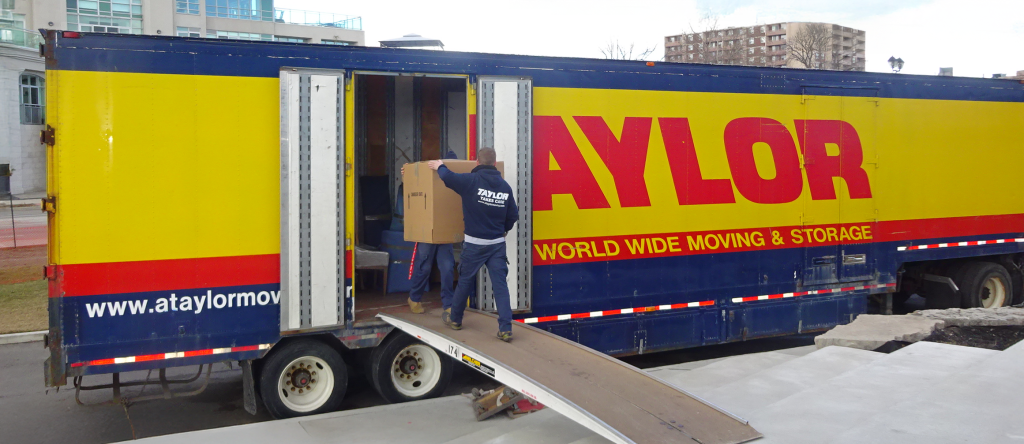
Choosing the right company to handle your international move is a big deal. It’s not like just moving across town; there are so many more moving parts, literally and figuratively. You want a company that knows the ins and outs of global relocations, not just someone who can pack a truck. Our international move management services are designed to take the stress out of this process for you.
How to Choose a Reliable International Mover
Finding a mover you can trust with your belongings across continents requires a bit of homework. It’s about more than just getting the lowest price. You need a partner who understands the complexities of international shipping, customs, and delivery to your new home. Look for companies with a proven track record in global relocations.
Here are some key things to consider:
- Experience: Do they specialize in international moves, or is it just an add-on service? Ask about their experience with moves to your specific destination country.
- Services: What exactly is included? Does it cover packing, loading, shipping, customs clearance, and final delivery? Understanding the full scope helps avoid surprises.
- Communication: How easy is it to get in touch with them? Are they responsive to your questions? Good communication is vital when coordinating a move across time zones.
- Reputation: What do past customers say? Look for reviews and testimonials, but also consider asking for references.
The sheer volume of paperwork and regulations involved in international moves can be overwhelming. A good moving company acts as your guide, helping you understand what’s needed and when.
Understanding Mover Accreditations and Credentials
Accreditations can be a good indicator of a mover’s commitment to quality and professionalism. While not every great mover will have every accreditation, some are more significant than others in the international moving space. For instance, organizations like the International Association of Movers (IAM) or FIDI (Fédération Internationale des Déménageurs Internationaux) often have standards that companies must meet. These credentials suggest a certain level of operational quality and adherence to industry best practices. It’s worth looking into what these accreditations mean for your move and how they relate to your relocation.
Key Questions to Ask Before Hiring Overseas Movers
Before you sign any contract, have a detailed conversation with potential movers. Don’t be afraid to ask tough questions. This is your chance to gauge their professionalism and get clarity on your move. Here are some important questions to consider:
- Who will be my main point of contact throughout the process?
- What is your estimated transit time from my current home to my new home?
- What are the payment terms and schedule?
- What insurance options are available for my shipment, and what do they cover?
- How do you handle customs clearance in the destination country?
- What happens if my shipment is delayed or damaged?
- Can you provide a detailed inventory of items being shipped?
Asking these questions helps you compare different international moving companies and make an informed decision. Remember, a good move management partner will be happy to answer all your questions clearly and thoroughly.
Special Logistics for Your Move
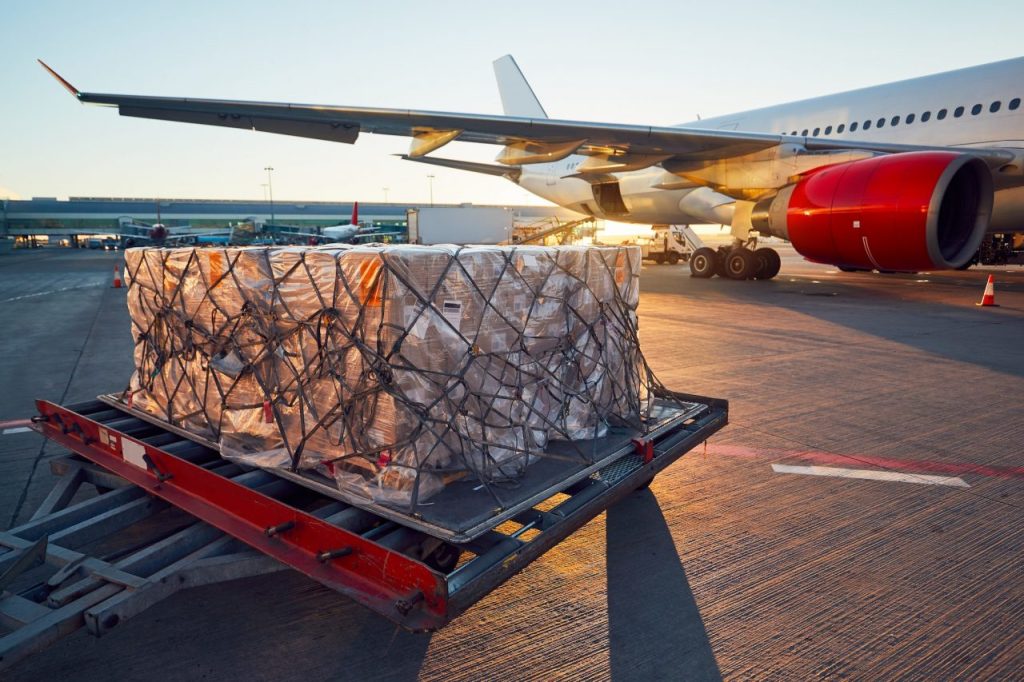
Moving internationally often involves more than just packing boxes. There are specific items and situations that require extra attention and planning. Our international move management service is designed to handle these complexities, making sure everything from your car to your cherished art collection arrives safely and without a hitch.
Shipping Vehicles Internationally
Shipping a car overseas can seem daunting, but it’s a common need for many international movers. The process involves several steps, and understanding them upfront can save you a lot of headaches. Most international moving companies can coordinate vehicle shipping as part of your overall relocation. This usually includes ensuring the vehicle is properly prepared for transit, handling the necessary paperwork for export and import, and arranging for transport via specialized carriers.
Here’s a general idea of what’s involved:
- Documentation: You’ll need proof of ownership (title), registration, and identification. Some countries may require additional import permits or inspections.
- Preparation: The vehicle typically needs to be cleaned inside and out. You’ll also need to declare the contents of the vehicle (usually, it should be empty except for essential items like a child car seat).
- Shipping Method: Options often include roll-on/roll-off (RoRo) services, where your car is driven onto a ship, or container shipping, where your car is loaded into a private container. RoRo is generally more cost-effective.
- Insurance: It’s wise to consider marine insurance to cover your vehicle during transit.
Our team can guide you through each of these stages, working with trusted partners to get your vehicle to your new home. You can find more details on preparing for an overseas relocation by reading our guide.
Moving Valuables and Fine Art Abroad
Items like jewelry, antiques, and fine art require a delicate touch. These aren’t your everyday household goods, and they need specialized packing and handling to prevent damage during transit. Our move management approach includes specific protocols for high-value items.
- Detailed Inventory: A precise inventory, often with photographic evidence, is created for all valuable items. This is crucial for insurance purposes and customs declarations.
- Customized Packing: We use specialized materials and techniques, such as custom crating, climate-controlled packing, and shock-absorbent materials, to protect fragile pieces.
- Insurance: Adequate insurance coverage is paramount. We help you understand your options to ensure your valuables are protected against loss or damage.
- Customs Considerations: Certain countries have specific regulations regarding the import of art or antiques, sometimes involving duties or permits. We help you navigate these requirements.
Preparing an Inventory for Overseas Shipments
A detailed inventory is more than just a list; it’s a critical document for your international move. It serves multiple purposes, from customs clearance to insurance claims and simply keeping track of your belongings.
When you work with our move management service, we help you create a thorough inventory that includes:
- A description of each item or box.
- The approximate value of the contents.
- The condition of the item before packing.
- Box numbers for easy identification upon arrival.
This meticulous approach helps minimize surprises and streamlines the entire process. It’s a key part of staying organized and ensuring a smooth transition to your new country.
Proper documentation and detailed inventories are not just bureaucratic necessities; they are your best defense against loss, damage, and unexpected delays. They provide clarity and accountability throughout the complex journey of an international move.
Moving special items? We handle everything from artwork to pianos with extra care. Our team is trained to pack and transport your most delicate belongings safely. Need help with tricky moves? Visit our website to learn more about our specialized packing services and get a free quote today!
You’ve Got This!
Moving across countries is a big deal, no doubt about it. It’s a lot to keep track of, from packing up your whole life to figuring out customs and getting settled in a new place. But by breaking it down, using a checklist, and getting help when you need it, you can totally do this. Remember, this whole process is about starting a new chapter, and with a little planning, it can be an exciting adventure. Take a deep breath, tackle one step at a time, and get ready for what’s next!
Frequently Asked Questions
What’s the first thing I should do when planning an international move?
The very first step is to get a good understanding of the basics of moving overseas. This means figuring out what’s involved, like how long it might take and what your main options are for shipping your belongings, such as by air or sea. Getting this overview helps you make a solid plan from the start.
How can I figure out how much my international move will cost?
To get a handle on costs, you’ll need to estimate all the expenses. Think about the price of packing, shipping, and any fees for customs. It’s also super important to look out for hidden costs that you might not expect, like insurance or special handling for certain items. Getting quotes from different moving companies will give you a clearer picture too.
What kind of paperwork do I need for moving my stuff to another country?
Every country has its own rules for bringing items in. You’ll likely need documents like a detailed list of everything you’re shipping (an inventory), passports, and maybe even special permits depending on what you’re moving. It’s wise to check the specific requirements for your destination country to avoid problems at customs.
How can I make moving less stressful for my kids?
Moving can be tough on children. Try to involve them in the packing process by letting them pack their favorite toys. Talk to them about the new place and what to expect, like new schools or parks. Keeping their routines as normal as possible before and after the move can also help them feel more secure.
How do I choose a moving company that I can trust with my belongings?
Picking the right mover is key. Look for companies that have good reviews and clear credentials. Ask them lots of questions about their experience with international moves, how they handle your items, and what happens if something goes wrong. A reliable company will be open and honest with you.
What if I need to ship my car or valuable items internationally?
Shipping special items like cars or valuable art requires extra planning. These items often need specific packing, insurance, and might have different customs rules. Make sure to discuss these details thoroughly with your moving company to ensure they have the expertise to handle them safely and according to regulations.
Leave a Comment