What to Do When Moving Internationally: Your Comprehensive Checklist
Moving to another country sounds like a big deal, and honestly, it is. There’s a lot to think about, from packing up your whole life to figuring out how to get it all there. This guide is here to help break down what to do when moving internationally, making the whole process feel a little less overwhelming. We’ll cover the big stuff like planning and budgeting, and the smaller, but just as important, details like customs and getting your family settled.
Key Takeaways
- Start planning your international move well in advance, creating a timeline that accounts for packing, shipping, and arrival.
- Get clear cost estimates from movers and watch out for extra charges that might pop up.
- Understand the paperwork needed for customs and know which items are restricted to avoid delays.
- Consider how your family, including pets or vehicles, will be moved and prepared for the new country.
- Choose a moving company you trust by asking questions and checking their credentials.
Planning Your International Move
Moving your life across borders is a big deal, and getting the planning right from the start makes all the difference. It’s not like moving across town; there are layers of complexity involved, from understanding different countries’ rules to figuring out the best way to get your belongings there. This is where good move management comes in handy, helping you sort through the details so you can focus on the excitement of your new adventure.
Understanding International Moving Basics
So, what exactly goes into an international move? It’s more than just packing boxes. You’re dealing with different countries, which means different regulations, languages, and ways of doing things. The first step is to get a handle on the general process and what services are typically included when you work with a professional international moving company. This often covers everything from packing and loading your goods onto a ship or plane, to handling customs paperwork, and even delivering to your new home. It’s about coordinating a lot of moving parts across vast distances. Think of it as a complex logistical puzzle where each piece needs to fit perfectly.
Creating Your International Moving Timeline
When you’re moving abroad, time is your friend, but it can also feel like it’s slipping away fast. Starting early is key. A good rule of thumb is to begin planning at least 2-3 months before your desired move date, but for really complex moves, even longer is better. Here’s a rough idea of how things might break down:
- 3-6 Months Out: Research moving companies, get initial quotes, and start decluttering. This is also a good time to look into visa requirements for your destination country.
- 2-3 Months Out: Finalize your moving company. Start packing non-essential items. Arrange for any necessary storage.
- 1 Month Out: Confirm shipping dates. Notify banks, subscriptions, and important contacts of your address change. Pack essentials you’ll need immediately upon arrival.
- 1-2 Weeks Out: Final packing. Arrange for utility shut-offs at your current home. Confirm travel arrangements.
A well-structured timeline helps prevent last-minute panic and ensures that critical steps, like securing necessary documentation or booking your preferred shipping method, aren’t missed. It turns a potentially overwhelming task into a series of manageable steps.
Choosing Between Air and Sea Freight
When it comes to getting your stuff overseas, you’ve generally got two main options: air freight or sea freight. Each has its pros and cons, and the best choice often depends on your priorities, budget, and how quickly you need your belongings.
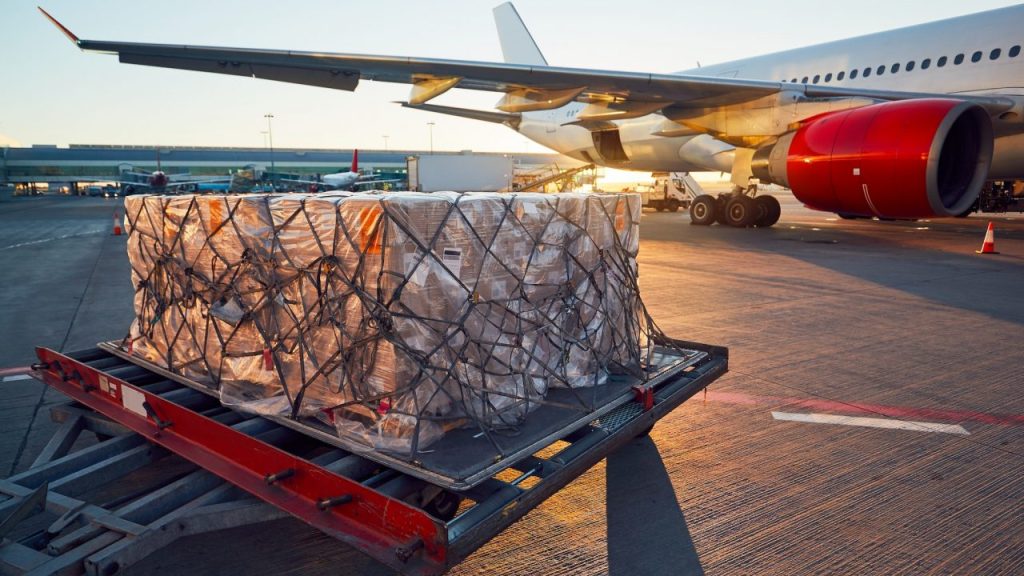
- Air Freight: This is the speedster of international shipping. It’s significantly faster than sea freight, often taking just a few days to a couple of weeks. It’s ideal if you need items quickly or if you’re only shipping a few valuable or essential items. However, it’s also the more expensive option. Think of it for those must-have items you can’t live without immediately.
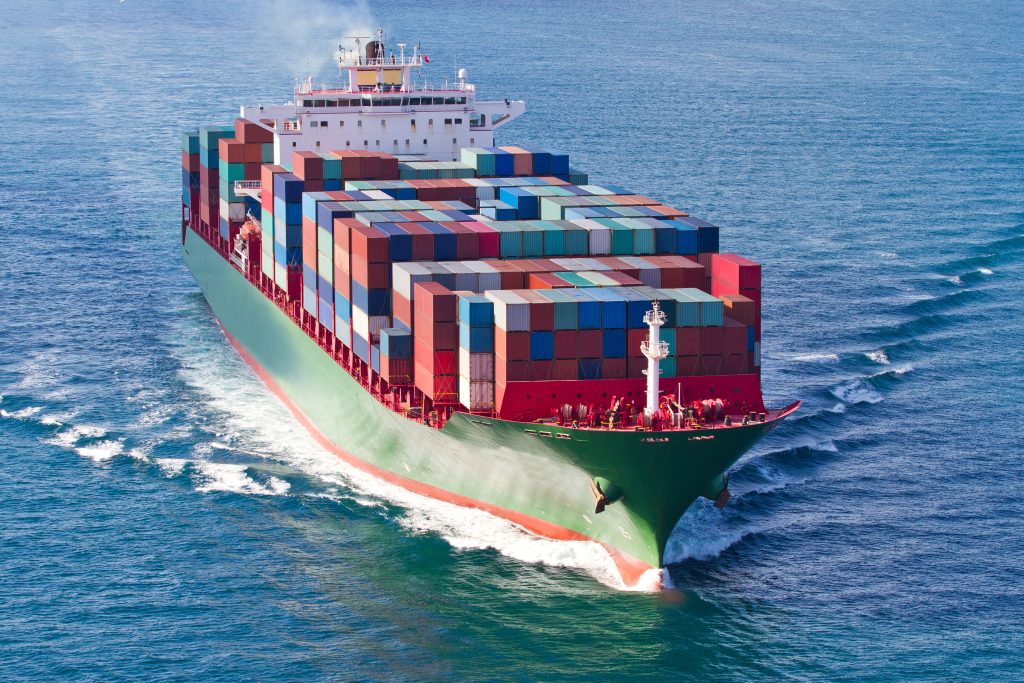
- Sea Freight: This is the more economical choice, especially for larger shipments. It takes longer, typically anywhere from 4 to 12 weeks, depending on the destination and route. Sea freight is great for furniture and the bulk of your household goods when cost is a bigger concern than speed. It’s a slower, more deliberate journey for your possessions.
Our move management services can help you weigh these options based on your specific needs and budget, making sure you choose the transport method that best suits your situation. Understanding these basics is the first step toward a successful international relocation checklist.
Navigating Costs and Budgeting
Moving your life across borders isn’t just about packing boxes; it’s a significant financial undertaking. Understanding the costs involved upfront can save you a lot of stress and unexpected bills down the line. Our international move management service helps you get a clear picture of what to expect, so you can budget wisely.
Estimating International Moving Expenses
When you start thinking about moving abroad, the price tag can seem daunting. It’s more than just the basic shipping fee. You’ve got to consider packing materials, insurance for your belongings, and any fees associated with getting your goods cleared in the new country. The size of your home, the distance you’re moving, and the services you choose all play a big role. For example, shipping a three-bedroom house from New York to London will naturally cost more than sending a few boxes from Canada to the US.
Here’s a general breakdown of what contributes to the cost:
- Volume and Weight: The more stuff you have, the more it costs to move.
- Distance: Longer distances mean higher transportation costs.
- Shipping Method: Air freight is faster but more expensive than sea freight.
- Packing Services: Professional packing adds to the cost but saves you time and reduces damage risk.
- Insurance: Protecting your belongings during transit is important and has a price.
- Destination Fees: These can include customs duties, taxes, and local delivery charges.
Identifying Hidden Costs of Moving Abroad
Beyond the obvious expenses, there are often costs that can catch people by surprise. These are the “hidden” fees that aren’t always clear when you first get a quote. Think about things like storage if your new home isn’t ready, special handling for delicate items, or even temporary accommodation if your shipment is delayed. It’s always a good idea to ask your move manager about potential extra charges. Being prepared for these can prevent budget blowouts.
Some common hidden costs include:
- Customs Duties and Taxes: These vary greatly by country and the type of goods you’re importing.
- Storage Fees: If your shipment arrives before you do, or if there are customs delays, you might incur storage costs.
- Specialized Packing: Items like pianos, large artwork, or vehicles often require special crating or handling.
- Port Fees and Documentation: Some ports charge fees for handling containers, and there might be administrative costs.
- Unpacking Services: While basic delivery is often included, full unpacking and debris removal might be an extra charge.
Planning for the unexpected is key. Always set aside a contingency fund for those costs that pop up out of nowhere. It’s better to have it and not need it than to be caught short.
Comparing International Moving Quotes Effectively
Getting quotes from different international moving companies is a smart move. However, not all quotes are created equal. You need to look closely at what’s included. Does the quote cover door-to-door service, or just to the port? What kind of insurance is offered, and what are the deductibles? Understanding the details in each quote is vital for making a fair comparison. Our move management service simplifies this process by helping you understand the nuances and compare apples to apples, focusing on value and reliability rather than just the lowest price.
When comparing quotes, pay attention to:
- Inclusions: What services are explicitly listed (packing, loading, shipping, customs clearance, delivery, unpacking)?
- Exclusions: What is not included that you might need?
- Transit Times: What are the estimated delivery windows for both air and sea freight?
- Insurance Coverage: What is the policy limit, and what is covered?
- Payment Terms: When are payments due, and what are the accepted methods?
- Reputation and Reviews: Look beyond the price to see what other customers say about their experience. Choosing a reliable mover is more important than finding the cheapest option.
Managing Customs and Documentation
Moving your life across borders means dealing with a whole new set of rules and paperwork. It can feel like a maze, but getting this right is super important for a smooth move. Our international move management service helps you sort through all of this, making sure you have what you need before your belongings even leave your old home.
Essential Customs Documents for International Relocation
Every country has its own import rules, and you’ll need specific documents to get your stuff through customs. Missing even one can cause big headaches. Generally, you’ll be looking at things like a detailed inventory list, customs declaration forms, and proof of your new residency. Sometimes, you might also need things like a visa or work permit copy. It’s a lot to keep track of, which is why having a plan and knowing what’s needed for your destination country is key. We help you gather and prepare these documents so you’re not scrambling at the last minute.
- Detailed Inventory List: This should list every item being shipped, its condition, and its value. It’s what customs officials use to assess your shipment.
- Customs Declaration Form: This is the official form where you declare the contents of your shipment to the destination country’s authorities.
- Proof of Residency/Ownership: Documents like utility bills, lease agreements, or property deeds from your new country can show you’re a legitimate resident.
- Identification: Passports and other forms of ID are usually required for verification.
Understanding What Can and Cannot Be Shipped
This is where things can get tricky. Most countries have lists of items that are restricted or outright banned. Think about things like certain foods, plants, firearms, hazardous materials, and even large amounts of alcohol or tobacco. Shipping these items can lead to confiscation, fines, or serious delays. It’s always best to check the specific regulations for your destination country well in advance. We can guide you on what’s generally allowed and what to avoid, helping you pack smart and avoid surprises.
It’s easy to overlook the small details when packing, but for international moves, those details can become major roadblocks. Always double-check country-specific import rules for everything from household goods to personal effects.
Reducing the Risk of Customs Delays
Customs delays are one of the most frustrating parts of moving abroad. They can happen for many reasons, but often it comes down to incomplete or incorrect documentation, or items that weren’t declared properly. The best way to avoid these delays is through meticulous preparation and clear communication with your moving partner. Having an accurate, detailed inventory is a huge help. Also, understanding prohibited items beforehand means you won’t accidentally try to ship something that will get held up. Our move management process is designed to catch these issues early, so your shipment moves through customs as quickly as possible. For example, moving from Canada to the U.S. has its own set of rules, and knowing them beforehand makes all the difference moving from Canada to the U.S..
Relocating Your Family and Possessions
Moving your whole life, especially with a family, to another country is a big deal. It’s not just about packing boxes; it’s about moving people, pets, and all your stuff. We get that this can feel overwhelming, but that’s where good planning and the right help make all the difference. Our international move management services are designed to take the stress out of this complex process, focusing on your family’s well-being and the safe arrival of your belongings.
Making International Moves Less Stressful for Children
Kids often pick up on parental stress, so keeping them calm and informed is key. Involving them in age-appropriate ways can help. Maybe they can help pack their own toys or choose a new bedroom set for their room in the new country. Talking about the move in a positive light, focusing on the exciting new adventures, can go a long way. It’s also helpful to maintain routines as much as possible, both before and after the move. Think about creating a special “first night” box with their favorite pajamas, a book, and a comfort item to make their new room feel like home right away.
- Talk openly: Explain what’s happening in simple terms. Address their fears and questions honestly.
- Involve them: Let them pack a “special box” of their own toys or books.
- Visit virtually: If possible, show them pictures or videos of their new neighborhood or school.
- Plan for fun: Schedule activities they’ll enjoy in the new location to give them something to look forward to.
Special Considerations for Moving Pets and Vehicles
Pets are family too, and moving them internationally requires careful planning. Each country has its own rules about importing animals, including vaccinations, microchipping, and quarantine periods. It’s best to start researching these requirements well in advance. Similarly, moving a vehicle overseas involves different processes depending on the destination. You’ll need to look into shipping methods, customs duties, and registration requirements in the new country. Our team can help you understand these specific logistics, making sure your furry friends and your car arrive safely and legally.
Shipping a vehicle internationally can be a complex process involving various regulations and costs. It’s important to research the specific requirements for your destination country, including import duties, taxes, and any necessary modifications to meet local standards. Understanding these details upfront can prevent unexpected expenses and delays.
Preparing an Inventory for Overseas Shipments
Creating a detailed inventory list is more than just a formality; it’s a critical step for tracking your possessions and for customs purposes. This list should include every item being shipped, with descriptions and estimated values. It helps in several ways: it provides a record for insurance claims if anything goes wrong, it assists customs officials in processing your shipment, and it gives you a clear overview of everything you’re sending. When you work with our international move management services, we guide you through the inventory process, making it thorough and accurate. This attention to detail is what sets a well-managed move apart. This comprehensive checklist can help you organize your packing and inventory.
Here’s a basic structure for your inventory:
| Box/Item Number | Description of Contents | Quantity | Estimated Value (USD) |
|---|---|---|---|
| 1 | Kitchenware (plates, bowls) | 20 | 200 |
| 2 | Books (fiction, non-fiction) | 30 | 150 |
| 3 | Children’s toys | 1 box | 100 |
| Vehicle | 2018 Honda Civic | 1 | 15000 |
| Pet | Cat (Siamese) | 1 | 500 |
Selecting Your International Moving Partner
Picking the right company to handle your international move is a big deal. It’s not like just hiring someone to move your couch across town. This is about getting all your worldly possessions from one country to another, safely and without a ton of headaches. You want someone who knows the ropes, understands all the paperwork, and can actually get your stuff there when they say they will. This is where a good move management partner makes all the difference.
When you’re looking for a mover, it’s easy to get overwhelmed. There are a lot of companies out there, and they all say they’re the best. But how do you actually figure out who’s reliable? It comes down to a few key things:
- Experience and Reputation: How long have they been doing international moves? Do they have good reviews? A company with a solid track record is usually a safer bet.
- Services Offered: Do they just move boxes, or do they offer full-service move management? This includes things like packing, customs clearance, and even setting up utilities in your new home. Our service handles all of this, so you don’t have to.
- Communication: Are they easy to get in touch with? Do they answer your questions clearly and promptly? Good communication is super important when you’re dealing with something as complex as an international move.
How to Choose a Reliable International Mover
Finding a mover you can trust is probably the most important step. You’re trusting them with your belongings, after all. Look for companies that have been around for a while and have a clear process for international relocations. We focus on providing clear, step-by-step guidance so you always know what’s happening with your move. It’s about building confidence through transparency.
Understanding Mover Accreditations and Certifications
Accreditations can be a good indicator of a mover’s commitment to quality. Organizations like FIDI, IAM, or AMSA have standards that companies need to meet to be certified. While these aren’t the only things to look at, they can help you weed out companies that don’t meet certain industry benchmarks. It’s another layer of assurance that you’re working with a professional outfit.
Key Questions to Ask Before Hiring a Mover
Don’t be shy about asking questions. The more you know upfront, the fewer surprises you’ll have later. Here are some good ones to start with:
- Who will be my main point of contact throughout the move?
- What is your process for handling customs clearance in the destination country?
- Can you provide a detailed breakdown of all costs involved, including any potential surcharges?
- What kind of insurance coverage do you offer for my belongings during transit?
- What is your estimated timeline for packing, shipping, and delivery?
Asking these questions helps you understand the mover’s capabilities and their approach to managing the complexities of an international relocation. It’s about getting a clear picture of what to expect and how they plan to handle your specific needs.
Choosing the right partner is about more than just price; it’s about peace of mind. Our move management approach is designed to take the stress out of your international relocation, providing clarity and support every step of the way. We help you get a clear picture of what to expect, making your move feel manageable. You can start planning your move by getting a quote for international moving services.
Settling Into Your New Country
You’ve made it! Your belongings are arriving, and you’re ready to start your new life. But let’s be honest, settling into a new country can feel like a whole other move in itself. It’s a big adjustment, and it’s totally normal to feel a mix of excitement and a little bit of overwhelm. Our international move management services are designed to help ease this transition, making sure the practicalities are handled so you can focus on what matters most: your family and your new home.
Addressing Family Settling-In Anxiety
Moving is tough on everyone, but kids often feel it the most. They’re leaving behind friends, familiar routines, and maybe even a beloved pet. It’s important to acknowledge their feelings and help them adjust. Creating a sense of normalcy as quickly as possible is key. This might mean unpacking their favorite toys first or finding a local park they can explore.
- Talk openly: Let your children express their worries and excitement. Validate their feelings, whatever they may be.
- Establish routines: Try to recreate familiar daily schedules, like meal times and bedtime rituals, to provide a sense of stability.
- Explore together: Make discovering the new surroundings a family activity. Visit local attractions, playgrounds, or even just the neighborhood grocery store.
- Connect with others: Help your children find ways to meet new friends, whether through school, local clubs, or organized activities.
The emotional side of moving is often overlooked. While we focus on packing boxes and paperwork, the feelings of leaving and arriving are significant. Being prepared for these emotional waves, for yourself and your family, can make a world of difference.
Understanding Housing and Schooling Options Abroad
Finding a place to live and figuring out schooling are usually top priorities. These can be complex processes, especially in a new country with different systems. Your move management partner can often provide resources and guidance on these fronts, helping you understand the local landscape.
- Housing: Research rental markets, typical lease agreements, and neighborhood characteristics. Consider factors like commute times to work or school.
- Schooling: Investigate the education system, including public vs. private options, enrollment procedures, and curriculum differences. Visiting potential schools, if possible, can be very helpful.
- Utilities and Services: Setting up electricity, water, internet, and phone services can be a hurdle. Understanding the local providers and setup processes is important.
Navigating Life in a New Cultural Environment
Every country has its own unique culture, customs, and social norms. Embracing these differences is part of the adventure, but it can also be challenging. Being open-minded and patient with yourself and others is crucial.
- Learn basic phrases: Even a few words in the local language can go a long way in daily interactions.
- Observe and adapt: Pay attention to local customs, etiquette, and social cues. This shows respect and helps you integrate more smoothly.
- Seek local advice: Connect with people who have lived in the area for a while. They can offer practical tips and insights you won’t find in guidebooks.
- Stay connected: While it’s important to embrace your new environment, maintaining connections with friends and family back home can provide comfort and support during the adjustment period. Our services aim to simplify the physical move, allowing you more energy to focus on these important aspects of settling in. International moving basics are just the start; the real journey is making a new place feel like home.
Getting settled in a new country can feel like a big adventure! From figuring out new customs to finding your way around, it’s a lot to take in. We’re here to help make that transition smoother. Visit our website to discover helpful tips and resources for your move.
You’ve Got This!
Moving across countries is a big deal, no doubt about it. There’s a lot to think about, from packing up your whole life to figuring out customs and getting settled in a new place. But by breaking it down, using a checklist, and getting help from the right people, you can totally do this. Remember, it’s not just about moving your stuff; it’s about starting a new chapter. Take a deep breath, trust the process, and get ready for your next adventure. You’ve put in the work, and now it’s time to enjoy the journey.
Frequently Asked Questions
How do I know if an international moving company is trustworthy?
To find a reliable mover, look for companies that have good reviews and clear communication. Check if they belong to reputable industry groups, which often means they follow certain quality rules. Asking them specific questions about how they handle your belongings and who directly manages your shipment will also give you a better idea of their professionalism.
What are the biggest worries when moving my family, especially with kids?
Moving a family, especially with children, can bring up worries about how everyone will adjust. For kids, the change in schools, friends, and their familiar surroundings can be tough. It’s important to involve them in the process as much as possible and reassure them about the new adventure. For adults, thinking about finding a new home and getting settled in can also be a big concern.
What special things do I need to consider when moving pets or my car?
Moving pets internationally involves a lot of planning. Each country has its own rules about bringing animals in, like required shots, quarantine periods, and specific travel crates. Similarly, shipping a vehicle can be complex, with different customs rules and shipping methods to consider. These items often need extra time and careful planning.
How can I avoid unexpected costs when moving overseas?
To avoid surprise costs, get detailed quotes from movers and ask about everything that’s included. Be aware of potential extra charges for things like packing special items, long-distance transport to your new home, or storage. Understanding what might add to the bill beforehand helps you budget more accurately.
What’s the difference between shipping by air and by sea?
Shipping by air is much faster but usually more expensive. It’s a good choice for essential items you need quickly. Shipping by sea is slower, often taking weeks or even months, but it’s generally more budget-friendly, especially for larger amounts of household goods. The best option depends on how fast you need your things and how much you’re willing to spend.
How do I prepare for the customs process in my new country?
Getting ready for customs means gathering all the necessary paperwork, like passports, visas, and a detailed list of everything you’re shipping. You’ll also need to know what items are allowed into the country and which ones are restricted or banned. Understanding these rules ahead of time can help prevent delays and make the process smoother.
Leave a Comment