What is International Moving? A Comprehensive Guide for Global Relocations

Thinking about packing up your life and moving to another country? It sounds exciting, but it can also feel like a lot. This whole process of moving your belongings from one nation to another is what we call international moving. It’s not quite like moving across town; there are more steps, more paperwork, and definitely more things to think about. We’ll break down what international moving really is and what you need to know to get your stuff from point A to point B across borders.
Key Takeaways
- International moving means relocating your household goods from one country to another, which is different from domestic moves.
- You’ll need to deal with customs, specific documentation, and understand what items are allowed or restricted in your destination country.
- Planning your international move requires a detailed timeline, considering transit times and potential delays that are longer than local moves.
- The cost of moving abroad can vary greatly; it’s important to understand all the factors and compare quotes carefully to avoid surprises.
- Choosing the right international moving company involves asking the right questions and checking their credentials to ensure your belongings are handled safely.
Understanding What Is International Moving
Defining International Moving Services
So, you’re thinking about moving your life across borders. That’s a big step! International moving isn’t just packing up your stuff and sending it off; it’s a whole different ballgame compared to moving across town. It involves coordinating logistics across countries, dealing with different regulations, and making sure your belongings arrive safely and legally at your new home.
Our international move management services are designed to take the headache out of this complex process. We handle everything from the initial planning stages to the final delivery, acting as your single point of contact. This means you don’t have to juggle multiple companies or worry about the details falling through the cracks. We focus on providing a clear, organized approach to your global relocation.
Distinguishing Between Domestic and International Moves
Moving within your own country has its challenges, sure, but moving internationally adds layers of complexity. Think customs, different languages, varying shipping regulations, and longer transit times. A domestic move might involve a truck and a few days of travel. An international move often means sea or air freight, which takes weeks or even months, and requires a lot more paperwork.
Here’s a quick look at some key differences:
- Distance: Obviously, international moves cover much greater distances.
- Regulations: You’ll encounter customs inspections, import duties, and country-specific rules for what you can bring.
- Logistics: Coordinating international shipping, warehousing, and final delivery requires specialized knowledge and a global network.
- Documentation: The amount and type of paperwork are significantly higher for international moves.
Our move management approach helps bridge this gap, providing the specialized support needed for overseas shipments.
Key Components of Global Relocation
When you’re planning an international move, there are several moving parts to consider. It’s not just about the physical transport of your goods. A successful global relocation involves a coordinated effort across several key areas:
- Pre-Move Planning: This includes surveys of your belongings, creating a detailed inventory, and developing a personalized moving plan.
- Professional Packing: Using specialized materials and techniques to protect your items during long-distance transit.
- International Transportation: Arranging for sea freight (more economical for larger shipments) or air freight (faster but more expensive).
- Customs Clearance: Navigating the import/export regulations and documentation required by both the origin and destination countries. This is where customs and documentation requirements can become quite intricate.
- Destination Services: This can include unpacking, debris removal, and setting up your new home.
- Move Management: Overseeing the entire process, managing timelines, and troubleshooting any issues that arise.
Managing all these components effectively is what separates a stressful move from a smooth transition. Our goal is to simplify this for you.
We work with a network of trusted partners to manage each of these components, providing you with a single point of accountability and a clear overview of your relocation’s progress. This structured approach helps reduce the anxiety often associated with moving abroad.
Navigating the Complexities of International Moves
Moving your life to another country is a big deal, and honestly, it can feel pretty overwhelming. There’s a lot more to think about than just packing boxes. You’ve got customs rules, tons of paperwork, and figuring out what you can even take with you. It’s easy to get bogged down in the details, but that’s where good planning and the right help make all the difference.
Understanding Customs and Documentation Requirements
Every country has its own set of rules for what you can bring in. This is where things can get tricky. You’ll need to gather specific documents, and missing even one can cause major headaches, like your shipment getting held up at the border. Think about things like passports, visas, and maybe even specific forms for household goods. Our international move management service helps you sort through this maze, making sure you have everything in order before your belongings even leave your old home. We keep track of the requirements for your destination country so you don’t have to.
Addressing Paperwork Anxiety for Overseas Shipments
Let’s be real, paperwork is nobody’s favorite part of moving. For international moves, it’s even more intense. You’ll likely need an inventory list, customs declarations, and possibly other country-specific forms. Getting this documentation right is key to a smooth transition. We help simplify this process by providing clear checklists and guiding you through each document. Our goal is to take the stress out of the paperwork so you can focus on settling into your new life.
What Can and Cannot Be Shipped Internationally
This is a common question, and the rules vary quite a bit. Most household items are fine, but there are restrictions on certain things. You usually can’t ship hazardous materials, perishables, or sometimes even alcohol or firearms, depending on the destination. Some countries have strict rules about plants, food, or even used clothing. It’s important to know these limitations beforehand to avoid surprises. We can provide you with a list of commonly restricted items for your destination, helping you decide what to pack and what to leave behind or arrange separately. This way, you avoid unexpected charges or having items confiscated.
It’s always better to be overprepared when it comes to international shipping regulations. A little extra time spent understanding the rules can save you a lot of trouble down the line, like costly delays or items being returned.
Here’s a general idea of what’s often restricted:
- Hazardous Materials: Paints, aerosols, cleaning supplies, flammable liquids.
- Perishables: Fresh food, plants, and sometimes even certain types of dried goods.
- Firearms and Ammunition: Heavily regulated and often prohibited.
- Alcohol and Tobacco: Subject to strict import duties and quantity limits.
- Certain Antiques or Cultural Artifacts: May require special permits or be prohibited.
Understanding these details is part of our international move management. We work with you to make sure you’re aware of what can and cannot be shipped, helping you plan accordingly. Learn about common shipping restrictions to get a head start.
Planning Your International Relocation Timeline
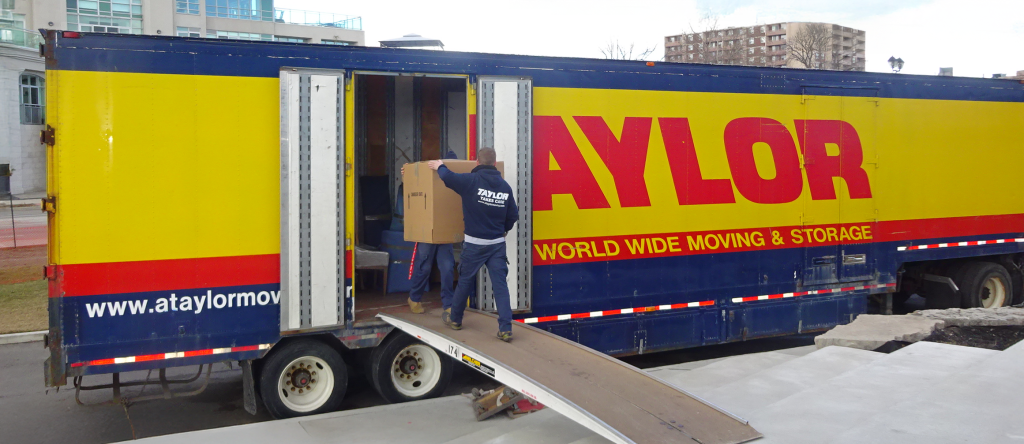
Moving your life across borders isn’t like packing up for a weekend trip. It takes serious planning, and honestly, a bit of patience. Getting the timeline right is probably one of the most important parts of the whole process. If you start too late, you’ll find yourself scrambling, stressed, and potentially missing important deadlines. Our international move management services are designed to help you map this out, step by step.
Establishing a Realistic Moving Timeline
When you’re planning an international move, think in months, not weeks. A good rule of thumb is to start the planning process at least 2-3 months before your desired shipping date, but even earlier is better if possible. This gives you enough breathing room to get quotes, sort out paperwork, and make all the necessary arrangements without feeling rushed. We help you create a personalized schedule based on your specific needs and destination.
Here’s a general idea of how things might break down:
- 8+ Weeks Out: Research moving companies, get initial quotes, and understand customs requirements for your destination country. Start decluttering and making a list of what you’ll be moving.
- 6-8 Weeks Out: Finalize your moving company. Confirm packing dates, shipping methods (air vs. sea freight), and insurance details. Begin packing non-essential items.
- 4-6 Weeks Out: Packing by the movers usually happens around this time. Continue packing yourself. Arrange for any necessary storage at your destination.
- 2-4 Weeks Out: Confirm delivery details. Handle final utility shut-offs and set up services at your new home. Pack an “essentials” box for immediate arrival.
- 1 Week Out: Final confirmations with the moving company. Pack your travel documents and personal items.
The biggest mistake people make is underestimating how long everything takes. Customs can be unpredictable, and shipping schedules can shift. Building in buffer time is key to a less stressful move.
Understanding Transit Times and Potential Delays
Transit times can vary wildly depending on where you’re moving and how your belongings are being shipped. Sea freight is generally more budget-friendly but takes significantly longer – think weeks or even months. Air freight is much faster, often just days, but comes with a higher price tag. It’s important to discuss these options with your move manager to find the best fit for your budget and timeline. We provide clear estimates for transit times based on your specific route.
Some common reasons for delays include:
- Customs inspections or issues with documentation
- Port congestion or weather disruptions
- Unforeseen logistical challenges
- Holidays or local events in the origin or destination country
When to Start Planning Your International Move
Seriously, the sooner the better. For most international relocations, starting your planning at least three months in advance is highly recommended. This allows ample time for research, getting accurate quotes, packing, and handling all the necessary paperwork without last-minute panic. Our goal is to make this complex process manageable, and that starts with giving you the time you need to prepare properly. Planning ahead helps avoid surprises and ensures a smoother transition to your new home.
Calculating the Costs of Moving Abroad
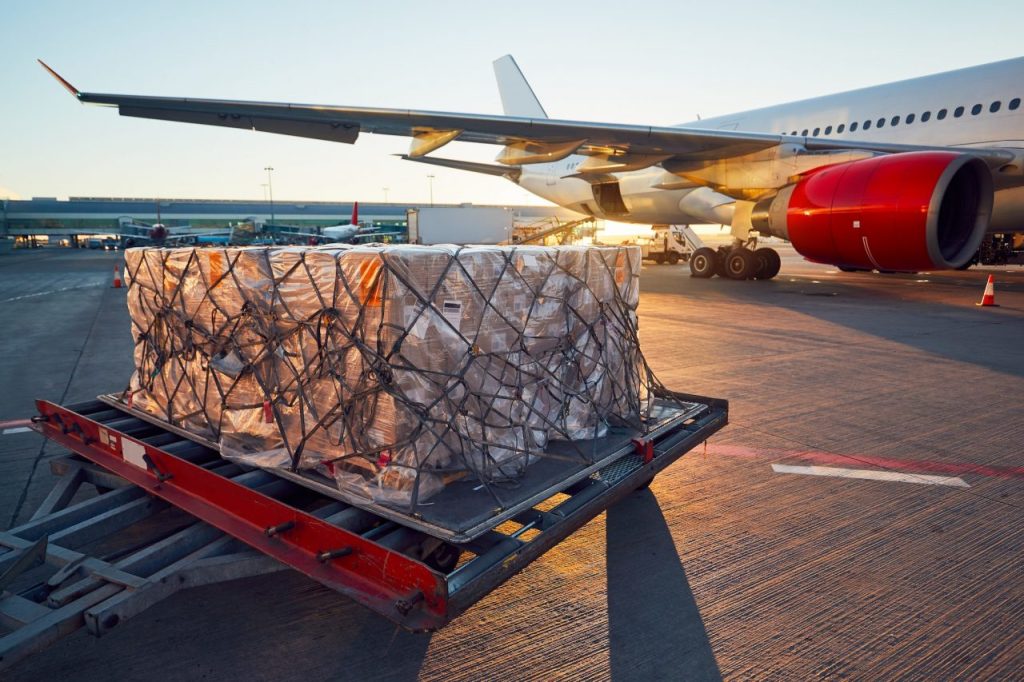
Moving your life to another country is a big step, and figuring out the cost is a big part of that. It’s not just about the price tag on a shipping container; there are many layers to consider. Our international move management service helps break down these costs so you know exactly what to expect.
Factors Influencing International Moving Expenses
The price of an international move can swing quite a bit depending on several things. The distance you’re moving, of course, plays a role. Shipping your belongings from New York to London will naturally cost differently than shipping from Los Angeles to Sydney. The volume and weight of your items are also major factors. More stuff means a bigger container, more packing materials, and more labor, all of which add up. The type of shipping you choose also matters – air freight is faster but more expensive than sea freight. Then there’s the level of service you need. Do you want full packing services, or will you pack yourself? What about unpacking and debris removal at your destination? These services come at different price points.
Here’s a general idea of what influences the cost:
- Distance: The further the move, the higher the cost.
- Volume/Weight: More items mean a higher price.
- Shipping Method: Air freight vs. sea freight.
- Services: Packing, unpacking, storage, specialized handling.
- Insurance: Protecting your belongings during transit.
- Destination Fees: Port fees, customs duties, and taxes in the new country.
Identifying Potential Hidden Costs
Sometimes, the biggest surprises come from costs you didn’t see coming. Customs duties and taxes are a common one; each country has its own rules, and these can add a significant amount to your bill. Storage fees can also pop up if there are delays in customs or if your new home isn’t ready when your shipment arrives. Don’t forget about potential fees for navigating difficult delivery locations, like apartments with no elevator access or narrow streets. Some movers might also charge extra for packing specific items, like fragile glassware or large furniture. It’s always best to ask about these upfront.
It’s easy to get caught up in the main quote, but a little digging into potential extra charges can save you a lot of stress and money down the line. Think about things like temporary storage, special customs inspections, or even the cost of shipping items that might be restricted in your new country.
Comparing International Moving Quotes Effectively
When you start getting quotes, it’s tempting to just pick the lowest number. But that’s not always the smartest move. You need to compare apples to apples. Make sure each quote includes the same services. Ask for a detailed breakdown of what’s included and what’s not. Look for transparency in pricing. Our move management approach focuses on providing clear, detailed quotes so you can see exactly where your money is going. Using a tool to help estimate your costs can be a good starting point. Get accurate international moving costs with our calculator to compare prices and plan your overseas move with expert moving services.
When comparing, consider these points:
- Inclusions: Does the quote cover packing, loading, shipping, unloading, and basic destination services?
- Exclusions: What fees are not included (e.g., customs duties, storage, special handling)?
- Transit Time: How long is the estimated delivery window?
- Insurance Options: What coverage is provided, and what are the upgrade costs?
- Payment Terms: When are payments due, and what are the methods accepted?
Choosing the Right International Moving Company
Finding the right company to handle your international move can feel like a big task. It’s not just about getting your stuff from point A to point B; it’s about peace of mind. You want a partner who understands the complexities of global relocation and can manage the process smoothly. Our international move management services are designed to do just that, taking the stress out of your hands.
Questions to Ask Before Hiring Movers
When you’re vetting potential international moving companies, asking the right questions is key. Don’t be shy! You’re entrusting them with your belongings, so get all the details upfront. Here are some important things to inquire about:
- What specific services are included in your quote? Make sure you understand if packing, unpacking, customs clearance assistance, and insurance are covered. We always provide a clear breakdown of what our move management includes.
- Who will be handling my shipment at each stage? It’s important to know if the company you hire directly manages the move or if they use third-party agents. We maintain a strong network of trusted partners globally.
- What is your process for handling customs and documentation? A good mover will have a clear system for managing the paperwork required for international shipping. We guide you through this process step-by-step.
- How do you handle claims for damaged or lost items? Understand their insurance policies and the claims procedure. This is a critical question to ask to protect your interests.
- Can you provide references or testimonials from recent international moves? Hearing from past clients can offer real insight into their service quality.
Understanding Mover Accreditations and Trust Signals
Accreditations and affiliations can be good indicators of a mover’s commitment to professionalism and reliability. While not the only factor, they can help build confidence. Look for companies that are members of reputable industry organizations. These groups often have codes of conduct and standards that members must adhere to. For instance, organizations like FIDI, IAM, or AMSA represent established players in the international moving industry. Understanding what these accreditations mean can help you compare different providers more effectively. We are proud to be part of a network that prioritizes quality and customer satisfaction.
Evaluating Service Quality and Value
When comparing international moving companies, it’s easy to get caught up in just the price. But remember, the cheapest option isn’t always the best value. Think about the overall service quality and what you’re getting for your money. Does the company have a robust move management system in place? Do they use technology to keep you informed? The true value lies in a reliable, stress-free experience from start to finish. Consider the company’s communication style, their responsiveness to your questions, and their track record. A company that offers clear communication and proactive problem-solving often provides better long-term value, even if the initial quote is slightly higher. We focus on providing a superior customer experience globally, combining advanced systems with a dedicated team to manage your move.
Special Considerations for International Relocations
Moving your whole life to another country is a big deal, and some things just don’t fit neatly into the standard moving boxes. We’re talking about your furry family members, your trusty car, or even just figuring out the best way to get your favorite armchair across the ocean. These aren’t your everyday moving challenges, but they’re definitely part of the international relocation puzzle.
Moving Pets and Vehicles Across Borders
When it comes to pets, every country has its own set of rules. Think vaccinations, quarantine periods, and specific travel crates. It’s not just about booking a flight; it’s about making sure your pet meets all the health and entry requirements. Our international move management service helps sort through this maze, coordinating with pet transport specialists to make sure your animal companion arrives safely and legally. The same goes for vehicles. Shipping a car internationally involves a lot of paperwork, including customs declarations, proof of ownership, and sometimes even special inspections. We can help you understand what’s needed and connect you with reliable vehicle shipping partners.
- Pet Relocation Checklist:
- Research destination country’s import laws for pets.
- Ensure all required vaccinations are up-to-date.
- Secure appropriate travel kennels that meet airline or shipping standards.
- Arrange for microchipping if not already done.
- Vehicle Shipping Considerations:
- Determine if shipping is more cost-effective than buying a new vehicle abroad.
- Understand import duties and taxes in the destination country.
- Choose between roll-on/roll-off or container shipping.
Don’t underestimate the time needed for pet and vehicle logistics. These items often require the longest lead times and the most detailed documentation.
Relocating Families and Children Abroad
Moving with children adds another layer of complexity. You’re not just moving belongings; you’re moving a whole family’s sense of stability. We help families plan for the emotional and practical aspects of moving children. This includes researching school systems in your new country, finding suitable housing that meets family needs, and preparing children for the changes ahead. Our goal is to make the transition as smooth as possible for everyone, minimizing stress and helping your family settle into your new home. We can provide resources and support to help you find the right schools and communities.
Planning for Retirement in a New Country
Retiring abroad is an exciting prospect for many, but it requires careful planning. Beyond the actual move, you’ll need to consider healthcare systems, financial regulations, and local living costs. Our international move management can assist with the logistical side of relocating your household, allowing you to focus on the bigger picture of your retirement. We help you understand the process of shipping your belongings so you can arrive at your new destination with peace of mind, ready to enjoy your retirement. For those planning their golden years in a new land, understanding the nuances of moving internationally to Canada or other popular retirement destinations is key.
Moving to another country can be tricky. There are many rules and papers to sort out, like customs and what you can bring. We make it easier by helping you understand all the important details. Need help with your international move? Visit our website for tips and to get a free quote!
Wrapping Up Your Global Move
So, moving your life across borders might seem like a huge task, and honestly, it can be. But with the right planning and a good team by your side, it’s totally doable. We’ve talked about everything from figuring out the costs and paperwork to making sure your family, pets, and all your stuff get where they need to go safely. Remember, it’s not just about packing boxes; it’s about starting a new chapter. Take your time, ask questions, and don’t be afraid to get help. This whole international moving thing is a big deal, but it’s also an exciting adventure waiting to happen. Good luck with your relocation!
Frequently Asked Questions
What exactly is international moving?
International moving is basically packing up your life and sending it to another country. It’s more than just a local move; it involves crossing borders and dealing with different rules and paperwork. Think of it as a big adventure for your belongings, needing careful planning to get them safely from your old home to your new one overseas.
How is moving to another country different from moving within my own country?
Moving within your own country is like taking a road trip. Moving internationally is like flying to a whole new continent! You’ll deal with customs, different laws about what you can bring, and much longer travel times for your stuff. It requires a lot more paperwork and specialized movers who know the international rules.
What kind of stuff can I NOT ship overseas?
Most common household items are fine, but there are rules. You generally can’t ship dangerous items like explosives or flammable liquids. Some countries have strict rules about food, plants, or even certain types of furniture. It’s always best to check the specific rules for your destination country before you pack anything unusual.
How long does it take to plan an international move?
You’ll want to start planning pretty early, usually a few months before you want to move. This gives you time to get quotes from moving companies, sort out all the paperwork, and pack everything without rushing. The actual shipping time can vary a lot, from a few weeks to a few months, depending on how far you’re going and the shipping method.
How much does it cost to move internationally?
The cost can really add up! It depends on how much stuff you have, how far it’s going, and if you choose faster shipping like by air or slower, cheaper shipping by sea. Don’t forget to factor in things like insurance, customs fees, and any special packing needed. Getting a few quotes from different companies is key to understanding the price.
How do I find a trustworthy international moving company?
Finding a good mover is super important. Look for companies that have good reviews and are part of professional groups, like FIDI or IAM. Ask them lots of questions: Where will my stuff be stored? Who is actually handling the delivery in the new country? Make sure they are clear about all the costs involved and have good customer service.
Leave a Comment