What to Do When Moving Internationally: Your Essential Checklist
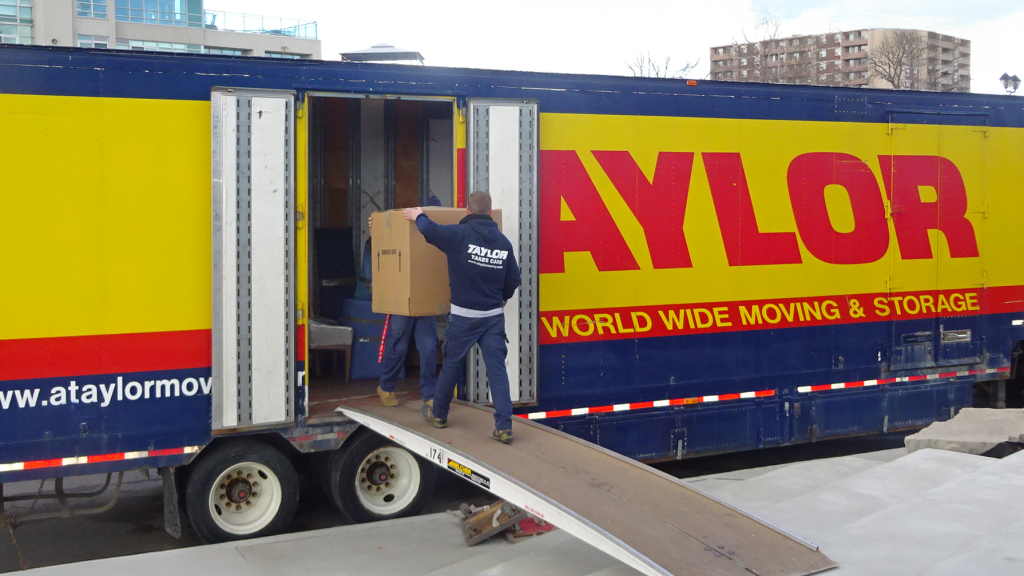
Moving to another country can feel like a huge task, right? There’s so much to think about, from packing your favorite mug to figuring out all the paperwork. This guide is here to break down what to do when moving internationally, making it feel a lot less overwhelming. We’ll cover the big stuff, like planning and costs, and the smaller details, like getting your pet ready. Think of this as your roadmap to a smoother move abroad.
Key Takeaways
- Start planning your international move well in advance, creating a clear timeline for each step.
- Understand the documents needed for customs and what items you can and cannot ship to avoid delays.
- Research the costs involved, including potential hidden fees, and compare quotes from different movers.
- Choose a mover carefully by asking questions and checking their credentials to ensure they are reliable.
- Prepare your family, especially children, for the transition and plan for settling into your new community.
Planning Your International Relocation
Moving to another country is a big deal, and honestly, it can feel a bit overwhelming at first. But with a solid plan, it becomes much more manageable. Think of it like preparing for a long trip, but with more boxes and a lot more paperwork. The key is to start early and break down the process into smaller, doable steps. Our international move management service is designed to help you do just that, taking the stress out of the big picture so you can focus on the exciting parts of your new adventure.
Understanding International Moving Basics
When you decide to move abroad, you’re not just packing up your house; you’re preparing for a whole new chapter. It’s important to get a handle on how international moves actually work. This involves understanding the different ways your belongings can travel, the general timeline involved, and what services are typically included when you work with a professional move manager. We help clarify these basics, so you know what to expect from start to finish.
Creating Your International Moving Timeline
Setting up a timeline is probably one of the most helpful things you can do. It gives you a roadmap and prevents that last-minute panic. Generally, you’ll want to start planning at least 2-3 months before your desired move date. This gives you enough time to get quotes, sort through your belongings, and handle all the necessary arrangements. A good timeline includes:
- 3+ Months Out: Research moving companies, get initial quotes, and start decluttering.
- 2 Months Out: Finalize your mover, confirm shipping dates, and begin packing non-essential items.
- 1 Month Out: Pack most of your belongings, arrange for utility shut-offs, and gather important documents.
- 1-2 Weeks Out: Pack your essentials box, confirm delivery details, and notify relevant parties of your address change.
Planning ahead is your best friend when moving internationally. It allows for smoother transitions and fewer surprises along the way.
Choosing Between Air and Sea Freight
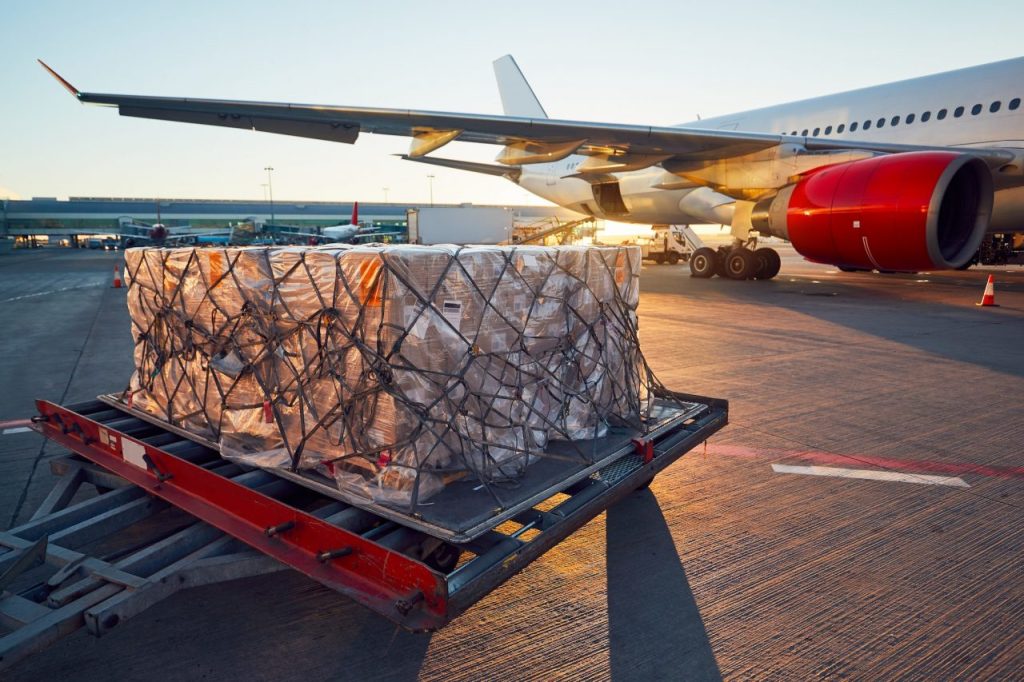
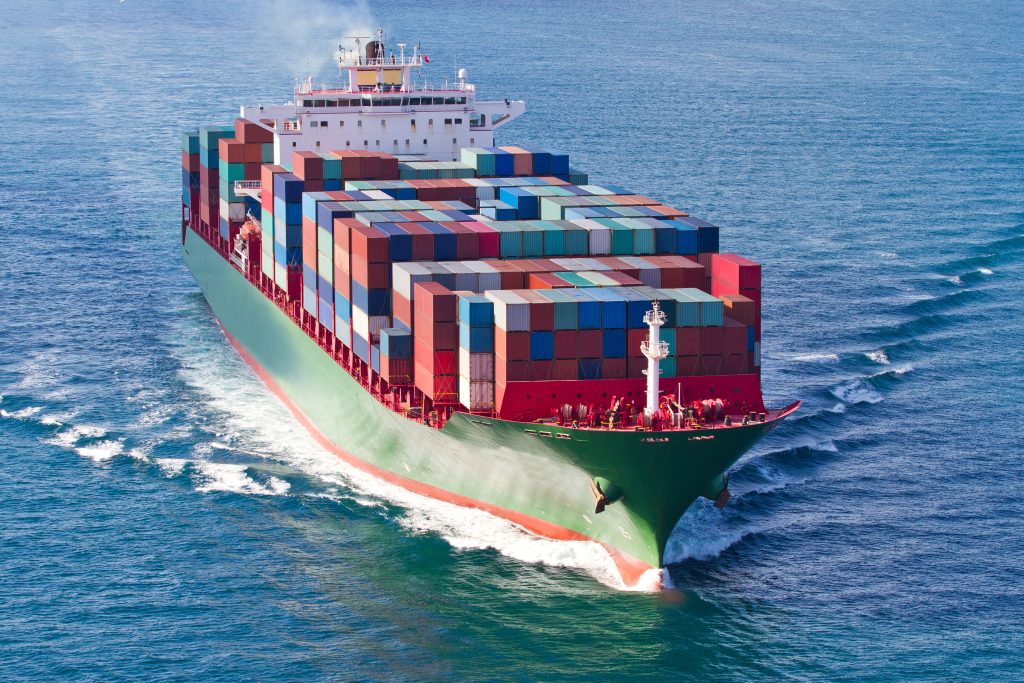
One of the big decisions you’ll make is how your items will get to your new home. The two main options are air freight and sea freight. Air freight is faster, which is great if you need things quickly or are only moving a few items. However, it’s usually more expensive. Sea freight, on the other hand, takes longer – often weeks or even months – but it’s a more budget-friendly choice, especially for larger shipments. We can help you weigh the pros and cons of each based on your specific needs and budget for your move.
Navigating Customs and Documentation
Moving your life across borders means dealing with a whole new set of rules and paperwork. It can feel like a maze, but understanding the basics of customs and documentation makes a huge difference. Getting this right is key to avoiding unexpected delays and headaches. Our international move management service helps you sort through this complexity, making sure your belongings arrive without a hitch.
Essential Customs Documents for International Moves
Every country has its own import regulations, and you’ll need specific documents to clear your shipment. While the exact list can vary, here are some common ones you’ll likely encounter:
- Passport/Visa Copies: Proof of your identity and legal right to enter the destination country.
- Detailed Inventory List: A comprehensive list of everything you’re shipping, including item descriptions, quantities, and estimated values. This is often called a “packing list” or “inventory.” It’s super important for customs officials.
- Customs Declaration Form: This is a standard form required by most countries to declare the contents of your shipment.
- Proof of Ownership/Residence: Documents showing you’ve owned the items for a certain period or that you’re establishing residency in the new country.
We work with you to gather and prepare these documents accurately. This proactive approach is part of our move management process, designed to smooth out the journey for your possessions.
Understanding What Can and Cannot Be Shipped
This is where things can get tricky. Most countries have lists of prohibited or restricted items. These often include things like:
- Hazardous Materials: Flammable liquids, explosives, corrosives, etc.
- Certain Food Items: Depending on the country, fresh produce, meats, or dairy might be restricted to prevent the spread of pests or diseases.
- Weapons and Ammunition: Strict regulations usually apply.
- Illegal Drugs and Narcotics: Obviously.
- Counterfeit Goods: Shipping fake designer items can lead to serious trouble.
Some items might be allowed but require special permits or declarations, like alcohol, tobacco, or even certain types of plants and animals. It’s always best to check the specific import regulations for your destination country well in advance. Our team can guide you on these restrictions, helping you decide what’s worth shipping and what’s best left behind. You can find more details on preparing for your move and customs clearance at international pre-move steps.
Reducing the Risk of Customs Delays
Customs delays are a common frustration for international movers. They can happen for many reasons, but a lot of them can be avoided with careful planning and accurate information. Here’s how we help minimize those risks:
- Accurate Documentation: Double-checking all forms and declarations for errors or omissions is critical. Even small mistakes can cause hold-ups.
- Proper Item Classification: Ensuring all items are correctly listed and declared, especially anything that might be considered unusual or subject to specific duties.
- Understanding Country-Specific Rules: Each country has unique requirements. Knowing these upfront prevents surprises.
- Working with Experienced Partners: Our network of global partners understands local customs procedures, which helps expedite the process.
Being prepared is half the battle when it comes to customs. It’s not just about having the right papers; it’s about having the right information and presenting it clearly. Our move management service focuses on this clarity, aiming to make your international move as predictable as possible.
By partnering with us, you gain a dedicated team that manages the intricate details of customs and documentation, allowing you to focus on settling into your new life abroad. For a broader overview of planning your international relocation, check out our international moving checklist.
Managing the Costs of Moving Abroad
Moving your life to another country is a big deal, and figuring out the costs can feel overwhelming. It’s not just about the big stuff like shipping containers; there are many smaller things that add up. Understanding these costs upfront is key to avoiding surprises. Our international move management service helps break down these expenses so you know what to expect.
Factors Influencing International Moving Costs
The price of an international move isn’t set in stone. Several things play a role:
- Volume and Weight: The more stuff you have, the more it will cost to move. We help you sort through what’s truly necessary.
- Distance: Moving across the globe costs more than moving to a neighboring country. We work with a network of global partners to manage these long hauls.
- Mode of Transport: Air freight is faster but pricier, while sea freight is slower and more budget-friendly. We can advise on the best option for your timeline and budget.
- Packing Services: Professional packing adds to the cost but protects your belongings. We offer different levels of packing support.
- Insurance: Protecting your items during transit is important, and the level of coverage you choose affects the overall price.
Identifying Potential Hidden Costs
Sometimes, the sticker price isn’t the whole story. Watch out for these common hidden costs:
- Customs Duties and Taxes: Depending on the destination country and the items you’re shipping, you might owe duties or taxes. We help you understand these potential charges.
- Storage Fees: If your new home isn’t ready when your shipment arrives, you might need to pay for temporary storage.
- Destination Service Fees: Some movers charge extra for services at your destination, like unpacking or assembling furniture.
- Special Handling: Items that require special care, like pianos or large artwork, can incur additional fees.
- Temporary Housing: If you need a place to stay while you get settled, this is an extra expense.
It’s easy to get caught up in the excitement of moving abroad and forget about the practicalities of the budget. Taking the time to get detailed quotes and understand what’s included can save a lot of stress down the line. Our goal is to make this process as transparent as possible for you.
Comparing International Moving Quotes Effectively
When you get quotes from different international movers, don’t just look at the bottom line. It’s important to compare apples to apples.
- Read the Fine Print: Make sure you understand exactly what services are included in each quote. Are packing, loading, unloading, and customs clearance all covered?
- Ask About Inclusions: Clarify what isn’t included. Are there any fees that might be added later?
- Check Transit Times: A cheaper quote might come with a much longer transit time. Consider if this fits your needs.
- Look for Transparency: A good mover will be upfront about all potential costs. We pride ourselves on clear communication throughout the entire international relocation process.
Comparing quotes effectively means understanding the value each mover provides, not just the price. Our move management service simplifies this by providing clear, detailed estimates and managing the logistics so you can focus on your new life abroad.
Selecting a Trustworthy International Mover
Finding the right company to handle your international move is a big deal. It’s not like just hiring someone to move your couch across town. This is about your entire life, packed up and shipped across oceans. You want someone reliable, someone who knows what they’re doing, and someone you can trust with your belongings. Our move management service is designed to take the guesswork out of this process, connecting you with vetted partners who understand the complexities of global relocation.
Key Questions to Ask Before Hiring a Mover
When you’re talking to potential movers, don’t be shy about asking questions. The more you know upfront, the better you can judge if they’re a good fit. Here are some things you should definitely bring up:
- What specific services are included in your quote? Make sure you understand if packing, unpacking, customs clearance, and insurance are all covered. Sometimes, what seems like a good price can go up if you’re not careful.
- Who will actually be handling my shipment at both the origin and destination? Some companies use a network of agents. It’s good to know who these agents are and if they meet the same quality standards.
- What is your process for handling claims if something gets damaged or lost? Get the details on how they manage claims and what documentation you’ll need.
- How do you manage the timeline for my move? Ask about estimated transit times and what factors can cause delays.
Understanding Mover Accreditations and Standards
Accreditations can be a good indicator of a mover’s commitment to quality and professionalism. While there isn’t one single global standard, certain industry affiliations suggest a company adheres to specific operational guidelines. Look for movers who are members of reputable international moving associations. These groups often have codes of conduct and dispute resolution processes. Our move management approach prioritizes working with partners who demonstrate a commitment to these higher standards, giving you more confidence in the service you receive.
Evaluating Service Quality and Value
It’s easy to get caught up in just the price, but with international moves, you really need to look at the whole picture. What are you actually getting for your money? Think about the level of support you’ll receive throughout the process. Does the company provide a dedicated point of contact? How do they communicate updates? The true value lies in a mover’s ability to manage the entire process smoothly, minimizing stress and unexpected issues. Our move management services focus on providing this end-to-end coordination, ensuring that quality and value are at the forefront of your international relocation experience. We help you compare not just costs, but the overall service and peace of mind offered by different providers.
Choosing an international mover is a significant decision. It’s about more than just transporting your possessions; it’s about entrusting a company with a major life transition. Taking the time to ask the right questions and understand their credentials can save you a lot of headaches down the road.
Relocating Your Family Internationally
Moving your whole family across borders is a big deal, and honestly, it can feel pretty overwhelming. It’s not just about packing boxes; it’s about uprooting lives and starting fresh somewhere new. Our international move management services are designed to take the weight off your shoulders, focusing on making this transition as smooth as possible for everyone involved.
Making a Smooth Transition for Children
Kids often pick up on parental stress, so keeping them informed and involved can make a world of difference. Talk to them about the move in an age-appropriate way. What’s exciting about the new place? What will stay the same? Involving children in the planning process, like letting them choose their new bedroom furniture or research fun activities in the new city, can give them a sense of control.
Here are a few things to consider:
- School Research: Look into schools well before you move. Visit websites, read reviews, and if possible, schedule a virtual tour or speak with admissions. Understanding the educational system in your new country is key.
- Familiar Comforts: Pack a special box with favorite toys, books, and blankets. Having these familiar items can provide comfort during the unpacking chaos.
- Building Connections: Help your child connect with others before the move. This could be through online groups for expats with children or by arranging playdates with kids of friends who are also moving.
The emotional aspect of moving for children is often underestimated. Addressing their fears and excitement proactively can prevent many issues down the line.
Considerations for Retirees Moving Abroad
Retiring in a new country can be a dream come true, but it requires careful planning, especially when it comes to healthcare and finances. You’ll want to understand how the healthcare system works in your new home, what insurance options are available, and if your existing coverage transfers or needs to be replaced. It’s also wise to look into any tax implications of drawing your retirement income abroad. Our team can help coordinate the logistics so you can focus on enjoying this new chapter.
Settling into Your New Home and Community
Once you arrive, the real work of settling in begins. This involves more than just unpacking. It’s about building a new life. Take time to explore your neighborhood, find local amenities like grocery stores and parks, and get to know your neighbors. Joining local clubs or groups based on your hobbies can be a great way to meet people and feel more connected. Don’t hesitate to ask for help from local resources or expat groups; they often have a wealth of information for newcomers. A well-managed move means you arrive with less stress and more energy to dedicate to building your new life making a successful international move.
Here’s a quick checklist for settling in:
- Register Locally: Understand any residency requirements or local registration processes.
- Utilities and Services: Get your utilities set up promptly – electricity, water, internet.
- Explore and Connect: Make an effort to visit local spots and engage with your community.
Handling Specialized International Shipments
Moving overseas often means bringing more than just your everyday belongings. Pets, vehicles, and valuable items like art require special attention and planning. Don’t let these specialized items add unnecessary stress to your international move. Our move management services are designed to handle these complexities, ensuring your unique possessions arrive safely and according to regulations.
Planning for Pet Relocation
Moving your furry family members internationally is a big undertaking. Each country has its own rules regarding vaccinations, quarantine periods, and required documentation. It’s not just about getting your pet to the destination; it’s about making sure they meet all health and entry requirements.
- Research Destination Country Requirements: Start early to understand import permits, microchip standards, and any breed-specific restrictions.
- Veterinary Consultations: Schedule regular check-ups and ensure all necessary vaccinations are up-to-date well in advance of your travel date.
- Travel Arrangements: Decide if your pet will travel in the cabin, as checked baggage, or as manifest cargo, depending on airline policies and your pet’s size and temperament.
Shipping Vehicles Overseas
Sending a car or motorcycle to a new country involves a different set of procedures than shipping household goods. You’ll need to consider shipping methods, customs duties, and registration requirements in your destination country. Understanding the total cost, including taxes and fees, is key.
- Determine Shipping Method: Options include roll-on/roll-off (RoRo) services, container shipping, or air freight, each with different cost and transit time implications.
- Prepare Vehicle Documentation: You’ll likely need the vehicle’s title, registration, and proof of ownership. Some countries require a Bill of Sale.
- Customs and Import Duties: Research the specific taxes and duties your destination country imposes on imported vehicles. These can significantly impact the overall expense.
Moving Valuables Like Fine Art
Fine art, antiques, and other high-value items require specialized packing, handling, and insurance. These items are often fragile and irreplaceable, making their safe transit a top priority. Our international move management focuses on protecting your most cherished possessions.
- Professional Packing: Art requires custom crating and specialized packing materials to prevent damage during transit.
- Valuation and Insurance: Obtain a professional appraisal and secure adequate insurance coverage that accounts for the true value of your art.
- Customs Declarations: Be prepared to provide detailed descriptions and potentially proof of ownership for customs purposes, especially for items of significant cultural or historical value. Some items may require export licenses.
When dealing with specialized shipments, clear communication with your move management partner is vital. They can help you navigate the unique challenges of transporting pets, vehicles, and valuable items, ensuring all documentation is in order and that your items are handled with the utmost care throughout the entire process. This level of detailed planning is what sets apart a truly managed international move.
Shipping special items internationally can be tricky. We make it simple! Our team knows all the rules and paperwork to get your unique items where they need to go, safely and on time. Don’t let complex shipping worries slow you down. Visit our website today to learn how we handle even the most unusual international moves with ease.
Ready for Your New Adventure
So, you’ve made it through the planning, the packing, and the goodbyes. Moving across countries is a huge undertaking, no doubt about it. But with a solid checklist and a bit of patience, you’ve set yourself up for a smoother transition. Remember, this is just the beginning of a new chapter. Take a deep breath, settle in, and enjoy exploring your new home. We’re here to help with your international moving needs, whether you’re heading to Canada, the US, or anywhere else in the world.
Frequently Asked Questions
How do I know if an international moving company is trustworthy?
To find a reliable mover, look for companies that have good reviews and are part of professional organizations. Always ask for references and check if they have proper insurance. It’s also smart to ask them detailed questions about their process and who will actually be handling your belongings.
What are the biggest worries people have when moving overseas?
Most people worry about a few key things: the paperwork and customs rules, how long the move will take, unexpected costs, and how their family, especially kids, will adjust. Moving pets or cars can also be a big concern.
How much does it typically cost to move internationally?
The cost can change a lot depending on how much you’re moving, how far it’s going, and what services you need. Things like packing, shipping method (air or sea), and any special handling for items like art or cars all add up. Always ask about potential extra fees.
What’s the difference between moving by air and by sea?
Moving by sea is usually cheaper but takes much longer, sometimes months. Shipping by air is faster, often just days or weeks, but it costs more. The best choice depends on your budget and how quickly you need your things.
What kind of documents will I need for an international move?
You’ll likely need a detailed list of everything you’re shipping (an inventory), passports, visas, and possibly specific forms for the destination country. Your moving company can help you figure out exactly what’s required, but it’s good to be prepared for lots of paperwork.
How can I make moving easier for my children?
Involve your kids in the process as much as possible. Talk about the move in a positive way, help them say goodbye to friends, and try to make their new room feel like home as soon as you arrive. Keeping routines similar can also help them feel more secure.
Leave a Comment