Your essential Canada to UK moving checklist: a step-by-step guide
Key Takeaways
Relocating from Canada to the United Kingdom is a life-changing event that demands meticulous organization to manage the logistical and administrative complexities involved. By prioritizing the following steps, you can ensure a successful transition:
- Secure appropriate visa status and documentation well in advance of your departure.
- Create a comprehensive moving budget to account for international freight and cost-of-living shifts.
- Maintain a strictly coded inventory to navigate customs regulations for household imports.
- Partner with experienced professionals to handle specialized items and global transit logistics.
- Manage all Canadian financial and medical records to prevent administrative headaches post-arrival.
Planning and documentation
Moving internationally requires a proactive approach to ensure that every aspect of your life in Canada is prepared for a long-term stay in the United Kingdom. Start by clarifying your immigration pathway, as the specific visa you hold will dictate your rights to work and remain in the country long term. Whether your relocation is for career growth or personal exploration, having a clear roadmap for your legal status acts as the foundation for every other task on your Canada to UK moving checklist.
Understanding visa and immigration requirements
Before you start packing, identify the exact immigration category applicable to your specific situation, such as the skilled worker visa or family sponsorship routes. Familiarize yourself with the UK government’s official requirements regarding entry, permitted work, and documentation. It is vital to check the eligibility criteria and timelines early, as processing times can vary significantly depending on your specific circumstances and the current immigration landscape.
Organizing vital personal and health records
Gathering all your essential documents into a single, secure location is crucial for a smooth arrival in the UK. This collection should include birth certificates, marriage licenses, professional certifications, and complete medical histories for each family member. Having digital and physical copies of these files prepared will simplify tasks like registering with local authorities, enrolling in schools, or securing health insurance access once you arrive.
Creating your long-term moving timeline
Developing a realistic schedule allows you to manage smaller, manageable tasks while minimizing last-minute stressors. A detailed plan should look several months into the future, identifying key milestones for closing out Canadian commitments while arranging your new home abroad. By breaking your move into monthly phases, you maintain a sense of control over the process, ensuring that the major bureaucratic hurdles are cleared long before your flight departs.
Budgeting for your international move
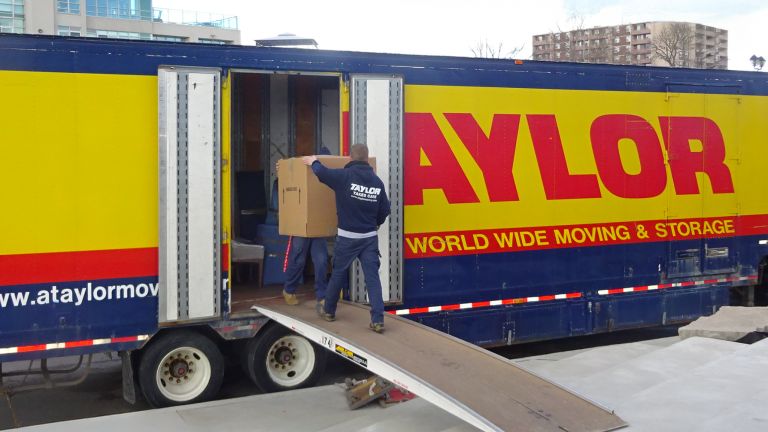
Relocating your household across the Atlantic involves substantial financial planning that goes well beyond the cost of flight tickets. Understanding the full scope of your new living expenses while balancing the cost of global freight is essential for long-term fiscal health. It is helpful to consider the essential tips and tricks for managing this process, ensuring you are prepared for both anticipated and unforeseen costs that come with starting over in a new nation.
Estimating international shipping and freight costs
Shipping household goods across the ocean is typically calculated based on volume rather than weight, meaning the size of your shipment significantly influences your quote. Researching volume estimates and understanding the difference between sea and air freight helps you decide what items are worth moving. You can explore expert relocation advice to learn more about comparing quotes and identifying the potential for cost fluctuations based on current logistics market conditions.
Calculating the cost of living differences
Daily expenses in the UK often differ from those in Canadian provinces, covering everything from groceries and utilities to council tax and transportation. Researching the regional differences between London and other parts of the UK will give you a more accurate picture of your monthly budget needs. Aligning your expectations with local cost data ensures you can sustain your lifestyle without facing unexpected financial pressure during your first few months.
Managing currency exchange and financial transfers
Moving money between countries involves navigating fluctuating exchange rates and banking fees that can erode your capital if not managed correctly. Look for reliable methods to transfer your savings, paying attention to mid-market exchange rates and potential transfer delays across different banking systems. Establishing a plan for your finances before you leave Canada protects your wealth and ensures you have liquidity ready as soon as you land.
Navigating customs and import regulations
Importing household items into the UK involves strict adherence to policies enforced by His Majesty’s Revenue and Customs. Failing to prepare your paperwork correctly can result in significant delays at the port of entry or unexpected duty charges that weren’t in your initial budget. You must learn the exact customs documents needed for an international move to remain compliant and avoid any disruption during the transit of your belongings.
Understanding customs requirements for personal household goods
Generally, you may import your used household and personal effects into the UK free of duty and tax provided they have been in your possession and use for a certain period. Understanding the nuances of Transfer of Residence relief is necessary, as this status provides significant tax benefits for those relocating permanently. Always ensure you have proof of your move and documentation confirming your intention to stay in the UK to demonstrate your eligibility.
Preparing a detailed household inventory list
Your inventory is much more than a packing list; it is a critical customs document that must be thorough and accurate. Every box should be labeled and cross-referenced with your master listing, detailing its contents, rough values, and condition. Using a systematic approach to cataloging your items helps the clearing agents process your move quickly, reducing the likelihood of physical inspections or administrative queries at the border.
Identifying restricted or prohibited items for entry
Be extremely careful when packing, because certain goods that are perfectly legal in Canada may be highly regulated or prohibited in the UK. Research current import restrictions thoroughly to ensure you are not accidentally bringing items that could lead to seizure or fines. It is also important to remember that certain nations maintain extreme penalties for illicit substances; you should always confirm prohibited goods before shipping to ensure safety and legal compliance globally.
Partnering with international movers

Selecting a partner for your move is often the most significant decision you will make, as they are responsible for the safety of your home during long-distance transit. Taylor International Movers provides the expertise needed to manage intricate overseas shipments, ensuring your goods are handled with the same care you would apply yourself. Their comprehensive global solutions provide peace of mind throughout the transit process, from pre-move planning to the delivery of your items in the UK.
Selecting a reputable international moving company
Reliability is the most important factor when choosing who will transport your life across the ocean. Look for partners who demonstrate transparency in communication, clear pricing structures, and deep experience with your specific region. Verifying their credentials, including industry accreditations or long-term operational success, is an essential step in filtering for a company you can trust with your most prized possessions.
Understanding the benefits of full-service packing
Full-service packing is highly recommended for international relocations because professional crews are trained to protect items against the rigors of long-distance transport. By using specialized materials designed for international sea freight, these teams minimize the risk of damage, loss, or breakage in transit. This service also provides a solid foundation for transit insurance, ensuring that your items are documented and secured properly.
Coordinating transit insurance and shipment protection
Even with the best movers, maritime conditions and long travel times can introduce risk, making insurance non-negotiable. Review your policy carefully to understand coverage limits, exclusions, and the claims process for items that might be damaged during their move. A transparent insurance agreement provides the ultimate safety net, ensuring you are financially protected if something happens during the journey from Canada to your new UK destination.
Managing family and specialized relocation logistics
Moving involves more than just standard furniture; it concerns the well-being of every family member, including pets and sentimental items. You should consider the unique logistical requirements of each specialized asset well in advance of your departure date. Whether it is arranging the travel of a family pet or ensuring the safety of fine art, having professional support is key to managing these sensitive areas.
Navigating the regulations for moving pets to the UK
UK pet import laws are strict, requiring specific health certifications, vaccinations, and microchip verification to ensure entry without the need for quarantine. Begin researching veterinary requirements months before your move, as some medical treatments must occur at specific intervals prior to your arrival. Working with pet-specialized logistics providers can help navigate these health protocols, making the move safer and less traumatic for your animals.
Arranging secure transport for fine art or vehicles
High-value assets such as vehicles or artwork require white-glove treatment to reach the UK in pristine condition. Specialized crating, climate-controlled shipping environments, and white-glove handling are often necessary to protect these items from temperature changes and physical shocks. Ensure these items are clearly documented on your customs forms to facilitate correct tax reporting upon arrival.
Preparing for schooling and childcare transitions
Relocating with a family creates extra layers of scheduling, particularly when finding suitable education and childcare in a new country. Begin investigating public and private school options in your prospective UK neighborhood well ahead of time. Understanding the local application system for schools allows you to secure spots for your children, which helps establish stability and comfort for the entire family during the transition period.
Finalizing your departure from Canada
Finishing your obligations in Canada requires a systematic sweep of your local, financial, and provincial commitments. Ensuring your relocation process is handled correctly at the source allows you to move forward without looking back. Taylor International Movers helps you manage the details of your home transition by providing clear guidance on what needs your attention before you cross the border.
Managing Canadian tax status and financial obligations
Before leaving, you must update your tax status with the Canada Revenue Agency to reflect that you are moving permanently. Be sure to understand your non-resident status implications, including how to handle Canadian bank accounts, investments, and pension plans. Settling these financial matters thoroughly prevents complications in the future, allowing you to settle into your new UK life with total focus.
Updating healthcare and provincial records
Your provincial health coverage will likely expire shortly after you depart Canada, making it essential to secure private health insurance or understand UK healthcare access. Ensure you have copies of your medical records transferred or made easily accessible for your future needs. Updating your address with all required government departments and private memberships ensures that your mail is redirected and your administrative life is current.
Managing utility service cancellations and home transition tasks
Closing your Canadian home involves confirming that all utility services, telecommunications, and municipal registrations are processed for cancellation or final billing. Keep a detailed list of every service contract you hold, as forgetting a small account can lead to lingering debt or credit reporting issues back home. Tackling these transition tasks one by one, with clear documentation for each, turns a massive closing-process burden into a series of simple administrative steps.
Conclusion
Moving internationally is a major undertaking that rewards those who plan carefully and utilize professional resources to navigate the complexities involved. By following a structured approach to documentation, budgeting, customs, and logistics, you can transition smoothly from Canada to your new life in the UK. With the right team behind you, this move becomes an exciting path toward new opportunities rather than a series of logistical puzzles.
Frequently Asked Questions
How soon should I start my Canada to UK moving checklist?
Ideally, you should begin your planning process at least 6 to 9 months before your anticipated departure date to secure visas and book logistics.
What is the most important document for customs entry?
Your detailed inventory list is the most critical document, as it informs customs authorities about the contents of your shipment and your eligibility for tax relief.
Do I need a visa to move to the UK from Canada?
Yes, Canadian citizens require a valid visa, such as a skilled worker or family-linked visa, to work or live permanently in the United Kingdom.
How long does it take for goods to arrive in the UK from Canada?
Transit times vary based on the method of shipping, but generally, sea freight takes anywhere from 4 to 8 weeks depending on the shipping route and destination.
Can I move my pets easily from Canada to the UK?
Moving pets is possible but involves a rigid protocol of vaccinations and health testing that must be completed within strict regulatory timeframes.
What budget factors are most often overlooked?
Many people underestimate the initial costs of setting up a home, including tenancy deposits, utility connection fees, and short-term accommodation while house hunting.
Should I prioritize selling or shipping my furniture?
This depends on the value of your furniture relative to its size and the cost of replacing it, as high-quality items are often worth the expense of international transit.
Leave a Comment