Essential Checklist for When Moving Overseas
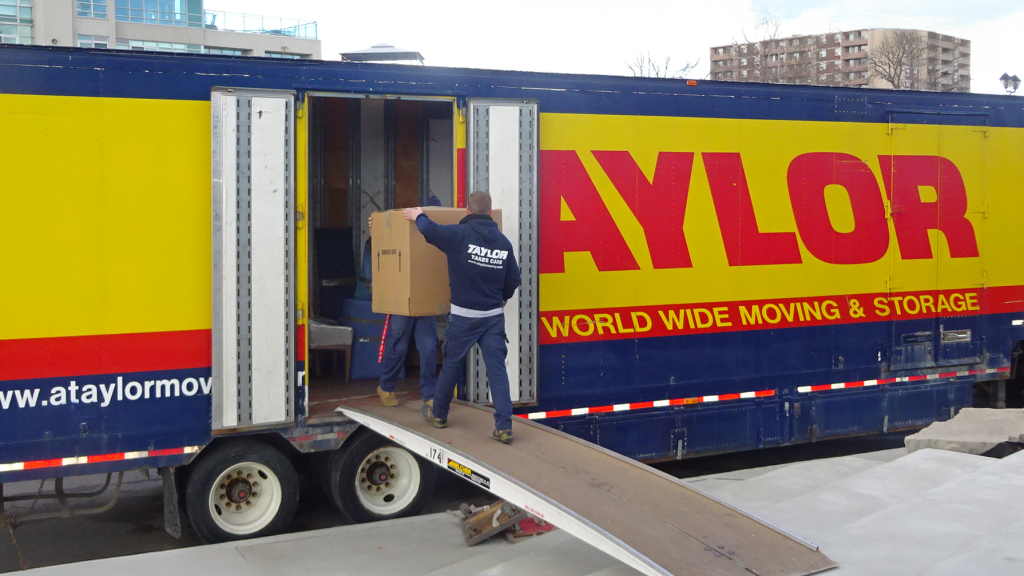
Moving to another country can feel like a huge undertaking. There are so many things to think about, from packing up your whole life to figuring out all the paperwork. It’s easy to get overwhelmed. This guide is here to break down the process of moving overseas into manageable steps, so you can focus on the exciting new chapter ahead instead of the stress.
Key Takeaways
- Figure out the best way to move your stuff, whether by plane or ship, and keep a detailed list of everything you’re sending.
- Get a clear picture of all the costs involved in moving abroad, including any unexpected fees, and compare quotes from different moving companies.
- Understand the paperwork needed for customs and know what items you can and can’t send to avoid delays.
- Plan for your family’s adjustment, including children and retirees, to make the transition smoother for everyone.
- Choose a reliable moving company by asking the right questions and checking their credentials and past performance.
Navigating International Moving Logistics
Moving your life across borders is a big deal, and getting the logistics right from the start makes all the difference. It’s not just about packing boxes; it’s about understanding the whole journey your belongings will take. Our international move management service is designed to take the confusion out of this complex process, breaking it down into clear, manageable steps.
Understanding International Moving Processes
When you move overseas, your stuff doesn’t just hop on a truck and drive to your new home. There are several stages involved, and knowing what to expect helps reduce stress. First, there’s the packing and preparation at your current home. Then comes the actual transportation, which could be by air or sea. After that, your items go through customs in the destination country, followed by final delivery to your new address. Each step requires careful planning and coordination. We help you map out this entire journey, so you’re never left wondering what’s happening with your belongings. It’s about having a clear picture of the entire relocation process, from the moment we start planning until your last box is unpacked.
Choosing Between Air and Sea Freight
One of the biggest decisions you’ll make is how your goods will travel. Air freight is faster, usually taking a few days to a couple of weeks, but it’s also more expensive. It’s a good option if you need certain items quickly or if you’re moving a smaller volume of goods. Sea freight, on the other hand, is much slower, often taking several weeks or even months, but it’s significantly more cost-effective, especially for larger moves.
Here’s a quick look at the trade-offs:
| Feature | Air Freight | Sea Freight |
|---|---|---|
| Speed | Fast (days to weeks) | Slow (weeks to months) |
| Cost | Higher | Lower |
| Volume | Best for smaller shipments | Best for larger shipments |
| Best For | Urgent items, smaller moves | Full household moves, budget moves |
Our team can help you weigh these options based on your specific needs, budget, and timeline. We look at what you’re moving and when you need it there to suggest the best transport method for your international move.
Creating Your International Move Inventory
An inventory list might sound like a tedious task, but it’s incredibly important for international moves. It serves multiple purposes: it helps you keep track of everything you’re sending, it’s vital for customs declarations, and it’s your record in case of any issues during transit. A detailed inventory is your best friend when dealing with international shipping. We guide you through creating an accurate list, noting down each item, its condition, and its approximate value. This meticulous approach helps prevent surprises and makes the entire process smoother, especially when dealing with customs or insurance claims. Having a clear record is part of our move management approach to give you peace of mind. Create a comprehensive international moving checklist to get started.
Managing the Costs of Moving Overseas

Moving your life to another country is a big deal, and let’s be honest, the cost is usually one of the first things on people’s minds. It’s not just about the big ticket items like shipping your furniture; there are a lot of smaller costs that can add up faster than you think. Understanding where your money is going is key to a successful and less stressful international move.
Estimating Your International Relocation Expenses
When you start planning, it’s easy to focus on the obvious costs. You’ll need to think about packing supplies, the actual shipping (whether by air or sea), and maybe some basic insurance. But don’t stop there. Consider things like temporary storage if your new home isn’t ready, or the cost of shipping your car. Our international move management services can help you get a clearer picture of all these potential expenses right from the start. We help you build a realistic budget so there are fewer surprises down the road.
Here’s a general breakdown of what to expect:
- Shipping Costs: This is usually the largest chunk. It depends on the volume of your belongings and the shipping method (air is faster but pricier, sea is slower and more economical).
- Packing and Materials: Professional packing services or the cost of buying boxes, tape, and bubble wrap yourself.
- Insurance: Coverage for your goods during transit. It’s often a percentage of the declared value of your shipment.
- Customs Duties and Taxes: These vary wildly by country and the type of goods you’re importing. Some countries have allowances for personal effects, while others charge significant fees.
- Destination Services: This can include things like customs clearance fees, port fees, and delivery to your new home.
Identifying Potential Hidden Costs
This is where things can get tricky. Many people get caught off guard by costs they didn’t anticipate. Think about things like:
- Storage Fees: If your new home isn’t ready when your shipment arrives, you’ll likely incur storage costs.
- Customs Broker Fees: Some countries require a broker to handle customs clearance, and this comes with a fee.
- Extended Stay Fees: If your mover has to wait longer than expected to deliver your goods, they might charge extra.
- Disassembly/Reassembly: Some movers charge extra to take apart and put back together large furniture items.
- Special Handling: Items like pianos, large artwork, or very heavy furniture might require special equipment and incur additional costs.
It’s always a good idea to ask potential movers specifically about any fees related to delays, special handling, or services that aren’t explicitly included in their quote. Getting everything in writing is super important.
Comparing International Moving Quotes Effectively
Getting quotes is a necessary step, but just looking at the bottom line isn’t enough. You need to compare apples to apples. Make sure each quote clearly lists what services are included and what’s extra.
Here’s how to compare quotes like a pro:
- Check Inclusions: Does the quote cover packing, loading, shipping, customs clearance, destination delivery, and unpacking?
- Understand Exclusions: What’s not covered? Be especially mindful of customs duties, taxes, and potential storage fees.
- Compare Transit Times: Air freight should be significantly faster than sea freight. Make sure the estimated times align with your needs.
- Look at Insurance Options: What level of coverage is offered, and what’s the deductible?
- Read Reviews and Ask Questions: Don’t just rely on the price. A good mover will be transparent and happy to answer all your questions. Our move management services can help you sort through these quotes and find the best value for your specific needs, not just the cheapest option. We focus on providing a clear, upfront cost estimate for your international relocation expenses [9a85].
Mastering Customs and Documentation
Essential Documents for International Shipments
Moving overseas means your belongings need a passport of sorts. This involves a stack of paperwork that can feel overwhelming, but getting it right is key to a smooth journey for your items. Your international move management partner will guide you through this, but understanding the basics helps. You’ll typically need a detailed inventory list, often called a packing list or bill of lading. This document lists every item being shipped, its value, and its destination. It’s what customs officials use to check your shipment against what’s declared.
Other common documents include:
- Passport and Visa Copies: For personal identification and legal entry into the new country.
- Customs Declaration Forms: Specific to the destination country, detailing the contents of your shipment.
- Proof of Ownership: Sometimes required for certain items, especially if they are valuable or were acquired recently.
- Import/Export Permits: For specific goods that require special authorization.
It’s not just about having the documents; it’s about having them accurate and complete. A small error can cause significant delays or even fines. Our move management services help ensure all necessary paperwork is prepared correctly and submitted on time, taking a huge weight off your shoulders.
Navigating Restricted Items and Import Rules
Every country has its own list of things you can and cannot bring in. This isn’t just about obvious contraband; it includes things like certain foods, plants, medications, and even specific types of furniture. For example, some countries have strict rules about bringing in dairy products or wooden items to prevent the spread of diseases. Failing to declare restricted items can lead to confiscation, fines, or even denied entry for your shipment.
Here’s a general idea of what to watch out for:
- Food and Agricultural Products: Often heavily regulated due to biosecurity concerns.
- Medications: Prescription and over-the-counter drugs may have quantity limits or require a doctor’s note.
- Alcohol and Tobacco: Subject to import duties and quantity restrictions.
- Firearms and Ammunition: Highly regulated and often prohibited.
- Antiques and Cultural Artifacts: May require special permits or be prohibited from export/import.
Researching your destination country’s specific import regulations well in advance is important. Your move management team can provide country-specific guidance on prohibited and restricted items, helping you avoid surprises at customs. Understanding customs documents is vital for a smooth transition.
Minimizing Customs Delays for Your Move
Customs delays are one of the most common frustrations when moving internationally. They can happen for many reasons, from incomplete paperwork to random inspections. The best way to avoid them is through meticulous preparation and clear communication. Having a detailed and accurate inventory list is your first line of defense.
To help speed things up:
- Be Honest and Accurate: Ensure all declarations match the actual contents of your shipment.
- Provide All Required Documents Promptly: Don’t wait to be asked for information if you know it’s needed.
- Understand Valuation: Accurately declare the value of your goods. Under-declaring can be seen as fraud.
- Pack Smart: Ensure items are packed in a way that allows for easy inspection if necessary.
Our international move management services are designed to streamline this entire process. We work closely with customs brokers and shipping lines to anticipate potential issues and keep your shipment moving forward. We handle the complexities so you can focus on settling into your new life abroad, knowing your belongings are in capable hands. International mobility programs manage these complexities.
Planning for Family and Life Transitions
Getting your family ready for a move overseas is never just about packing boxes. The smoothness of this transition—especially with kids or while retiring—can shape how everyone feels about the move long after arrival. Managing each step gives your family a better chance to settle in comfortably and quickly.
Relocating Families with Children Abroad
The idea of moving to another country with kids brings a certain level of stress and uncertainty. Kids will have questions, and you’ll want to make sure their new routines and schools are a good fit.
Steps to Prepare Kids for Moving:
- Involve children in the move planning as early as possible.
- Research and choose schools before arrival; ask what documents are needed.
- Discuss changes openly. Let your children express their hopes and worries.
- Prepare for cultural differences—talk about the new language, customs, or food they might experience.
- Visit your new area virtually, and if possible, in person before the move.
Family moving timelines can get complicated quickly. Using an international move management service means someone is always looking out for your scheduling needs, school concerns, and settling-in tasks, so your family’s adjustment can be smoother—see how the process is simplified with our planning for moving internationally to Canada.
Considerations for Retirees Moving Overseas
Retirement is a time for new experiences, and moving abroad often means dealing with healthcare, banking, or taxes in a whole new way. Here’s a quick look at what you might need to think about:
| Concern | What to Plan |
|---|---|
| Healthcare | Research local healthcare, international insurance options |
| Taxes | Understand new tax obligations, residency rules |
| Social Community | Connect with local groups or retiree communities |
Making big life changes always comes with a few bumps, but our move management team can help you put everything in place so you don’t have to figure things out alone.
Many retirees find the most stressful part is not knowing what they don’t know until they’re in the middle of the move. Step-by-step help turns those unknowns into a clear plan.
Ensuring a Smooth Transition for Your Family
No matter your stage of life, the goal is to start strong in your new home. Here are simple ways to reduce stress during the move:
- Set up a communication plan: Update friends and family so everyone knows how to stay in touch.
- Build a local support network: Join expat or parent groups before you move, often online.
- Use a tailored checklist: Prepare paperwork, housing, and utilities with one master list.
- Schedule downtime for the first week after you arrive; don’t try to do everything at once.
If your move is military-related, there are even more steps—like securing housing and arranging financial support—outlined in the military family overseas checklist.
Working with an experienced international move management provider eases the weight from your shoulders. We handle everything from schedules to customs, so you can focus on what matters: settling into your new life abroad.
Selecting a Trustworthy Moving Partner
Finding the right company to handle your international move can feel like a big task. You’re trusting them with all your belongings, after all. It’s not just about getting boxes from point A to point B; it’s about peace of mind. Our international move management services are designed to take the worry out of this process, acting as your single point of accountability from start to finish. We simplify the complexities so you can focus on your new life abroad.
Key Questions to Ask Potential Movers
When you’re vetting moving companies, don’t be shy about asking questions. The more you know upfront, the better you can assess if they’re a good fit for your needs. Here are some important things to inquire about:
- What specific services are included in your quote? Make sure you understand what you’re paying for – packing, loading, shipping, customs clearance, unpacking, etc.
- Who will be handling my shipment at each stage? Will it be the same company, or will they use third-party agents? Knowing who is responsible is key.
- What is your process for handling claims if something is damaged or lost? Understand their claims procedure and what documentation you’ll need.
- How do you manage communication throughout the move? Will you have a dedicated contact person?
Understanding Mover Accreditations and Standards
Accreditations can offer a layer of confidence, showing that a mover adheres to certain industry standards. While not all companies have them, looking for affiliations with reputable organizations can be helpful. These groups often have codes of conduct and dispute resolution processes. It’s worth looking into what different accreditations mean for the quality of service you can expect. Understanding mover accreditations can help you make a more informed choice.
Evaluating Service Quality and Timelines
Beyond just the price, consider the overall quality of service and how well the company manages timelines. A low quote might seem attractive, but if it comes with poor communication or missed delivery dates, it’s not a good deal. We focus on providing a transparent process, giving you realistic timelines and keeping you informed every step of the way. This structured approach helps manage the complex logistics of international moving, reducing the anxiety associated with global relocations.
Choosing a mover is a significant decision. It’s about more than just the physical move; it’s about the support you receive during a major life transition. Look for a partner who prioritizes clear communication, reliability, and a customer-focused approach.
Handling Specialized International Shipments
Every move comes with a few unique headaches, but handling pets, vehicles, or high-value items across borders is a whole different ballgame. These items need careful planning and, sometimes, a good bit more paperwork or coordination than a standard shipping box. Our international move management helps take the load off by organizing all the details, so you don’t have to become an expert overnight.
Relocating Pets to a New Country
Bringing your furry friend on your international journey involves a bit more than booking a seat on a plane. Each country sets its own requirements for animal entry, which means you’ll need:
- Up-to-date vaccinations and health certificates
- Microchip registration (in many countries)
- Government export certificates
- Quarantine periods (where required)
Don’t wait—pet moves take time. Start early so there are no surprises at the airport. It’s worth reaching out for help with the paperwork and timing, because pet transport rules change more than most people realize.
Planning a pet’s move is a marathon, not a sprint. Missing a step can mean heartbreak at the border.
Shipping Vehicles Overseas
It can sound tempting to just drive your car onto a ship, but that’s not really how it works. International auto shipments involve:
- Detailed cleaning (to pass inspections for soil, bugs, and plant matter)
- Proper documentation, like title and proof of ownership
- Country-specific import regulations, sometimes including taxes or modifications
There’s often a choice between Roll-on/Roll-off (RoRo) service and container shipping. The right pick depends on your car’s value, age, and destination rules.
| Vehicle Shipping Methods | Features |
|---|---|
| RoRo (Roll-on/Roll-off) | Lower cost, open deck, used for operational vehicles only |
| Container | Higher protection, can include household goods with car, used for high-value or specialty vehicles |
Start gathering documents well before your move day. Our team helps clarify each step, so your vehicle arrives as expected.
Transporting Valuables and Fine Art
Moving fragile or pricey items? This is where experience really counts. You’ll want:
- Custom packaging and crating solutions
- Detailed inventory lists and insurance
- Import/export documentation specific to artwork or collectibles (see more about essential shipping documents)
- White-glove handlers for loading and unloading
Fragile and valuable shipments often get special customs checks. It pays to get expert support so your pieces arrive without a scratch or a paperwork issue.
It’s stressful enough to part with your treasures for a while. Stay in touch with our move managers and you’ll never feel left in the dark.
Every specialized shipment comes with its own timeline, price, and set of regulations. With careful planning and the right backing, you can move your most precious belongings and companions abroad without added worry. If you’ve got questions about complicated moves, just reach out. We’re here to help make the tricky parts smooth.
Moving unusual items internationally can be tricky. We make it simple! Visit our website to learn how we handle special shipments with ease.
Ready for Your New Adventure
So, you’ve made it through the checklist. Moving overseas is a big deal, no doubt about it. There’s a lot to think about, from packing up your whole life to figuring out the paperwork in a new country. But with a solid plan and this guide, you’ve got a much better handle on things. Remember, it’s not just about getting your stuff from point A to point B; it’s about setting yourself up for a smooth transition into your new life. Take a deep breath, trust the process, and get ready for whatever comes next. Your international adventure is about to begin.
Frequently Asked Questions
What’s the biggest difference between moving within a country and moving overseas?
Moving overseas is way more complex than moving within your own country. You have to deal with different laws, customs rules, and often longer travel times for your stuff. Think of it like planning a big international trip, but with all your belongings instead of just a suitcase!
How do I figure out the total cost of moving abroad?
To get a good idea of the cost, you’ll need to get quotes from moving companies. Be sure to ask about everything that might add to the price, like packing, insurance, and any fees for getting your things through customs in the new country. Don’t forget to look out for extra costs that might pop up unexpectedly.
What kind of paperwork will I need for an international move?
You’ll likely need a lot of documents! This usually includes things like a detailed list of everything you’re shipping (an inventory), passports, visas, and special forms for customs. Each country has its own rules, so it’s smart to check what’s needed for your destination well in advance.
How can I make sure my move is safe and my belongings arrive okay?
Choosing a moving company you can trust is super important. Ask them about their experience, what licenses or certifications they have, and how they handle your items. Getting insurance for your move is also a good idea, just in case anything gets lost or damaged along the way.
What if I need to move my pet or my car?
Moving pets and vehicles overseas has its own set of rules and can take extra planning. Pets often need specific vaccinations and health checks, and cars might need special paperwork or modifications to meet the new country’s standards. It’s best to talk to your moving company about these special items early on.
How can I help my family, especially kids, adjust to moving to a new country?
Moving can be a big change for everyone. Talk openly with your family about the move and what to expect. For kids, finding out about schools, parks, and fun activities in the new place can help them feel more excited and less worried. Helping everyone settle in smoothly is key to a happy new start.
Leave a Comment