Your Ultimate Guide to Canada International Moving in 2026
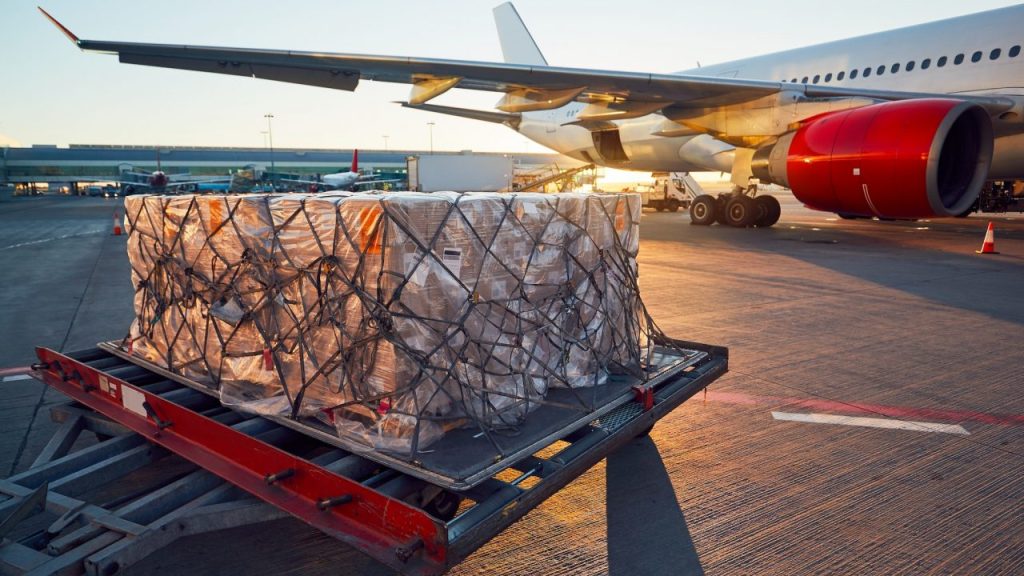
Thinking about moving to Canada in 2026? It’s a big step, and planning is key. This guide is here to help you figure out the whole process of canada international moving. We’ll break down what you need to know, from packing your first box to getting settled in your new Canadian home. Let’s make this move as smooth as possible.
Key Takeaways
- Understand the basics of international relocation, including timelines and necessary paperwork for canada international moving.
- Choose a reliable international moving company by checking their credentials and asking the right questions.
- Be aware of the costs involved in international moving and how to get accurate quotes.
- Plan for special logistics like moving pets or vehicles, and know what you can and cannot ship.
- Prepare for settling into Canada, including housing, schooling, and understanding customs rules.
Understanding Your Canada International Moving Journey
Moving your life across international borders to Canada is a big undertaking. It’s more than just packing boxes; it’s about planning, coordinating, and preparing for a whole new chapter. Our goal is to make this transition as smooth as possible for you and your family. We manage the complexities so you can focus on what matters most – settling into your new Canadian home.
Navigating the Basics of International Relocation
International moving has its own set of rules and procedures that differ quite a bit from a domestic move. Think of it like planning a long trip, but instead of a vacation, you’re relocating your entire household. This involves understanding international shipping methods, like sea or air freight, and how they impact your timeline and budget. It also means getting familiar with the paperwork required to get your belongings across the border without a hitch. We help break down these initial steps, making sure you have a clear picture of what’s involved from the start. Our move management approach means we handle the coordination, so you don’t have to.
Key Considerations for Your Move Abroad
Before you even start packing, there are several important things to think about. What items are absolutely essential to bring? What might be easier or more cost-effective to replace in Canada? Thinking about these details early on can save you time and money. Also, consider the timing of your move. Are you moving during peak season, which might affect shipping times and costs? Understanding these factors is part of our process. We guide you through these decisions, helping you create a plan that fits your specific situation. This includes looking at things like transit timelines and potential shipping options.
Defining Your International Moving Needs
Every international move is unique. Some people are moving a small apartment, while others are relocating an entire family home with pets and vehicles. Identifying your specific needs is the first step in getting accurate planning and pricing. Are you concerned about the safe transport of delicate items? Do you need assistance with packing and unpacking? Perhaps you’re moving with children and need to consider their transition. By clearly defining what you need, we can tailor our services to meet those requirements. This clarity helps us provide you with the best possible support and a move that truly fits your life.
Planning Your International Move to Canada
Getting ready to move your life to Canada is a big deal, and good planning makes all the difference. It’s not just about packing boxes; it’s about setting yourself up for a smooth transition. Think of it like preparing for a long trip – you wouldn’t just show up at the airport without a plan, right? Your international move deserves the same attention to detail. We help manage all the moving parts so you can focus on what matters most: starting your new life.
Creating a Comprehensive Moving Timeline
A timeline is your roadmap. Without one, it’s easy to feel overwhelmed or miss important steps. We break down the process into manageable phases, from the initial decision to the final delivery of your belongings. This structured approach helps prevent last-minute rushes and reduces stress.
Here’s a general idea of how a timeline might look:
- 12+ Weeks Before Move: Research movers, get quotes, and start decluttering. This is also a good time to begin gathering important documents.
- 8-12 Weeks Before Move: Finalize your mover, confirm packing dates, and start packing non-essential items. Notify relevant parties of your address change.
- 4-8 Weeks Before Move: Pack most of your belongings. Arrange for utility disconnections and reconnections. Confirm travel arrangements.
- 1-4 Weeks Before Move: Pack essentials. Finalize customs paperwork. Confirm delivery details with your mover.
- Moving Day & After: Oversee loading, travel to Canada, and arrange for unpacking and settling in.
Our move management service takes the guesswork out of creating your timeline. We provide a personalized schedule tailored to your specific move, keeping you informed every step of the way.
Essential Documentation for Cross-Border Shipments
Paperwork can feel like the most tedious part of moving, but it’s incredibly important. For international moves to Canada, having the right documents in order is key to avoiding delays at customs. We help you understand exactly what’s needed, so your shipment arrives without a hitch. This includes things like:
- Bill of Lading: This is your contract with the moving company and a receipt for your shipment.
- Detailed Inventory List: A room-by-room list of everything being shipped, including estimated values. This is vital for customs and insurance.
- Customs Declaration Forms: These forms declare the contents of your shipment to Canadian authorities.
- Proof of Ownership/Residency: Documents that show you own the goods or have lived abroad for a certain period.
We work closely with you to ensure all forms are completed accurately and submitted on time. This attention to detail is what sets our international move management apart.
Preparing Your Inventory for Overseas Transport
Your inventory list is more than just a list; it’s a critical document for customs, insurance, and tracking your belongings. A well-prepared inventory helps ensure that everything arrives safely and that you can easily identify your items upon arrival. When you work with us, we guide you through creating an accurate and detailed inventory.
Consider these points when preparing your inventory:
- Be Specific: Instead of ‘kitchenware,’ list ‘1 set of pots and pans,’ ’12 dinner plates,’ etc.
- Note Condition: Briefly describe the condition of valuable or antique items.
- Include Valuables: List any high-value items separately, as they may require special attention or insurance.
- Room by Room: Organize your inventory by the room where the items will be unpacked in your new Canadian home. This makes unpacking much easier.
Proper inventory management is a cornerstone of a successful international move. It helps prevent misunderstandings and ensures that your possessions are accounted for throughout the journey. Planning your move to Canada in 2026 involves many such details, and we’re here to help you manage them all for a smooth transition.
Choosing the Right International Mover for Canada
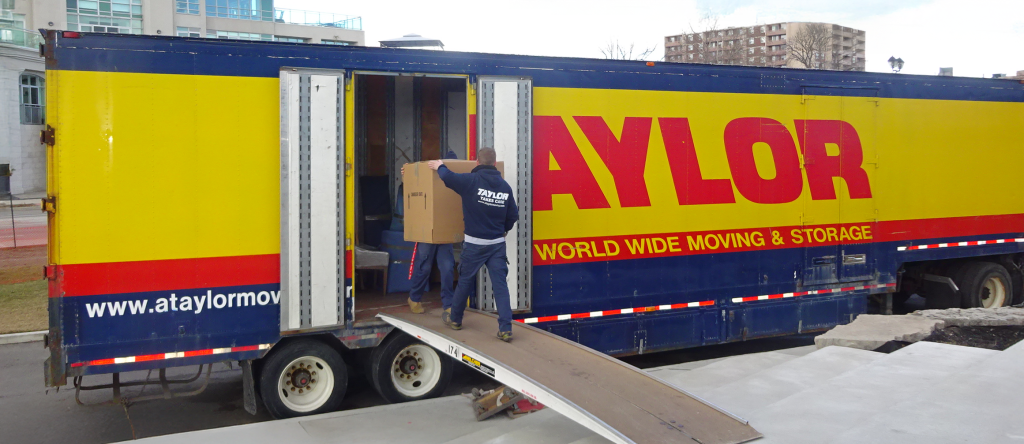
Picking the right company to handle your international move to Canada is a big deal. It’s not like just hiring someone to move your couch across town. This is about getting all your worldly possessions from one country to another, safely and without a ton of stress. You want a partner who knows the ropes, not someone who’s going to learn on your dime.
Evaluating Mover Reliability and Accreditations
When you’re looking at movers, you need to see if they’re legit. A reliable mover will have some kind of official backing. Think about accreditations like those from FIDI, IAM, or AMSA. These aren’t just fancy acronyms; they mean the company has met certain standards for quality and professionalism. It’s a good sign they know what they’re doing and are committed to doing it right. We focus on providing a transparent and reliable service, so you know exactly who is handling your belongings every step of the way.
Questions to Ask Before Hiring Overseas Movers
Don’t be shy about asking questions. The more you ask, the more you’ll know. Here are some important ones:
- What exactly does your “full-service” international moving package include? Does it cover packing, customs paperwork, storage, and insurance coordination?
- Who actually handles my shipment once it leaves my current location? Do you use partners, and if so, how do you vet them?
- What experience do you have with moves to Canada specifically? Are there any particular challenges you’ve encountered and overcome?
- Can you provide a detailed breakdown of the estimated costs, including any potential fees I might not be thinking about?
Comparing Service Quality and Value
It’s easy to get caught up in just the price, but that’s a mistake. You need to look at the whole picture: service quality, what’s included, and how they communicate. A mover that’s a bit more expensive but offers better communication, handles your items with care, and has a solid track record might actually be a better value in the long run. We pride ourselves on our move management approach, which means we coordinate every detail so you don’t have to. This attention to detail helps prevent issues down the line and provides a smoother experience overall. Finding the best options for your international move can feel overwhelming, but focusing on these points will help.
Choosing a mover is about more than just price; it’s about peace of mind. You’re entrusting them with your memories and your future home.
Here’s a quick way to think about comparing:
| Feature | Mover A (Our Service) | Mover B (Competitor) | Mover C (Generic) |
|---|---|---|---|
| Accreditation | Yes (FIDI, IAM) | Yes (IAM) | No |
| Dedicated Manager | Yes | Yes | No |
| Transparent Pricing | Yes | Mostly | Vague |
| Customer Reviews | Excellent | Good | Mixed |
Managing the Costs of Canada International Moving

Moving your life to a new country like Canada can feel like a huge undertaking, and figuring out the money side of things is a big part of that. It’s not just about the big ticket items; there are lots of little things that add up. Understanding these costs upfront is key to a smoother move. Our international move management services are designed to help you get a clear picture of your expenses from the start.
Understanding Factors Affecting Moving Expenses
The price tag for an international move isn’t set in stone. Several things play a role, and knowing them can help you budget better. The distance you’re moving, for instance, is a major factor. Shipping your belongings across the ocean will naturally cost more than moving to a neighboring country. The volume and weight of your items also matter a lot. More stuff means more space needed on the ship or plane, and that translates to higher costs. The type of service you choose is another big one. Do you need full-service packing and unpacking, or will you handle some of that yourself? Are you looking for the fastest shipping method, or is saving money more important?
Here are some common factors that influence the total cost:
- Volume and Weight: The more you ship, the more it generally costs. We help you declutter and pack efficiently to manage this.
- Distance: Moving from further away means higher transportation fees.
- Service Level: Opting for premium services like packing, unpacking, and assembly will increase the overall price.
- Transit Time: Faster shipping methods (like air freight) are more expensive than slower ones (like sea freight).
- Insurance: Protecting your belongings during transit is important, and the level of coverage you choose affects the cost.
- Additional Services: Things like temporary storage, specialized packing for delicate items, or vehicle shipping all add to the expense.
Decoding International Moving Quotes
Getting quotes from international movers can sometimes feel like deciphering a foreign language. It’s important to get detailed quotes so you know exactly what you’re paying for. A good quote should break down all the services included, like packing, loading, shipping, customs clearance, and delivery. At [Our Company Name], we aim to provide transparent quotes that clearly outline all aspects of your move. We want you to compare apples to apples when looking at different options, and our move management process helps you do just that. Don’t hesitate to ask questions if anything is unclear. We’re here to help you understand every line item.
Identifying Potential Hidden Costs
Sometimes, the biggest surprises come from costs you didn’t anticipate. These “hidden costs” can pop up if you’re not careful. For example, some movers might charge extra for navigating narrow streets at your destination, or for delivering to locations that aren’t easily accessible. Customs duties and taxes can also be a surprise if you’re not aware of what’s taxable in Canada. Storage fees can add up if your new home isn’t ready when your belongings arrive. Our goal with our international move management is to anticipate these potential issues and discuss them with you upfront. We want to help you avoid those unwelcome surprises that can strain your budget. It’s always better to be prepared, and we guide you through the process to minimize these risks. Understanding the true cost of international moving is part of our commitment to transparency.
Special Logistics for Your Canada Move
Relocating Pets and Vehicles Internationally
Moving your furry friends and your car to Canada involves more than just booking a spot on the ship. Pets need specific health certificates, vaccination records, and sometimes even quarantine periods depending on their species and origin. It’s a good idea to start researching the exact requirements for your pet well in advance, as these can change. For vehicles, you’ll need to consider import duties, taxes, and whether your car meets Canadian safety and emissions standards. Our move management service can help you sort through the paperwork and find reputable partners for pet and vehicle transport, taking a lot of the guesswork out of it for you.
Shipping Fine Art and Valuables
When it comes to items like fine art, antiques, or other high-value possessions, the stakes are higher. These items often require specialized packing, climate-controlled transport, and detailed appraisals for insurance purposes. Proper documentation and insurance are absolutely key here. We work with specialists who understand how to handle delicate and valuable items, ensuring they arrive in the same condition they left. It’s about more than just getting it there; it’s about preserving its value and integrity.
Addressing Special Logistics Challenges
Beyond pets and vehicles, other items can present unique challenges. Think about oversized furniture, musical instruments, or even just a large collection of books. Each of these might need a different approach to packing and transport. Sometimes, items might be restricted or prohibited by Canadian customs, and knowing this beforehand saves a lot of trouble. Our team helps you identify these potential issues early on. We can create a detailed inventory and work with you to plan the best way to ship everything, whether it’s through specialized carriers or by consolidating items where possible. This proactive approach is part of what makes our international move management so effective, helping you avoid unexpected problems and costs down the line. Planning an international move requires careful consideration of timelines, customs, and documentation. Start planning at least 2-3 months in advance, as international moves can take weeks to months depending on shipping methods and customs clearance.
Settling into Canada After Your Move
So, you’ve made it to Canada! That’s a huge step, and honestly, the hardest part of the international move is likely behind you. Now comes the part where you actually start living in your new home. It’s a big adjustment, no doubt about it, and thinking about how to make it smooth, especially for the whole family, is smart. Our international move management services are designed to help with all the big stuff, so you can focus on the little things that make a place feel like home.
Smooth Transitions for Families and Children
Moving with kids can feel like a whole other level of complicated. You’re not just thinking about unpacking boxes; you’re thinking about new schools, making new friends, and keeping routines as normal as possible. It’s a lot to juggle. We help by taking the stress out of the physical move, so you have more energy to focus on your children’s needs. Think about getting them settled into their new rooms, finding local parks, or just having a quiet evening at home without worrying about the last of the shipping containers.
- School Research: Look into school districts and individual schools in your new area well before you arrive. Many Canadian cities have online resources to help you compare.
- Community Activities: Find local sports leagues, clubs, or community centers that can help your children connect with others their age.
- Familiar Comforts: Try to unpack familiar toys, books, and bedding early on to create a sense of normalcy in their new environment.
Considerations for Retirees Moving Abroad
Retiring in Canada can be a wonderful experience, but it comes with its own set of considerations. Beyond the move itself, you’ll want to think about healthcare access, local amenities, and perhaps a slower pace of life. If you’re moving to Canada, exploring various immigration programs can help you understand your options for permanent residency pathways to live in Canada permanently.
- Healthcare: Familiarize yourself with the provincial healthcare system you’ll be joining. Registration processes can vary.
- Accessibility: Consider the proximity of essential services like grocery stores, pharmacies, and doctors’ offices to your new home.
- Social Engagement: Look for community groups or activities geared towards seniors to help you build a new social network.
Understanding Housing and Schooling Options
Finding a place to live and understanding the education system are big pieces of the puzzle. Whether you’re renting or buying, each province has its own rules and market trends. For schooling, Canada has a public system that’s generally well-regarded, but the specifics can differ. We can help coordinate the delivery of your belongings so that when you arrive, your new home is ready for you, making the process of setting up less of a chore. Free services are often available to help newcomers settle smoothly into everyday life in their new country free services to help newcomers settle.
Settling into a new country is a marathon, not a sprint. Give yourself grace and time to adjust. Focus on building a routine that works for you and your family, and don’t hesitate to seek out local resources and support networks.
Navigating Customs and Regulations for Canada
Moving your life to a new country like Canada involves more than just packing boxes. You’ve got to think about what the Canadian government allows you to bring in and what paperwork is needed. It can seem a bit overwhelming, but with a little preparation, it’s totally manageable. Our international move management service is here to help guide you through this part, making sure you don’t run into unexpected issues at the border.
Required Customs Documents for International Moves
Getting the right documents together is a big step. You’ll need to declare all your household goods. This usually involves a detailed inventory list of everything you’re shipping. Think of it as a manifest for your belongings. We help you create this list accurately, which is key for a smooth process. Having a well-prepared inventory list can significantly speed up customs clearance. You’ll also need your passport and any necessary visa or immigration documents. For a U.S. to Canada move, proper declaration is a key step in the moving process.
What You Can and Cannot Ship
Canada has rules about what can and cannot enter the country. Generally, most of your personal household items are fine. This includes furniture, clothing, and kitchenware. However, there are restrictions on certain items. Things like firearms, explosives, and certain food products are usually prohibited or heavily regulated. It’s important to know these rules beforehand to avoid having your items confiscated or facing fines. We can provide you with a clear list of restricted items so you know exactly what to leave behind or declare properly.
Reducing the Risk of Customs Delays
Customs delays can be a real headache, adding stress to an already busy time. The best way to avoid them is through meticulous preparation. This means ensuring all your paperwork is accurate and complete, and that you’ve declared everything truthfully. Our team works closely with you to get all the necessary documentation in order, from the Bill of Lading to your customs declaration forms. This proactive approach helps prevent common issues that lead to hold-ups.
Being upfront and honest with customs officials about your shipment is always the best policy. It builds trust and helps ensure your belongings arrive without unnecessary complications.
Here’s a quick look at common documents you’ll likely need:
- Customs Declaration Form: This is where you list everything you’re bringing into Canada.
- Detailed Inventory List: A comprehensive list of all items being shipped, often with estimated values.
- Proof of Ownership: Documents showing you own the goods you’re importing.
- Passport and Visa Information: For identification and immigration purposes.
By partnering with us for your international move management, you get expert support in handling these customs requirements. We aim to make your transition to Canada as straightforward as possible, letting you focus on settling into your new home.
Moving to Canada? Understanding the rules for bringing your belongings can be tricky. We make it simple to learn about what you can bring and what you need to do. Get all the info you need to make your move smooth. Visit our website today for easy-to-understand guides on Canadian customs and regulations.
Ready to Make Your Move?
So, you’ve made it through the guide! Moving internationally, whether it’s across Canada, to the US, or even further afield, can feel like a lot. But remember, with the right planning and a good moving partner, it doesn’t have to be overwhelming. We’ve covered the basics, from figuring out costs and timelines to understanding customs and choosing the right company. Take your time, do your homework, and don’t hesitate to ask questions. Your new adventure is just a move away, and we’re here to help make it as smooth as possible.
Frequently Asked Questions
What’s the main difference between moving within Canada and moving internationally to Canada?
Moving within Canada is like moving across town, just maybe a bit further. International moving to Canada means you’re bringing your stuff from another country, like the U.S. or the UK, into Canada. This involves different rules, customs paperwork, and often requires a specialized moving company that handles overseas shipments.
How do I find a moving company I can trust for my international move?
To find a reliable mover, look for companies that have been around for a while and have good reviews. Check if they belong to professional groups, which shows they follow industry standards. Always ask lots of questions about who will handle your belongings and what happens if something goes wrong. Getting a few quotes helps you compare their services and prices.
What kind of documents will I need to move my belongings into Canada?
You’ll need specific papers for customs, like a detailed list of everything you’re bringing (an inventory), and possibly proof of your move. The moving company usually helps with this, but it’s good to know what’s required. Different items might have different rules, so checking with your mover about what you can and can’t ship is important.
Can I move my pets or my car when I move to Canada?
Yes, you can often move pets and vehicles, but there are special rules and extra steps involved. Pets might need health checks and specific vaccinations. Cars often need to meet Canadian safety and emission standards. Your international moving company can guide you through the process for these special items.
What are the biggest costs involved in moving internationally to Canada?
The cost can change based on how much stuff you have, how far it’s traveling, and the services you choose, like packing or special handling. Things like customs fees, insurance, and any storage needed can add up. It’s wise to get detailed quotes and ask about any possible extra charges to avoid surprises.
Once I arrive in Canada, what should I think about for my family?
Settling in smoothly is key! Think about where you’ll live and what schools are available for your children. If you’re retiring, consider healthcare and community activities. Making sure your family feels comfortable and has what they need will make the new start much easier.
Leave a Comment