How Much Does International Moving Cost in 2026? A Comprehensive Guide

Planning an international move can feel like a big puzzle, especially when you start thinking about the money side of things. Figuring out how much does international moving cost in 2026 is a common worry, and it’s smart to get a handle on it early. There are a lot of moving parts, literally and figuratively, that can affect the final price. This guide breaks down what you need to know so you can budget better and avoid surprises.
Key Takeaways
- The distance to your new country and the specific destination play a big role in how much your move will cost.
- The amount of stuff you’re moving, measured by volume and weight, directly impacts the price.
- Extra services, like packing, unpacking, and special handling, will add to the overall expense.
- Be prepared for potential extra costs such as customs duties, import taxes, and insurance for your belongings.
- Getting multiple quotes and understanding exactly what’s included is important for comparing prices fairly.
Understanding International Moving Expenses
Moving your life across borders is a big deal, and figuring out the cost is usually the first hurdle. It’s not just about packing boxes; there are a lot of moving parts, literally and figuratively. The total price tag for an international move can swing wildly, from a few thousand dollars to well over twenty thousand, depending on your specific situation. Understanding these variables is key to budgeting effectively and avoiding surprises down the road. Our international move management services are designed to bring clarity to this complex process, helping you anticipate and control costs.
Factors Influencing Your International Moving Budget
Several things play a big role in how much your international move will cost. Think of it like planning a big trip – the destination, how long you’re staying, and what you’re bringing all affect the price.
- Volume and Weight of Your Belongings: The more stuff you have, the more it will cost to ship. Movers often charge based on cubic feet or weight.
- Distance to Your New Home: Moving across the street is one thing; moving across the ocean is another. Longer distances mean higher transportation costs.
- Service Level Chosen: Do you want full-service packing and unpacking, or are you happy to do most of the heavy lifting yourself? More services mean a higher price.
- Shipping Method: Air freight is faster but more expensive than sea freight, which takes longer but is generally more budget-friendly.
Estimating Costs for Overseas Relocation
Getting a handle on the potential costs early on is super important. It’s easy to get a ballpark figure, but remember that these are just estimates. A good starting point is to get a few quotes from reputable international moving companies. This will give you a clearer picture of what to expect. For instance, a move from the US to Europe might have different cost factors than a move from the US to Asia. Planning your international move involves more than just picking a date; it requires a realistic look at your finances.
The True Cost: Beyond the Initial Quote
It’s tempting to just go with the lowest quote you receive, but that’s often a mistake. The initial quote is just the beginning. You need to look closely at what’s included and what’s not. Sometimes, companies leave out important details like customs fees or destination charges to make their initial price look lower. Always ask for a detailed breakdown of all potential fees.
Don’t be afraid to ask lots of questions. A good international moving company will be transparent about all costs, even the ones that might seem small. Understanding the full scope of expenses upfront is the best way to avoid sticker shock later.
Here’s a general idea of what can impact your final bill:
- Packing Materials: High-quality boxes, bubble wrap, and specialized packing for fragile items.
- Transportation: The actual cost of shipping your goods via air or sea.
- Customs Clearance: Fees associated with getting your belongings through customs in the destination country.
- Destination Services: Unpacking, debris removal, and assembly of furniture at your new home.
- Insurance: Protection for your belongings during transit.
Key Cost Determinants for International Moves
When you’re planning to move your life across borders, a lot of things can affect the final price tag. It’s not just about the distance, though that’s a big one. Think about how much stuff you’re actually taking with you. Are you moving a studio apartment’s worth of belongings, or an entire household? The sheer volume and weight of your possessions are major players in how much you’ll end up paying. Our international move management services help you get a clear picture of these factors from the start.
Distance and Destination Impact on Pricing
The miles between your current home and your new one are a primary cost driver. Moving from New York to Toronto is going to be less expensive than moving from New York to Sydney. This isn’t just about the physical distance; it’s also about the logistics involved. Longer distances often mean more complex shipping routes, potentially more handling points, and longer transit times, all of which add to the overall expense. Some destinations also have higher port fees or require more specialized handling due to local regulations or infrastructure. Understanding these nuances is part of what we do to provide accurate estimates.
Volume and Weight: How Much You Move Matters
This is pretty straightforward: the more you move, the more it costs. Moving companies typically charge based on either the volume (cubic feet or meters) or the weight of your shipment, and sometimes a combination of both. A detailed inventory of your belongings is key here. Are you shipping furniture, boxes of books, or just a few suitcases? The more items you have, the larger your shipment will be, and the higher the cost will climb. We help you sort through what’s essential to move and what might be more cost-effective to replace at your destination.
Here’s a general idea of how volume can impact costs:
| Shipment Size | Estimated Cost Range (USD) |
|---|---|
| Studio/1-Bedroom | $2,000 – $5,000 |
| 2-3 Bedrooms | $4,000 – $10,000 |
| 4+ Bedrooms | $8,000 – $20,000+ |
Note: These are rough estimates and can vary significantly based on other factors.
Service Level and Shipping Method Choices
How your belongings get from point A to point B, and the services you choose along the way, significantly influence the price. You’ll generally have two main shipping methods:
- Sea Freight: This is the most common and cost-effective option for larger moves. It’s slower, taking weeks or even months, but it’s ideal for furniture and the bulk of your household goods. It’s a great way to manage costs for overseas relocation.
- Air Freight: This is much faster, often taking only days, but it’s considerably more expensive. It’s usually reserved for essential items or when time is of the essence.
Beyond the shipping method, the level of service you select matters too. Do you want full packing and unpacking services, or will you handle some of that yourself? Do you need specialized crating for fragile items? Our move management approach ensures you select the services that best fit your needs and budget.
The choices you make regarding shipping methods and service levels are direct reflections of your priorities – speed versus cost, and convenience versus hands-on involvement. Understanding these trade-offs is vital for a successful international move.
When you’re comparing options, remember that a lower price doesn’t always mean better value. It’s about finding the right balance for your specific situation. We focus on providing clear, transparent pricing for all our international moving services.
Navigating Hidden Costs and Fees
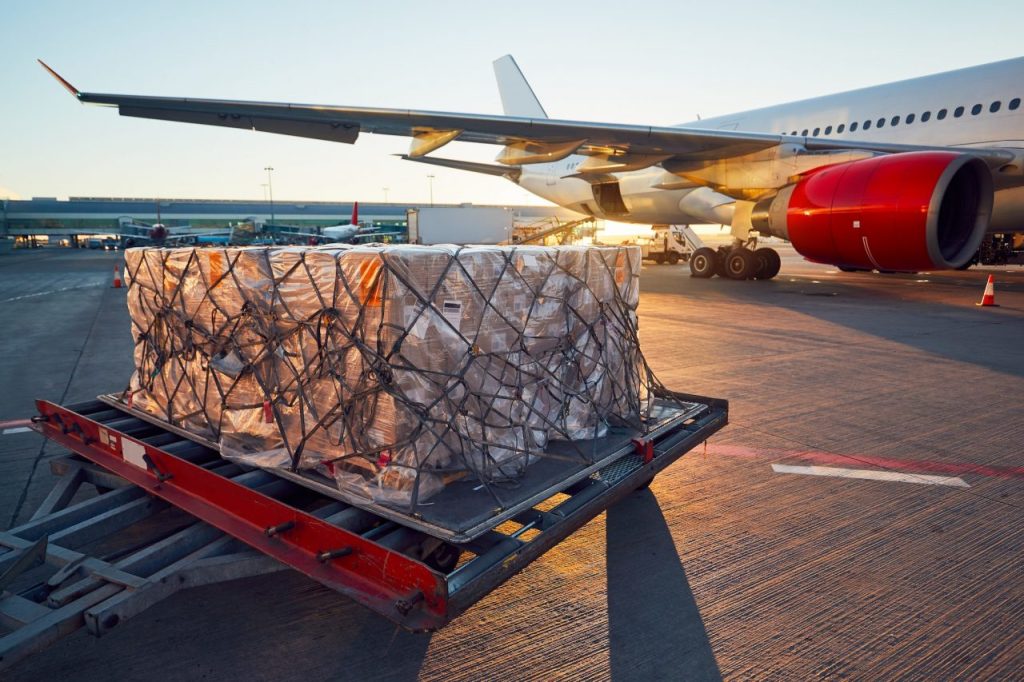
When you’re planning an international move, it’s easy to get caught up in the main shipping costs. But there are often a few extra charges that can sneak up on you if you’re not prepared. Understanding these potential fees is a big part of getting an accurate picture of your total moving expenses. Our international move management service helps you anticipate and account for these.
Customs Duties and Import Regulations
Every country has its own rules about what you can bring in and what taxes or duties might apply. These aren’t usually included in your initial moving quote. For example, some countries charge import duties on used household goods, while others have specific regulations about bringing in things like alcohol, tobacco, or even certain types of furniture. It’s really important to research the specific requirements for your destination country well in advance. This can save you a lot of headaches and unexpected bills upon arrival. We help you understand these requirements as part of our service.
Insurance and Protection Plans for Valuables
While movers take great care, international transit is long and can be unpredictable. Standard liability coverage offered by movers is often quite basic, covering only a small amount per pound or item. If you have valuable items like electronics, artwork, or fine china, you’ll want to consider purchasing additional insurance. This provides better protection against damage or loss during the move. Think about what’s most important to you and get quotes for comprehensive coverage. It’s a small price to pay for peace of mind.
Storage and Handling Charges
Sometimes, your belongings might need to be stored temporarily before they can be delivered to your new home. This can happen if there are delays with customs, if your new home isn’t ready yet, or if you’re moving during a busy season. Storage fees can add up quickly, and so can extra handling charges if your movers have to navigate difficult access points or make multiple trips. Always ask your moving company about potential storage scenarios and associated costs. Planning for these possibilities is key to avoiding surprises. International moving costs can vary widely, and these extra fees are a common reason for the difference.
Comparing International Moving Quotes Effectively
Getting quotes for an international move can feel like a puzzle. You want to make sure you’re getting a fair price, but also that you’re not missing anything important. It’s not just about the lowest number; it’s about understanding what that number actually covers and who is doing the work.
What to Look For in a Mover’s Estimate
When you get an estimate, it should be detailed. Don’t just accept a ballpark figure. A good estimate will break down costs clearly. Look for line items that specify packing, loading, shipping, customs clearance, and delivery. Our international move management process focuses on providing this level of detail so you know exactly what you’re paying for.
Here’s a quick checklist of what should be in a solid estimate:
- Detailed Inventory: A list of your items and their estimated volume/weight.
- Service Breakdown: What services are included (packing, unpacking, storage, etc.).
- Shipping Method: Whether it’s by sea or air freight.
- Origin and Destination Charges: Costs associated with pickup and final delivery.
- Insurance Options: Details on protection plans.
- Estimated Transit Time: A realistic timeframe for delivery.
Understanding Service Inclusions and Exclusions
This is where things can get tricky. Some quotes might look low because they exclude services you actually need. For example, a quote might not include destination customs duties or the final delivery to your new home. Always ask for clarification on what’s not included. Our move management service ensures all potential costs are discussed upfront, helping you avoid surprises.
Pay close attention to:
- Packing and Unpacking: Are these included, or is it a separate charge?
- Customs Clearance: Who handles this, and are the fees estimated?
- Destination Services: Does the quote cover delivery to your door, or just to the port?
- Insurance: What level of coverage is provided, and what are the deductibles?
Evaluating Value Beyond the Lowest Price
It’s tempting to go with the cheapest option, but that’s often a mistake with international moves. The cheapest quote might mean lower quality service, less experienced staff, or hidden fees that pop up later. Think about the overall value. This includes the mover’s reputation, their communication throughout the process, and how well they manage the complexities of an international relocation. A transparent international moving quote is a sign of a trustworthy company.
When comparing international relocation companies, be wary of quotes given over the phone without a visual assessment of your belongings. Always request a free in-person or video survey to ensure an accurate estimate and avoid potential issues.
Consider these factors when judging value:
- Company Reputation and Reviews: What do past customers say?
- Communication: How responsive and clear are they?
- Move Management: Do they offer a dedicated coordinator to guide you?
- Insurance and Guarantees: What protections are in place if something goes wrong?
Choosing the right international mover is about more than just price; it’s about peace of mind and a smooth transition to your new home.
Specialized Item Moving Costs

Shipping Vehicles Internationally
Moving a car overseas is a big undertaking, and the costs can add up quickly. It’s not just about the shipping itself; you’ve got to think about all the extra bits and pieces. The price really depends on where it’s going, how big the car is, and what method you choose. Sea freight is usually the cheaper option, but it takes a lot longer. Air freight is faster, but you’ll pay a premium for it. Don’t forget about potential import duties and taxes in the destination country, plus any fees for customs clearance and vehicle inspections. Our international move management services can help coordinate all these details, making the process smoother.
Here’s a general idea of what influences vehicle shipping costs:
- Distance: The further the destination, the higher the cost.
- Vehicle Size & Weight: Larger, heavier vehicles naturally cost more to ship.
- Shipping Method: Roll-on/Roll-off (RoRo) is often the most economical, while container shipping offers more protection but at a higher price.
- Insurance: Protecting your vehicle during transit is important and adds to the overall cost.
- Destination Fees: Customs duties, taxes, and local handling charges vary by country.
Relocating Pets Abroad
Bringing your furry family members along for an international move requires careful planning and can involve significant costs. Each country has its own specific import regulations, including required vaccinations, microchipping, health certificates, and quarantine periods. These requirements can influence the overall expense. You’ll need to factor in costs for veterinary visits, specialized pet travel crates that meet airline or shipping standards, and the actual transportation fees, which can be substantial for pets. Proper planning is key to a stress-free move for both you and your pet.
Consider these common pet relocation expenses:
- Veterinary Services: Health checks, vaccinations, and required paperwork.
- Travel Crate: A sturdy, airline-approved crate.
- Transportation Fees: Airline cargo fees or specialized pet transport services.
- Quarantine: If required by the destination country.
- Import Permits/Fees: Some countries charge for entry permits.
Transporting Artwork and Antiques
Moving valuable artwork, delicate antiques, or other high-value items internationally is a specialized task that demands extra attention and often comes with a higher price tag. These items require custom crating, specialized packing materials, and climate-controlled transport to prevent damage from temperature fluctuations or humidity. The cost will depend on the item’s size, fragility, value, and the specific handling requirements. It’s also important to consider comprehensive insurance coverage for these irreplaceable possessions. Our move management solutions are designed to handle such delicate logistics with the utmost care.
When shipping valuables like art or antiques, expect costs related to:
- Custom Crating: Bespoke wooden crates built to protect specific items.
- Specialized Packing: Acid-free materials, bubble wrap, foam padding.
- Climate-Controlled Transport: Ensuring stable environmental conditions during transit.
- High-Value Insurance: Coverage tailored to the declared value of the items.
- Expert Handling: Professionals trained in moving fragile and valuable goods.
Moving unique or valuable items internationally isn’t just about getting them from point A to point B. It’s about ensuring they arrive in the same condition they left, which requires specialized knowledge, materials, and handling procedures that go beyond standard household goods shipping. This level of care directly impacts the cost, but it’s an investment in preserving your cherished possessions.
Budgeting for Family and Life Stage Moves
Moving your whole family or entering a new life stage, like retirement, can add unique layers to your international relocation budget. It’s not just about packing boxes; it’s about making sure everyone, from the youngest to the oldest, settles in well.
International Moves with Children
When kids are involved, the cost can shift. You might need to factor in things like setting up new school enrollments, which can sometimes come with fees, or perhaps needing larger accommodations that increase shipping volume. The goal is to make the transition as smooth as possible for them, and that often means planning ahead for their needs. Our international move management services can help coordinate these details, from ensuring their favorite toys make it safely to researching school districts in your new country.
Here are some common considerations:
- Schooling: Researching and enrolling children in new schools, including potential application fees or required uniforms.
- Child-Friendly Services: Ensuring that items essential for children’s comfort and safety are prioritized during packing and transit.
- Temporary Housing: If your new home isn’t immediately ready, budgeting for family-friendly temporary accommodation.
Retiring Abroad: Financial Considerations
Retiring overseas is a big step, and the financial planning needs to be thorough. Beyond the standard moving costs, you’ll want to think about how your move impacts your retirement income and healthcare. The average cost for an international move can range significantly, with estimates between $6,300 and $15,900 in 2026, depending on many factors. Understanding these costs is key to a secure retirement abroad.
Consider these financial aspects:
- Healthcare: Investigating healthcare systems and insurance costs in your destination country.
- Cost of Living: Researching the local cost of living to ensure your retirement funds will stretch.
- Banking and Taxes: Setting up new banking arrangements and understanding any tax implications.
Planning for retirement abroad involves more than just shipping your belongings. It requires a deep dive into your financial future, ensuring your savings will support your lifestyle and healthcare needs in a new country. Our team can help manage the logistics of your move, freeing you up to focus on these important financial and personal adjustments.
Executive Relocation Packages
For executives moving internationally, relocation packages often cover a broader scope of services. These packages are designed to minimize disruption to your professional life and ensure a comfortable transition for your family. While the core moving costs are similar, executive packages might include services like temporary housing, home-finding assistance, and even cultural training. Our move management approach is built to handle these complex requirements, providing a high level of service and attention to detail. We help coordinate all aspects of your move, from the initial survey to final delivery, making sure your relocation is handled with the utmost professionalism. Professional move management can be a significant benefit for busy executives.
Key elements often included:
- Home Search Assistance: Help finding a suitable residence in the new location.
- Spousal/Family Support: Services to help partners and children adjust to the new environment.
- Settling-in Services: Assistance with practical matters like setting up utilities and local registrations.
Moving can be a big deal, especially when your family is growing or you’re entering a new life stage. Planning your finances carefully is key to making these transitions smooth. Don’t let the stress of moving get you down. Visit our website today to learn more about how we can help you with your next move!
So, What’s the Bottom Line on International Moving Costs?
Alright, so we’ve gone through all the nitty-gritty details about what makes international moving cost what it does in 2026. It’s not just about the distance, is it? Things like how much stuff you have, whether you’re shipping by sea or air, and all those customs rules really add up. Plus, moving with a family or shipping a car brings its own set of costs and headaches. The big takeaway here is that while it’s a big expense, knowing the factors involved helps you plan better. Getting a few quotes and understanding what’s included can make a world of difference. It’s a lot to think about, for sure, but with the right preparation, you can get your belongings across borders without too many surprises.
Frequently Asked Questions
How much does it usually cost to move internationally?
The price for an international move can vary a lot. For example, moving a small apartment from Canada to the U.S. might start around $3,000 to $6,000. Bigger homes or longer moves, like from Canada to Europe or Australia, can cost $8,000 to $15,000 or more. The total cost depends on how much you move, where you are going, and the services you choose.
What makes the price of an international move go up or down?
Many things can change the cost. How far you are moving, how much stuff you have, and what kind of shipping you pick (like by sea or air) all matter. Costs can also go up if you need extra help, like packing, storage, or special care for things like cars, pets, or artwork.
Are there any hidden fees I should watch out for?
Yes, sometimes there are extra costs that are not in the first quote. These can include customs charges, taxes, insurance, storage, or fees for handling special items. It’s important to ask your mover what is included and what is not, so you don’t get surprised later.
How can I tell if an international mover is trustworthy?
Look for movers with good reviews and the right licenses. Check if they are members of groups like FIDI, IAM, or AMSA. These groups have rules that movers must follow. You can also ask if they have experience with moves between your countries, like Canada and the U.S.
What paperwork do I need for an international move?
You will need documents like your passport, a list of everything you are moving, and sometimes visas or work permits. Each country has its own rules, so it’s smart to ask your mover what you need for your destination. They can help you with customs forms and advice.
How can I make moving with my family or pets easier?
Start planning early. For kids, talk to them about the move and help them get ready for a new place. For pets, check the rules for bringing animals into your new country, and make sure they have the right shots and papers. A good mover can guide you through these steps to make things less stressful.
Leave a Comment