Navigating Your Move: Essential Canada International Moving Reviews for 2026

Planning an international move from or to Canada for 2026 can feel like a big task. There are so many things to think about, from packing up your whole life to figuring out all the paperwork. This guide is here to help break down the process, especially when it comes to finding the right help and understanding what you’re getting into. We’ll look at what goes into moving overseas, how much it might cost, and what you need to know about customs. Plus, we’ll cover tips for moving your family and how to pick a moving company you can rely on. Getting good canada international moving reviews is key to a smooth transition.
Key Takeaways
- When moving internationally, understand what full-service movers actually do and how to plan your timeline, considering options like air or sea freight.
- Figure out the costs involved in your move. Look at what affects prices, watch out for extra fees, and learn how to compare quotes from different companies.
- If you’re moving between Canada and countries like the US or Australia, get familiar with the specific rules and steps for that route.
- Customs and paperwork are a big part of moving abroad. Know what documents you need, what items you can’t ship, and how to avoid delays.
- Choosing the right mover means checking their credentials, asking the right questions, and making sure they offer good service for the price.
Understanding International Moving Services
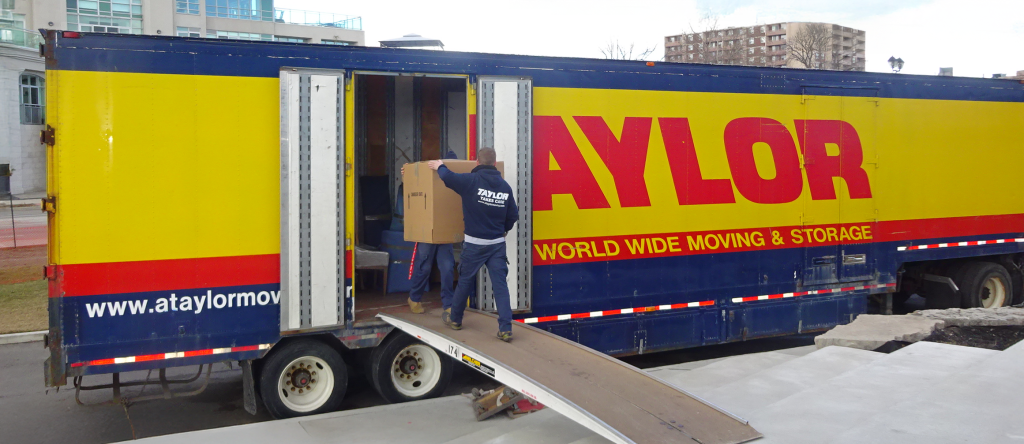
Moving your life across borders is a big deal, and knowing what services are out there can make all the difference. When we talk about international moving, especially with a service like ours that focuses on move management, we’re talking about a lot more than just packing boxes and shipping them. It’s about coordinating every single step to make sure your belongings get from point A to point B safely and without a hitch.
What Full-Service International Moving Entails
Full-service international moving means you can pretty much hand over the reins. We handle the heavy lifting, both literally and figuratively. This typically includes:
- Packing and Unpacking: Our teams use specialized materials to protect your items, from fragile dishes to bulky furniture.
- Customs Clearance: This is a big one. We manage the paperwork and liaise with customs officials to get your goods through without unnecessary delays.
- Transportation: Whether it’s by air or sea, we arrange the most suitable and cost-effective shipping method for your needs.
- Storage: If you need to store items before, during, or after your move, we have solutions for that.
- Insurance: We help you understand and arrange coverage for your shipment, giving you peace of mind.
Our approach to move management means we oversee all these components, acting as your single point of contact. This way, you’re not juggling multiple companies or trying to figure out who’s responsible for what.
Navigating the International Moving Timeline
Planning is key, and international moves require a longer lead time than domestic ones. Generally, you should start planning at least 2-3 months in advance, sometimes more depending on your destination and the complexity of your move. Here’s a rough idea:
- 8-12 Weeks Out: Get quotes, choose your mover, and book your services. Start decluttering and making a list of what you’re taking.
- 4-8 Weeks Out: Packing begins. Confirm details with your mover and start gathering necessary documents.
- 1-4 Weeks Out: Final packing, arranging for utilities at your new home, and confirming delivery dates.
- Moving Day & Beyond: Your belongings are picked up, shipped, and eventually delivered. Unpacking and settling in.
Understanding this timeline helps reduce stress. It allows for unexpected issues to be addressed without derailing the entire process. Our move management system is designed to keep you informed at every stage.
Choosing Between Air and Sea Freight
This is a decision that balances speed and cost. Our team can help you figure out which is best for your situation.
- Air Freight: This is the fastest option, ideal for urgent shipments or smaller quantities of high-value items. It’s more expensive but gets your belongings to you quickly. Think of it for those must-have items you need right away.
- Sea Freight: This is the more economical choice, especially for larger shipments like furniture and household goods. It takes longer, often several weeks, but significantly reduces shipping costs. It’s perfect for the bulk of your belongings when time isn’t the absolute top priority. We can help you compare quotes for both options to find the right fit for your budget and timeline. If you’re moving from the US to Canada, for instance, we can outline the pros and cons of each for that specific route moving from the US to Canada.
By understanding these core aspects of international moving services, you’re already a step ahead in planning a successful relocation.
Estimating Your International Moving Costs
Figuring out how much it will cost to move your life overseas can feel like a puzzle. There are a lot of pieces to consider, and it’s easy to get overwhelmed. Our goal is to help you get a clear picture so you can budget effectively for your international relocation. Understanding the factors that influence your moving expenses is the first step to avoiding surprises.
Factors Influencing Overseas Moving Expenses
Several things play a big role in the final price tag of an international move. Think about these:
- Volume and Weight of Your Belongings: The more stuff you have, the more it will cost to pack, load, and ship. We help you sort through what’s truly important to move.
- Distance to Your New Country: Moving across the globe naturally costs more than moving to a neighboring country. The further the journey, the higher the transportation costs.
- Shipping Method: Air freight is faster but more expensive, while sea freight is slower and more budget-friendly. We can help you decide which method best suits your timeline and budget.
- Packing Services: Do you need full-service packing, or will you handle some yourself? Professional packing adds to the cost but can save you time and stress.
- Insurance: Protecting your belongings during transit is important. The level of insurance you choose will affect the overall cost.
- Destination Services: Some moves require additional services at your destination, like setting up utilities or finding temporary housing, which can add to the expense.
Identifying Hidden Costs in International Relocation
Beyond the main shipping fees, there are often smaller costs that can add up if you’re not prepared. It’s wise to be aware of these potential extras:
- Customs Duties and Taxes: Depending on the destination country and the items you’re importing, you might have to pay duties or taxes. This varies greatly by country.
- Storage Fees: If you need to store your items temporarily before you can move them into your new home, there will be storage costs.
- Special Handling: Items like pianos, large furniture, or delicate artwork might require special packing or handling, which comes at an extra charge.
- Port Fees and Documentation: There can be various fees associated with port handling and the paperwork required for international shipping.
Being proactive about these potential costs means you can build a more accurate budget and avoid that “sticker shock” feeling later on. Our move management process is designed to uncover these potential expenses early.
Comparing International Moving Quotes Effectively
When you start getting quotes, it’s not just about the lowest number. You need to compare apples to apples. Here’s how to do it right:
- Get Detailed Quotes: Make sure each quote clearly lists all services included, like packing, loading, shipping, customs clearance assistance, and destination delivery.
- Understand What’s NOT Included: Pay close attention to any exclusions. Are customs duties estimated? Is insurance a separate line item?
- Ask About Extra Fees: Don’t hesitate to ask about potential surcharges for things like difficult access at your origin or destination, or long-carry fees.
- Check Mover Reputation: A quote that seems too good to be true often is. Look for reviews and accreditations to gauge the mover’s reliability. We can help you understand what to look for in a reputable provider when comparing international moving quotes.
Our approach to move management focuses on providing transparent pricing and clear communication, so you know exactly what to expect financially from start to finish. We aim to make the cost estimation process as straightforward as possible for your international move.
Key Country-to-Country Moving Guides
Moving between countries can feel like a whole different ballgame compared to a domestic move. It’s not just about packing boxes; it’s about understanding new rules, different cultures, and a whole lot of paperwork. Our international move management service is designed to take the stress out of these big transitions, especially when you’re heading to or from Canada.
Moving From Canada to the United States
This is a popular route, and for good reason. The proximity and cultural similarities make it an attractive option for many Canadians. However, don’t let that fool you into thinking it’s simple. You’ll need to be aware of U.S. customs regulations, which can be quite specific about what you can and cannot bring across the border. Proper documentation is your best friend here.
Here’s a quick rundown of what to consider:
- Customs Declarations: You’ll need to declare all your belongings. Be honest and thorough to avoid issues.
- Prohibited Items: Things like certain foods, plants, and firearms have strict rules. Always check the latest U.S. Customs and Border Protection guidelines.
- Vehicle Importation: If you’re bringing a car, there are specific U.S. standards it must meet, and you’ll need the correct paperwork.
- Household Goods: Generally, used household goods are allowed duty-free, but it’s wise to have a detailed inventory list. Our team can help prepare this for you.
We help simplify the process of moving your household goods from Canada to the U.S., making sure your items arrive safely and without unnecessary delays. Learn more about moving to the US.
Moving From the United States to Canada
Crossing the border into Canada involves its own set of requirements. While often seen as a smoother transition than moving to some other countries, it still requires careful planning. Canadian authorities have specific rules about what you can import, and understanding these upfront can save you a lot of headaches.
Key points to remember:
- Proof of Ownership: For used goods, you generally need to prove you’ve owned them for at least six months.
- Restricted Items: Similar to the U.S., Canada has lists of restricted or prohibited items, including certain weapons, food products, and plants.
- Moving Companies: Using a reputable international mover is vital. They understand the nuances of cross-border logistics and customs procedures.
Our service focuses on managing the entire move, from packing in the U.S. to delivery in Canada, ensuring all the necessary steps are handled correctly.
Relocating From Canada to Australia
This is a significant international move, spanning continents and requiring meticulous planning. Australia has some of the strictest customs and quarantine regulations in the world, particularly concerning agricultural products and anything that could introduce pests or diseases.
Consider these factors:
- Quarantine Laws: Be prepared for thorough inspections of your goods. Items like wooden furniture, shoes, and anything that has been outdoors might require special cleaning or treatment.
- Documentation: A detailed inventory list, customs declarations, and potentially other specific forms will be needed.
- Shipping Methods: Given the distance, sea freight is common for household goods, though it takes longer. Air freight is faster but more expensive.
Moving to Australia requires extra attention to detail, especially regarding quarantine. It’s not just about getting your belongings there; it’s about getting them through customs without issues.
We manage these complex moves, coordinating everything from packing in Canada to final delivery in Australia, with a focus on compliance and care. International moves involve complex logistics, and our goal is to make yours as straightforward as possible.
Navigating Customs and Documentation
Moving your belongings across international borders involves more than just packing boxes. You’ll need to get familiar with customs regulations and the paperwork that comes with it. This part can feel a bit overwhelming, but with a little preparation, it doesn’t have to be a headache. Our international move management service helps simplify this process for you.
Essential Documents for International Moves
Getting the right paperwork in order is key to a smooth international move. Missing a form or making a mistake can lead to delays or even issues at the border. Generally, you’ll need documents that identify you, prove ownership of your goods, and declare what you’re bringing into the new country. Think of it like a passport for your possessions.
- Passport/ID: Your personal identification is always required.
- Bill of Lading: This is the contract between you and the moving company, detailing your shipment.
- Customs Declaration Forms: These forms list everything you’re shipping and its value. Different countries have specific versions.
- Proof of Residence: Documentation showing you’ve lived abroad for a certain period or are moving to a new country permanently can sometimes exempt items from duties.
- Inventory List: A detailed list of all items being shipped, often prepared by the movers.
Understanding Prohibited Items for International Shipping
Every country has rules about what you can and cannot bring in. Some items are restricted for safety, health, or economic reasons. It’s really important to know these rules beforehand to avoid surprises. For example, many countries have strict rules about bringing in certain foods, plants, or even used vehicles. Shipping commercial goods from the US to Canada, for instance, requires specific forms based on value and shipping method. Always check the destination country’s official customs website for the most current list.
Ignorance of customs regulations is not a valid excuse when your shipment arrives. Taking the time to understand what’s allowed and what’s not can save you a lot of trouble down the line.
Minimizing Customs Delays for Your Shipment
Customs delays can add unwanted time to your move. The best way to avoid them is to be thorough and honest with your documentation. Make sure your inventory list is accurate and matches what’s in your boxes. If you’re moving from Canada to the United States, for example, understanding which household goods are permitted is vital. Providing clear, complete paperwork upfront is your best strategy. Our team works to ensure all documentation is correctly prepared, helping to speed up the process.
- Accurate Inventory: A detailed and truthful list of all items.
- Declare Everything: Be upfront about all goods, especially any restricted items you have permission to ship.
- Proper Valuation: Ensure the declared value of your goods is correct.
- Follow Mover’s Guidance: Your international mover will have experience with specific country requirements and can guide you on documentation.
Special Considerations for Family Relocations
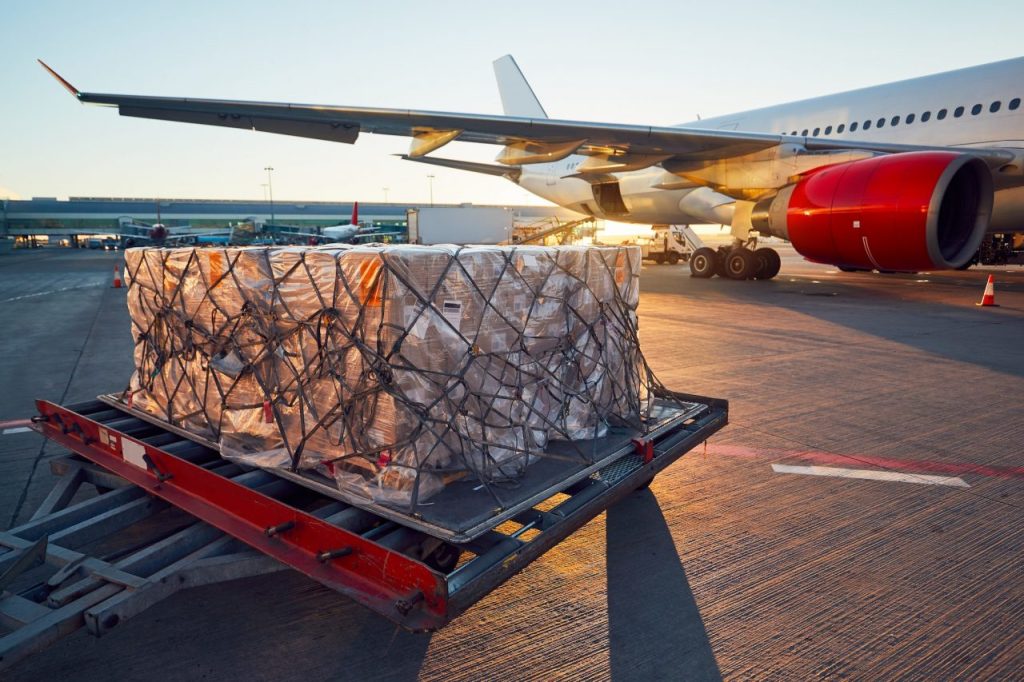
Moving your family across international borders brings a unique set of challenges, and it’s more than just packing boxes. It’s about relocating your entire life, including the well-being and happiness of your children and potentially aging parents. Our international move management services are designed to ease these specific burdens, making the transition as smooth as possible for everyone involved.
Making International Moves Smoother for Children
Children often feel the impact of a move more acutely than adults. Their routines, friendships, and sense of security can be disrupted. The key is to involve them in the process and maintain a sense of normalcy where possible.
- Open Communication: Talk to your children about the move well in advance. Explain why you’re moving in age-appropriate terms. Address their fears and answer their questions honestly.
- Familiarity: Try to recreate familiar elements in the new home. Bring favorite toys, blankets, or even a familiar piece of furniture.
- Exploration: Once you arrive, make exploring the new neighborhood an adventure. Find parks, libraries, and kid-friendly spots to help them feel more at home.
- School Support: If your children are school-aged, research schools in your new location. Many families find it helpful to connect with the new school before the move to ease the transition.
Planning Your Retirement Abroad
Retiring in another country can be a dream, but it requires meticulous planning. Beyond the excitement of a new lifestyle, practical considerations are paramount. Our services can help coordinate the logistics so you can focus on enjoying your retirement.
- Healthcare Access: Research healthcare systems in your destination country. Understand how to access doctors, specialists, and any necessary medications.
- Financial Planning: Ensure your finances are in order. This includes understanding local tax laws, banking, and how your retirement income will be managed.
- Legal Requirements: Familiarize yourself with visa and residency requirements for retirees. This is a critical step that often requires professional guidance.
Relocating for retirement involves more than just packing personal belongings; it requires a thorough understanding of healthcare, financial, and legal frameworks in your chosen country. Proactive planning is key to a peaceful transition.
Relocating Pets and Vehicles Internationally
Moving pets and vehicles internationally adds another layer of complexity to your relocation. Each country has its own specific regulations regarding animal import and vehicle registration. Our move management solutions can help you navigate these intricate requirements.
- Pet Relocation: This often involves specific vaccinations, health certificates, microchipping, and quarantine periods depending on the destination. We work with specialized pet transport partners to manage these details.
- Vehicle Shipping: Consider the costs and logistics of shipping your car. You’ll need to understand import duties, taxes, and registration processes in the new country. Sometimes, it’s more practical to sell your vehicle and purchase a new one upon arrival. For guidance on country-specific requirements, exploring resources for moving from Canada to the United States can offer insights into border processes.
We aim to simplify these complex aspects of family relocation, allowing you to focus on settling into your new life with confidence.
Selecting the Right International Mover
Choosing the right company to handle your international move is a big deal. It’s not like picking a local mover; there are so many more moving parts, literally and figuratively. You want a partner who knows the ropes, from packing your grandmother’s china to getting it through customs without a hitch. Our international move management services are designed to take the stress out of this complex process, connecting you with reliable professionals every step of the way.
Accreditations and Their Significance
When you’re looking at different moving companies, you’ll see a lot of acronyms and certifications. What do they actually mean for you? Think of accreditations as a mover’s report card. They show that a company has met certain industry standards for quality, reliability, and ethical practices. For instance, organizations like FIDI (International Federation of International Movers) or IAM (International Association of Movers) have specific requirements for their members. Belonging to these groups often means the company has been vetted and agrees to follow a code of conduct. It’s a good sign that they’re serious about international moving and not just dabbling in it. This due diligence helps you avoid potential problems down the road.
Questions to Ask Before Hiring Overseas Movers
Don’t be shy when it comes to asking questions. The more you know upfront, the better you can compare your options. Here are some key things to inquire about:
- What specific services are included in your “full-service” package? Does it cover packing, unpacking, customs clearance, storage, and insurance coordination?
- Who will actually be handling my shipment? Will it be your own teams, or will you be working with third-party partners in different countries? If partners, how do you vet them?
- What is your process for handling claims or damages? Understanding this before anything goes wrong is important.
- Can you provide a detailed, itemized quote? Watch out for vague estimates.
- What is your timeline for a move like mine? Get realistic expectations for transit and delivery.
Evaluating Service Quality and Value
Comparing international moving quotes can feel like comparing apples and oranges. You’ll see different prices, different timelines, and different inclusions. It’s not just about the lowest price. You need to look at the overall value. Consider the mover’s experience with your specific destination country, their communication style, and how transparent they are about costs. A slightly higher quote from a company that offers clear communication and a proven track record might save you a lot of headaches later. Our move management approach focuses on providing clear, upfront information so you can make an informed decision based on true value, not just the bottom line.
When you’re evaluating movers, think about the peace of mind they offer. A company that makes you feel heard and understood, and that can clearly explain complex processes, is often worth more than a cheaper alternative that leaves you guessing.
Building Trust in Your Moving Partner
Verifying Mover Reliability and Credentials
When you’re moving internationally, especially from a place like Canada, picking the right moving company feels like a big deal. You’re trusting them with all your belongings, after all. It’s not just about getting boxes from point A to point B; it’s about peace of mind. So, how do you actually know if a company is legit and won’t cause more stress than it’s worth? Look for industry accreditations. Organizations like FIDI, IAM (International Association of Movers), and AMSA (American Moving & Storage Association) have standards that reputable movers aim to meet. These aren’t just fancy acronyms; they often mean the company has been vetted for quality, financial stability, and ethical practices. It’s a good starting point to filter out the less reliable options. Think of it like checking reviews for a restaurant, but for your entire life’s possessions.
Understanding Who Handles Your Shipment
This is a big one that often gets overlooked. You might sign a contract with a well-known international moving company, but who is actually going to show up at your door to pack your things? And who is going to be responsible for them when they arrive in your new country? Sometimes, the company you booked with is just a broker, and they hand off the actual move to another, possibly unknown, third party. This can lead to communication breakdowns and confusion. It’s really important to ask directly if the company you’re speaking with handles the move end-to-end or if they work with partners, and if so, who those partners are. Understanding this chain of custody helps you know who to contact if something goes wrong and what level of service you can expect at each stage. Our move management approach focuses on clear communication and accountability throughout the entire process, so you always know who is responsible for your shipment.
Leveraging Testimonials and Case Studies
Beyond accreditations and understanding the handling process, what else can give you confidence? Real stories from real people. Testimonials and case studies are goldmines of information. They show how a moving company has performed for others in similar situations. Did they handle a complex move from Canada to Australia smoothly? Did they manage a family relocation with young children without a hitch? Look for specific examples that relate to your own move. While you won’t find every single scenario covered, a good collection of positive feedback and detailed case studies can paint a clear picture of a company’s capabilities and customer service. It helps you gauge their track record and see if their past successes align with your expectations for your own international relocation. Reputable international movers often showcase these success stories to build confidence.
Choosing the right moving company is a big deal. You want a team you can count on to handle your belongings with care and get them to your new home safely. We understand that trust is earned, and we work hard every day to be the moving partner you can rely on. Ready to experience a stress-free move? Visit our website today to learn more and get a free quote!
Ready for Your Big Move?
So, you’ve made it through the details of planning an international move. It’s a lot to think about, from packing up your whole life to figuring out the paperwork and getting everything to your new country. Remember, choosing the right moving company is a big part of making this whole process go smoothly. Take your time, do your homework on the companies we’ve talked about, and don’t be afraid to ask questions. Your new adventure is waiting, and with the right help, you can get there without too much stress. Happy moving!
Frequently Asked Questions
What exactly does a full-service international move cover?
A full-service international move means the moving company handles almost everything for you. This includes packing your belongings carefully, loading them onto the truck or ship, transporting them across borders, dealing with customs paperwork, and delivering everything to your new home. Think of it as a door-to-door service for your stuff when you’re moving far away.
How can I be sure a moving company is trustworthy?
To know if a mover is reliable, check for official accreditations or memberships in industry groups. These show they follow certain standards. Also, look for reviews or ask for references from past customers. A good company will be clear about who handles your shipment and will have a solid track record.
What are the biggest costs when moving overseas?
The main costs usually involve the actual shipping of your items, which depends on how much you’re moving and the distance. Packing materials and labor also add up. Don’t forget potential fees for customs, insurance, and sometimes storage if you can’t move into your new place right away. Always ask about any hidden fees.
How do I make moving internationally easier for my kids?
Moving can be tough on kids. To make it smoother, involve them in the process by letting them pack their favorite toys or decorate moving boxes. Talk to them about the new place and what to expect, like new schools or parks. Keeping familiar routines as much as possible can also help them feel more secure.
What documents do I absolutely need for an international move?
You’ll need important documents like your passport and visa (if required for your destination country). You’ll also need a detailed list of everything you’re shipping, often called an inventory or bill of lading. Sometimes, proof of residency or employment in the new country is necessary too. Always check the specific requirements for the countries you’re moving between.
Can I ship just anything I want when moving abroad?
Unfortunately, no. Most countries have lists of items that are not allowed or are restricted. This often includes things like certain foods, plants, firearms, and hazardous materials. It’s crucial to check the customs regulations for both your departure and arrival countries to avoid problems or having your items taken away.
Leave a Comment