International moving insurance: What does it cover when moving across Canada, the US, or overseas?

Key Takeaways
International moving insurance can protect household goods across packing, transit, storage, and delivery, but the exact scope depends on the policy and the shipment.
- Carrier liability is not the same as comprehensive moving insurance.
- Coverage may apply across road, rail, air, and ocean transit.
- Fragile, valuable, restricted, and poorly prepared items may have exclusions.
- Declared values should reflect realistic replacement costs.
- Photos, inventories, receipts, and prompt reporting support a stronger claim.
Understanding international moving insurance
When people search for international moving insurance what does it cover, they are often trying to understand whether their belongings are protected from pickup through final delivery. The answer is rarely a simple yes or no. Coverage depends on the insurance form, declared value, exclusions, route, mode of transport, and any temporary storage involved. A careful review before packing is more useful than discovering a limitation after delivery.
How moving insurance differs from standard carrier liability
A moving company’s standard liability or valuation may limit what it must pay if an item is lost or damaged. It may be calculated using a declared amount, weight, or another contract term rather than the cost of replacing the item. Moving insurance is a separate protection arrangement that can offer broader terms, subject to its own conditions. Ask for the written details instead of assuming that a quote includes full replacement protection.
Why international shipments face additional risks
An international household shipment may pass through several handlers, facilities, ports, and border procedures. It can also spend time in a truck, container, aircraft, warehouse, or temporary residence before the move is complete. Humidity, handling, vibration, delays, and changes in packaging conditions can all affect belongings. The farther a shipment travels and the more transfers it makes, the more useful it is to understand where coverage begins and ends.
The difference between valuation coverage and third-party insurance
Valuation is generally the mover’s contractual responsibility for loss or damage, while third-party insurance is arranged through an insurer independently of that liability. The two can differ in limits, deductibles, exclusions, claims handling, and whether replacement or repair is available. Neither should be judged by its label alone. Compare the actual certificate, wording, and declared-value requirements before choosing.
Why coverage terms vary by country and shipping method
A Canada–US move may rely heavily on road transport and border documentation, while an overseas move can add ocean freight, port handling, and longer storage intervals. Local regulations and insurance practices also differ by country. A policy that works for one route may not provide identical protection on another. For broader planning context, review this international relocation guide alongside the policy documents.
What international moving insurance typically covers
Most moving policies are designed around the physical journey of household goods, but the protected journey must be defined carefully. Some cover begins during professional packing and ends after delivery; others include storage or additional services only if they are declared. Read the schedule for the shipment rather than relying on a general sales description.
Loss or damage during packing, loading, and unloading
Depending on the policy, cover may apply when goods are packed, handled, loaded, unloaded, and delivered. This matters because damage can happen before a truck leaves the origin address or after it arrives at the destination. Packing responsibility may also affect a claim, particularly when the owner packed an item personally. Keep packing lists and note visible damage at each handoff.
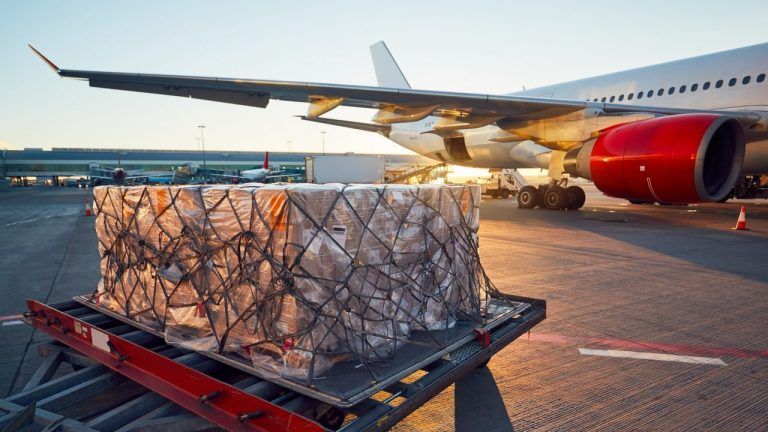
Protection during ocean, air, road, and rail transit
A shipment can move by road across the Canada–US border, by rail to a port or inland terminal, or by ocean or air for an overseas route. The policy should state whether these modes are included and whether protection remains continuous during transfers. Transit coverage may also specify territorial limits, approved carriers, or exclusions for particular events. The international insurance overview offers useful general background on these distinctions.
Coverage for household goods in temporary storage
Temporary storage is common when a lease, closing date, customs release, or destination delivery does not line up with the shipment’s arrival. Some policies include storage in transit, while others require a separate declaration or endorsement. Confirm the permitted duration, facility requirements, and whether coverage changes once goods enter storage. A storage receipt and inventory can help establish what was present if a problem occurs.
Coverage considerations for Canada–US and overseas moves
Cross-border and overseas moves share basic concerns but do not carry identical logistical conditions. A Canada–US shipment may involve border inspection and multiple road legs, whereas an overseas shipment may spend weeks moving through ports and container networks. Taylor International provides international moving services, including cross-border moving and overseas moving, so a quote discussion can help identify the shipment stages that need to be reviewed. Coverage should still be confirmed in the policy itself.
What may not be covered by your policy
Insurance is not a guarantee that every problem will produce a payment. Exclusions often relate to the item itself, the way it was prepared, an event outside the policy’s definition, or a failure to follow a condition. The safest approach is to identify these limits before the inventory is finalized.
Common exclusions for fragile, valuable, or restricted items
Some fragile, valuable, antique, collectible, or restricted goods require advance approval, professional packing, appraisals, or separate scheduling. Certain goods may not be accepted for transport at all because of customs, safety, or carrier rules. Jewelry, fine art, instruments, electronics, and rare collections deserve individual questions rather than a general assumption. If an item is unusual, disclose it before the shipment is packed.
Damage caused by poor packing, wear, or inadequate preparation
A policy may exclude ordinary wear, pre-existing damage, gradual deterioration, or damage caused by inadequate preparation. Owner-packed cartons can receive different treatment from cartons packed by professionals, depending on the wording. Appliances may need preparation for transport, and furniture may need appropriate protection against rubbing or moisture. Document condition before packing so a later claim is not confused with an earlier defect.
Delays, customs holds, and changes in market value
A delay does not necessarily mean that the goods are insured for every resulting expense. Customs holds, missed connections, storage charges, accommodation, and changes in market value may be treated differently from physical loss or damage. Replacement-value wording may also require proof of the item’s value and condition. Ask specifically what happens when a shipment is delayed without being damaged.
Why documentation and policy conditions matter
Claims usually depend on showing what was shipped, what happened, and what loss resulted. That makes accurate records from the start more than an administrative task. Keep the policy, inventory, photographs, receipts, packing records, and correspondence together. For planning help, this customs documentation guide can complement the insurance review, although it does not replace policy terms.
Coverage for special items and additional services
Special items often need more than a line on a household inventory. Their value, fragility, preparation, legal status, or handling method may change the insurance conversation. The same is true when storage, destination work, or delivery arrangements extend the time between origin and final placement.

Fine art, antiques, jewelry, and high-value belongings
Ask whether high-value goods must be listed individually and whether an appraisal, receipt, photograph, or professional packing record is required. Pairs and sets can also raise questions: damage to one part may affect the usefulness or value of the entire group. Do not assume a standard household limit is sufficient for a collection or heirloom. A written confirmation is preferable to a verbal assurance.
Vehicles, motorcycles, and recreational equipment
Vehicles and motorcycles may travel separately from household goods and can have different preparation, loading, storage, and liability arrangements. Recreational equipment may also be subject to size, fuel, battery, or customs restrictions. Confirm whether the item is included, excluded, or covered under another contract. The specialized moving checklist is a useful place to organize questions about vehicles and other unusual belongings.
Pet relocation and personal effects
Pet relocation is not the same as insuring household goods. Veterinary care, permits, airline rules, and quarantine requirements may create costs that a goods policy does not address. Personal effects carried separately in luggage may likewise fall outside a shipment certificate. Treat pets, documents, medications, and essential items as separate planning categories.
How storage, destination services, and delivery affect coverage
The final leg can include arrival handling, warehouse release, unpacking, debris removal, or delivery to a different address. Each added service can affect who has custody and when the insured period ends. Ask whether coverage continues during destination storage and until placement in the new home. A move planning resource can help coordinate these stages with the insurance timeline.
How much international moving insurance do you need?
The right amount is tied to what it would cost to replace the shipment, not simply what it cost to buy years ago. A household with modest furniture may need a different limit from a family moving antiques, electronics, or specialized equipment. Begin with a realistic inventory and then test the policy against the highest-value items.
Calculating the replacement value of your shipment
Create an itemized inventory with approximate current replacement values, condition, and supporting evidence for expensive goods. Include contents inside cartons rather than valuing only the boxes or furniture. Consider whether local replacement would be possible at the destination and whether shipping, taxes, or currency conversion affect the estimate. Under-declaring the total can leave a substantial gap after a serious loss.
Choosing coverage for a household, family, or executive relocation
A family move often includes children’s belongings, appliances, furniture, electronics, and personal effects accumulated over many years. An individual executive or professional may have fewer items but a higher concentration of artwork, instruments, or technology. Coverage should reflect the actual household, not a generic package. Residential international move management can help surface special items early, without turning the insurance discussion into a last-minute formality.
Balancing premiums, deductibles, limits, and exclusions
A lower premium may come with a higher deductible, narrower event coverage, or lower item limits. A higher premium is not automatically better if the policy excludes the goods that matter most to you. Compare these elements together:
- The total declared replacement value.
- The deductible for each claim or occurrence.
- Per-item, category, and overall limits.
- Exclusions for packing, storage, or special goods.
After comparing them, ask which practical risks remain with you. The cheapest option may be reasonable for ordinary, replaceable goods, but not for a shipment containing irreplaceable belongings.
When corporate relocation programs need broader protection
For this residential-focused guide, the relevant question is whether an individual or family move includes employer-arranged services or unusually valuable household goods. A policy should still be explained to the person whose belongings are moving, even when someone else is paying. Clarify who declares the values, receives claim communications, and makes decisions about repairs or replacement.
How to buy and compare international moving insurance
Insurance should be compared at the same time as the moving service, not added after the route and packing plan are fixed. Ask for written terms that match the origin, destination, shipment size, transport modes, storage needs, and special items. A clear comparison makes it easier to see whether two quotes are genuinely equivalent.
Questions to ask your moving company or insurer
Ask who underwrites the cover, when it begins, when it ends, and whether storage is included. Also ask how owner-packed goods, pairs and sets, high-value items, vehicles, and delayed shipments are treated. If your move involves a complicated route, request confirmation that every leg is included. These questions are also consistent with the practical guidance in this international mover selection guide.
Comparing coverage across Canada, the US, and other countries
Do not compare only the currency or headline premium. Compare the definitions, deductible, claims jurisdiction, territorial scope, and requirements for proving value. Canada–US routes may have different documentation and handoff patterns from overseas routes, while destination-country rules can affect repairs and replacement. A policy should be understandable to the person making the claim, wherever that person lives.
Reviewing certificates, inventories, and declared values
Check that names, addresses, dates, origin, destination, and shipment description are correct. Compare the certificate with the final inventory and confirm that high-value items appear as required. Keep a copy before the goods leave your home. If details change, ask for an updated document rather than relying on an informal email or conversation.
Checking the claims process, deadlines, and required evidence
A claims process should explain how to notify the insurer, what deadline applies, which evidence is needed, and whether damaged goods must be retained for inspection. Taylor International’s Full Replacement Value Insurance resource describes a program for protecting belongings during an overseas move; the applicable terms should be reviewed for the individual shipment. You can also request move details when you need help organizing the next conversation.
How to file a claim after an international move
A damaged carton can be upsetting, especially after a long cross-border or overseas journey. Try to preserve evidence before cleaning, repairing, discarding, or repacking anything. Then follow the policy’s process rather than waiting for the moving company to infer that a claim is being made.
Documenting damage before unpacking or discarding materials
Photograph the carton, labels, wrapping, packing materials, and visible damage before changing the scene. Take wider photographs that show the shipment context as well as close images of the item. Keep damaged packaging unless the insurer authorizes disposal. Record the date and the person who observed the condition.
Reporting loss or damage within the policy deadline
Notify the insurer or designated claims contact as soon as practical and follow the stated deadline. A delivery inventory or notation may be required, but it may not be the only notice that counts. Describe the problem clearly and keep confirmation that the report was received. Late notice can complicate an otherwise valid claim.
Gathering inventories, photographs, receipts, and shipping records
Useful evidence may include the original inventory, valuation declaration, purchase receipt, appraisal, packing list, bill of lading, delivery record, and correspondence about the shipment. For a missing item, show that it was present before dispatch and absent at delivery. For damage, show condition before and after transit when possible. Organized records reduce unnecessary back-and-forth.
What to do when a claim is disputed or underpaid
Request the insurer’s written explanation, including the policy clause relied on and the calculation of any settlement. Compare that explanation with your certificate and evidence, then ask focused questions about exclusions, depreciation, limits, or deductible application. Keep communication factual and retain copies of every submission. If the disagreement remains, ask about the policy’s review, complaint, or dispute-resolution process.
Plan Your Protected Move
Taylor International can help you plan an international household move across Canada, the US, or overseas, including the service details that should be reviewed alongside insurance. Contact the team for a moving quote and discuss your inventory, route, timing, and special belongings before the shipment is prepared.
Conclusion
International moving insurance can provide meaningful protection, but only when its limits match the actual journey and contents of your shipment. Review valuation, exclusions, storage, special items, documentation, and claims deadlines before moving day, then keep a careful record from pickup through delivery.
Frequently Asked Questions
Does international moving insurance cover every item in a shipment?
No. Coverage can exclude or limit fragile, valuable, restricted, owner-packed, worn, or inadequately prepared items, so review the policy and declare special goods in advance.
Is carrier liability the same as moving insurance?
No. Carrier liability is generally a contractual responsibility with defined limits, while moving insurance may provide broader protection under a separate certificate and set of conditions.
Are household goods covered while they are in temporary storage?
Sometimes. Storage may be included for a defined period, excluded, or available only when declared, so confirm the facility, duration, and coverage terms.
Does insurance cover customs delays?
Not necessarily. A customs delay may be treated differently from physical loss or damage, and related storage, accommodation, or other expenses may be excluded.
How should I value my international shipment?
Use realistic current replacement values and include the contents of cartons, not only large furniture. Support high-value estimates with receipts, appraisals, or other records where available.
What evidence is useful for a moving insurance claim?
Photographs, inventories, receipts, appraisals, packing records, shipping documents, delivery notes, and correspondence can help establish the item’s condition, value, and movement history.
What should I do immediately after finding damage?
Photograph the item and packaging, preserve the materials, notify the claims contact within the stated deadline, and follow the policy’s instructions before repairing or discarding anything.
Leave a Comment