Moving from Canada to Spain: A comprehensive relocation guide

Key Takeaways
Moving to a new country involves significant coordination, from securing the correct visa to managing the logistical challenges of international transport. By following a structured approach, you can ensure your transition is as smooth as possible.
- Start your planning process at least four to six months before your intended departure date.
- Research the specific visa category that aligns with your professional or retirement goals in Spain.
- Use a professional move manager to navigate complex customs regulations and import paperwork.
- Audit your household belongings to determine what is worth shipping versus what should be sold or donated.
- Prioritize the arrangement of housing and registration tasks immediately upon your arrival in the country.
Planning your international move to Spain
Transitioning to a new country represents a major life milestone that requires careful preparation and expert oversight. When you are moving from Canada to Spain, the complexity of international logistics often necessitates the help of professionals who understand the nuances of global relocation. By breaking your plan into manageable phases, you can address administrative, financial, and logistical needs without feeling overwhelmed by the breadth of the project.
Sorting out long-term residence and visa requirements
Before you purchase a single packing box, you must determine your legal path for residency. Spain offers several pathways for foreigners, requiring careful attention to financial solvency and purpose of stay. You might find it helpful to consult resources on obtaining the right visa to clarify whether you need a non-lucrative, work, or digital nomad permit. Each category carries distinct requirements for documentation and duration of stay, meaning you should start your application well in advance of your flight.
Creating a realistic moving timeline
Constructing a timeline helps you prioritize critical tasks such as securing passports and canceling local contracts. A logical sequence helps prevent last-minute emergencies, such as expired travel documents or unresolved bank accounts. Establishing a detailed relocation guide allows you to track progress across multiple departments of your move, ensuring that you manage your household and professional obligations simultaneously.
Budgeting for your international relocation
Relocation budgets often expand unexpectedly due to shipping fees, new household setup, and mandatory insurance premiums. You should map out your expected costs for long-distance transport, including potential storage solutions if your new home is not ready immediately. Understanding the total expense allows you to allocate funds effectively for both your transit phase and your initial months of settling into a foreign environment.
Choosing a reputable international moving partner
Selecting a reliable mover is the most crucial decision in ensuring your possessions arrive safely at your new home. Whether you need professional international movers to handle the complexities of ocean freight or need assistance with custom packing, a qualified provider serves as a guide for your transition. Proper vetting ensures that you are working with an organization capable of securing your shipment throughout its journey across the Atlantic.
Understanding international shipping logistics
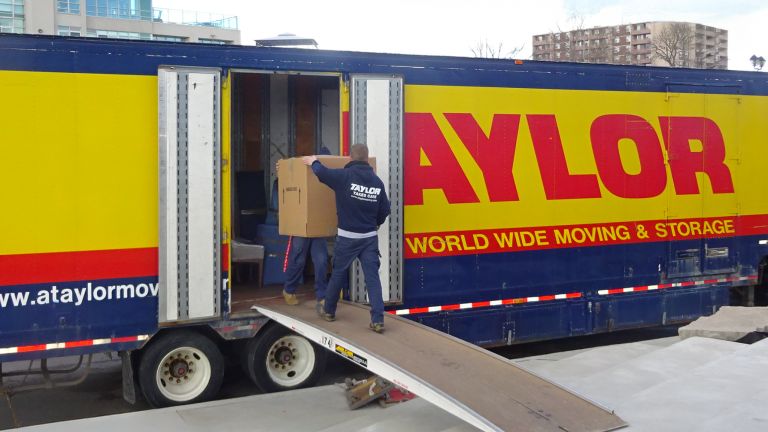
International shipping involves navigating a vast network of maritime and air transport lanes that require precise coordination. When coordinating a move of this scale, your primary focus should be on ensuring that your inventory is accounted for, documented, and packed to withstand long-duration transit. Utilizing the technical capabilities of a firm like Taylor International allows you to monitor the status of your move and analyze the best routes for your specific cargo profile, providing transparency in an often opaque industry.
Sea freight vs. air freight options
Choosing between air and sea transit typically depends on your budget and the urgency of your arrival. Sea freight remains the standard for most household relocations because it offers a cost-effective solution for moving large volumes of furniture and personal items. Air freight, while significantly faster, should be reserved for essential items you need within days of landing in Spain, as the costs associated with weight and volume can escalate quickly.
Managing container sizing and space requirements
To minimize costs, you must carefully select the right container size for your volume of goods. An expert partner can conduct a survey of your belongings to determine if you require a full container load or if you can share space, which is often termed groupage. Proper planning ensures you do not pay for empty space while simultaneously preventing the risk of overloading that occurs when furniture is not measured correctly.
Understanding door-to-door transit processes
Door-to-door shipping implies that your mover handles all logistics from your current garage or driveway in Canada to your final destination in Spain. This comprehensive approach includes inland trucking, loading at the port, maritime transit, and local delivery services. This method ensures that critical transport stages are integrated, reducing the risk of a miscommunication occurring during handover between different transit carriers.
Handling complex household items and furniture
Specialized furniture, such as pianos, antiques, or large appliances, requires custom crating and climate-controlled considerations to avoid damage during transit. Providing your moving team with a detailed list of these items allows for the procurement of appropriate crating materials and protective padding. Because international routes involve varying temperatures and humidity levels, professional planning for your unique inventory is non-negotiable for preserving item integrity.
Navigating customs and import documentation
Preparing your paperwork correctly is the most effective way to avoid delays or additional taxes at the Spanish border. When entering a European Union country, the customs process involves standardized declarations that require accuracy and attention to detail. Having your detailed household goods regulations reviewed by a specialist will significantly decrease the likelihood of your cargo being held pending administrative verification.

Required paperwork for household shipments to Spain
Spain demands specific documentation for entry, including a copy of your passport, a detailed packing list, and residency proof. You must also include your NIE, which is the identity number assigned to foreigners in Spain. This document acts as your fiscal identifier throughout your stay, making it one of the most critical papers you will process before or during your initial relocation phase.
Managing tax and duty exemptions for personal belongings
If you are relocating your main residence, you may qualify for tax exemptions on your used personal belongings under certain conditions. You generally must prove that these items have been in your possession for at least six months prior to the date of your move. Meeting these rules requires accurate dating on your inventory, essentially creating a historical map of your ownership that customs officials can audit during the clearing process.
Tracking prohibited and restricted items
Certain items are either completely prohibited or restricted within Spain due to local laws, including specific food items, plants, and hazardous liquids. You should review the official list of forbidden goods carefully to avoid the removal or destruction of your property upon arrival. If you are unsure whether a specific item is allowed, consult this table as a quick reference guide before packing your cartons.
| Item Category | Status | Notes |
|---|---|---|
| Household Electronics | Generally Allowed | Check compatibility of power voltage |
| Perishable Foodstuffs | Prohibited | Strictly enforced at customs entry |
| Medications | Restricted | Requires proper prescription documentation |
Working with authorized customs brokers
Engaging an authorized customs broker or professional mover ensures that your shipment adheres to current regulations. These experts monitor frequent changes in European import legislation and provide guidance to ensure your declaration matches your physical load. They act as your representative, solving communication barriers with government agents and ensuring your goods clear the terminal as efficiently as possible.
Specialized relocation services for families
When a household is moving, the needs of family members often require a personalized, high-touch approach to ensure minimal stress. This goes beyond the physical act of moving boxes; it includes providing support for the emotional and logistical realities of resettling children and pets in a different cultural context. Finding an international relocation partner can simplify this transition by acting as the primary point of contact for complex requirements like pet travel authorizations or vehicle registration.
Coordinating professional packing and crating
Professional packing teams utilize industry-standard techniques to protect your assets during long ocean voyages. For families, this is especially valuable as it frees up time to manage children and school arrangements. These teams inventory every carton and ensure that fragile items receive specialized wrapping, effectively protecting your breakables from the vibrations and handling inherent in large-scale logistics.
Exploring pet relocation procedures from Canada
Relocating a pet requires specific health certificates, microchipping, and vaccination updates that must be validated by local authorities. Because airline and transit regulations for animals are strict, you must start the documentation process months ahead of time. Ensure you have the travel crate requirements and the latest international health mandates available, as compliance is essential for a stress-free entry for your furry companion.
Managing vehicle shipping and import regulations
Shipping a car to Spain involves rigorous safety and emission standards that can be complicated for an individual to navigate alone. You should evaluate the total cost of shipping and importing your vehicle, as duties and modifications may cost more than buying a replacement in your new country. If you proceed, utilizing a dedicated transport service ensures your car is handled according to maritime safety codes for hazardous material containment.
Securing comprehensive international moving insurance
Insurance is the final piece of the security puzzle for any international relocation project. A comprehensive policy covers your inventory against potential risks including maritime loss, accidental breakage, and climate-related damage during transit. Ensure you clearly understand the declared value limitations and the claims process so you can have peace of mind as your life changes countries.
Settling into your new life in Spain
Once your move is complete, the focus shifts from logistical planning to community integration and local administrative registration. Having your documentation ready allows you to establish services like utilities and banking quickly. It is recommended to connect early with your new neighbors or expat forums to gain practical insights into the daily rhythms of your chosen region, which can significantly improve your feeling of stability after the move.
Preparing for your arrival at your new residence
Your arrival should ideally coincide with the delivery of your essential household items. Verify that your destination residence is ready for occupancy by coordinating your keys and delivery windows ahead of time. This ensures that you do not spend your first week waiting for furniture in an empty apartment, allowing you to establish a home environment immediately.
Navigating local administrative requirements and registration
Once settled, you must complete your municipal registration or ‘padrón’ in your new town, which is a mandatory state requirement that grants you access to local social services. Additionally, checking your administrative obligations regarding bank accounts and health services will keep your legal status in good standing. Following a simple numbered checklist makes the local administrative process feel much less daunting:
- Complete your municipal registration at the town hall.
- Apply for your residence card to establish residency status.
- Open a local bank account for utility and bill payments.
- Register for the Spanish public health system if eligible.
Managing the final delivery and furniture assembly
Professional delivery teams can help with the final placement of your furniture, which, after a long journey, is a welcomed relief. Ensure you have your floor plan available so teams can direct pieces to their proper rooms without needing constant oversight. Efficient coordination here means that your base of operations is functional from the very first night.
Connecting with community resources for Canadian expats
Integration into your new community through local clubs or international organizations provides essential networking opportunities. You can often find resources on living in Spain through local expat group meetups or Spanish language classes sponsored by regional ministries. These social avenues provide a support system, reducing the feelings of alienation that can occur when moving to a new culture without existing contacts.
Conclusion
Navigating your move to Spain is an achievable ambition, provided you balance meticulous document preparation with a flexible, long-term perspective. Using professional services to manage the heavy lifting of logistics and customs ensures that you can focus on the rewarding experience of building your new home. If you want to discuss your relocation today, please book a free call with our team to start planning your successful relocation abroad.
Frequently Asked Questions
Is it worth shipping all my furniture from Canada to Spain?
Deciding whether to ship furniture depends on the sentimental value of your items and the current cost of local replacement. Many expats choose to sell larger, heavy pieces in Canada and purchase new furniture locally, which can be more cost-effective than paying for the high volume of international container space.
How much time should I allocate for visa processing?
Visa processing times vary depending on the category, but you should count on a minimum of three to six months for approval. It is critical to refrain from booking non-refundable travel until your visa application has been officially processed and authorized to avoid significant losses.
Do I need a professional moving company for a international move?
While you can attempt a modular move yourself, the complexities of customs, maritime container bookings, and international insurance make professional support highly recommended. Trained move managers provide the infrastructure necessary to avoid catastrophic shipment delays and legal compliance issues at the border.
What are the most common customs issues for expatriates?
Common issues include missing or incorrectly completed inventory lists and failure to provide proof of long-term ownership for personal goods. These administrative errors often lead to cargo detention, so ensure your paperwork is double-checked by a professional familiar with Spanish import protocols.
Can I work remotely from Spain as a Canadian citizen?
Yes, remote work is increasingly popular, but you must secure the correct visa to remain legally in the country while performing your professional duties. The Digital Nomad Visa was designed specifically for this purpose and provides a framework for individuals who earn income from outside of Spain while living locally.
How does the cost of living compare between Canada and Spain?
Many Canadians find that daily living expenses, particularly for rent, fresh groceries, and public transportation, are significantly lower in Spain. However, this varies by region, with cities like Barcelona or Madrid being more expensive than smaller coastal towns or rural areas.
Will my Canadian electrical appliances work in Spain?
Spanish power outlets operate at a different voltage and frequency than Canadian ones, and the plug shapes are not compatible. Using high-wattage Canadian appliances would require heavy-duty transformers, which are often expensive and impractical; it is usually better to purchase new appliances after you arrive.
Leave a Comment