Moving from the USA to Australia: The ultimate relocation guide
Key Takeaways
Moving to Australia from the United States involves careful planning, strict regulatory compliance, and strategic logistics management.
- Start your relocation process 6–8 months in advance to ensure all administrative tasks are completed.
- Choose between sea and air freight based on your volume, budget, and desired transit time.
- Familiarize yourself with Australian biosecurity regulations to avoid costly customs delays or prohibited item seizures.
- Create a detailed, accurate inventory report to streamline customs clearance and ensure proper insurance coverage.
- Work with a professional international moving partner to manage the end-to-end complexity of your global relocation.
Planning your move from the USA to Australia
Creating a realistic relocation timeline
Moving across the world requires a disciplined approach, and planning a move from Canada to Australia provides an excellent framework for Americans as well, given the similar logistical hurdles. You should aim to finalize your decision to relocate at least six to eight months before your intended departure date. This window allows ample time to secure visas, organize finances, and vet international shipping partners without the pressure of a looming deadline.
Essential pre-move administrative tasks
Before you pack your first box, you must tackle critical paperwork. This includes renewing passports, checking visa statuses, and updating your international moving basics to include contact information for your destination country’s authorities. Maintaining a secure file of birth certificates, marriage licenses, and professional certifications is non-negotiable for a smooth entry.
Researching your target Australian city and neighborhood
Australia is vast, and the lifestyle, housing market, and job outlook vary significantly between cities. A professional international move management firm can help you understand the specific nuances of your target location. By researching the local school systems and rental availability early, you ensure your transition is as comfortable as possible for your family.
Budgeting and managing your moving costs
Understanding sea freight versus air freight pricing
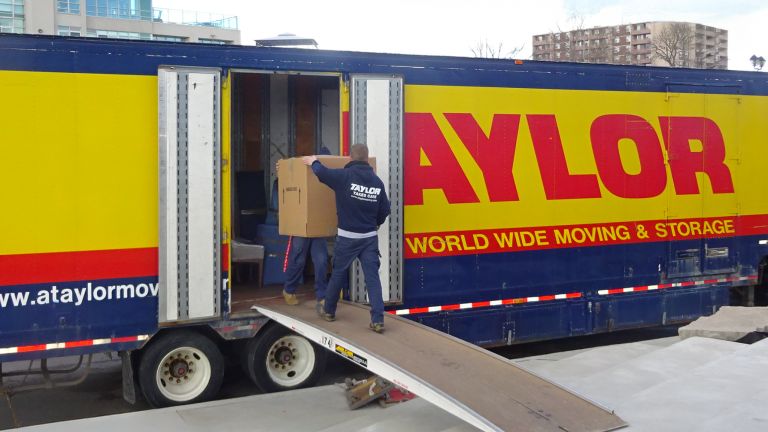
Deciding how your items will travel is the most significant factor in your moving budget. Sea freight is generally the most economical choice for large household shipments, though transit times can span several weeks or even months. Conversely, air freight is exceptionally fast but carries a premium price tag, making it suitable primarily for high-priority items or smaller volumes.
Identifying hidden costs and destination fees
It is easy to overlook additional expenses like customs storage, quarantine inspections, and local port charges in your initial estimate. You must plan for unexpected expenses during the logistics phase to avoid financial stress upon arrival. Always verify if your quote includes door-to-door delivery or if you will be responsible for offloading costs once your container reaches an Australian port.
How to effectively compare international moving quotes
When evaluating providers, look for transparency in their pricing structures. A reliable partner will provide an itemized breakdown of costs, helping you understand where your capital is allocated. You can compare international moving quotes to ensure you are receiving fair value and professional service quality rather than just the lowest initial estimate.
Navigating Australian customs and import regulations
Required documentation for household goods
Australia maintains some of the world’s strictest import protocols, primarily to protect its unique environment. Properly completing the required documentation is essential to prevent your goods from being quarantined or destroyed. Detailed inventory lists are mandatory, and they should clearly describe every item to facilitate a rapid inspection by the Australian Border Force.
Prohibited and restricted items to avoid
Certain items, including specific wood products, food, and animal-related goods, are strictly prohibited. The list of restricted items changes periodically, so consulting current biosecurity guidelines is a standard requirement. Removing these items before shipping saves you from severe fines and ensures your shipment clears the border efficiently.
Completing an accurate inventory for customs clearance
Precision is your best asset when dealing with customs officials. Your inventory must be detailed enough to satisfy customs inspectors, effectively acting as a roadmap for your entire shipment. Providing an organized manifest early in the process significantly reduces the chance of administrative holds at the destination port.
Specialized logistics and relocation services

Relocating pets: understanding import permits and health requirements
Transporting furry family members requires specialized attention to veterinary health certificates and rigorous quarantine protocols. You must coordinate closely with your service provider to meet strict Australian government guidelines. Ensuring your pets arrive safely often involves planning their travel dates around specific, climate-controlled cargo availability.
Shipping personal vehicles and motorcycles to Australia
Importing a vehicle involves intricate compliance checks regarding safety standards and environmental regulations. Not all vehicles are eligible for permanent import, and failing to secure the right permits can result in high, non-refundable costs. A partner experienced in specialized logistics can help you verify your vehicle’s eligibility before you initiate the shipping process.
Managing the transport of fine art or high-value collections
Storing and moving valuable collections requires custom crating and climate-controlled transit arrangements. These delicate items need professional handling to maintain their integrity during a long-distance move. Always insist on premium-grade packaging materials to protect your assets against vibration and humidity changes during transit.
Settling in: life for families and professionals
Finding permanent housing and understanding rental markets
Securing a home in Australia can be highly competitive, especially in major hub cities. Many professionals choose to rent temporary accommodation initially while they scout neighborhoods and attend inspections. Having a clear set of requirements regarding your commute and preferred lifestyle amenities helps you act quickly when the right property becomes available.
Navigating Australian school systems for children
Australia offers both public and private schooling options, each with its own enrollment procedures and academic calendars. You should evaluate proximity to your home and school district boundaries well ahead of your arrival. Speaking with locals or current expats can provide valuable insights into the school culture and extracurricular activities available to your children.
Healthcare, banking, and essential services for new arrivals
Setting up your life in a new country involves several bureaucratic steps, including opening a bank account and securing private health insurance. These services are the foundation of your new daily routine. Most institutions require specific proof of residency or employment, so keep your foundational documents accessible during your first few weeks.
Choosing an international moving partner
Why industry accreditations like FIDI and IAM matter
Industry accreditations provide a baseline for service quality, confirming an organization adheres to global shipping standards. When you select a partner, look for those with recognized certifications, as this demonstrates a commitment to operational integrity. These labels signify that the company has undergone external audits for transparency and security.
Assessing service models: full-service packing versus self-pack
Service models vary, and choosing the right one depends on your time, budget, and risk tolerance. While self-packing can lower your initial cost, it often shifts the liability for breakage onto you. Conversely, full-service packing allows professionals to handle everything, ensuring your items are secured according to strict international transit safety standards.
Key questions to ask before hiring an overseas mover
You should always ask firms about their network of local agents in Australia and their standard procedures for handling shipping delays. Understanding the escalation path for any issues during transit builds trust in your service provider. A clear, professional answer to these logistical questions distinguishes a high-quality partner from a standard carrier.
Conclusion
Successfully managing your transition to Australia is a complex but manageable process when you treat each phase with the necessary attention to detail. By auditing your document requirements, securing a reputable moving partner, and staying informed about local regulatory shifts, you can create a smooth path for your household that allows you to focus on the excitement of your new life abroad.
Frequently Asked Questions
Is it difficult to bring a car to Australia?
Bringing a vehicle is a complex process due to strict safety and biosecurity regulations that require prior approval from government authorities.
How long should I allow for transit times?
Transit times can vary drastically based on your shipping method, port congestion, and customs processes, often ranging from several weeks to a few months.
Are there restrictions on medicine or health supplies?
Yes, Australia strictly regulates the importation of pharmaceuticals, and you must check current requirements and possess valid prescriptions for any medication you carry.
Can I move as a retiree to Australia?
Australia has specific visa pathways for retirees, which are often age and asset-dependent, necessitated by their goal of maintaining a sustainable immigration system.
How expensive is it to live by Australian standards?
Major cities like Sydney and Melbourne have a high cost of living compared to many other global cities, particularly regarding, food, services, and housing.
Do I need to be a skilled worker to get a visa?
While skilled migration is a common pathway, there are several other visa categories including partner, family, and student visas that offer different routes to residency.
What do I need to pack in my essentials hand-luggage?
Your hand-luggage should contain vital originals, including passports, school diplomas, medical records, banking setup documents, and high-value smaller personal items you cannot replace.
Leave a Comment