Moving from Toronto to Sydney: The comprehensive guide for your international move
Key Takeaways
Moving across the world requires meticulous planning and a reliable strategy to ensure a successful transition from Canada to Australia. These essential insights will help you navigate the complexities of your upcoming move.
- Start your relocation planning at least six months before your move date.
- Create a comprehensive inventory of all household goods to determine shipping costs.
- Research the specific accreditations required for international transporters.
- Familiarize yourself with Australian customs regulations and import restrictions early.
- Partner with experienced international movers to manage your logistics, customs, and documentation.
Planning your international move from Toronto to Sydney
Transitioning to a new life in Australia requires a structured approach to manage the various elements of an overseas relocation. By establishing a clear plan early, you reduce the risk of unforeseen challenges that often accompany a move of this magnitude.
Creating a realistic moving timeline
Establishing a timeline is the most critical step in your international move journey, as international shipments require long lead times for coordination. You should aim to finalize your moving date and service provider at least four to six months before departure. This period allows ample time for gathering documentation, decluttering your home, and scheduling professional packing services.
Budgeting for long-distance logistics
Understanding the various costs associated with your move will help you allocate funds effectively and avoid stress closer to your departure date. Many variables, such as container volume and your chosen service level, influence the overall price. Below is an overview of costs associated with different logistics components.
| Logistics Component | Estimated Price Range | Impact Level |
|---|---|---|
| International Freight (Sea) | Moderate | High |
| Professional Packing Services | Variable | Medium |
| Insurance Protection | Based on Value | Medium |
Budgeting carefully enables you to prioritize the services that matter most to your family. You can achieve greater peace of mind by setting aside extra funds for unexpected logistics needs, ensuring you do not feel rushed or underfunded during the process.
Securing professional moving insurance
Protecting your assets is vital when moving thousands of kilometers across the ocean. While many companies offer basic liability coverage, comprehensive plans specifically designed for international transit provide the most security for high-value items. Always confirm what exactly is covered under your policy before shipping begins to ensure you have adequate financial protection against damage or loss.
Choosing the right Toronto to Sydney movers
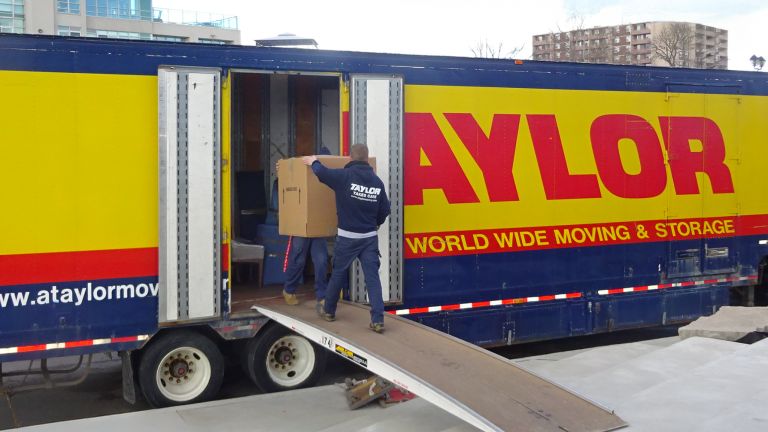
Selecting a partner for your move is a decision that dictates the quality of your entire relocation experience. Finding professional service providers who specialize in long-distance moves from Canada ensures that your belongings are handled with care throughout the supply chain.
Identifying essential industry accreditations
Reliability is often measured by the credentials and memberships an organization maintains within the logistics industry. Look for companies that belong to international moving associations, which set standards for service quality and ethical business practices. Verifying these credentials indicates a commitment to professional operations that can provide added confidence in your choice.
Evaluating the benefits of end-to-end move management
When navigating the complexity of global relocation, relying on a company that offers comprehensive move management systems can be transformative. These systems track your shipment in real-time, providing transparency and reducing the stress of not knowing where your goods are in the shipping lane. Taylor International focuses on utilizing such technology to enhance reliability and service quality for their clients.
Why direct crew involvement matters for quality control
Consistency in service is best achieved when the company you hire remains involved in every step of the process. Rather than outsourcing local transit or packing to third parties, providers that maintain direct crew supervision ensure higher quality control for your household goods. This unified approach makes for a much smoother and more secure transition.
Packing and preparation for overseas transport
Organizing your belongings is a major undertaking that dictates the efficiency of the entire shipping process. Proper preparation not only protects your items but also simplifies the customs process upon arrival in Australia.
Sorting your household inventory for international shipping
Deciding what to ship, sell, or donate is an emotional and practical process that should be completed well in advance. Start by creating a detailed list of all items intended for transport, as this serves as the foundation for your accurate international moving quotes.
Professional packing techniques for long-distance transit
Securing your items properly is the most important step in protecting them against the rigors of long-distance transport. Professional movers utilize specific tools to ensure consistency and security throughout the voyage. Consider the following techniques when preparing your home:
- Using double-walled heavy cardboard cartons for fragile kitchen items and glassware.
- Applying specialized stretch wrap to protect wood and upholstery from moisture damage.
- Utilizing custom-built crates for TVs, pianos, or large, unique furniture pieces.
- Ensuring every box is clearly labeled with both its contents and destination room.
Following these methods ensures that your belongings remain safe, regardless of how they are handled, throughout their journey.
Special handling for fine art and high-value items
Unique household goods often require customized crating or climate-controlled environments to maintain their condition. Discuss these requirements with your relocation coordinator early to ensure they can be managed safely. Proper documentation of high-value items is also essential for insurance purposes and customs verification.
Navigating customs and import requirements for Australia

Australia maintains strict biosecurity and customs laws designed to protect the country’s unique ecosystem. Successfully navigating these requirements is essential to prevent costly delays at the port of entry.
Understanding Australian Border Force documentation
Every shipment must be accompanied by accurate and complete documentation to clear customs efficiently. Being proactive with your paperwork is crucial, as the Australian Border Force requires detailed reporting of all items, particularly those of biological origin. Working closely with experts helps ensure that nothing is overlooked or improperly declared.
Managing item exclusions and import permits
Certain items, including plants, soil, wood products, and specific food items, are either strictly prohibited or require expensive import permits. Review the prohibited materials list provided by your move manager regularly before you even begin packing your boxes to ensure compliance with Australian law.
Coordination of customs clearance for personal effects
Effective coordination between you and your international moving company ensures that your goods arrive safely and pass customs without interruption. A well-prepared company will handle the heavy lifting of filing and communicating with local officials, though they will need your help in verifying that the personal effects inventory matches exactly what is in the container.
Logistics and transport options for your relocation
Choosing the right transport method involves balancing your budget against the speed of your relocation. Each option presents unique benefits depending on your timeline and priorities.
Air freight vs. sea freight: how to decide
Sea freight is the industry standard for full household moves because it is significantly more affordable for shipping large volumes of goods. Air freight, although extremely fast, is often prohibitively expensive except for small parcels or emergency essentials. Most families find that prioritizing essential clothing and documents for air shipping while sending the bulk of their household via sea creates the ideal balance.
Handling vehicle and pet relocation services
Relocating vehicles and pets involves specialized logistics that differ entirely from standard household shipments. These services demand high levels of planning and adherence to health and safety regulations for animals, or quarantine standards for vehicles. Never attempt these services without specialized partners who understand the specific requirements for Australia’s entry protocols.
Understanding the international shipping supply chain
An efficient international move relies on a vast network of maritime partners and ground transportation providers. When you choose a company like Taylor International, you are securing access to a robust international network that ensures your goods are handled by capable hands from the moment they leave your home until they arrive in Sydney.
Getting settled in your new home in Sydney
Finally reaching your destination is just the beginning of your new chapter in Australia. Managing the arrival details and getting settled quickly will help turn a difficult transition into an exciting adventure.
Destination services for a smoother transition
Many professional movers provide destination services that include unpacking assistance, debris removal, and even neighborhood orientation tours. These services allow you to focus on your family’s needs while the logistics team handles the final setup of your household goods.
Temporary storage solutions in Sydney
If your long-term housing is not yet ready, finding a secure facility for your belongings is essential. Taylor International provides reliable storage solutions that bridges the gap during your search for a permanent home, giving you flexibility without the risk of storing your items in unsecured locations.
Managing the logistical challenges of your arrival
Keep your essential documents, medications, and immediate necessities with you during your flight. Having these on hand will mitigate the impact of any minor delays in the delivery of your main shipment, allowing you to settle into your new rhythm comfortably and with minimal frustration.
Conclusion
By carefully managing your logistical steps, maintaining clear documentation, and working with experienced, technology-leveraged partners, you can navigate the path from Toronto to Sydney with confidence. Preparing for each phase of the journey ensures that your focus remains on starting your new life, not on the anxiety of the move itself.
Frequently Asked Questions
How long does it usually take to move my household goods to Australia?
Shipping timelines depend heavily on the transport route, but sea shipments typically take anywhere from eight to twelve weeks depending on the origin and final transit conditions.
Which items should I avoid bringing to Australia?
Avoid any items containing soil, seeds, unprotected wood, or restricted animal products, as these are often flagged and can lead to significant delays or immediate confiscation by border authorities.
Do I need to be in Australia when my shipment arrives?
While you do not necessarily need to be present at the exact time of arrival, your presence in Australia is usually required to complete the necessary customs entry formalities for personal, duty-free clearance.
Are there specific professional accreditations I should look for when selecting a mover?
Look for providers that hold ISO certifications or belong to the International Association of Movers, as these indicate a serious commitment to quality assurance and standardized processes.
Can I pack my own boxes to save on moving costs?
While you can pack your own goods, it is generally recommended to hire professional crews for at least the delicate or high-value items, as items packed by non-professionals may not be covered by standard transit insurance.
How does customs valuation for household goods work?
Customs valuation for personal household effects is typically based on a declaration of the replacement value at the time the items are moved, which should be documented in your inventory list.
What happens if my household goods are damaged during transit?
If you have purchased a comprehensive replacement value protection plan, you should immediately file a claim with your moving partner and provide the documentation and photographs recorded during the initial survey and arrival phase.
Leave a Comment