Moving to Canada customs: what to bring and how to prepare for an international move

Key Takeaways
A well-prepared customs file makes an international household move easier to manage. Start early, describe everything honestly, and confirm current requirements before your belongings leave the country.
- Confirm which customs category applies to your immigration or residency status.
- Keep passports, status documents, inventories, and accounting forms with you.
- Separate goods arriving with you from goods that will follow later.
- Declare food, plants, animal products, medications, and controlled items.
- Coordinate packing, shipping, customs clearance, and delivery as one timeline.
Understand Canada’s customs process before you pack
Moving to Canada customs what to bring depends partly on who you are and why you are entering Canada. A newcomer establishing residence, a former resident returning home, and a temporary resident may have different rules and documentation. The safest approach is to identify your status first, then build your household-goods plan around the applicable requirements. The Canada move guide can help you organize the wider relocation alongside your customs preparation.
How customs rules differ for newcomers, returning residents, and temporary residents
Newcomers settling in Canada typically prepare a personal-effects list for the goods they bring and the goods that will arrive later. Returning residents may need to consider their period of absence and the rules applying to their return. Temporary residents, visitors, and students can face different conditions, exemptions, or limits, so do not assume that a friend’s previous move is a reliable model for yours.
Why your country of origin and immigration status matter
The country you are leaving can affect import requirements for particular goods, while your immigration status helps determine how your personal effects are treated. A move from the United States may follow a different practical route from a shipment originating in Australia or the UK, even when the household contents are similar. Check both the Canadian rules and any export requirements in the country where your shipment begins.
The difference between accompanied luggage and shipped household goods
Accompanied luggage is what travels with you on your flight or in your vehicle. Shipped household goods move separately by air, sea, or land and may arrive weeks after you do. Keep the two groups distinct in your inventory, because officers may need to see what you have now and what you have declared for later arrival.
When to check current requirements with the Canada Border Services Agency
Use current information from the Canada Border Services Agency before packing, especially for food, vehicles, medications, firearms, and other regulated goods. Rules and forms can change, and general online advice may not reflect your particular status. If an item is valuable, unusual, or difficult to classify, ask for clarification before it is packed rather than relying on an assumption at the border.
Prepare the documents customs officials may request
Customs documents should be treated as part of your travel essentials, not as paperwork that can disappear inside a shipping carton. Make digital copies, but keep the originals and working copies accessible during your journey. A clear file also gives your mover the information needed to coordinate an international household shipment without guessing.
Passport, immigration documents, and proof of Canadian status
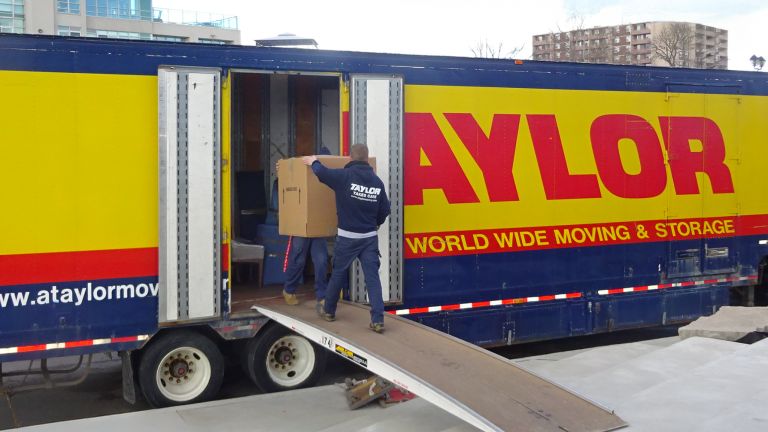
Carry a valid passport or travel document for each family member, together with the immigration documents that establish your right to enter or reside in Canada. Depending on your situation, this may include a visa, Confirmation of Permanent Residence, work authorization, study authorization, or other proof of status. Do not put these documents in checked luggage or in the shipment itself; they should stay with you.
Personal effects and household goods accounting documents
Prepare the personal-effects accounting form or other documents that apply to your arrival. Newcomers should review the BSF186 process and prepare the required lists before reaching the border. The newcomer border guidance is a useful reference for keeping arrival documents, personal-effects lists, and financial disclosures organized.
Two-part packing lists with values, quantities, and identifying details
A practical inventory has two sections: goods accompanying you and goods arriving later. List the description, quantity, estimated value, make, model, and serial number where applicable. For example, “two wooden dining chairs” is more useful than “furniture,” and “black 55-inch television, brand and model recorded” is more useful than “electronics.”
Supporting records for high-value, inherited, or recently purchased items
Keep receipts, appraisals, photographs, inheritance records, and ownership documents for items that could prompt questions. This is particularly helpful for jewelry, art, antiques, musical instruments, collectibles, and recently purchased goods. Consistent records can also support an insurance claim if an issue arises during transport, even though customs and insurance serve different purposes.
Build a customs-ready inventory of what you are bringing
An inventory is more than a packing list for your own memory. It is a concise explanation of the shipment, prepared for customs officers, movers, insurers, and anyone coordinating delivery. Specific descriptions reduce uncertainty and make it easier to reconcile the boxes at origin and destination.
What normally qualifies as personal and household effects
Ordinary clothing, linens, furniture, appliances, books, personal computers, musical instruments, hobby items, and household furnishings may generally form part of a personal-effects shipment, subject to the rules for your status and the item itself. Personal belongings should be for your household use rather than commercial resale. When in doubt, separate unusual or business-related items for individual review.
How to describe items clearly instead of using vague categories
Avoid categories such as “miscellaneous,” “kitchen items,” or “assorted boxes.” Use plain descriptions that identify the object and, where useful, its material or purpose. For a kitchen carton, list cookware, plates, utensils, and small appliances separately instead of giving one combined label.
How to separate goods arriving with you from later shipments
Mark every line as either “accompanying” or “to follow,” then make the carton labels match the inventory. This matters when a shipment is split between air freight, sea freight, storage, or a later delivery appointment. A simple shared spreadsheet can work, provided every family member uses the same naming system.
Why accurate values and consistent inventories help prevent delays
Values should be reasonable and consistent across your list, declarations, and shipping documents. Large unexplained differences can lead to questions, while missing serial numbers can make high-value items harder to identify. Before sealing cartons, compare the final packing list with the actual contents and remove anything that is no longer traveling.
| Inventory detail | Example | Why it helps |
|---|---|---|
| Description | Solid wood dining table | Identifies the item clearly |
| Quantity | 1 | Matches the carton or shipment count |
| Value | Estimated used value in Canadian dollars | Supports the declaration |
| Identifying detail | Brand, model, or serial number | Helps with verification |
The table is a useful minimum, not a substitute for checking the rules that apply to your move. Keep one final version for customs, one for your mover, and one for yourself so that later changes do not create conflicting records.
Know what food, plants, and animal products you can bring
Food and agricultural goods deserve special attention because they can carry pests, disease, or contamination risks. Packaging alone does not guarantee that an item is admissible. Declare what you have, retain original labels where possible, and check current Canadian requirements before your bags or cartons are closed.
Fresh, packaged, and prepared foods that may require declaration
Fresh produce, canned goods, dried foods, spices, prepared meals, and commercially packaged products can each have different requirements. Ingredients, country of origin, quantity, and packaging may matter. Do not assume that a sealed package is automatically allowed, particularly when it contains meat, dairy, seeds, or other agricultural material.
Plants, seeds, soil, and wooden items with import restrictions
Plants, bulbs, seeds, cuttings, soil, and untreated wood may require permits, inspection, treatment, or may be prohibited. Outdoor equipment and gardening tools should be clean and free from soil. Wooden crates, ornaments, and furniture may also need closer review depending on their construction and origin.
Meat, dairy, eggs, and other animal products
Meat, dairy, eggs, pet food, hides, feathers, and other animal products can be subject to country-specific restrictions. Keep labels and ingredient information available, and do not hide these goods in a mixed carton. If a product is homemade or unlabeled, obtain advice before deciding to ship it.
Why every food and agricultural item should be declared
A declaration gives an officer the opportunity to assess the item; failing to declare it can create a more serious problem than leaving it behind. Discard questionable goods before departure if the rules are unclear, or obtain a current decision from the relevant authority. This same care applies to a snack in your carry-on and a pantry box in your household shipment.
Identify prohibited and restricted items before moving day
A professional packing plan begins with a screening conversation, not with tape and cardboard. Tell your mover about anything regulated, hazardous, valuable, or unusual. Some goods cannot travel in household shipments, while others require permits, special packing, inspection, or advance approval.
Firearms, weapons, ammunition, and other controlled goods
Firearms, ammunition, knives, replicas, sporting weapons, and self-defense products may be controlled or prohibited. Requirements can depend on the item, its configuration, your permits, and the way it enters Canada. Never place these goods in an ordinary carton or vehicle without confirming the legal process first.
Prescription medications, cannabis, and health-related products
Carry prescription medication in its original packaging and bring supporting prescriptions or medical records where appropriate. Cannabis remains subject to strict Canadian and international rules, and taking it across an international border can create serious legal consequences. Supplements, medical devices, and controlled medicines may also need individual review.
Alcohol, tobacco, vaping products, and duty considerations
Alcohol, tobacco, vaping products, and related supplies can be subject to quantity limits, duties, taxes, provincial rules, and declaration requirements. Do not estimate an exemption based on a domestic allowance or a previous trip. Record what you have and check the current rules for your point of entry.
Items that may require permits, inspections, or special documentation
Chemicals, batteries, artwork made from protected materials, firearms, animal products, plants, and some antiques may need documents beyond a standard inventory. Ask about these items while planning the move so packing and transport decisions are made together. Last-minute disclosure can affect the shipping method and delivery schedule.
Plan for vehicles, pets, and other specialized belongings
Special belongings often need their own workstream inside a household move. A car, dog, painting, or oversized piece of furniture may involve different authorities, packing standards, and timing from ordinary cartons. List these items at the quotation stage so the international move plan reflects their real requirements.
Importing a car, motorcycle, or recreational vehicle into Canada
A vehicle may need admissibility checks, documentation, border processing, safety or compliance work, and provincial registration after importation. Gather the title, purchase records, lien information, vehicle identification number, and ownership history. Do not assume that a vehicle from the United States or another country can be registered in Canada without additional steps.
Pet entry requirements, vaccination records, and airline planning
Pet travel can involve identification, vaccinations, health certificates, airline rules, crate specifications, and destination procedures. Start early because a missed vaccination window can change the travel date. This pet travel guide offers a useful general planning reference, but the requirements for your animal and route should still be confirmed with the relevant authorities and carrier.
Fine art, antiques, heirlooms, and culturally significant items
Photograph valuable or fragile pieces before packing, record dimensions and condition, and retain provenance or appraisal documents. Antiques and culturally significant objects may have export or import controls, particularly when materials or age are unclear. Tell the mover which pieces require custom crating, climate considerations, or delivery by appointment.
Oversized or regulated goods that need specialized shipping arrangements
Pianos, gym equipment, workshop tools, large furniture, and goods containing batteries or liquids may need special handling. A mover may recommend disassembly, crating, cleaning, draining, or a different freight plan. Early measurements and photographs are usually more useful than a rough description over the phone.
Coordinate your shipment and customs clearance internationally
Customs clearance is one stage in a much longer chain: survey, packing, export procedures, transit, arrival, inspection if required, release, and final delivery. The exact sequence depends on whether the move crosses the Canada–U.S. border or travels between Canada and a more distant country. Taylor International provides international moving services, and a clear scope of work helps you understand which parts of the move are being coordinated.
How customs paperwork works for moves from the United States
Canada–U.S. household moves often use land transport, but the shipment still needs accurate inventories, status documents, and customs declarations. Confirm who will receive the paperwork, when the goods will cross, and how a split shipment will be handled. Taylor International provides cross-border moving, which is relevant when a household is moving between Canada and the United States.
Additional planning considerations for shipments from the UK, Australia, and other countries
Longer international routes add export packing, port or airport handling, ocean or air transit, and destination coordination. A shipment from the UK or Australia may spend considerable time in transit, so seasonal clothing, medication, and important documents should travel separately with you. The Australia-to-Canada guide is a helpful planning reference for that route, while current official requirements remain the authority.
Choosing air freight, sea freight, or a cross-border moving service
Air freight can suit a smaller urgent shipment, while sea freight is commonly considered for larger household volumes and longer planning windows. A cross-border service may be appropriate for a Canada–U.S. move by road. Compare the full process rather than only the transport price, including packing, customs coordination, storage, delivery, and any destination charges.
How packing, labeling, arrival timing, and delivery coordination affect clearance
Use durable labels that match your inventory, keep prohibited goods out of the shipment, and make sure the consignee can be reached at destination. Tell the mover about your arrival date, temporary accommodation, storage needs, and preferred delivery window. International moving also involves timing between people and systems; even a complete customs file cannot replace a delivery plan.
A few practical checks before departure are worth the time:
- Confirm your inventory matches the packed cartons.
- Keep travel documents and medication with you.
- Send the mover updated contact and delivery details.
- Recheck current restrictions for food and specialized items.
These steps do not eliminate every customs question, but they give the people handling the shipment a consistent set of information. For household appliances, even a seemingly ordinary item such as a refrigerator may deserve a condition and value note; a refrigerator energy guide can also help you decide whether an older appliance is worth shipping. If you are arranging food after arrival, Halifax meal delivery is a separate example of planning for settling in rather than importing prepared meals.
Plan Your Canadian Move
Customs preparation is easier when one residential international move plan connects documents, packing, transport, and delivery. Learn more about Taylor International’s international moving services and get a quote with your route, timing, shipment size, and any special belongings ready to discuss.
Conclusion
Moving to Canada is less stressful when customs is treated as part of the move from the beginning: confirm your status, create a precise two-part inventory, declare regulated goods, and coordinate the shipment around your arrival. Requirements can change, so use current official guidance and allow time for questions before your belongings leave their origin country.
Frequently Asked Questions
What documents should I keep with me when moving to Canada?
Keep passports, visas or status documents, confirmation documents where applicable, personal-effects lists, accounting forms, prescriptions, and other essential records with you rather than in checked luggage or the shipment.
Should my inventory separate goods I bring from goods arriving later?
Yes. A two-part inventory distinguishes accompanied goods from later shipments and helps customs officials connect the declared items with the shipment that eventually arrives.
Do I need to declare food when entering Canada?
Yes. Declare food and agricultural products, including packaged, prepared, fresh, dried, and homemade items. An officer can determine whether a particular product is admissible.
Can I bring plants, seeds, or soil into Canada?
Some plants, seeds, and wooden items may require permits, treatment, inspection, or may be prohibited. Check current requirements for the item and its country of origin before packing.
Are prescription medications allowed in a household shipment?
Medication rules vary by product and quantity. Keep needed medication with you in original packaging and carry supporting medical documentation rather than placing essential supplies in the shipment.
What should I do before shipping a vehicle to Canada?
Check the vehicle’s admissibility, gather ownership and identification documents, confirm compliance requirements, and understand the registration steps that may apply in the destination province.
How early should I prepare for an international move to Canada?
Begin several months ahead when possible, especially if you are shipping a vehicle, pet, fine art, or a large household. Early planning leaves time for documents, packing, transit, customs questions, and delivery coordination.
Leave a Comment