Navigating Your Move: Essential Tips for Canada International Movers

Moving to a new country can feel like a huge task, especially when you’re packing up your whole life. If you’re thinking about moving internationally, or even just across the border between Canada and the US, there’s a lot to sort out. This guide is here to help break down the process, focusing on what you need to know when working with canada international movers. We’ll cover everything from picking the right company to getting your paperwork in order.
Key Takeaways
- When looking for canada international movers, understand what ‘full-service’ really means. This can include packing, loading, shipping, customs help, and even unpacking at your new place.
- Plan your move timeline early. International moves take time, from getting quotes to the final delivery, so give yourself plenty of room to sort things out.
- Choose between air and sea freight based on your needs. Air is faster but more expensive, while sea is slower but usually costs less.
- Be ready for customs. You’ll need specific documents, and there are rules about what you can and can’t ship. Knowing this can prevent delays.
- Compare quotes carefully. International moving costs can add up, and understanding what’s included helps you find the best value and avoid surprises.
Understanding International Moving Services
Moving your life across borders is a big deal, and knowing what services are out there can make a world of difference. When you’re looking at international moves, it’s not quite the same as moving across town. There are a lot more pieces to the puzzle, and that’s where specialized international moving services come in. Our goal is to simplify this complex process for you, managing the details so you can focus on settling into your new home.
What Full-Service International Moving Entails
Full-service international moving is designed to take the stress out of your relocation. It’s about having a partner who handles almost everything from start to finish. This typically includes:
- Packing and loading: Professional packers will carefully wrap and box your belongings, ensuring they are protected for the long journey. We use specialized materials suited for international transit.
- International shipping: This covers arranging transport via air or sea freight, depending on your needs for speed and budget. We manage the booking and coordination with carriers.
- Customs clearance assistance: We help you navigate the often-confusing paperwork required by both the departure and destination countries. This is a critical step to avoid delays.
- Unpacking and setup at destination: Once your goods arrive, they’ll be delivered to your new home, unpacked, and placed in their designated rooms.
- Storage solutions: If you need to store items temporarily before or after your move, we can arrange that too.
Essentially, a full-service move means you can hand over the heavy lifting and logistical headaches to us. We coordinate all the moving parts, from your old front door to your new one, providing a clear picture of your move’s progress.
Navigating the International Moving Timeline
An international move doesn’t happen overnight. It requires careful planning and a realistic timeline. Generally, you should start planning at least 2-3 months in advance, sometimes even more for complex moves or specific destinations. Here’s a rough idea of what to expect:
- 8-12 weeks before move: Get quotes from movers, decide on your moving company, and start decluttering. Book your moving services.
- 4-8 weeks before move: Packing begins. Confirm shipping dates and finalize documentation. Arrange for any necessary storage.
- 1-4 weeks before move: Final packing, utility shut-offs, and travel arrangements. Your belongings are picked up.
- Transit time: This varies greatly depending on the shipping method (air vs. sea) and destination. It can range from a few days to several weeks or even months.
- Destination services: Once your shipment arrives, customs clearance and delivery will be scheduled. This can take anywhere from a few days to a couple of weeks.
Understanding this timeline helps manage expectations and ensures you’re prepared for each stage. Our move management approach focuses on keeping you informed every step of the way.
Choosing Between Air and Sea Freight
When it comes to shipping your belongings internationally, you generally have two main options: air freight and sea freight. The choice between them usually comes down to a balance between cost and speed.
- Air Freight:
- Pros: Significantly faster. Ideal for urgent moves or if you only need to ship a few essential items. Delivery can often happen within days or a couple of weeks.
- Cons: More expensive. Typically priced by weight and volume, making it costly for large shipments.
- Sea Freight:
- Pros: More economical, especially for larger volumes of household goods. It’s the standard for full international household moves.
- Cons: Much slower. Transit times can range from several weeks to a few months, depending on the route and port congestion.
The decision between air and sea freight is a significant one that impacts both your budget and how quickly you’ll have your belongings at your new destination. We can help you weigh the pros and cons based on your specific situation and priorities.
We work with a network of trusted partners to provide reliable shipping solutions, whether you choose the speed of air or the cost-effectiveness of sea. Our move management services ensure that whichever method you select, your shipment is handled with care and efficiency. If you’re planning a move from Canada to the United States, for example, the logistics are different than a move to the UK, and we tailor our approach accordingly. Learn about international moves.
Planning Your International Relocation
Moving your life to another country is a big deal, and getting the planning right makes all the difference. It’s not just about packing boxes; it’s about setting up your new life smoothly. Our international move management services are designed to take the stress out of this complex process, helping you focus on what matters most.
Key Considerations for Family Moves
When you’re moving with your family, especially with children, there are extra layers to think about. Schools are often a top priority. You’ll want to research potential schools in your new location well in advance. Think about the curriculum, enrollment procedures, and any language requirements. It’s also helpful to consider how you’ll help your children adjust to a new environment. Creating a sense of familiarity, like finding a local park or a favorite type of food, can make a big difference. A well-planned family move considers the emotional and practical needs of every family member.
- School Research: Investigate educational options, including public, private, and international schools.
- Community Integration: Look into local clubs, activities, and resources that can help your family connect.
- Familiarization: Pack a few favorite toys or books to help children feel more comfortable in their new surroundings.
- Healthcare Access: Research doctors, dentists, and hospitals in your new area.
Special Logistics for Pets and Vehicles
Moving pets internationally involves a unique set of challenges. Each country has its own import regulations, which can include specific vaccination requirements, health certificates, and quarantine periods. It’s vital to start this process early, as some requirements can take months to fulfill. Similarly, moving a vehicle overseas requires understanding customs duties, import taxes, and shipping logistics. The condition of the vehicle, its age, and its compliance with local regulations all play a role. Our team can help coordinate these specialized moves, ensuring all necessary steps are taken.
Planning for pets and vehicles requires a deep dive into specific regulations and logistics. Don’t underestimate the time and paperwork involved; starting early is key to avoiding last-minute problems.
Preparing for Retirement Abroad
Retiring in another country can be an exciting prospect, but it requires careful financial and logistical planning. You’ll need to consider healthcare coverage, banking, and tax implications in your new country. It’s also wise to understand the cost of living and ensure your retirement funds will be sufficient. Many retirees find it beneficial to visit their chosen destination for an extended period before making the permanent move. This allows you to get a feel for the lifestyle and local amenities. Planning your international relocation with a move management service can simplify many of these complex details, allowing you to focus on enjoying your retirement. For more information on planning a move to a new country, consider moving from Canada to Australia.
When you’re planning a door-to-door move, it’s about more than just getting your belongings from point A to point B. It’s about organizing your entire relocation effectively, which is why planning a door-to-door move is so important.
Selecting Your Canada International Movers
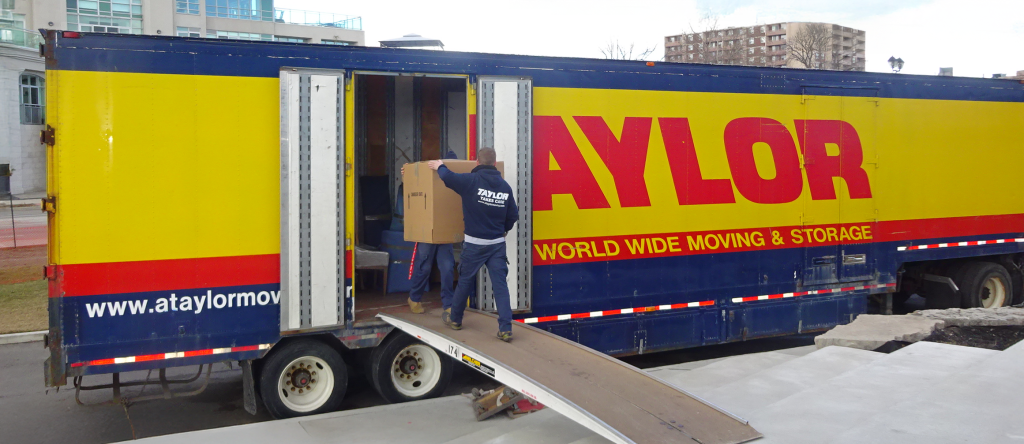
Picking the right company to handle your international move is a big deal. It’s not like just hiring someone to move your couch across town. This is about getting your entire life from one country to another, and you want it done right. We help manage all the moving parts, so you don’t have to stress about the details.
Questions to Ask Potential Movers
When you’re talking to companies, don’t be shy about asking questions. You need to know exactly what you’re getting into. Here are some things you should definitely bring up:
- What exactly does your “full-service” package include? Does it cover packing, loading, shipping, customs paperwork, and delivery to your new home? Our move management service handles all these aspects.
- Who actually handles my belongings? Will it be your own crew from start to finish, or will you be subcontracting parts of the move to other companies? We work with a trusted network, but you’ll always know who’s responsible.
- What are your transit times? Get a realistic idea of how long it will take for your things to arrive. This helps with planning what you’ll need immediately upon arrival.
- How do you handle insurance and claims? Understand the coverage options and what the process is if something goes wrong.
It’s easy to get caught up in the excitement of moving abroad, but taking the time to vet your movers is one of the most important steps you can take. A little bit of upfront work can save you a lot of headaches later on.
Understanding Mover Accreditations
Accreditations can be a good indicator of a mover’s professionalism and adherence to industry standards. Look for companies that are members of reputable international moving associations. For example, organizations like FIDI, IAM, or AMSA often have strict membership requirements. These accreditations suggest that the company is committed to quality service and ethical practices. We are proud to be part of a network that prioritizes these standards, helping to provide you with peace of mind during your relocation.
Comparing Service Quality and Value
When you get quotes, don’t just look at the bottom line. It’s tempting to go with the cheapest option, but that can often lead to problems down the road. Think about what you’re really paying for. A company that provides detailed quotes, clear communication, and a dedicated move manager is often worth the investment. Consider the overall value – the quality of service, the reliability, and the support you receive throughout the process. Our goal is to provide a transparent and high-quality moving experience, managing your move from start to finish so you can focus on settling into your new Canadian home. If you’re planning a move from the US to Canada, it’s wise to look into companies specializing in US to Canada moves to ensure they understand the specific requirements.
Navigating Customs and Documentation
Moving your life across international borders involves more than just packing boxes. You’ll need to get familiar with customs regulations and the paperwork that comes with it. Understanding these requirements is key to a smooth transition. Our international move management services are designed to help you through this process, making sure your belongings arrive without unnecessary hitches.
Essential Customs Documents for Your Move
When you’re moving internationally, especially to Canada, there are specific documents you’ll need to have ready. These are used by customs officials to process your shipment and determine any duties or taxes that might apply. Having these in order can save you a lot of headaches.
- Bill of Lading: This is your contract with the moving company and a receipt for your shipment. It details what’s being shipped, where it’s going, and the terms of transport.
- Detailed Inventory List: This is super important. It’s a list of every item in your shipment, usually with estimated values. The more detailed it is, the better. We help create accurate inventory lists as part of our service.
- Customs Declaration Forms: Depending on the destination country, you’ll need to fill out specific forms declaring the contents of your shipment. For Canada, this often includes a Personal Effects Accounting Document (B4 or B4A).
- Proof of Ownership/Residency: Sometimes you might need to show proof that you’ve owned certain items for a while or that you’re a resident moving back.
What You Can and Cannot Ship Internationally
Every country has rules about what can and cannot be brought across its borders. Knowing these rules beforehand can prevent your items from being confiscated or causing delays.
Generally, you can ship most household goods, personal effects, clothing, books, and furniture. However, there are common restrictions:
- Prohibited Items: These are things you absolutely cannot ship. Examples often include illegal drugs, certain weapons, and hate propaganda.
- Restricted Items: These items might be allowed under certain conditions or with specific permits. This can include things like firearms, alcohol, tobacco, and even certain foods or plants. For example, when traveling, be prepared to declare all purchases, food, plant and animal products, money or currency exceeding $10,000, and any firearms. Accurate declarations ensure a smooth travel experience.
- Hazardous Materials: Things like flammable liquids, explosives, or corrosives are usually a no-go.
- Perishable Goods: Fresh food items are often restricted due to agricultural and health regulations.
It’s always best to check the specific regulations for your destination country. Our team can provide guidance on what’s typically allowed and what to watch out for.
Reducing the Risk of Customs Delays
Customs delays can be frustrating and add unexpected time to your move. The best way to avoid them is through careful preparation and honest declarations. Our international move management process focuses on minimizing these risks for you.
Here are a few tips:
- Be Thorough with Your Inventory: A complete and accurate inventory list is your best friend. It helps customs officials understand what you’re bringing in.
- Declare Everything: Don’t try to hide anything or guess about whether something is allowed. If you’re unsure, ask. Honesty is the best policy.
- Understand Your Destination’s Rules: Familiarize yourself with the customs regulations of the country you’re moving to. Moving to Canada internationally in 2026 requires careful planning and organization.
- Work with Experienced Movers: Companies that specialize in international moves, like us, have experience dealing with customs procedures and can help ensure all necessary paperwork is correctly filled out.
Dealing with customs paperwork can feel overwhelming, but it’s a necessary step in international relocation. By understanding the requirements and working with a knowledgeable moving partner, you can significantly reduce stress and potential delays, ensuring your belongings reach your new home smoothly.
We manage the complexities of international shipping and customs, so you don’t have to. Our goal is to make your move as straightforward as possible.
Managing the Costs of Moving Abroad
Moving your life to another country is a big deal, and figuring out the costs can feel just as overwhelming. It’s not just about the big ticket items; there are a lot of smaller things that add up. Understanding where your money is going is the first step to managing your international move budget effectively. Our goal is to help you get a clear picture so there are no surprises.
Factors Influencing International Moving Expenses
The price tag for an international move can swing quite a bit. Several things play a role in how much you’ll end up paying. Think about the distance to your new home – moving across the street is one thing, but moving across an ocean is another. The sheer volume of stuff you’re taking with you is a major factor too. More boxes and furniture mean more space needed on a ship or plane, and that costs money. The method of transport you choose also makes a difference. Air freight is faster but generally more expensive than sea freight, which takes longer but can be more budget-friendly for larger shipments.
Here’s a quick look at what impacts the cost:
- Distance: How far is your new home from your current one?
- Volume of Goods: The more you move, the higher the cost.
- Transportation Method: Air freight vs. sea freight.
- Services Chosen: Full-service packing, unpacking, storage, etc.
- Destination Country: Some countries have higher import duties or fees.
International moving costs from Canada can typically range from $6,500 to $13,700 CAD. This is a general guideline, and your specific situation might fall outside this range depending on the details of your move. We help you get a clear estimate for your specific needs.
Identifying Potential Hidden Costs
Beyond the obvious shipping fees, there are often smaller costs that can catch people off guard. These might include things like customs duties and taxes in your destination country, which can vary widely. You might also encounter fees for packing materials if you’re not providing your own, or charges for specialized handling of items like pianos or artwork. Don’t forget about potential storage fees if your new home isn’t ready when your belongings arrive, or costs associated with shipping vehicles or pets, which have their own set of regulations and fees. It’s always wise to ask your moving company about any potential surcharges or additional fees they might apply.
Planning ahead for these less obvious expenses can prevent budget blowouts. Always ask for a detailed breakdown of all potential charges, not just the base shipping cost. This transparency is key to managing your move without financial stress.
How to Compare Moving Quotes Effectively
When you start getting quotes from different international movers, it’s easy to just look at the bottom line. But that’s not always the best way to compare. Make sure you’re comparing apples to apples. Does one quote include packing and unpacking, while another only covers shipping? Are the insurance options the same? Look closely at what services are included in each quote. A lower price might seem attractive, but if it means you have to do more work yourself or pay extra for services you assumed were covered, it might not be the best deal. We focus on providing clear, detailed quotes so you know exactly what you’re paying for and can make an informed decision about your international move management.
It’s also a good idea to ask potential movers for a detailed inventory list of your items and the estimated weight and volume. This helps you see how they’ve calculated their price and makes it easier to compare quotes from different companies. Remember, the cheapest option isn’t always the best value when it comes to moving your entire life abroad. Bekins Worldwide has been helping people manage these costs effectively for decades.
Country-Specific Moving Guides
Moving from Canada to the United States
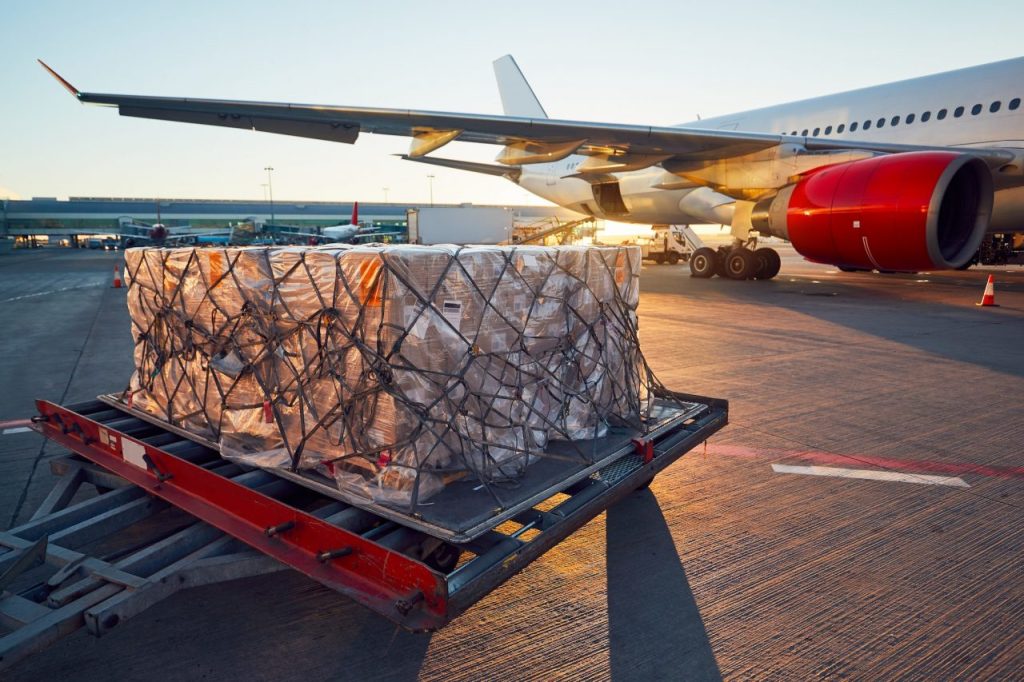
Moving your household from Canada to the United States involves a unique set of considerations. While the countries share a border and many cultural similarities, the logistics of an international move still require careful planning. Our move management services are designed to simplify this process, handling everything from packing and shipping to customs clearance. We focus on making your transition as smooth as possible, whether you’re moving for work, family, or a change of scenery. Understanding the specific requirements for moving goods across the US-Canada border is key to avoiding delays.
Here are some points to keep in mind:
- Customs Declarations: You’ll need to accurately declare all items being moved. This includes a detailed inventory list. Our team helps prepare this documentation to meet US Customs and Border Protection (CBP) requirements.
- Prohibited and Restricted Items: Certain items may be restricted or prohibited from entering the US. This can include specific food products, firearms, and other goods. We provide guidance on what you can and cannot ship.
- Vehicle and Pet Relocation: Moving a vehicle or pets has its own set of regulations. We coordinate these special logistics to ensure compliance with both Canadian and US laws.
- Timeline Management: Planning is everything. We help you establish a realistic timeline, from the initial packing stages to the final delivery of your belongings in the US. This helps manage expectations and reduces stress.
Our goal is to provide a clear path through the complexities of international relocation, offering support tailored to your specific needs when moving to the United States.
Moving from the United States to Canada
Relocating your home from the US to Canada brings its own set of procedures. While it might seem like a straightforward move, there are distinct customs regulations and documentation requirements to follow. Our international move management services are built to guide you through this process, ensuring your belongings arrive safely and without unnecessary complications. We handle the details so you can focus on settling into your new Canadian life. Proper documentation is your best friend when moving into Canada.
Key aspects to consider include:
- Customs Documentation: A detailed inventory list and customs forms are mandatory. We assist in preparing all necessary paperwork to expedite your entry into Canada.
- Duty and Taxes: Be aware of potential duties and taxes on goods you are importing. Certain items may be subject to these charges, and understanding this beforehand is important. We can help clarify these potential costs.
- Household Goods: Most personal household goods are allowed into Canada duty-free, provided they have been owned and used for at least six months. We ensure your inventory reflects this to facilitate a smoother customs process.
- Special Items: If you’re moving items like vehicles, boats, or even specific types of alcohol, there are additional rules. Our team is experienced in managing these unique logistical challenges.
We aim to make your move from the United States to Canada as straightforward as possible, providing clear guidance and support every step of the way. Learn more about planning your move.
Relocating from Canada to the United Kingdom
Moving from Canada to the United Kingdom presents a significant international relocation. This move requires attention to detail regarding customs, shipping methods, and the specific regulations of the UK. Our comprehensive move management services are designed to address these challenges, offering a structured approach to your relocation. We manage the complexities of shipping your household goods across the Atlantic, from secure packing to final delivery. Understanding UK customs rules is vital for a successful move.
Consider these important factors:
- Customs and Import Regulations: The UK has specific rules about what can be imported. Personal effects that have been owned and used for at least six months are generally allowed duty-free, but there are exceptions and specific declarations needed. We help you prepare the correct documentation.
- Shipping Options: You’ll typically choose between air freight for faster delivery of essential items or sea freight for larger shipments. We help you weigh the pros and cons based on your timeline and budget.
- Prohibited Items: Certain items are restricted or banned from import into the UK, such as offensive weapons, illegal drugs, and certain food products. We provide a clear list to help you pack accordingly.
- Timeline and Planning: A move to the UK often requires a longer planning horizon. We work with you to create a detailed timeline, covering everything from the initial survey to the final unpacking.
Our expertise in international moving helps demystify the process of relocating to the United Kingdom, offering peace of mind and a clear plan for your household goods.
For detailed information on various international moves, explore our country-specific moving guides.
Planning to move to a new country? Our Country-Specific Moving Guides offer helpful tips and information to make your international move smoother. Get all the details you need before you go!
Ready for Your New Chapter
Moving across countries, or even just across the border between Canada and the US, can feel like a huge undertaking. There’s a lot to think about, from packing up your whole life to figuring out all the paperwork and making sure your family settles in okay. But with a bit of planning and the right help, it doesn’t have to be overwhelming. Remember to ask questions, compare your options, and trust the process. You’ve got this, and soon you’ll be starting your new adventure in Canada or wherever your journey takes you.
Frequently Asked Questions
What exactly does ‘full-service international moving’ mean?
Full-service international moving means the moving company handles pretty much everything for you. This includes packing up all your belongings, carefully loading them onto the transport, managing all the shipping details (like choosing between ships or planes), dealing with customs paperwork, and then delivering everything to your new home. It’s designed to make your move as stress-free as possible by taking care of all the complicated parts.
How much time do I need to plan for an international move?
Planning an international move takes time, often several months. You should start thinking about it at least 2-3 months before you want to move, but 4-6 months is even better, especially if you have a lot of stuff or are moving to a place with complex rules. This gives you enough time to get quotes, pack, handle paperwork, and sort out any special needs like moving pets.
How can I be sure a moving company is trustworthy?
To find a trustworthy mover, look for companies that have been around for a while and have good reviews. Check if they belong to professional groups like the International Association of Movers (IAM) or have certifications from groups like FIDI. Always ask for references and read what other customers say. A good company will be clear about their services, costs, and how they handle your belongings.
What are the biggest challenges when moving my family, especially with kids?
Moving a family, particularly with children, brings unique worries. You’ll want to make sure the move itself is smooth, but also think about how your children will adjust. This includes finding new schools, making sure they feel safe and comfortable in the new home, and helping them understand the changes. Talking openly with your kids about the move and involving them in the planning can make a big difference.
What kind of things can I NOT ship overseas?
There are strict rules about what you can and can’t ship internationally. Generally, you can’t send hazardous materials like explosives, flammable liquids, or poisons. Many countries also have rules against bringing in certain foods, plants, or even large amounts of alcohol or tobacco. It’s super important to check the specific rules for your destination country with your moving company to avoid problems at customs.
How do I compare quotes from different moving companies?
When comparing moving quotes, don’t just look at the total price. Make sure each quote includes the same services. Ask for a detailed breakdown of costs, including packing, shipping, insurance, and any potential fees at your destination. Compare not just the price, but also the reputation of the company, the estimated delivery time, and the level of service they offer. The cheapest option isn’t always the best value.
Leave a Comment