Shipping household goods Canada to Australia: a comprehensive moving guide
Key Takeaways
Moving your household from Canada to Australia requires meticulous planning and a clear understanding of international logistics to ensure a successful transition. These five points highlight the critical elements for a seamless relocation:
- Start your planning and logistics coordination at least three to four months before your desired departure date.
- Familiarize yourself with biosecurity regulations to prevent issues during Department of Agriculture and Water Resources inspections.
- Utilize professional move management services for tracking your shipment across the complex Pacific transit network.
- Ensure your inventory list is detailed and accurate to facilitate smooth customs clearance and avoid potential delays.
- Invest in comprehensive transition insurance to protect your personal effects against the challenges of long-distance sea freight.
Planning your move from Canada to Australia
Moving countries is a life-changing event where the quality of your preparation directly correlates to your peace of mind. By establishing a clear, phased approach to your departure, you can minimize the inherent friction associated with international residential relocations. Taylor International Movers provides the structural support needed, offering a professional lens through which to view your milestones for organizing your life in a new hemisphere.
Creating a realistic moving timeline
Successfully managing your transition requires a well-structured roadmap, starting with a review of your international mobility programs to understand timelines. A realistic schedule should factor in tasks like visa processing, property disposal, and the lead time required by international movers. You should aim to finalize your primary logistics provider at least 12 weeks before your departure to secure necessary shipping slots.
Budgeting for international relocation costs
Financial transparency is essential when you calculate the total investment needed for your international move. Beyond base shipping rates, remember to account for destination services, customs fees, and the cost of preparing items for specific quarantine requirements. When researching your path, review your international moving costs to ensure that your financial plan covers every stage of the journey from your current home to your new residence.
Vetting professional international moving companies
Choosing the right partner is the most consequential decision you will make throughout this process. You need an organization that can offer transparent international move management services and clear communication throughout the transit process. Prioritize companies that possess recognized industry accreditations and a documented history of handling residential moves along your specific route.
Managing family expectations and relocation stress
Emotional preparation is just as important as physical packing and documentation. Involving every family member in the planning stages helps establish a sense of agency and reduces anxiety about leaving home. Establishing open lines of communication about what to expect in Australia can make the upcoming change feel like a manageable adventure rather than an overwhelming disruption.
Navigating Australian customs and import regulations
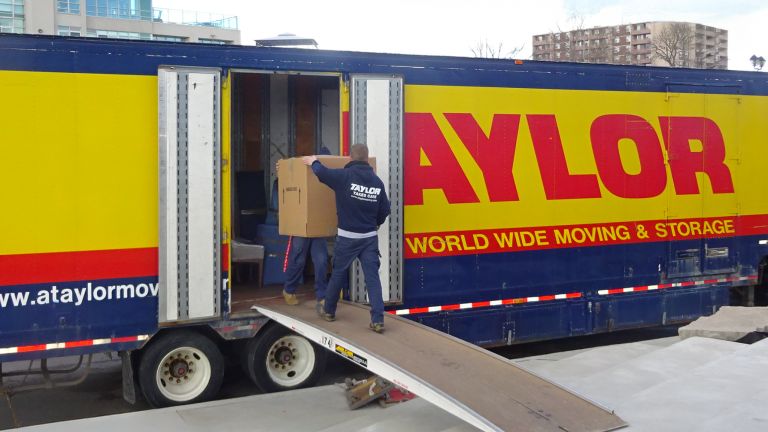
Australia enforces some of the world’s strictest biosecurity laws to protect its unique environment. As you move, you must proactively manage the compliance aspects of your shipment, as any oversight here can result in expensive delays or the destruction of personal goods. You should rely on your international movers in Toronto to provide guidance on the latest regulatory updates from the Australian Border Force.
Understanding prohibited and restricted goods
Items that may appear benign in Canada, such as certain wooden furniture, soil-laden outdoor gear, or unprocessed foodstuffs, often face outright bans or mandatory treatment upon arrival. Before packing your first box, create a list of items that could trigger a biosecurity red flag. If you are unsure about the status of a particular household item, it is safer to leave it behind or consult with International Moving Inc. experts to ensure your inventory stays compliant.
Completing mandatory documentation for arrival
Customs officials require comprehensive documentation to allow your personal effects to enter the country duty-free or under specific exemptions. This includes an accurate inventory, a signed declaration of your personal status, and evidence of your residency permits. Having these documents prepared long before the ship reaches port is crucial for maintaining an uninterrupted shipping flow while your goods clear the arrival process.
Preparing for Department of Agriculture and Water Resources inspections
Inspection readiness is improved by ensuring that everything in your shipment is meticulously cleaned and free of debris. Outdoor equipment, gardening tools, and footwear must be completely sanitized, as inspectors will prioritize these items for intensive screening. Your move management team will often provide packing protocols that simplify these inspections, helping to keep your shipment on schedule.
Managing tax and duty exemptions for personal effects
Eligible migrants can often import their personal effects into Australia without paying customs duty, provided they meet specific criteria regarding ownership and usage. Keeping track of original purchase receipts and proof of move dates will support your application for these financial exemptions. Professional international relocation guidance can help you categorize your assets properly to maximize your available duty benefits.
Preparing your household inventory for departure
Effective inventory management is the bedrock of a well-organized international move. When you start the process of moving your home, you must prioritize the safety of your assets while acknowledging the strict requirements of international freight protocols. Taylor International Movers recommends a systematic approach to inventory that documents both the volume and the condition of your goods before the crate is ever sealed.
The benefits of professional packing services
Professional packing services offer more than just convenience; they offer a level of security that is essential for long-ocean transits. Trained crews know how to crate fragile items, optimize space, and use materials that meet international standards for weight and moisture resistance. When you use these services, you transfer the risk of improper packing to experts, providing better protection for your most delicate belongings.
Effective decluttering and inventory management strategies
The table below outlines common categories of household goods and the general strategy for each during your move:
| Item Category | Action Required | Status |
|---|---|---|
| Fine Art | Professional Crate | Pending |
| Outdoor Gear | Deep Cleaning | Scanned |
| Kitchenware | Bubble Wrap | Packed |
By systematically reviewing each room, you can reduce the volume of your shipment, which directly impacts the overall cost of your transition. Reducing your inventory is a strategic way to save money while ensuring you only move items that add value to your life in Australia.
Creating an accurate packing list for customs clearance
An accurate, numbered packing list is the primary data source for customs and biosecurity agents. Every box must be labeled with its contents, and your overall inventory should reflect the true nature of what is inside. This prevents complications during international processing, where vague labels often cause unnecessary, costly manual inspections of your personal effects.
Specialized packing techniques for long-distance sea freight
Sea freight involves the movement of containers through diverse marine environments, which necessitates careful moisture control and weight distribution. Use high-grade archival materials to prevent damage from condensation, and prioritize weight distribution to keep the container balanced. Proper stackability and use of silica gel packs help preserve the integrity of electronic and paper items during the multi-week crossing.
Evaluating shipping methods and logistics

Choosing the right shipping mode depends on your budget, the urgency of your arrival, and the volume of your items. For most residential moves from Canada to Australia, sea freight is the industry standard because it balances cost-efficiency with the ability to transport large inventories securely. Effective management involves coordinating the pickup, transit, and final door-to-door delivery with a reliable move management partner.
Comparing sea freight versus air freight options
When evaluating shipping household goods Canada to Australia, air freight is typically reserved for urgent, high-value items, while sea freight serves as the workhorse for families. Many people choose to send a priority air shipment for essentials and a larger sea freight load for furniture. Here are the core pros and cons of each method:
- Sea freight offers lower costs for large volumes and is suitable for almost all household furniture and appliance types.
- Air freight provides significantly faster arrival times, which is beneficial for immediate daily necessities.
- Sea freight provides a larger capacity, allowing for the transport of comprehensive household goods without extreme cost scaling.
Regardless of the mode, clear communication with your logistics team is vital for keeping your shipment on track as it crosses the Pacific.
Understanding FCL and LCL container shipments
For larger homes, a Full Container Load (FCL) ensures that your goods are kept in a single, dedicated unit, which reduces handling risks. For smaller moves, Less than Container Load (LCL) groupage services allow you to share container space, making international shipping significantly more economical. Discuss your specific volume and budget with your provider to determine which of these models fits your international relocation plans best.
Navigating expected transit times across the Pacific
Transit times for ocean shipments are rarely exact because they depend on port congestion, weather patterns, and the efficiency of the shipping line. You should anticipate a window rather than a fixed arrival date, typically spanning several weeks. Working with a company that provides end-to-end move management ensures you receive accurate, real-time updates as your container traverses the ocean.
Coordinating port-to-door delivery logistics
Getting your items from the Australian port to your new home is a complex orchestration of ground transport and professional local labor. By pre-arranging your customs clearance and local delivery, you prevent your containers from lingering in port storage. Taylor International Movers leverages their network to ensure that your goods are moved smoothly to your destination once they have cleared final biosecurity checks.
Specialized logistics for vehicles and sensitive items
Moving specialized assets like vehicles or high-value antiques requires a heightened level of planning and compliance. These items often fall under different regulatory categories and necessitate bespoke packing or structural preparation to survive international transit. Because these items have specific technical requirements, they should always be accounted for in your initial inventory assessment.
Regulations and requirements for importing vehicles
Importing a personal vehicle into Australia is a complex process involving specific approval stages and duty calculations. You must verify if your vehicle meets the national standards before you incur shipment costs. Because the regulations are rigorous, we recommend involving specialized international movers early to ensure your documentation and compliance steps are handled correctly.
Preparing pets for international transport
Your pets are a vital part of your family, yet they require specific medical and travel preparations to move across borders. Scheduling vaccinations, microchipping, and quarantine bookings must be done well in advance of your flight or vessel departure. Always utilize professional pet logistics services to coordinate the transit so that your animals arrive in good health and in accordance with international protocols.
Essential packaging protocols for fine art and fragile antiques
Fragile items require customized crating that accounts for climate changes and shock absorption unique to long-distance sea travel. Whether you have heritage furniture or valuable art collections, professional, custom-crated packing prevents damage caused by movement within the container. Documentation, including photographs and appraisals, should be prepared for each item to ensure they are handled according to their true value throughout the relocation.
Protecting your assets during the relocation
Planning for the unlikely events during transit is the hallmark of a successful international move. Comprehensive insurance coverage is not just a safety net; it is an essential component of the international move journey that protects your investment in your household goods. You should focus on understanding the limitations of transit coverage before your belongings leave your Canadian residence.
Importance of comprehensive transition insurance
Ocean transit is long, and while modern logistics systems are highly advanced, minor impacts or exposure to humidity can occur. A policy that covers loss and damage sustained during international transit provides the necessary reassurance while your items are out of your immediate control. Without this protection, you would be liable for any unforeseen transit-related events.
Differentiating between basic liability and full-value coverage
Basic liability coverage often covers items by weight or volume, which typically results in an insufficient settlement for high-value personal effects. In contrast, full-value coverage insures your items for their replacement cost or their declared value, which is usually the safer choice for an international relocation. If you are uncertain about the specific levels of protection for shipping household goods, speak with your coordinator to review your policy options.
Properly documenting high-value items before shipment
Your insurance claim is only as good as your pre-move documentation. Before your pack-out day, create a complete ledger of your high-value items, including photographs from multiple angles and current, formal appraisals. This international move management best practice ensures that you have accurate proof of condition, allowing for a simplified, transparent insurance process if an issue arises during transit.
Conclusion
Successfully shipping household goods Canada to Australia is an exercise in detailed planning, professional collaboration, and strict adherence to international regulations, ensuring you can settle into your new life with confidence and peace of mind by choosing expert international relocation services.
Frequently Asked Questions
How early should I start planning my move to Australia?
You should ideally start your planning and logistics coordination three to four months in advance, providing ample time for customs research, inventory decluttering, and securing professional shipping slots.
What are the main biosecurity risks when shipping to Australia?
Biosecurity risks largely involve organic contaminants like soil, plant matter, and wood products, which the Department of Agriculture and Water Resources strictly monitors to protect the unique Australian ecosystem.
Is sea freight or air freight better for my household?
Sea freight is the most cost-effective and common solution for full household moves, while air freight is generally reserved for urgent smaller shipments, making your choice dependent on your volume, budget, and timing needs.
Do I need to be present for customs inspections?
In most cases, you do not need to be personally present; your international moving representative will handle the coordination of customs documentation, although you must ensure all documents are provided accurately and on time.
Are all my household goods eligible for duty-free entry?
Many personal effects are eligible for duty-free entry if you can prove ownership and use over a certain period, but you should verify your specific items and ownership duration with customs clearance experts to confirm eligibility.
How are transit times affected when moving internationally?
Transit times can fluctuate due to global shipping lane demand, port processing speeds, and seasonal weather trends, so it is best to plan for a flexible schedule rather than a fixed date.
What should I do if an item is damaged during my international move?
If you discover damage, you should immediately notify your mover, provide the required documentation and photographs you prepared before the move, and submit a claim through your comprehensive transit insurance policy as soon as possible.
Leave a Comment