Corporate international relocation services Canada: A guide to planning moves across borders

Key Takeaways
International relocation works best when the employee, employer, family, and moving provider share one clear plan. The details below focus on practical coordination across Canada, the United States, and overseas destinations.
- Start planning household goods, travel, customs, and temporary housing at the same time.
- Treat inventory accuracy and destination-country rules as central parts of the move.
- Compare providers by scope, communication, documentation support, and claims handling.
- Build flexibility into dates because customs, transport, and housing arrangements can change.
- Use a written checklist so every responsibility has an owner and a deadline.
Understanding corporate international relocation services in Canada
Corporate international relocation services Canada can cover much more than transporting boxes from one address to another. An employee may need help coordinating household goods, travel timing, storage, customs paperwork, and delivery in a new country. The employer also needs predictable communication and a clear view of what has been arranged. A well-managed move connects those pieces without losing sight of the employee’s personal circumstances.
What an international corporate relocation typically includes
A typical relocation begins with a consultation about the employee’s origin, destination, household size, preferred dates, and belongings. The plan may then cover packing, pickup, international transport, customs documentation, storage, and final delivery. Some households also need separate arrangements for pets, vehicles, artwork, or unusually fragile items. The exact scope should be written into the estimate rather than assumed from the phrase “full service.”
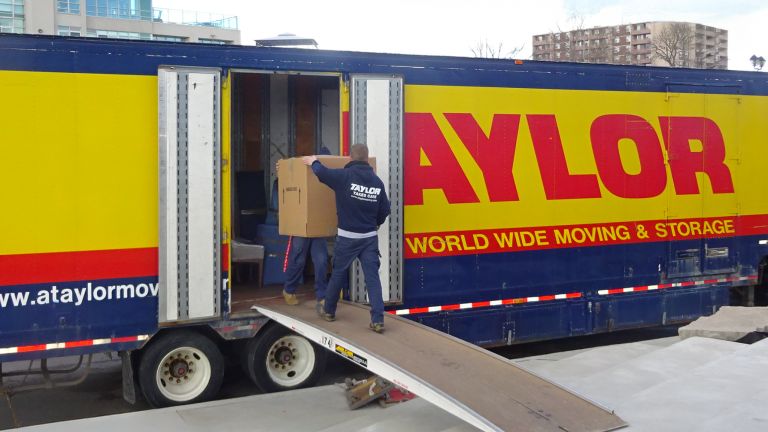
The moving provider should explain which steps it coordinates directly and which steps involve destination partners. That distinction helps everyone understand who will answer questions when the shipment is in transit or being cleared at the border. Taylor International provides international moving services, so its role is most relevant where a household shipment crosses national borders rather than simply moving within one Canadian city.
How corporate moves differ from domestic relocations
A domestic move usually operates under one national customs framework and a relatively familiar transport network. An international relocation adds export and import requirements, destination-country restrictions, different measurement conventions, and the possibility of ocean or air freight. The employee may also be entering a new country while the shipment is still travelling, which makes temporary arrangements important.
There is a human difference as well. A household may be managing a new job, school decisions, housing, residency documents, and unfamiliar local systems at the same time. A relocation plan should therefore separate urgent arrival needs from goods that can follow later. That simple distinction can reduce pressure without forcing every belonging into the fastest and most expensive shipping option.
When to use a full-service international moving provider
Full-service support is useful when the move involves several countries, a large household, a narrow departure window, or items that require special handling. It can also help when the employee is not familiar with customs forms or cannot be present for every handoff. Instead of asking the family to coordinate each carrier independently, one provider can help organize the sequence and explain the decisions.
Before booking, ask for a written description of packing, transport, customs assistance, storage, delivery, unpacking, and claims procedures. A full-service moving guide can help clarify which questions belong in that conversation. The goal is not to purchase every possible add-on; it is to make responsibility visible before the shipment leaves Canada.
Common relocation routes from Canada
Routes from Canada commonly include moves to the United States, the United Kingdom, Australia, and other overseas destinations. Each lane has its own transport pattern and entry requirements, even when the household contents are similar. A Canada-to-U.S. move may rely heavily on ground transport, while an overseas shipment may involve port handling, ocean freight, or air freight.
Route planning should begin with the destination address, expected occupancy date, and the family’s immediate needs. If the new home is not ready, storage may be more practical than repeated delivery attempts. For broader route planning, a Canada international move checklist offers a useful framework for reviewing documents, shipping choices, and country-specific restrictions.
Planning the relocation from start to finish
A successful relocation is usually decided before the first box is packed. The planning stage should connect the employee’s travel date with the household shipment, housing arrangements, customs process, and delivery window. This is where corporate international relocation services Canada can provide structure without making the family feel managed from a distance. A dated plan also gives the employer a reasonable way to track progress without guessing.
Setting timelines for household goods and travel
Begin with the date the employee must report to work, then work backwards through housing availability, packing, pickup, transport, customs clearance, and delivery. Household goods often travel on a different schedule from the employee, so the family may need luggage, basic furniture, or temporary accommodation in the interim. Build in time for document preparation rather than treating it as a last-minute administrative task.
Dates should be described as targets or windows where possible. A firm departure date may still be affected by carrier availability, port congestion, weather, inspections, or a change in the employee’s travel plans. Early communication gives the provider more options if the original schedule needs to move.
Coordinating packing, pickup, storage, and delivery
Packing is not simply a matter of putting everything into cartons. The household should decide what will travel, what will be sold or donated, and what should remain behind before the packing crew arrives. The provider should record the shipment’s contents and condition, then confirm where the goods will be collected and where they may be stored.
A practical sequence usually includes a pre-move survey, packing, pickup, transport booking, export preparation, destination clearance, and delivery. Clear handoff points matter because responsibility can otherwise become unclear when a shipment changes carriers or countries. Ask how updates will be provided at each transition.
Managing communication across countries and time zones
One named contact can make a major difference when the employee, employer, origin team, destination team, and customs representatives are working in different time zones. The communication plan should identify who receives schedule changes, what counts as an urgent issue, and how approvals will be recorded. Short written updates are often more useful than scattered messages across several channels.
A simple status report can show the current location, next milestone, outstanding document, and person responsible for the next action. This approach helps the employee stay informed without requiring constant tracking. It also gives the employer a consistent record when several relocations are happening at once.
Preparing for delays and changing move dates
Delays are easier to manage when the plan includes alternatives. Consider what happens if the shipment arrives before the home is ready, if the employee’s start date changes, or if customs asks for clarification. Storage, revised delivery windows, and a small set of essential belongings can all provide breathing room.
The family should keep passports, medication, work materials, valuables, and essential clothing separate from the main shipment. That does not prevent every disruption, but it limits the effect of a delayed container or revised delivery appointment. Confirm any added storage or redelivery charges before the change is approved.
Navigating Canada-U.S. cross-border relocations
Canada-U.S. relocations can look straightforward because the countries share a long land border and many familiar consumer products. They are still international moves, however, and household goods must be declared and reviewed under the applicable rules. The shipment may also involve different carriers, state or provincial requirements, and vehicle considerations. Planning carefully is preferable to relying on the apparent familiarity of the route.
Key differences between Canada-U.S. and overseas moves
A Canada-U.S. move may allow more ground transportation and shorter physical distances than an overseas shipment. That does not remove the need for accurate paperwork or an itemized inventory. Overseas moves typically add port operations, ocean or air freight, and a longer period between pickup and delivery.
The right service plan depends on the shipment and the destination, not only on mileage. A family moving from Toronto to a U.S. city may still need temporary storage, special packing, or customs guidance. A family moving to Europe or Australia may need more attention to shipping mode, port timing, and destination delivery conditions.
Customs requirements for household shipments
Customs authorities need to understand what is entering the country, who owns it, and why it is being imported. The inventory should use plain descriptions rather than vague labels such as “miscellaneous” or “personal items.” Used household goods, new purchases, food, plants, alcohol, firearms, and other controlled goods may be treated differently.
Rules can change by country and by item. The provider can explain the paperwork it expects, but the employee remains responsible for supplying truthful information and any required personal documents. A cross-border moving guide can be a useful starting point for questions about declarations, vehicles, and residency-related paperwork.
Documents employees and families may need
The document set varies with citizenship, immigration status, destination, and shipment type. Families may be asked for identity documents, travel or residency evidence, a detailed packing list, proof of ownership, and forms connected with vehicles or restricted goods. Documents should be checked for consistent names, addresses, and dates.
Keep digital copies in a secure location and carry essential originals separately from the shipment. If a document is still pending, tell the moving provider early rather than waiting until pickup. A missing or inconsistent form can affect clearance even when the physical goods are packed correctly.
Common border delays and how to reduce them
Border delays often arise from incomplete descriptions, missing forms, inconsistent information, restricted items, or questions about ownership. They may also result from inspections or transport conditions outside the family’s control. The most useful response is preparation rather than optimistic timing.
Review the inventory line by line, identify items that need special treatment, and confirm who will respond to customs questions. It is also wise to avoid adding last-minute goods after the inventory has been prepared. If changes are unavoidable, update the paperwork before the shipment departs.
Managing international customs and documentation
Customs documentation is part of the shipment itself, not paperwork that can be separated from the move. A box that is packed safely can still be delayed if its contents are unclear or its supporting documents do not match. The employee should have enough time to review the inventory and ask about destination-specific restrictions. This is especially important for families moving from Canada to countries with strict rules on food, plants, medications, or wooden materials.
Creating an accurate household inventory
An inventory should describe each item or group of similar items in practical language and assign reasonable values where requested. Include brands, models, serial numbers, quantities, and condition for valuable or specialized goods. Photographs can help document condition and identify items during a later claim review.
Do not wait until packing day to remember what is in a basement, garage, shed, or storage locker. Walk through the home systematically and separate goods that will travel from those that will not. Accuracy at this stage supports customs clearance, insurance discussions, and delivery checks.
Understanding restricted and prohibited items
Every destination has rules about what may enter, what needs a permit, and what cannot be shipped. Common areas requiring questions include food, plants, seeds, medication, chemicals, weapons, batteries, alcohol, artwork, and animal products. Vehicles and pets may involve separate procedures that should not be hidden inside a general household inventory.
Ask about uncertain items before packing. A provider may recommend leaving an item behind, obtaining documentation, or arranging a specialist service. Removing a restricted item early is usually simpler than discovering it during inspection.
Preparing paperwork for different destination countries
A document package should be tailored to the destination rather than copied from a previous move. Confirm the required forms, signatures, translations, permits, and deadlines. The employee’s immigration or employment documents may also affect the household shipment, so the moving plan should be coordinated with the appropriate advisers.
Use one version of the address and legal name throughout the paperwork. Keep a record of what was submitted, when it was submitted, and whether the provider or employee is responsible for the next step. This reduces duplicated work when several parties are involved.
Why customs rules can affect costs and delivery times
Customs requirements may affect the shipment’s timing, handling, inspection, storage, and taxes or duties. Even when no duty is due, an inspection can require additional coordination. New items, poorly described goods, or missing permits may create extra work at the destination.
The estimate should explain which customs-related services are included and which charges could be billed separately. A customs preparation resource can help families organize an inventory and identify questions before requesting a final quote. Good preparation does not guarantee a specific clearance date, but it can reduce avoidable rework.
Comparing international relocation services and providers
Choosing a provider requires more than comparing two totals at the bottom of a quote. The employee needs to know who will pack the household, who will coordinate the international shipment, who will answer destination questions, and what happens if the plan changes. Employers also need a process that is repeatable without becoming impersonal. Look for clear scope, realistic timing, and communication that continues after pickup.

Evaluating global partner networks and destination support
Ask how the provider manages the destination leg and whether the destination team is identified before booking. A broad network is useful only when responsibilities, handoffs, and contact details are clear. The provider should explain how local delivery conditions, access restrictions, elevators, parking, and storage affect the plan.
The employee can also ask who will handle questions after customs clearance. Destination support should not be an undefined promise. It should appear in the service description, estimate, or written correspondence.
Reviewing packing, loading, and quality-control standards
Packing standards should reflect the route and the goods being moved. Furniture, glass, electronics, artwork, and fragile personal items may need different materials and handling methods. Ask how items are labeled, how condition is recorded, and how the shipment is checked before loading.
A careful loading process should preserve access to inventory information and reduce unnecessary movement inside the shipment. At delivery, the family should have a method for noting missing or damaged items promptly. These practical details are more useful than broad claims about care.
Comparing quotes beyond the headline price
Quotes can differ because they include different shipment volumes, service levels, transport modes, insurance arrangements, storage periods, or destination work. Compare like with like and ask whether the estimate is binding, non-binding, or subject to later measurement. If the volume changes after the survey, understand how the price will be recalculated.
A comparison table can make the differences easier to see:
| Quote area | Question to ask | Why it matters |
|---|---|---|
| Packing | Is professional packing included? | Packing affects labor, materials, and protection. |
| Transport | Which shipping mode and route are assumed? | Transit and handling depend on the route. |
| Customs | What assistance and fees are included? | Clearance work may vary by destination. |
| Storage | How many days are included? | A delayed home can create additional charges. |
After comparing these areas, review the exclusions as carefully as the inclusions. A lower headline price may not represent a lower final cost if key destination services are missing.
Checking insurance, claims, and service guarantees
Ask what protection applies to the household goods, how valuation is determined, and what exclusions exist. The claims process should state how quickly damage or loss must be reported and what evidence is required. Employees should photograph valuable items before packing and review the delivery condition at unpacking.
Service guarantees should be written in specific terms. Avoid assuming that a target date is a guaranteed date or that every delay is covered. A provider that explains limits clearly is easier to evaluate than one that leaves the customer to interpret general assurances.
Supporting employees and their families during the move
A relocation succeeds when the family can settle, not merely when a shipment crosses a border. Children may need help with school timing, partners may be managing work changes, and the employee may be balancing a new role with unfamiliar logistics. The moving plan should leave room for these pressures. Practical support and predictable updates can make the transition more manageable without promising that it will be effortless.
Helping families prepare for an international transition
Start conversations early about what the family wants to take, what can be replaced, and what must be available immediately. Children may benefit from knowing the sequence of events, while adults may need time to arrange housing, schools, healthcare, and banking. These personal arrangements sit alongside the shipment plan rather than beneath it.
A small arrival kit can include documents, chargers, medication, basic clothing, and familiar items for children. Separating those essentials from the main shipment gives the family more control during the first days in the new country.
Coordinating pets, vehicles, and specialty belongings
Pets, vehicles, instruments, fine art, and other specialty belongings may require different paperwork, packaging, carriers, or permits. They should be identified during the initial survey rather than added after the household shipment is booked. Some items may travel separately from the main consignment.
Ask for a written explanation of what the moving provider handles and what must be arranged by the owner or a specialist. Include these items in the budget even when they are not part of the standard household quote. Separate planning helps prevent a special item from delaying the rest of the shipment.
Planning temporary storage and delivery options
Temporary storage may be necessary when the employee arrives before the home is available, when a lease begins later, or when the destination address changes. Ask where the goods will be stored, how they will be protected, and how delivery will be scheduled afterward. Confirm whether storage is charged by volume, time, or another basis.
The delivery plan should account for building access, parking, stairs, elevators, local restrictions, and unpacking preferences. A delivery appointment is more useful when these conditions have been reviewed in advance. It also gives the family a realistic idea of what will happen on arrival day.
Providing clear updates throughout the relocation
Updates should cover what has happened, what comes next, and whether the employee needs to act. Silence creates more anxiety than an honest notice that a date is being reviewed. A regular schedule for updates can be agreed upon before pickup.
Taylor International’s international moving work is relevant to this coordination because the service concerns household goods travelling across countries. The family should still receive a clear explanation of the specific route, partners, dates, and included services for its own move rather than relying on a general service description.
Estimating the cost of an international relocation from Canada
International moving costs cannot be estimated reliably from distance alone. Shipment volume, packing requirements, transport mode, destination access, customs work, storage, and special belongings all influence the final figure. A realistic budget should include the services the family is most likely to need, not only the line that looks attractive in an online form. Ask questions early enough to compare options before dates become fixed.
The factors that influence moving costs
The main cost drivers include the volume and weight of goods, origin access, packing labor, destination distance, freight mode, customs requirements, and delivery conditions. A large home with difficult access may cost more to pack and load than a smaller home with straightforward access. Fragile or unusually shaped items can also require additional materials and time.
The employee’s travel, temporary accommodation, pet arrangements, vehicle transport, and replacement purchases may sit outside the household moving quote. Keeping those expenses separate makes the moving estimate easier to understand while producing a more complete relocation budget.
How shipment volume and destination affect pricing
More goods generally require more space, labor, and handling. The destination affects the freight route, port or border work, local delivery conditions, and possible storage needs. A small shipment may be suitable for a different transport method than a full household, depending on urgency and available services.
Ask whether the estimate is based on an in-home survey, declared volume, or an approximate inventory. If the final volume changes, the price may change too. Accurate information is the best foundation for a useful comparison.
Additional charges to ask about before booking
Potential additional charges may relate to stairs, long carries, difficult access, storage, customs inspections, port fees, delivery changes, packing materials, valuation coverage, or special items. Not every charge will apply, but the estimate should explain the circumstances in which one could arise.
Before approving the move, ask these questions directly:
- Which services are included from pickup through final delivery?
- What circumstances can change the quoted price?
- How are storage, customs, and delivery changes billed?
- Which special items require separate arrangements?
The answers should be recorded with the quote, not left to memory. This makes later conversations more precise if the route or household inventory changes.
How to request an accurate relocation quote
Provide the origin and destination addresses, expected dates, home access details, household inventory, special items, storage needs, and any known customs questions. Mention whether the new residence is ready and whether the employee will travel before the goods arrive. A complete brief allows the provider to identify assumptions before pricing the move.
Request a written scope, estimated timeline, payment schedule, claims information, and contact details for the person coordinating the shipment. You can also request a moving quote once the main details are ready. The more accurate the initial information, the less likely the quote is to rest on guesswork.
Building a smoother relocation plan
The final plan should be practical enough for a busy employee to follow and detailed enough for the moving provider to execute. It should show dates, owners, documents, decisions, and fallback options. International moving involves variables that no checklist can remove, but a shared plan makes those variables easier to handle. Review it at each milestone rather than treating it as a document that is finished once.
Creating a move checklist and responsibility schedule
Divide responsibilities among the employee, employer, moving provider, destination contacts, and any specialist suppliers. Set a due date for each action and note what depends on another task. A short weekly review can identify missing documents or changing dates before they affect the shipment.
Useful checklist categories include:
- Confirming destination housing and access conditions.
- Completing the inventory and removing restricted goods.
- Preparing customs and identity documents.
- Booking packing, pickup, storage, and delivery windows.
- Separating travel essentials from shipped belongings.
This structure keeps the family involved without asking them to manage every transport detail. It also gives the employer a clear, respectful way to check whether support is needed.
Confirming details with the moving provider
Before pickup, confirm the addresses, contacts, inventory, dates, shipment size, transport mode, storage instructions, and destination delivery conditions. Ask who will contact the employee if customs requests clarification. Review any changes to the estimate in writing.
The provider should also explain what happens if the employee’s travel date or home availability changes. A plan with clear alternatives is stronger than one that depends on every date remaining perfect.
Reviewing delivery expectations before departure
Delivery expectations should be discussed before the goods leave Canada. Confirm the likely delivery window, notice process, access requirements, unpacking arrangements, and procedure for recording damage or missing items. The employee should know which items are expected to arrive separately or later.
If the destination home is not ready, confirm the storage plan and the trigger for releasing the goods. This avoids a rushed decision when the shipment is already in the destination country.
Measuring service quality after the move
A post-move review should ask whether communication was timely, the scope matched the quote, the shipment arrived as expected, and claims were handled clearly. Record both problems and useful improvements while the details are fresh. Employers can use recurring feedback to improve future relocation planning without treating one family’s experience as a universal result.
The most useful measure is often whether everyone understood what would happen next. Clear expectations, accurate documents, and accountable handoffs create a better foundation for the next international move.
Ready To Plan Your Move?
When a household is moving from Canada across the border or overseas, Taylor International can help you explore an international moving plan based on your route, belongings, timing, and delivery needs. Contact the team to discuss the move and learn which services may fit your situation.
Conclusion
A cross-border household relocation becomes easier to manage when transport, customs, family needs, costs, and communication are planned together. Start with an accurate inventory and realistic dates, compare the full scope of each quote, and keep responsibilities visible from pickup through delivery. With that structure in place, employees and families can approach an international move with clearer expectations and fewer avoidable surprises.
Frequently Asked Questions
What are corporate international relocation services in Canada?
They are coordinated services for moving an employee’s household goods from Canada to another country, often including planning, packing, transport, customs documentation, storage, and destination delivery.
How early should an international relocation be planned?
Begin as soon as the destination and approximate travel date are known. Early planning allows time for inventory, quotations, documents, packing, transport bookings, customs review, and changes to housing or employment dates.
Is moving from Canada to the United States considered an international move?
Yes. Although the countries share a border, household goods still cross national customs boundaries and require appropriate declarations, documentation, and transport coordination.
What information is needed for an international moving quote?
Provide origin and destination addresses, dates, household size, inventory, access conditions, special items, storage needs, and whether the destination home will be ready when the shipment arrives.
Can household goods arrive after the employee?
Yes. Household shipments commonly travel on a different schedule from the employee. Families should plan luggage and essential items separately and confirm temporary housing or storage arrangements.
What items may require special planning?
Pets, vehicles, artwork, instruments, plants, food, medication, batteries, and other regulated or fragile items may require separate documents, permits, packaging, or transport arrangements.
How can families reduce the risk of customs delays?
Prepare a detailed and truthful inventory, check destination restrictions early, keep names and addresses consistent across documents, and ask questions about uncertain items before packing or pickup.
Leave a Comment