How Does Moving Overseas Work? A Comprehensive Guide
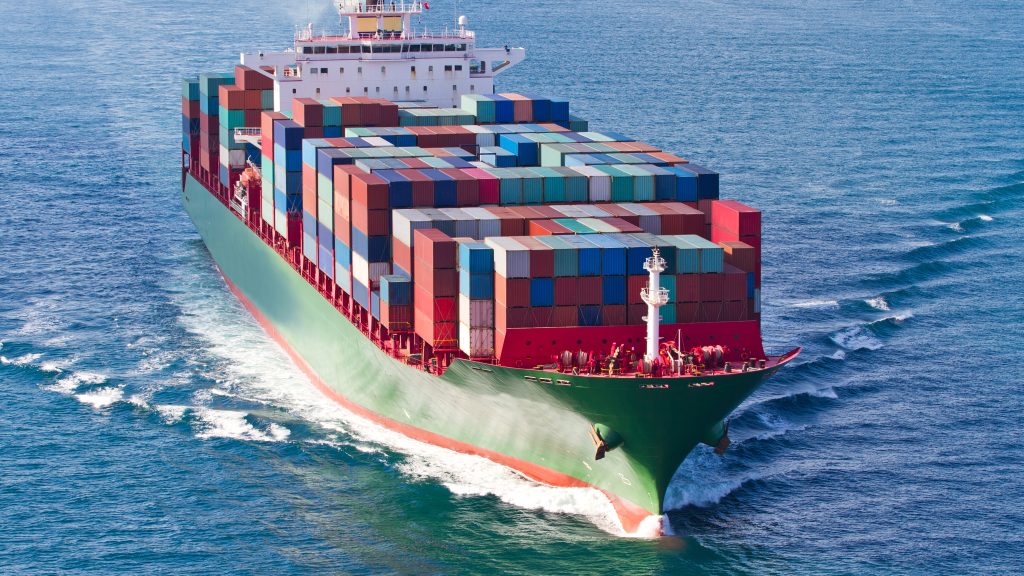
Thinking about packing up your life and moving to another country? It sounds like a huge undertaking, and honestly, it is. But with the right planning, it can be a lot less scary than you might imagine. This guide breaks down how does moving overseas work, from figuring out the costs and paperwork to actually getting your stuff there and settling in. We’ll cover the big stuff and the little details so you can feel more prepared.
Key Takeaways
- Moving overseas involves understanding the whole process, from getting quotes to your belongings arriving at your new home.
- The cost of moving abroad can change based on many things, so it’s smart to look closely at what you’re being charged and watch out for extra fees.
- You’ll need to deal with customs and have the right papers for your move to go smoothly and avoid hold-ups.
- When picking a moving company, check their credentials and ask plenty of questions to make sure they’re a good fit for your needs.
- Special items like pets or vehicles need extra planning and might have their own rules and costs.
Understanding International Moving Logistics
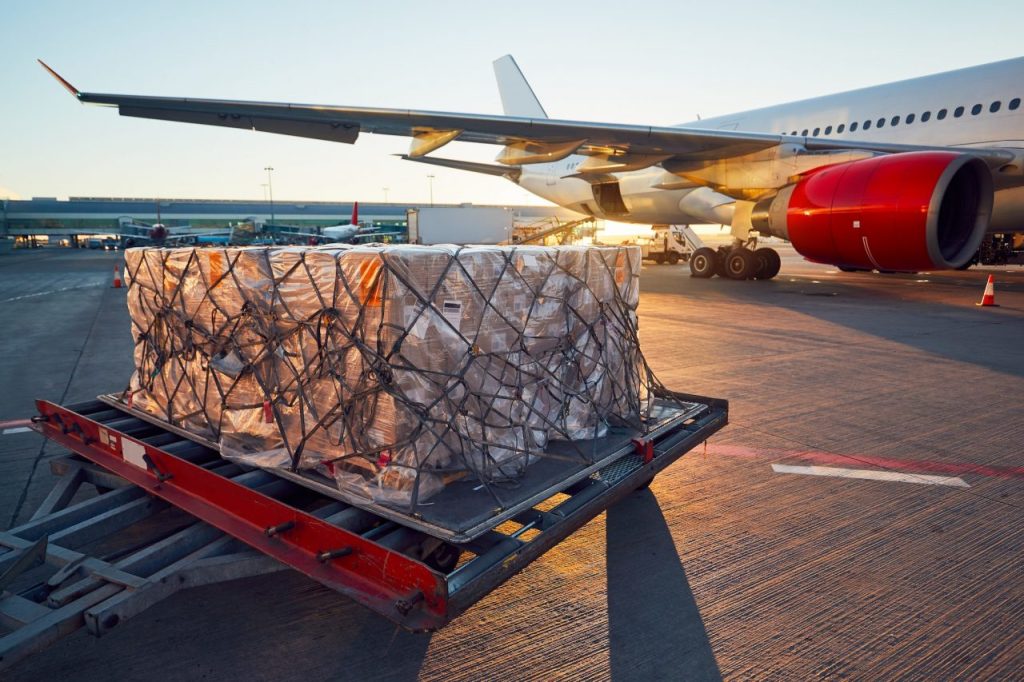
Moving your life across borders is a big deal, and figuring out the logistics can feel overwhelming. It’s not like moving across town; there are a lot more moving parts, literally and figuratively. Our international move management service is designed to take the confusion out of this process, making sure your belongings get from point A to point B without a hitch.
How International Moving Works
International moving involves a series of steps that differ significantly from domestic moves. It’s a coordinated effort between you, the moving company, and various transportation and customs authorities. The process generally starts with a survey of your belongings, followed by packing, loading onto a transport vessel (like a ship or plane), international transit, customs clearance in the destination country, and finally, delivery to your new home. Each stage requires careful planning and execution to avoid delays or issues.
Here’s a simplified look at the journey:
- Survey & Quote: An assessment of what you’re moving and where it’s going to determine the cost and services needed.
- Packing & Loading: Professional packing of your items, followed by loading onto the chosen mode of transport.
- Transit: The actual shipping of your goods across countries, which can take weeks or months depending on the method.
- Customs Clearance: Navigating the import regulations and paperwork of your destination country.
- Delivery & Unpacking: Your belongings arrive at your new home, often with unpacking services available.
What Full-Service International Moving Includes
When you opt for full-service international moving, you’re essentially handing over the reins for the entire process. This means you don’t have to worry about the nitty-gritty details. Our service covers everything from the initial packing in your old home to the final placement of your items in your new one. This includes:
- Professional Packing: Trained movers carefully pack your belongings using specialized materials to protect them during the long journey.
- Customs Documentation Assistance: We help you prepare and manage the necessary paperwork to get your shipment through customs smoothly.
- International Shipping: Arranging and managing the transportation via sea or air freight, depending on your needs and budget.
- Destination Services: This can include customs clearance, delivery to your new residence, and unpacking.
- Storage: If needed, we can arrange temporary storage at either the origin or destination.
International Moving Timeline: From Quote to Delivery
Understanding the timeline is key to managing expectations. International moves take time, and starting early is always best. While specific durations vary greatly, here’s a general idea of what to expect:
| Service Stage | Estimated Timeframe |
|---|---|
| Initial Quote & Survey | 1-2 weeks |
| Packing & Loading | 1-3 days |
| Ocean Freight Transit | 4-12 weeks |
| Air Freight Transit | 1-2 weeks |
| Customs Clearance | 1-2 weeks |
| Final Delivery | 1-3 days |
It’s important to remember that these are estimates. Factors like customs inspections, port congestion, or weather can affect transit times. Planning your move at least 2-3 months in advance is highly recommended to account for these variables and ensure a less stressful transition. For a detailed plan, consider using an international moving checklist.
The complexity of international moves means that clear communication and a reliable partner are not just helpful, they’re necessary. Our goal is to provide that clarity and support every step of the way, turning a potentially chaotic process into a manageable one.
Navigating the Costs of Moving Overseas
Moving your life to another country is a big deal, and figuring out the cost is a huge part of that. It’s not just about paying for a shipping container; there are a lot of moving pieces, literally and figuratively. Understanding where your money is going helps you plan better and avoid unwelcome surprises.
International Moving Cost Guides
When you start looking into international moves, you’ll find that costs can vary a lot. This is because every move is unique. Factors like the distance, the volume of your belongings, and the services you choose all play a role. Some companies offer detailed cost guides that break down what you can expect. These guides are super helpful for getting a general idea of the price range for your specific situation. Our international move management service aims to provide clear, upfront pricing so you know exactly what to budget for.
Factors Affecting Overseas Move Expenses
Several things can make your international move more or less expensive. Think about the size of your home – a studio apartment costs less to move than a five-bedroom house. The distance to your new country is another big one; shipping across the ocean is pricier than moving to a neighboring country. The type of shipping also matters: air freight is faster but costs more than sea freight, which takes longer. Packing services, insurance, and any special handling for items like pianos or artwork will also add to the total. Even things like customs duties and taxes in your destination country can impact the final bill.
Here’s a quick look at common cost factors:
- Volume of Goods: More stuff means a bigger shipment and higher costs.
- Distance: The further the destination, the more it generally costs.
- Shipping Method: Air freight vs. sea freight impacts both speed and price.
- Services: Packing, unpacking, insurance, and storage all add to the expense.
- Destination Fees: Customs duties, taxes, and local delivery charges.
Identifying Hidden Costs of Moving Abroad
Sometimes, the biggest sticker shock comes from costs you didn’t even think about. These are the “hidden” costs. For example, you might need to pay for temporary storage if your new home isn’t ready when your shipment arrives. There could be fees for specific customs inspections or for delivering to remote locations. Don’t forget about potential costs for shipping items that aren’t standard household goods, like vehicles or pets. It’s always a good idea to ask your moving company specifically about any potential extra charges they’ve encountered with moves to your destination country. You can use tools to help calculate international moving costs and get a better picture [5750].
Planning for unexpected expenses is just as important as budgeting for the main moving costs. Setting aside a contingency fund can save you a lot of stress if unforeseen charges pop up.
Comparing International Moving Quotes Effectively
Getting quotes from different international moving companies is a smart move. But don’t just pick the cheapest one. Make sure you’re comparing apples to apples. Read each quote carefully. Does it include packing, loading, shipping, customs clearance, and delivery to your new door? Are there any exclusions? A quote that seems low might be missing important services, leading to unexpected bills later. Our move management process ensures you receive detailed quotes that clearly outline all services and associated costs. It’s also wise to check reviews and ask for references to gauge the company’s reliability and service quality. Understanding what goes into an international move cost is key to a successful relocation [5dc3].
Essential Customs and Documentation Procedures
Moving overseas means dealing with more than just packing boxes. You’ve got to get through customs and have all your paperwork in order. It sounds like a lot, but with a little planning, it’s totally manageable. Our international move management service helps sort this out for you.
Customs Documents Needed for International Moves
Every country has its own rules about what can come in. You’ll likely need a few key documents to get your belongings across the border without a hitch. Think of these as your passport for your stuff.
- Passport/Visa: Your personal identification is always number one.
- Bill of Lading: This is the contract between you and the shipping company. It details everything being shipped.
- Customs Declaration Form: This form lists all the items you’re bringing into the country. It helps customs officials understand what’s in your shipment.
- Proof of Ownership: Sometimes, you might need to show you’ve owned certain items for a while, especially if you’re trying to bring them in duty-free.
What Can and Cannot Be Shipped Internationally
This is where things can get tricky. Most household goods are fine, but there are definitely some no-go items. It’s good to know these rules upfront to avoid surprises at the destination port.
Generally Prohibited or Restricted Items:
- Hazardous Materials: Things like flammable liquids, corrosives, or even certain cleaning supplies are usually a no.
- Firearms and Ammunition: Most countries have very strict rules about these, often requiring special permits or banning them altogether.
- Perishable Food Items: Fresh food, plants, and sometimes even certain packaged goods can be restricted due to agricultural or health regulations.
- Alcohol and Tobacco: Limits often apply, and you might need to pay significant duties.
- Illegal Drugs: Obviously, these are never allowed.
It’s always best to check the specific import regulations for your destination country. We can help you find this information as part of our international move management.
Reducing the Risk of Customs Delays
Customs delays are a common headache for international movers. They can happen for all sorts of reasons, from incomplete paperwork to random inspections. The best way to speed things up is to be prepared.
- Accurate Inventory: Make sure your inventory list is detailed and matches what’s actually in your boxes. Any discrepancies can raise red flags.
- Complete Documentation: Double-check that all forms are filled out correctly and submitted on time. Missing information is a major cause of delays.
- Know the Rules: Understand any country-specific restrictions or duties that might apply to your items. This is where knowing the destination country’s requirements is important.
Preparing an Inventory for Your Overseas Move
An inventory list is more than just a list of your belongings; it’s a critical document for customs, insurance, and tracking your shipment. It should be thorough and accurate.
When creating your inventory, include:
- A description of each item or box.
- The quantity of items in each box.
- The approximate value of the contents.
- Any special notes, like fragile items or items requiring special handling.
A well-prepared inventory is your best friend when moving overseas. It helps customs officials, your moving company, and you keep track of everything. It’s also super important if you ever need to make an insurance claim. Don’t skimp on this step; it really pays off.
Getting all this documentation and customs information sorted can feel overwhelming. That’s why having a dedicated move manager makes such a difference. They handle the details so you can focus on settling into your new home.
Planning for Family and Life-Stage Relocations
Moving your whole family overseas is a big deal, and it’s not just about packing boxes. It’s about uprooting lives and starting fresh somewhere new. We get that. Our international move management services are designed to take the stress out of this major life change, especially when kids or retirement are involved.
International Moving for Families
When you’re moving with children, their needs have to be front and center. It’s not just about getting their toys to the new house; it’s about making them feel secure and excited about the adventure. We help coordinate the logistics so you can focus on your family’s emotional well-being. This includes planning packing schedules around school breaks and ensuring essential items are accessible upon arrival.
- Early Planning is Key: Start the conversation with your children early about the move. Explain the reasons in an age-appropriate way.
- Involve Them in the Process: Let them help pack their own boxes (with supervision, of course!). This gives them a sense of control.
- Research the New Location Together: Look up parks, kid-friendly activities, and schools online. Making it a shared discovery can build anticipation.
- Maintain Routines: As much as possible, stick to regular meal times, bedtimes, and activities, even during the chaos of packing and unpacking.
Making an Overseas Move Less Stressful for Children
Kids often worry about leaving friends and familiar surroundings. Acknowledging these feelings is important. We can help by ensuring your belongings arrive promptly, reducing the time they spend in a temporary, unsettled environment. Think about packing a special ‘first night’ box with familiar items, snacks, and activities to make their arrival in the new home more comfortable.
The transition to a new country can be overwhelming for anyone, but for children, the emotional impact can be significant. Addressing their anxieties proactively and creating a sense of continuity is vital for a smooth adjustment period.
Considerations for Retiring Abroad
Retiring overseas is a dream for many, but it comes with its own set of planning needs. Beyond the excitement of a new lifestyle, there are practicalities to consider. Our services can manage the physical move of your household goods, allowing you to concentrate on the important aspects of retirement planning, such as healthcare, local regulations, and setting up your new life. We help make sure your cherished possessions arrive safely, so you can focus on enjoying your retirement years without the added worry of your belongings.
- Healthcare Access: Research healthcare systems and insurance options in your destination country well in advance. Planning an international move to or from Canada in 2026 can involve understanding these specific requirements.
- Financial Planning: Ensure your finances are in order, considering currency exchange rates, banking, and any tax implications.
- Legal and Visa Requirements: Understand the visa or residency permits needed for retirees and any legal documentation required for long-term stays.
- Community Integration: Look for opportunities to connect with local communities or expat groups to help you settle in.
Choosing the Right International Moving Company
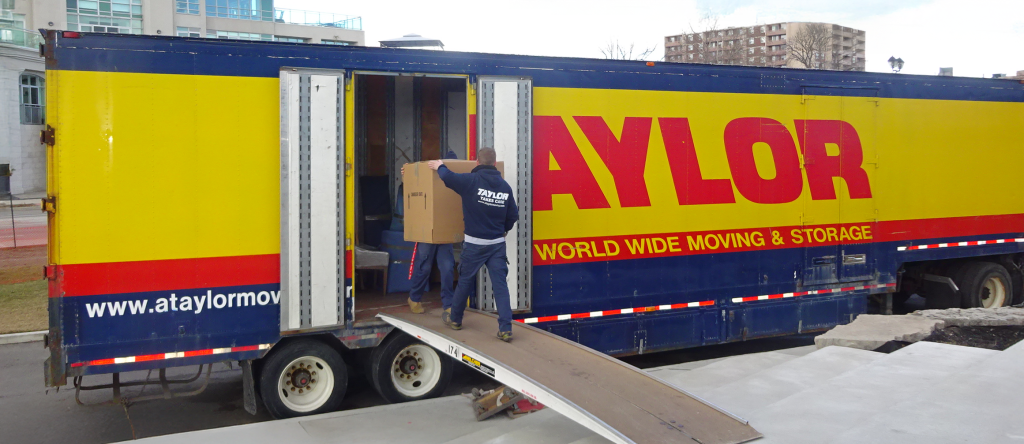
Finding the right company to handle your move overseas can feel like a big task. It’s not just about getting your stuff from point A to point B; it’s about peace of mind. You want a partner who understands the complexities of international relocation and can manage the whole process smoothly. Our international move management services are designed to do just that, taking the stress out of your global transition.
How to Select an International Moving Company
When you’re looking for a mover, think about what really matters. It’s easy to get lost in the details, but focusing on a few key areas can help you make a good choice. We believe in transparency and clear communication throughout your move.
- Experience: Look for companies with a proven history of successful international moves. Ask about their experience with your specific destination country.
- Services: What exactly do they offer? Do they handle packing, customs, shipping, and delivery? A full-service approach can simplify things greatly.
- Communication: How easy is it to get in touch with them? Do they provide regular updates? Good communication is key when your belongings are traveling across the globe.
- Reputation: What do past customers say? Online reviews and testimonials can offer insight into a company’s reliability.
Understanding Mover Accreditations
Accreditations can be a good indicator of a mover’s commitment to quality and professionalism. While not the only factor, they can help you sort through your options. For instance, organizations like FIDI, IAM, and AMSA have standards that movers often adhere to. These groups typically focus on things like financial stability, operational quality, and ethical business practices. Understanding what these accreditations mean can help you gauge a company’s legitimacy and commitment to international moving services.
Key Questions to Ask Before Hiring an Overseas Mover
Don’t be shy about asking questions. The more you know upfront, the better you can prepare. Here are some important things to ask:
- Who will be my main point of contact throughout the move?
- What is your process for handling customs clearance in the destination country?
- What kind of insurance coverage do you provide for international shipments?
- Can you provide a detailed breakdown of all costs involved?
- What is the estimated transit time, and what factors could affect it?
Comparing Service Quality and Value
When comparing different moving companies, it’s not just about the lowest price. You need to look at the overall value and the quality of service provided. A slightly higher price might be worth it if it means a smoother, less stressful move. Consider what’s included in the quote and how the company manages the entire process. Our move management approach focuses on providing a high level of service and clear value, ensuring your belongings arrive safely and on time.
Choosing an international mover is a significant decision. It’s about entrusting your possessions and your peace of mind to a company. Take your time, do your research, and ask plenty of questions to find a partner that fits your needs and provides confidence throughout your relocation journey.
It’s important to remember that international moves involve many moving parts, from packing and shipping to customs and final delivery. Having a reliable partner who manages these details can make all the difference. We focus on providing a clear and organized process, so you know what to expect every step of the way. This attention to detail helps prevent common issues that can arise during global relocations.
Addressing Specific Relocation Challenges
Moving overseas can feel like a puzzle with a lot of moving parts, and some pieces are definitely trickier than others. We’re talking about the things that go beyond just packing boxes, like getting your furry friends settled in a new country or figuring out how to ship your car. These are the special logistics that can cause a lot of worry if not handled right.
How to Move Pets Overseas
Your pets are family, and moving them internationally requires a good deal of planning. Each country has its own rules about importing animals, covering things like vaccinations, microchipping, and quarantine periods. It’s not a one-size-fits-all situation, and getting it wrong can mean delays or even refusal of entry for your pet.
- Research Destination Country Requirements: Start early. Look up the specific import rules for your new country well in advance. This often includes mandatory vaccinations (like rabies) and specific waiting periods after shots.
- Consult Your Veterinarian: Your vet is your best resource for ensuring your pet meets all health requirements and for getting the necessary health certificates.
- Choose Pet-Friendly Transport: Whether flying or sailing, select carriers that have good reputations for pet transport. Understand their policies on crate size, temperature control, and direct flights versus layovers.
- Consider Professional Pet Relocation Services: For complex moves, especially with exotic pets or to countries with strict regulations, a specialized pet relocation service can be a lifesaver. They handle the paperwork, bookings, and logistics.
Shipping Vehicles Internationally
Shipping a car overseas adds another layer of complexity. It’s not just about getting the car from point A to point B; it’s about customs, taxes, and making sure the vehicle meets local regulations in your new home. The cost can also add up quickly depending on the size of your vehicle and the shipping method.
- Determine Shipping Method: Options include roll-on/roll-off (RoRo) services, where your car is driven onto a ship, or container shipping, which offers more protection but is usually more expensive.
- Understand Customs and Duties: Research import duties, taxes, and registration fees in your destination country. These can significantly impact the total cost.
- Prepare Your Vehicle: Clean your car thoroughly, both inside and out. Remove personal belongings, as these are often not covered by insurance and can increase shipping costs. You might also need to disconnect the battery or leave minimal fuel.
International move management can help coordinate these specialized logistics, ensuring all the details for pets and vehicles are accounted for, reducing your stress significantly.
Relocating Fine Art and Antiques
Moving valuable or delicate items like fine art, antiques, or collectibles requires specialized care. These items often need custom crating, climate-controlled transport, and specific insurance coverage. The risk of damage is higher, and the value lost if something goes wrong can be substantial. Our international move management services are designed to handle these sensitive items with the utmost professionalism, from packing to final delivery, providing peace of mind for your most treasured possessions. Moving internationally to Canada involves understanding these unique challenges for all your belongings. Planning ahead is key, and starting the process early can make all the difference. For a smoother transition, consider how professional guidance can simplify even the most complex aspects of your move. A detailed timeline and expert support are invaluable.
Moving to a new place can bring up some tricky situations. We understand that dealing with different rules and paperwork can be a headache. That’s why we’re here to help make it smooth. If you’re facing these kinds of moving puzzles, check out our website for easy solutions!
So, What’s the Takeaway?
Moving overseas is a big deal, no doubt about it. We’ve walked through a lot of the details, from figuring out what goes where to getting all the paperwork sorted. It’s easy to get overwhelmed by the sheer amount of planning involved, especially when you start thinking about pets, cars, or even just how the kids will handle the change. But remember, breaking it down into smaller steps makes it manageable. Choosing the right moving company, understanding customs, and planning for life in your new country are all part of the puzzle. It’s a journey, and with a bit of preparation and the right help, you can make that leap to a new life abroad a successful one.
Frequently Asked Questions
What’s the first step when planning to move overseas?
The very first thing you should do is figure out exactly what you want to move. Make a list of all your belongings. Then, start researching moving companies. Getting quotes early is super important because international moves take a lot of planning and can be expensive.
How long does it usually take to move overseas?
It really depends on where you’re going and how you’re shipping your stuff. Moving by sea can take several weeks or even months. Shipping by air is faster but costs more. You should start planning at least 2-3 months before you want to move, sometimes even earlier for complex moves.
What kind of documents will I need for an international move?
You’ll need a lot of paperwork! This usually includes a detailed list of everything you’re shipping (an inventory), passports, visas, and possibly other documents specific to the country you’re moving to. Your moving company can help you understand exactly what’s needed.
Are there things I can’t ship overseas?
Yes, definitely. Most countries have rules about what you can bring in. You generally can’t ship hazardous materials, certain foods, or illegal items. Some countries also have strict rules about bringing in things like plants, animals, or even certain types of vehicles. Always check the rules for your destination country.
How do I choose a good international moving company?
Look for companies that have good reviews and are part of professional organizations. Ask for quotes from a few different companies and compare what they offer. Make sure they are clear about their services, costs, and timelines. Don’t be afraid to ask lots of questions!
What are the biggest hidden costs I should watch out for?
Besides the main moving fee, watch out for things like extra charges for difficult access at your old or new home, customs fees in the destination country, storage if your items arrive before you do, and insurance. Always ask for a breakdown of all potential costs.
Leave a Comment