How Much Does International Relocation Cost? A Comprehensive Guide

Thinking about moving your life across borders? It’s a big step, and one of the first things on your mind is probably the cost. Figuring out how much does international relocation cost can feel like a puzzle. There are so many things that go into it, from how you pack your stuff to where you’re going. This guide breaks down all the different parts so you can get a clearer picture and plan your move without too many surprises.
Key Takeaways
- The total price of moving internationally depends on many factors like distance, volume of goods, and services used.
- Shipping methods, packing, and customs fees are major cost drivers for overseas moves.
- Be aware of potential extra charges, storage fees, and the importance of insurance to protect your belongings.
- Moving special items such as vehicles, pets, or art can add significantly to the overall expense.
- Carefully choosing a mover and understanding their services are key to managing costs effectively.
Understanding International Relocation Costs
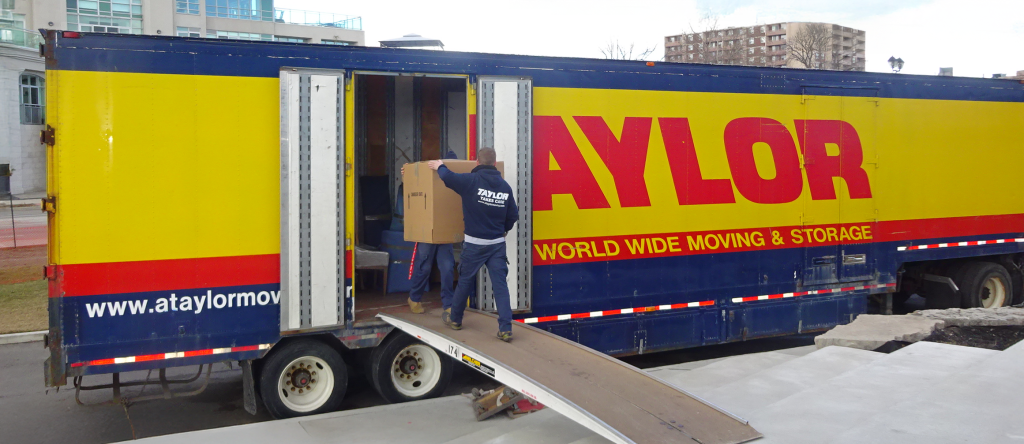
Moving your life across borders is a big deal, and figuring out the cost is usually the first hurdle. It’s not just about packing boxes; there are many layers to consider. The total expense can swing quite a bit, from a few thousand to well over ten thousand dollars, depending on what you’re moving and where you’re going. Understanding these variables is key to budgeting effectively and avoiding surprises down the line. Our international move management services are designed to bring clarity to this complex process.
Factors Influencing Your Moving Expenses
Several things play a role in how much your international move will cost. Think about the sheer volume of your belongings – a studio apartment versus a five-bedroom house will naturally have different price tags. The distance to your new country is another big one; shipping from New York to London is different from shipping from New York to Sydney. The origin and destination points themselves matter too, as local access and distance from ports can add up. We help you account for all these details.
Here are some common factors:
- Volume of Goods: More stuff means more space needed on the ship or plane, and higher costs.
- Distance: The further the journey, the more it generally costs.
- Origin and Destination Services: Door-to-door service versus port-to-port can change the price, as can the accessibility of your old and new homes.
- Time of Year: Peak moving seasons might see slightly higher rates.
Estimating the Overall Cost of an Overseas Move
Getting a solid estimate involves looking at the big picture. While averages exist, they’re just starting points. For instance, international moving costs in 2026 can range from $6,300 to $15,900, but this is highly dependent on your specific situation. It’s important to remember that this figure often includes basic shipping but might not cover everything. We focus on providing transparent estimates that reflect your unique needs.
Planning an international move requires careful financial consideration. It’s easy to focus only on the shipping fees, but other expenses can add up quickly. Thinking through all potential costs upfront can save a lot of stress and unexpected bills later.
Comparing International Moving Quotes Effectively
When you start getting quotes, you’ll notice they can look very different. This is where our expertise in move management really shines. We help you understand what each quote includes, from packing and insurance to customs clearance and delivery. Don’t just look at the bottom line; compare the services offered. A cheaper quote might leave you paying extra for things you assumed were covered.
Here’s what to look for when comparing:
- Inclusions: Does it cover packing, loading, shipping, unloading, and basic destination services?
- Exclusions: What fees are not included (e.g., customs duties, storage, specialized packing)?
- Transit Time: How long is the estimated delivery window?
- Insurance Options: What level of protection is offered for your belongings?
Getting multiple, detailed quotes is essential. We guide you through this process, making sure you’re comparing apples to apples and choosing the best value for your move. Comparing international moving quotes effectively is a cornerstone of a successful relocation.
Key Components of International Moving Expenses
When you’re planning an international move, it’s easy to get overwhelmed by all the potential costs. Beyond just the basic idea of shipping your stuff, there are several big pieces that make up the total price. Understanding these components is the first step to getting a clear picture of your budget and avoiding surprises.
Shipping Methods: Air Freight vs. Sea Freight
The way your belongings travel across the ocean is a major cost driver. You’ve generally got two main options: air freight and sea freight. Air freight is much faster, getting your items to your new country in days rather than weeks. This speed comes at a higher price, though. It’s usually best for essential items or if you’re on a tight schedule. Sea freight, on the other hand, is significantly more budget-friendly. It takes longer, often several weeks, but it’s the go-to for moving the bulk of your household goods. The choice between air and sea freight can dramatically impact your overall moving expenses. When you work with a move management service, they can help you weigh the pros and cons of each based on your specific needs and timeline.
Packing and Handling Services
Don’t underestimate the cost of packing and handling. Professional international movers offer specialized packing services designed to protect your items during the long journey. This includes using sturdy boxes, bubble wrap, packing peanuts, and custom crating for fragile or valuable items. The more items you have, and the more delicate they are, the higher this cost will be. Proper packing is key to preventing damage, which can lead to even bigger expenses down the line if items are broken.
Customs Duties and Import Regulations
This is where things can get a bit tricky and vary a lot depending on your destination country. Most countries have their own set of rules about what you can bring in and what taxes or duties you’ll have to pay. These fees are separate from what your moving company charges. Some countries have high import taxes on certain goods, while others might offer exemptions for personal belongings if you meet specific criteria. Navigating these regulations is vital. Our international move management services can help you understand these potential costs upfront, so you’re not caught off guard. It’s always a good idea to research the specific import rules for your destination country well in advance of your move.
Understanding customs duties and import regulations is a critical part of international relocation budgeting. These fees are levied by the destination country’s government and can significantly add to your total moving cost. Researching these requirements early can prevent unexpected expenses and delays.
Navigating Hidden Costs and Unexpected Expenses
When you’re planning an international move, it’s easy to get caught up in the big ticket items like shipping and packing. But there are a lot of smaller costs that can sneak up on you if you’re not careful. These aren’t always obvious when you first get a quote, and they can really add up.
Potential Surcharges and Fees
Moving companies sometimes add extra charges that weren’t in the original estimate. This can happen for a few reasons. Maybe your home has narrow streets or tight access that makes it hard for the truck to get close, or perhaps there are stairs involved that weren’t mentioned. Some fees are related to specific destinations, like port congestion charges or remote area fees if your new home is far from a major city. Always ask for a detailed breakdown of potential surcharges before you agree to anything. Our international move management service helps you anticipate and account for these, so there are fewer surprises.
Costs Associated with Delays and Storage
Things don’t always go according to plan when you’re moving overseas. Customs can take longer than expected, or there might be issues with transportation. If your shipment is delayed and you need to store your belongings for a while, this will cost extra. This applies whether the delay happens at the origin, in transit, or at the destination. You might also need temporary storage if your new home isn’t ready when your things arrive. Planning for these possibilities is smart. You can get a better idea of what affects the cost of an overseas move by looking at factors like distance and service level. Understanding international moving costs is key to avoiding these issues.
Insurance and Protection for Your Belongings
While movers take great care, international transit is long and complex. Accidents can happen. You’ll want to consider insurance to protect your items. Basic liability coverage is usually included, but it often doesn’t cover the full value of your possessions. You can usually purchase additional insurance, which will add to your total moving cost. Think about the value of what you’re shipping and decide what level of protection makes sense for you. It’s a small price to pay for peace of mind.
It’s important to remember that the initial quote is often just the starting point. Being aware of potential extra charges, the costs of unexpected delays, and the need for adequate insurance can save you a lot of stress and money down the line. Proactive planning and clear communication with your moving partner are your best tools.
Specialized Item Relocation Costs
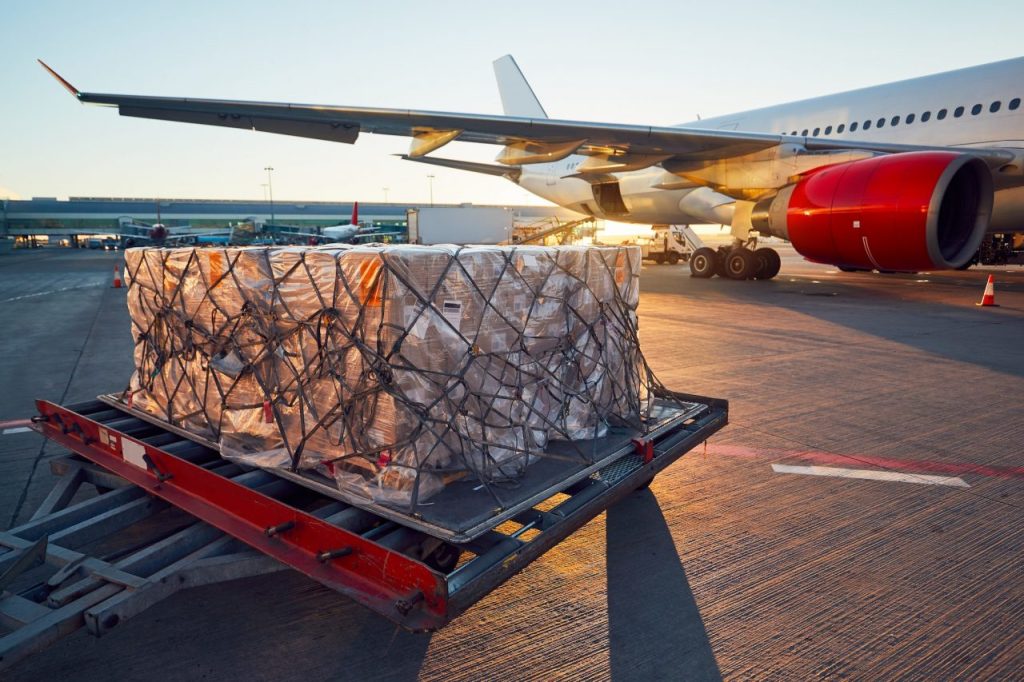
Moving Vehicles Internationally
Moving a car or motorcycle overseas is a big undertaking, and the costs can add up quickly. It’s not just about getting the vehicle from point A to point B; there are specific procedures and requirements to consider. The method of transport plays a big role. You can opt for roll-on/roll-off (RoRo) shipping, where your vehicle is driven onto a specialized ship, or container shipping, where your car is secured inside a shipping container. RoRo is often more budget-friendly, but container shipping offers more protection and privacy.
The size and weight of your vehicle, along with the distance of the move, are primary cost drivers. You’ll also need to factor in costs for professional loading and securing, marine insurance, and potential customs duties or taxes in the destination country. Some countries have strict emissions standards or require specific modifications before a vehicle can be imported. It’s wise to research these regulations well in advance. Our international move management services can help you sort through these details and find the most efficient way to ship your vehicle.
Shipping Pets Abroad
Relocating your furry family members internationally requires careful planning and can incur significant costs. Each country has its own set of rules regarding pet import, including vaccination requirements, microchip standards, health certificates, and quarantine periods. The cost will depend heavily on the destination country’s regulations and your pet’s specific needs. For instance, some pets might require special travel crates that meet airline or shipping company standards, adding to the expense.
Here’s a general breakdown of potential costs:
- Veterinary Fees: This includes required vaccinations, health checks, and the issuance of official health certificates. Some countries require specific tests, like rabies titer tests, which can take months to complete.
- Import Permits and Fees: Many countries charge fees for processing import permits and inspecting your pet upon arrival.
- Quarantine: If your destination country mandates a quarantine period, you’ll be responsible for the boarding fees, which can range from a few hundred to several thousand dollars depending on the duration.
- Travel Crate: A sturdy, airline-approved crate is often necessary and can cost anywhere from $100 to $500 or more, depending on the size of your pet.
- Transportation: This could involve airline cargo fees, specialized pet transport services, or even ground transport to the port or airport.
Planning for pet relocation should start many months before your move. Understanding the specific requirements for your destination is key to avoiding last-minute stress and unexpected expenses. Our team can guide you through the process, helping to coordinate with veterinary professionals and pet transport specialists.
Transporting Artwork and Antiques
Moving valuable artwork, delicate antiques, or other fragile, high-value items internationally presents a unique set of challenges and costs. These items often require specialized packing materials and techniques to prevent damage during transit. Think custom-built crates, climate-controlled shipping options, and extra padding. The cost will depend on the size, fragility, and value of the items.
Key considerations include:
- Specialized Packing: Professional art handlers use specific materials like acid-free paper, bubble wrap, and custom crates designed for the item’s shape and size.
- Insurance: Comprehensive insurance is a must for valuable items. The cost of this insurance will be based on the declared value of your belongings.
- Customs and Documentation: Some countries may have specific regulations or require detailed documentation for importing art or antiques, especially if they are considered cultural heritage.
- Climate Control: For sensitive items, opting for climate-controlled shipping can add to the cost but is often necessary to protect against temperature and humidity fluctuations.
When dealing with such precious cargo, it’s important to work with movers who have a proven track record in handling specialized items. Our international move management services include options for the secure transport of your most cherished possessions, ensuring they arrive safely. We work with trusted partners to provide the best care for your valuable items.
Managing Costs for Family Relocations
Moving your whole family across the globe is a big deal, and the costs can add up faster than you might think. It’s not just about packing boxes; it’s about making sure everyone, from the youngest to the oldest, settles in smoothly. Our international move management services are designed to help you keep track of these expenses and plan effectively.
Costs for Children’s Needs During a Move
When kids are involved, the relocation budget needs a special section. Think about things like new school supplies, potential enrollment fees, and maybe even some fun activities to help them adjust to their new surroundings. Sometimes, you might need to factor in temporary childcare if you’re busy with unpacking and setting up. Planning for your children’s well-being is just as important as planning for your belongings.
Here are some common costs to consider for children:
- School-related expenses: Application fees, uniforms, books, and supplies.
- Childcare: Temporary or ongoing care while you get settled.
- Activities and Socialization: Sports, clubs, or classes to help them make friends.
- Childproofing: If your new home needs it.
Considerations for Retirees Moving Abroad
Retirees often have different priorities. The focus might shift from school fees to healthcare and making sure you have access to familiar amenities or services. You’ll want to budget for things like setting up new medical appointments, understanding local healthcare systems, and perhaps even costs associated with hobbies or social clubs in your new country. It’s about maintaining your lifestyle and comfort. For detailed advice on international family moves, you can find helpful resources here.
Settling-In Expenses in a New Country
Once your belongings arrive, the real settling-in begins. This phase can bring its own set of costs. You might need temporary housing if your permanent residence isn’t ready, or you might have immediate needs for furniture, kitchenware, or even just basic groceries. Don’t forget about setting up utilities and internet, which often have installation fees. Budgeting for these initial living costs is key to a less stressful start. Understanding the potential costs associated with an overseas move is a big part of the process [147c].
It’s wise to set aside a buffer for these immediate needs. Things like:
- Initial grocery shopping.
- Setting up utilities (electricity, gas, water, internet).
- Purchasing essential household items.
- Transportation costs while you get your bearings.
- Unexpected minor repairs or adjustments to your new home.
Choosing the Right International Mover
Picking the right company to handle your international move is a big deal. It’s not just about finding the cheapest option; it’s about finding a partner you can trust with your belongings and your peace of mind. Our international move management services are designed to take the stress out of this process, connecting you with reliable movers who meet our high standards.
Evaluating Mover Credentials and Reliability
When you’re looking at international moving companies, it’s easy to get overwhelmed. You want to know they’re legitimate and capable. Look for companies that are part of recognized industry organizations. These groups often have codes of conduct and dispute resolution processes, which can be a good sign. For example, membership in organizations like FIDI, IAM, or AMSA can indicate a commitment to professionalism. Always check if they have a physical office and a verifiable history.
Here are some things to look for:
- Accreditations and Certifications: Are they members of reputable international moving associations?
- Years in Business: How long have they been operating? A longer track record often means more experience.
- Customer Reviews and Testimonials: What are past clients saying? Look for patterns in feedback.
- Insurance and Licensing: Do they have proper insurance, and are they licensed to operate?
Questions to Ask Potential Moving Companies
Don’t be shy about asking questions. The more you know upfront, the better you can compare your options. A good move management service will help you ask the right questions and understand the answers.
- What specific services are included in the quote? (e.g., packing, unpacking, customs clearance, storage)
- What is your process for handling customs documentation and duties?
- What kind of insurance coverage do you offer, and what are the deductibles?
- What is your estimated transit time, and what factors can cause delays?
- Who will be my primary point of contact throughout the move?
- Do you use your own crews or third-party agents at the destination?
Understanding the details of your move is key. A transparent company will be happy to explain everything, from the packing materials they use to how they handle potential issues during transit. Our goal is to make this information clear and accessible for you.
Balancing Service Quality with Moving Costs
It’s tempting to go with the lowest bid, but that can often lead to unexpected costs and a lot of headaches later on. Think about the total value, not just the initial price. High-quality service means better packing, more reliable transit times, and fewer surprises. Our move management approach focuses on providing excellent service at a fair price, helping you avoid those costly hidden fees that can pop up with less reputable movers. Remember, a smooth move is worth more than a few dollars saved upfront. You can get a better idea of what affects the cost of an overseas move by looking at factors influencing your moving expenses.
Here’s a simple way to think about it:
- Low Price, Low Service: Might mean poor packing, lost items, and delays.
- Mid-Range Price, Good Service: Often includes professional packing, clear communication, and reliable delivery.
- High Price, Excellent Service: Typically offers premium packing, dedicated support, and comprehensive insurance options.
Picking the right company to help you move overseas can feel like a big task. You want a team that knows the ropes and makes things easy. We’re here to guide you through the process, ensuring your belongings arrive safely and on time. Ready to make your international move stress-free? Visit our website today to learn more and get a free quote!
So, What’s the Bottom Line on Moving Costs?
Alright, so we’ve talked a lot about what goes into moving your life from one country to another. It’s not just about packing boxes, is it? There are a bunch of things that can change the price, from how much stuff you have to where you’re sending it. Plus, all that paperwork and figuring out customs can be a headache. Remember, this is about moving your home, your family, maybe even your pets or car, across borders – think Canada, the US, or even further afield. It’s a big deal, and it’s totally normal to feel a bit anxious about the cost and the whole process. The key is to do your homework, get clear quotes, and understand what you’re paying for. Don’t let the numbers scare you off, but do be prepared. Planning ahead is your best friend here.
Frequently Asked Questions
What are the biggest things that affect the cost of moving overseas?
Several things can change how much your move costs. The distance you’re moving, how much stuff you have, and how you choose to ship it all play a big role. For example, sending things by air is faster but costs more than sending them by sea. Also, if you have special items like a car or pets, that adds to the price. Don’t forget about things like packing services and any fees your new country might charge to let your stuff in.
How can I compare moving quotes from different companies?
When you get quotes, make sure they’re for the exact same services. Read them carefully to see what’s included. Ask if there are any extra fees they haven’t listed. It’s smart to get quotes from at least three different companies to see who offers the best deal for what you need. A cheaper quote isn’t always better if it means they’ll cut corners.
Are there hidden costs I should watch out for?
Yes, there can be! Sometimes, moving companies charge extra fees for things like moving your items up or down many stairs, or if they have to park far from your home. Delays can also cost money if you need to store your items longer than planned. Always ask about potential extra charges upfront, and read your contract closely.
How much does it cost to move a car or a pet internationally?
Moving a car or a pet is usually an extra cost on top of moving your household goods. Cars often need special shipping containers and lots of paperwork. Pets have their own rules, like needing specific vaccinations, health checks, and travel crates, plus the actual transport cost. These specialized moves can add a significant amount to your total bill.
What are ‘settling-in’ expenses when moving abroad?
Settling-in costs are the expenses you’ll face right after you arrive in your new country, before you’re fully settled. This could include things like temporary housing if your permanent home isn’t ready, buying new furniture if you didn’t ship everything, setting up utilities, and maybe even paying for your kids to start at a new school. It’s good to budget for these initial costs.
How do I know if an international moving company is trustworthy?
Look for companies that have good reviews and are members of professional moving organizations. Ask them about their experience with moves to your specific destination. A reliable company will be clear about pricing, offer insurance options, and be easy to communicate with. Don’t be afraid to ask lots of questions and check their references.
Leave a Comment